 Dwi Wanna
 Nana Wu
 Muslim
 Reynand Wu
 Ammar Sabilarrohman
 Lina Hope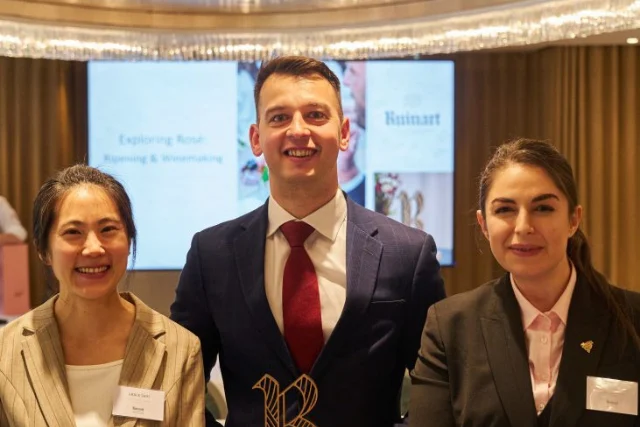
From the hallowed cellars of Champagne to the cutting-edge galleries of Bilbao, the global wine industry spent this past week balancing the weight of historical legacy with the excitement of future-facing innovation. Whether through the preservation of ancient vine material, the unveiling of prestigious new vintages, or significant shifts in leadership, the week’s events underscore a sector that is increasingly obsessed with both its deep roots and its forward trajectory.
Main Facts: A Convergence of Craft and Culture
The past seven days have been marked by a series of high-profile events that highlight the multifaceted nature of the wine world.
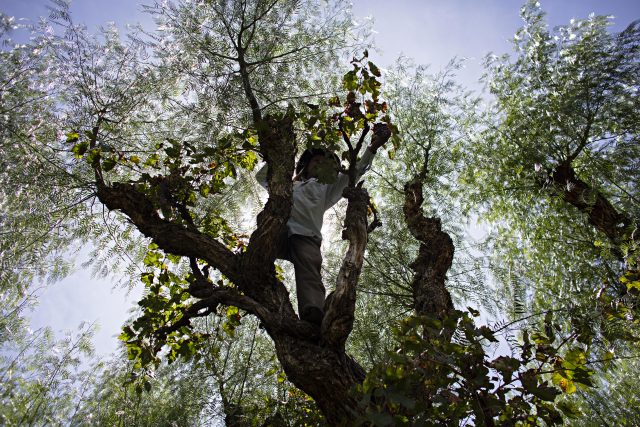
The Old Vine Conference set the tone by bringing the quiet, enduring resilience of ancient vines into the spotlight with its inaugural photography competition. This initiative serves as a poignant reminder that while winemaking is a modern industry, its most precious assets—vines that have stood the test of time—are living artifacts that require protection.
In Spain, Dom Pérignon staged its annual Révélations event in Bilbao, proving that the world of luxury Champagne is as much about artistic dialogue as it is about viticulture. By intertwining the release of its Vintage 2018 with contemporary art and performance, the house emphasized that wine is a cultural expression, not just a commodity.
Simultaneously, the professional community saw the Ruinart Sommelier Challenge crown a new UK champion, showcasing the rigorous academic and sensory training required of today’s elite sommeliers. Finally, the industry was rocked by a major structural shift at Champagne Bollinger, with the appointment of Émilien Boutillat as cellar master, signaling a new chapter for one of the region’s most respected houses.
Chronology: A Week in Motion
Early Week: The Artistic Revelation in Bilbao
The week kicked off with the prestige of Dom Pérignon’s Révélations in Bilbao. By utilizing the Carreras Mugica gallery and the iconic Guggenheim Museum as backdrops, the house moved away from traditional vineyard-based launches. The focus was firmly on the Vintage 2018, a release that represents a definitive moment for chef de cave Vincent Chaperon, marking the first vintage fully realized under his sole creative direction since the departure of the legendary Richard Geoffroy.

Mid-Week: The Old Vine Showcase
In London, the atmosphere shifted from the avant-garde to the ancestral. The Old Vine Conference hosted its Heritage Showcase at St John’s, Waterloo. Here, the focus was on the preservation of biodiversity. The event featured an impressive lineup of 170 wines sourced from ancient vine material and heritage cuttings, effectively demonstrating that the "old vine" movement is gaining significant commercial and cultural momentum.
Late Week: Excellence and Leadership
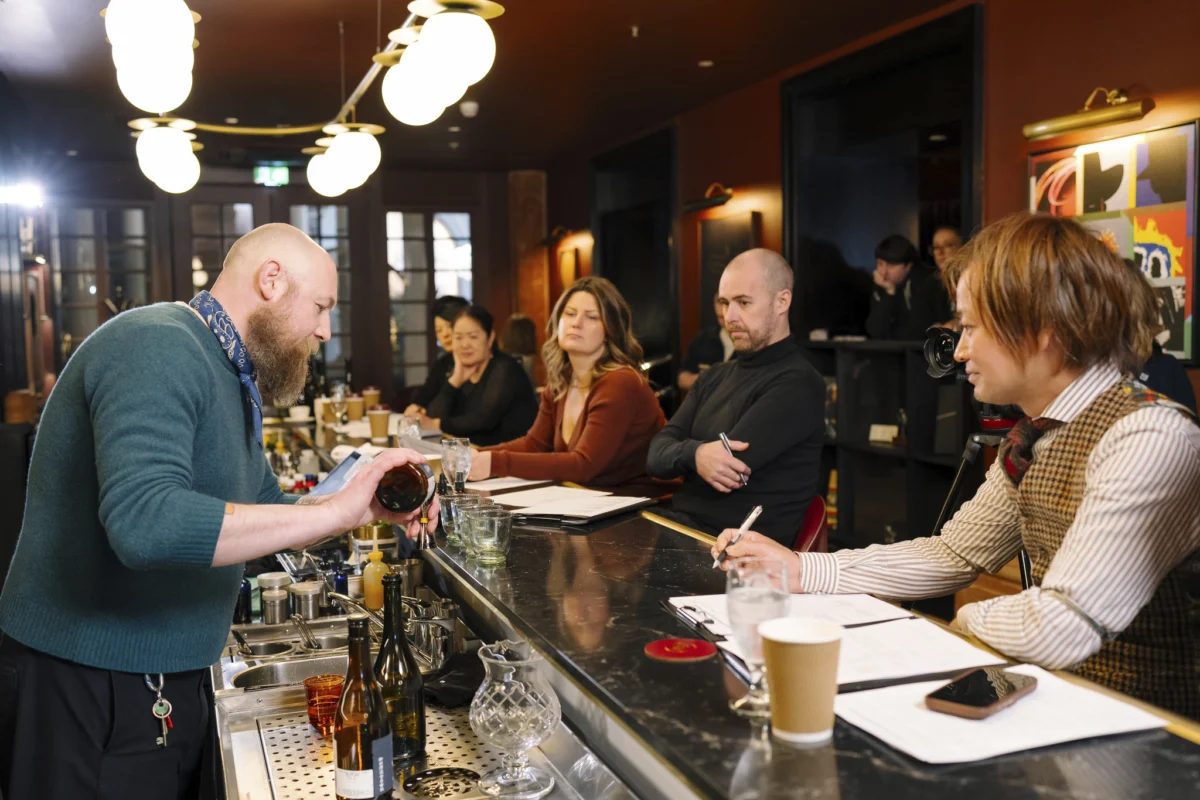
The latter part of the week focused on the professional standards of the trade. At The Dorchester in London, the Ruinart Sommelier Challenge pushed the next generation of wine professionals to their limits, emphasizing the complexity of rosé Champagne. Finally, the week concluded with the announcement of Émilien Boutillat’s appointment at Bollinger—a move that dominated industry conversation, given the weight of the house’s upcoming bicentenary.
Supporting Data: By the Numbers
The breadth of these events is best understood through the data emerging from them:

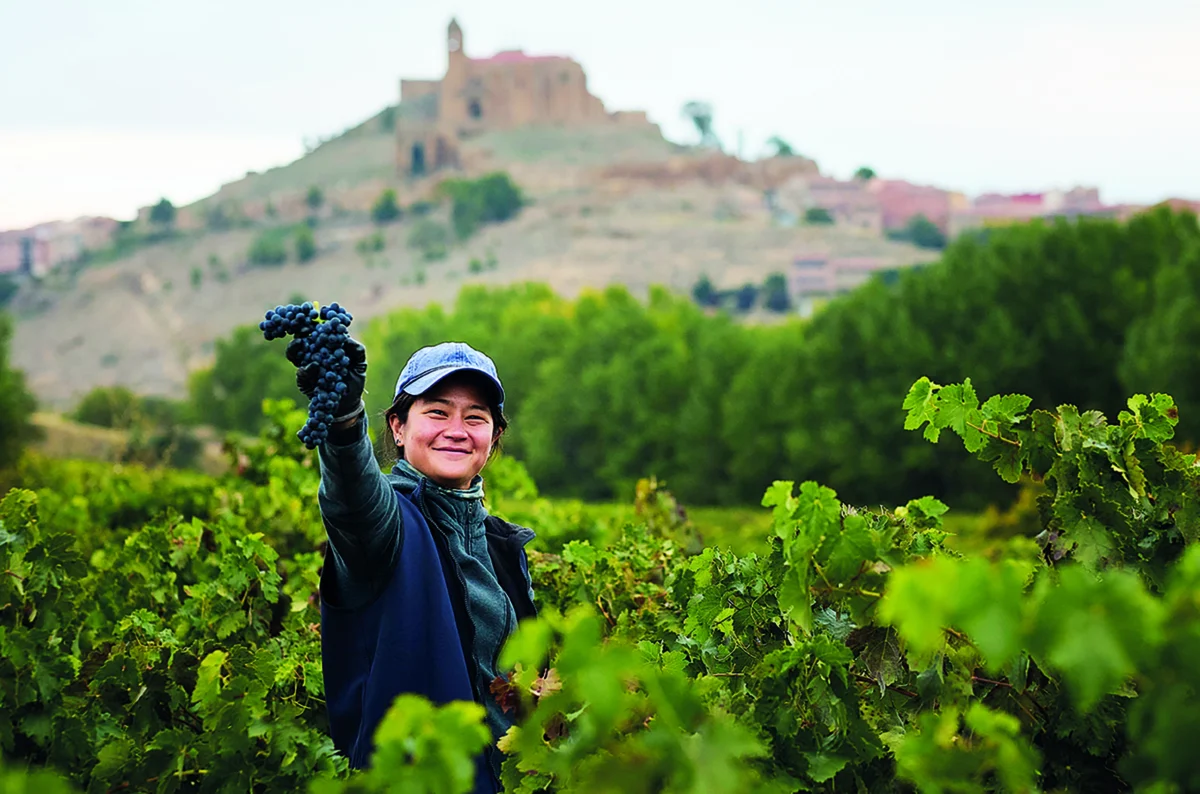
- Old Vine Photography Competition: Out of 272 global submissions, 21 images were shortlisted. These works serve as a visual census of global viticulture, covering everything from the harsh landscapes of high-altitude vineyards to the human faces of those who harvest them.
- The Heritage Showcase: The event featured 170 distinct wines, providing a comprehensive "library" of heritage vine material for sommeliers and buyers to explore.
- Dom Pérignon Vintage 2018: The launch represents a critical transition point for the brand, as it is the first vintage to be fully "signed" by Vincent Chaperon, setting the style for the brand’s future in the late 2020s and beyond.
- The Ruinart Challenge: The UK edition drew elite talent from across the hospitality sector, emphasizing the technical mastery required to identify and articulate the nuances of rosé Champagne.
Official Perspectives and Professional Insights
The significance of these events was echoed by the leaders of the industry.
Regarding the Old Vine Conference, organisers noted that the photography competition was not merely an aesthetic exercise but a method of "documenting the survival of heritage." By inviting the public to vote on the shortlist until 8 July, they are fostering a grassroots appreciation for the labor-intensive reality of maintaining old vines.
At the Dom Pérignon launch, the synergy between chef de cave Vincent Chaperon and artist Claudine Drai was the highlight. Chaperon noted that the 2018 vintage was a product of "unrelenting precision," echoing his broader philosophy that the wine must be a reflection of the year’s specific energy. The performance by Tilda Swinton and Oliver Saillard was described by attendees as a "meditative exploration of the passage of time," perfectly mirroring the slow, deliberate process of Champagne maturation.

The appointment of Émilien Boutillat at Bollinger is perhaps the most strategically significant development. Boutillat, currently the chief winemaker at Piper-Heidsieck and a two-time International Wine Challenge Cellar Master of the Year, is viewed as a bridge between tradition and technical innovation. Bollinger’s leadership expressed that his appointment is timed to ensure the house is "future-proofed" as they approach their 200th anniversary.
Implications: Where the Industry is Heading
The "Heritage" Pivot
The success of the Old Vine Conference’s showcase points to a growing consumer and trade trend: "Provenance as Value." In a world of mass-produced beverages, the story of an ancient vine—and the preservation of that genetic material—is becoming a key differentiator. We are likely to see more producers marketing the age of their vines as a premium attribute, moving away from purely terroir-focused narratives toward a deeper, historical sustainability.
The Professionalization of Service
The Ruinart Sommelier Challenge highlights the increasingly technical demands placed on sommeliers. As global wine lists grow in complexity, the sommelier is evolving into an educator. Winners like Zareh Mesrobyan, the head of wine at Estelle Manor, represent a new breed of professionals who are as comfortable discussing the chemistry of ripening as they are managing high-end hospitality operations.

Leadership Transitions and Legacy
Bollinger’s move to bring in Boutillat suggests that even the most traditional houses are looking for "disruptive experience." By hiring a cellar master who has already proven his ability to lead award-winning teams, Bollinger is signaling that they are not content to rely solely on their historical reputation. The industry is entering a phase where the "Cellar Master" is no longer just a winemaker, but a brand custodian, an ambassador, and a strategist.
Conclusion: A Reflective Future
This week has shown that the wine industry is undergoing a simultaneous process of retrospection and evolution. In Bilbao, we saw how heritage brands use art to stay relevant to modern luxury consumers. In London, we saw the tangible effort to save the viticultural past from extinction. And in the boardrooms of Champagne, we saw the strategic planning required to carry these houses into their next centuries.
As the Old Vine photography winners prepare to be announced on 15 July—Old Vine Day—the industry will have its eyes fixed on the images that define its past. Simultaneously, with new leadership at the helm of houses like Bollinger and new vintages hitting the market, the trade remains firmly focused on the horizon. The message is clear: to move forward, one must first understand the depth of the ground upon which they stand.

For the collector, the sommelier, and the enthusiast, these developments signal a rich period of growth. The wine in the glass is changing, but the commitment to the craft—whether that involves protecting a 100-year-old vine or carefully blending a new vintage—remains as steadfast as ever. As we look toward the remainder of the year, it is evident that the "fine wine" sector is not just surviving the modern age; it is actively curating it.

 Iffa Jayyana