
 Nila Kartika Wati

 Layla Zulfa

 Ammar Sabilarrohman

 Pevita Pearce

 Lina Hope
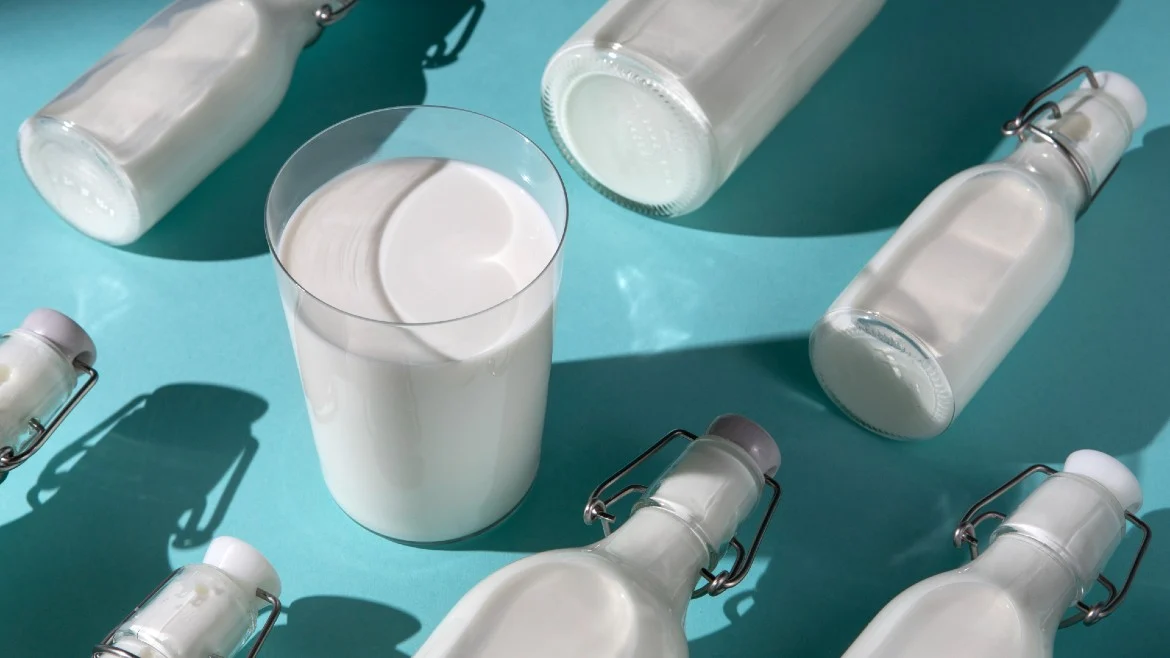
For generations, the American consumer has operated under a simple, non-negotiable rule: if it’s dairy, it belongs in the refrigerator. In the collective consciousness of the U.S. market, the hum of the cooling unit and the crisp, chilled temperature of a milk carton have become synonymous with quality, safety, and nutritional integrity. However, as global food technology advances, this long-standing paradigm is facing a formidable challenge from the science of aseptic processing.
As manufacturers increasingly turn to ultra-high-temperature (UHT) technology to create shelf-stable beverages, the industry is forced to confront a growing disconnect between modern food science and deeply ingrained consumer habits.
Main Facts: The Science of Aseptic Processing
At the heart of this transition is a sophisticated engineering process that differentiates aseptic products from their refrigerated counterparts. Conventional pasteurization, the standard for most supermarket milk, involves heating product to roughly 161°F for 15 seconds. This process effectively kills harmful bacteria but does not render the product sterile, meaning the milk remains perishable and dependent on a strict "cold chain"—a temperature-controlled supply chain from the plant to the consumer’s kitchen.
Aseptic processing, by contrast, utilizes UHT technology. In this process, the dairy product is flash-heated to temperatures between 280°F and 302°F for a brief window of just two to three seconds. This extreme, rapid thermal treatment is surgical in its precision: it eliminates harmful bacteria and spores while sparing the delicate proteins, vitamins, and nutrients that define dairy’s nutritional profile. Following this heat treatment, the product is sealed in a sterile, multi-layered environment that prevents recontamination.
The result is a shelf-stable dairy product that retains its flavor and nutritional value for months without the need for refrigeration. This technology is not merely a method for preservation; it is a fundamental shift in how food logistics operate, moving away from the high-maintenance, energy-intensive requirements of refrigerated distribution.
A Chronology of the Cold Chain
The history of the modern cold chain is a testament to the industrialization of the 20th century.
- Early 20th Century: The adoption of standardized pasteurization and the proliferation of domestic refrigeration transformed dairy from a local, highly perishable commodity into a safe, mass-market staple.
- 1960s-1980s: Aseptic technology began to gain traction in Europe, where space and energy constraints made the cold chain less efficient. Countries like France and Italy embraced "long-life" milk, which could be stored in pantries.
- 1990s-2010s: The U.S. market remained largely resistant to shelf-stable milk, viewing it as a "compromise" product or a niche item for emergency supplies. During this time, the cold chain became the gold standard of American food retail.
- 2020-Present: The rise of functional beverages, protein-fortified dairy, and plant-based alternatives has pushed aseptic processing into the mainstream. With the expansion of the "ready-to-drink" (RTD) category, the limitations of the cold chain—namely cost and spoilage—have become impossible for manufacturers to ignore.
Supporting Data: The Surge in Demand
The shift toward shelf-stable nutrition is not merely a theoretical trend; it is backed by significant market momentum. According to a recent report by CoBank, the demand for convenient, high-protein dairy nutritionals is at an all-time high. The data indicates a 74% surge in sales of ready-to-drink dairy nutritionals and protein shakes over the last four years.
This growth is driven by the modern consumer’s lifestyle, which prioritizes on-the-go consumption. When a consumer can purchase a high-protein, dairy-based drink at a gas station, a gym, or an office kiosk—and store it in a gym bag or a desk drawer rather than a refrigerator—the value proposition shifts from "refrigeration equals fresh" to "convenience equals essential."
The financial implications for manufacturers are equally compelling. Maintaining a cold chain is an expensive endeavor. From refrigerated shipping containers to specialized retail display cases, the energy costs and the high risk of product spoilage due to temperature fluctuations during transit represent a massive overhead. Aseptic processing effectively mitigates these risks, allowing manufacturers to optimize their logistics and reduce waste, which in turn creates a more sustainable and profitable supply chain.
Official Industry Perspectives
The industry is currently in a state of reflection, balancing the technical advantages of aseptic processing against the stubborn realities of American consumer psychology. Many producers are caught in a "perception trap."
Experts at JBT Marel, a global leader in food processing solutions, note that there is no "correct" answer for every manufacturer. Instead, the choice between UHT aseptic processing and traditional pasteurization depends on the specific goals of the producer.
"Freshness is about more than just the temperature at which a product is sold," says a spokesperson from the manufacturing technology sector. "It is about food safety, quality, and maintaining the sensory experience—the taste and texture—that customers expect. Aseptically processed dairy is not a compromise. It is a proactive response to the modern demand for nutritious, shelf-stable products."
However, the industry recognizes that the "refrigerated section" remains the most valuable real estate in a grocery store. This has led to a curious phenomenon: some manufacturers produce aseptically processed beverages but choose to place them in the refrigerated section to align with consumer expectations. While this mitigates the risk of customer rejection, it essentially ignores the primary logistical benefit of the technology.
Implications: The Future of "Fresh"
The implications of this shift are profound. As aseptic technology becomes more sophisticated, the line between "fresh" and "shelf-stable" will continue to blur. The real challenge, however, is educational. The U.S. dairy industry is currently engaged in a subtle battle for consumer trust.
Rethinking the Definition of Fresh
For years, the industry has relied on the cold chain to define freshness. To change this, brands must communicate that UHT technology is not about altering the product, but about preserving it more effectively. The nutritional profile of a UHT-processed drink is often indistinguishable from its pasteurized counterpart, yet the shelf-stable version offers a level of safety and reliability that can actually reduce the risk of foodborne illness caused by cold chain breaches.
The Impact on Retail and Logistics
The move toward shelf-stability also impacts the footprint of retail environments. If a significant percentage of dairy products move from the refrigerated aisle to the shelf, grocery stores can reduce their energy consumption, lower their carbon footprint, and utilize refrigerated space for products that truly require it, such as fresh produce, meat, and artisanal dairy.
The Question of Consumer Choice
Ultimately, the industry is faced with a strategic dilemma: should manufacturers design products for what consumers want, or what they expect?
Expectations are often tied to legacy—the way things have always been done. What consumers want, however, is convenience, quality, and safety. If the industry continues to prioritize the "cold-equals-fresh" narrative, they may find themselves tethered to an aging, high-cost supply chain. If they lean into the benefits of aseptic processing, they have the opportunity to redefine what the category looks like for the next generation.
Conclusion: A New Standard
The transition to aseptic processing represents a pivotal moment in food science. It is an opportunity for manufacturers to decouple the concept of freshness from the refrigerator and re-attach it to the true indicators of quality: safety, nutritional integrity, and taste.
While the "cold-chain-or-bust" mindset is still prevalent, the rising demand for shelf-stable protein shakes and nutritional drinks suggests that the market is already beginning to change. As companies like JBT Marel provide the technology to facilitate both traditional and aseptic production, the path forward is one of diversification. Whether through the preservation of tradition or the adoption of innovation, the ultimate goal remains the same: to deliver the highest quality dairy products to a consumer base that is increasingly demanding, increasingly mobile, and increasingly ready to rethink what "fresh" really means.
The future of dairy will not be decided by a temperature gauge, but by the ability of the industry to innovate in tandem with the evolving lifestyle of the modern consumer. The cold chain may have built the foundation of the dairy industry, but aseptic technology is currently building its future.


 Evan Lee Salim
