 Dwi Wanna
 Nana Wu
 Muslim
 Reynand Wu
 Ammar Sabilarrohman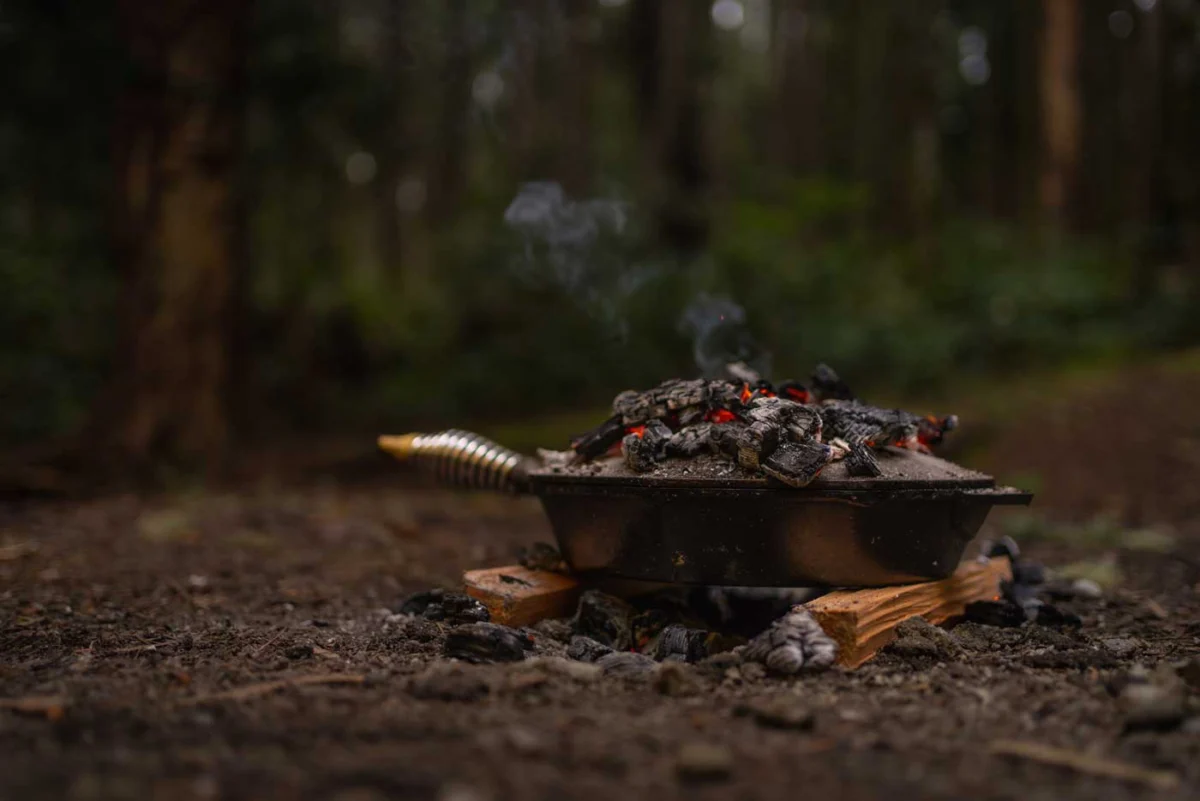
It is an indisputable truth among outdoor enthusiasts: food simply tastes better in the wild. Whether it is the crisp morning air sharpening your appetite or the primal satisfaction of cooking over an open flame, the campfire has long been the heart of the camping experience. However, the days of settling for charred hot dogs and lukewarm beans are long gone. Today’s campers are increasingly embracing the "camp kitchen" as a culinary arena, transforming the campsite into a legitimate open-air restaurant.

From the first crackle of kindling at dawn to the final embers of a late-night dessert, the modern camping trip is defined by a sensory competition. While gear aficionados may spend their time scoping out high-end tents and lighting setups, the true "winners" at any campground are those who can command an open fire to produce gourmet, foraged, and complex meals. To compete in this olfactory arena, one needs more than just a match; they need a strategy, a cast-iron skillet, and a vision for the menu.

The Chronology of Campfire Culinary Success
The secret to a successful camping menu is meticulous preparation. By treating your camping trip like a professional catering operation—pre-chopping, pre-marinating, and freezing components—you shift your focus from frantic meal prep to the enjoyment of the cooking process itself.

Dawn: The Breakfast Offensive
The early riser who fills the morning air with the scent of sizzling bacon or fresh-baked skillet pizza immediately establishes dominance in the campground. To keep the momentum going on day two, consider moving beyond the basics. A Cast-iron Skillet Breakfast Pizza allows for creative use of leftovers, while a Sweet Potato Hash with homemade chicken sausage provides the hearty fuel needed for a day of hiking or fishing. For those managing limited cooler space, shelf-stable options like Cast-iron Chilaquiles or an Open-fire Shakshuka provide deep, tangy flavors without the anxiety of temperature-sensitive ingredients.

Midday: The Rise of Camp Breads
Baking at the campsite is the ultimate flex for the outdoor chef. While it sounds daunting, recipes like Easy Campfire Damper Bread require nothing more than a bowl, a few sticks, and a bit of patience. For a taste of history, Pan de Campo—the official state bread of Texas—offers a rustic, buttery experience that pairs perfectly with afternoon trail snacks. Whether it is buttermilk biscuits in a Dutch oven or cheesy, herb-infused cornbread, these baked goods are essential for turning a standard lunch into a memorable meal.

The Afternoon: Sweet-Savory Appetizers
As the sun begins to dip, the line between appetizer and dessert blurs. The "cheat code" for an elegant transition is the use of grilled stone fruits. Pairing blushing ripe apricots or peak-season peaches with salty, tangy cheeses like chevre or feta creates a sophisticated, low-effort dish that feels high-end. Whether it is a Melted Triple Cream Cheese with rosemary and honeycomb or Grilled Peaches with ginger honey, these bites keep the "hungry horde" at bay while the main course slow-roasts over the coals.

Supporting Data: Why "Catch-and-Cook" Matters
For those near water, the "catch-and-cook" tradition is the pinnacle of sustainable, local eating. Fishing is not just a hobby; it is a grocery run. When you catch a fresh trout or harvest clams, the quality of the ingredient is superior to anything found in a supermarket.

- Shellfish: Utilizing a simple "Jiffy" foil packet method for BBQ clams keeps cleanup minimal while delivering a briny, oceanic punch.
- Whole Fish: Grilling a whole snapper in banana leaves or salt-baking a fresh trout locks in moisture and infuses the fish with the aromatics of the fire.
- Hearty Stews: On colder evenings, a Panfish Chowder or a tomato-based fish stew provides a restorative, smoky richness that is impossible to replicate in a home kitchen.
Official Guidelines: The Science of the "Main"
Professional outdoor chefs emphasize that the key to managing proteins like beef, bison, chicken, and lamb is the freezer. By cutting and marinating your proteins at home and freezing them in vacuum-sealed bags, you achieve two goals: you keep your cooler temperature regulated, and you ensure your meat is perfectly marinated by the time you are ready to cook it on day two or three.

The "Not-So-Fast" Food
- Burgers & Sandwiches: Elevate your burger game by stuffing patties with blue cheese or experimenting with shrimp and spiced cauliflower patties. For a vegetarian alternative that satisfies, a Grilled Halloumi Sandwich with charred kale pesto offers a robust, chewy texture that rivals any steak.
- Meat-Forward Classics: Whether it is Bison Sloppy Joes for a crowd or Spiced Lamb Ribs that require a "low and slow" fire technique, these dishes reward the chef who plans ahead.
- Vegetarian Powerhouses: Modern camping is inclusive. Campfire Pasta e Fagiole is a standout for being both shelf-stable and incredibly versatile. Meanwhile, Eggplant Parmesan Kebabs or Backcountry Curry prove that plant-based cooking can be just as exciting as any meat dish.
Implications: The Social and Culinary Impact
The implications of a well-executed camp menu extend far beyond the plate. Food is the social glue of the camping trip. When you move away from processed, pre-packaged snacks, you create a shared experience. The act of tending to a Camp Fire Roast for two-and-a-half hours in a Dutch oven becomes a communal event—an excuse to sit by the fire, share stories, and slow down.

Furthermore, the "Tipsy Marshmallow" trend or the inclusion of "elevated" desserts like THC-infused lava cakes or honeyed mascarpone skewers demonstrates that modern camping is about indulgence. It is about proving that you do not have to leave your culinary standards behind when you venture into the wilderness.

A Note on Sustainability
As we push the boundaries of what is possible in the camp kitchen, it is vital to remember our responsibility to the environment. Whether you are foraging for dandelion greens for a salad or harvesting spruce tips for a salmon drizzle, always practice ethical harvesting. Ensure you are not in areas treated with pesticides, and always leave the site better than you found it.

Conclusion: The Happiest Campers
Well-fed campers are, without question, the happiest campers. By curating a menu that balances tradition with innovation—mixing s’mores with grilled peaches, and hot dogs with balsamic-glazed bison—you ensure that the memory of the trip is anchored by the meals you shared. The next time you head out into the woods, challenge yourself to pack the cast-iron, leave the processed food behind, and treat your campfire like the five-star kitchen it is meant to be.

Happy cooking, and happy camping.

 Azzam Bilal Chamdy
 Ali Ikhwan