

 Raul Delapena Setiawan

 Ammar Sabilarrohman
 Lina Irawan
 Suro Senen
 Sagoh
Sagoh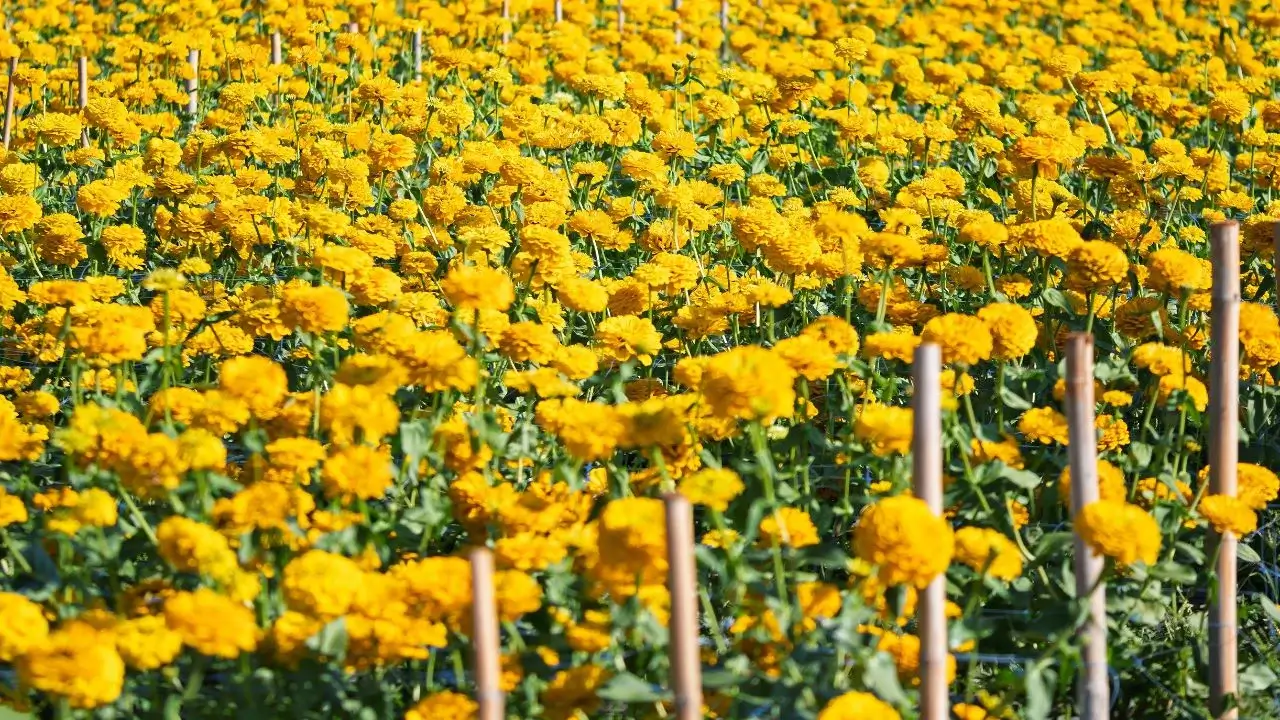
As the calendar turns to May, the agricultural landscape across North America undergoes a profound transformation. For farmers and market gardeners alike, this month represents a critical window of opportunity. Whether you are managing the tail end of a cool spring or bracing for the onset of high-summer heat, May is the bridge between the dormant season and the peak of production.
Successfully navigating this period requires more than just good timing; it demands a nuanced understanding of regional microclimates, soil health, and the specific physiological needs of your crops. By leveraging extension techniques—such as season extenders, targeted irrigation, and precision fertilization—growers can create a robust buffer against unpredictable weather, making a wide variety of crops viable regardless of the specific latitude.
The Strategic Importance of May Planting
Balancing Market Demand with Agronomic Reality
The primary driver for any farm’s planting schedule should be a dual-focused approach: responding to local meteorological trends while prioritizing the farm’s economic goals. If your objective is to maximize revenue at the local market stand, it is essential to prioritize crops with a proven track record of success in your region. However, stagnant production leads to stagnant growth.
Dedicated space for experimentation is a hallmark of a resilient farm. A successful atypical crop—one that thrives despite local doubts—often yields dividends that far exceed its immediate market value. The knowledge gained from troubleshooting a new variety or species provides a competitive edge, fostering agricultural expertise that can be applied to future harvests.
The Biological Clock: Direct Sow vs. Transplant
May is a month of duality. Certain crops, particularly those with sensitive root systems or long maturation periods, must be started as transplants to reach harvest readiness before the season concludes. Others, especially fast-growing legumes and root vegetables, thrive when sown directly into the warming soil, where they can establish deep, undisturbed root systems immediately.
Chronology: A Roadmap for May Success
To ensure a productive season, growers should follow a logical sequence of operations throughout the month.
Early May: Setting the Foundation
As the risk of frost dissipates, the focus should be on hardy, heat-loving crops that require long seasons to reach maturity.
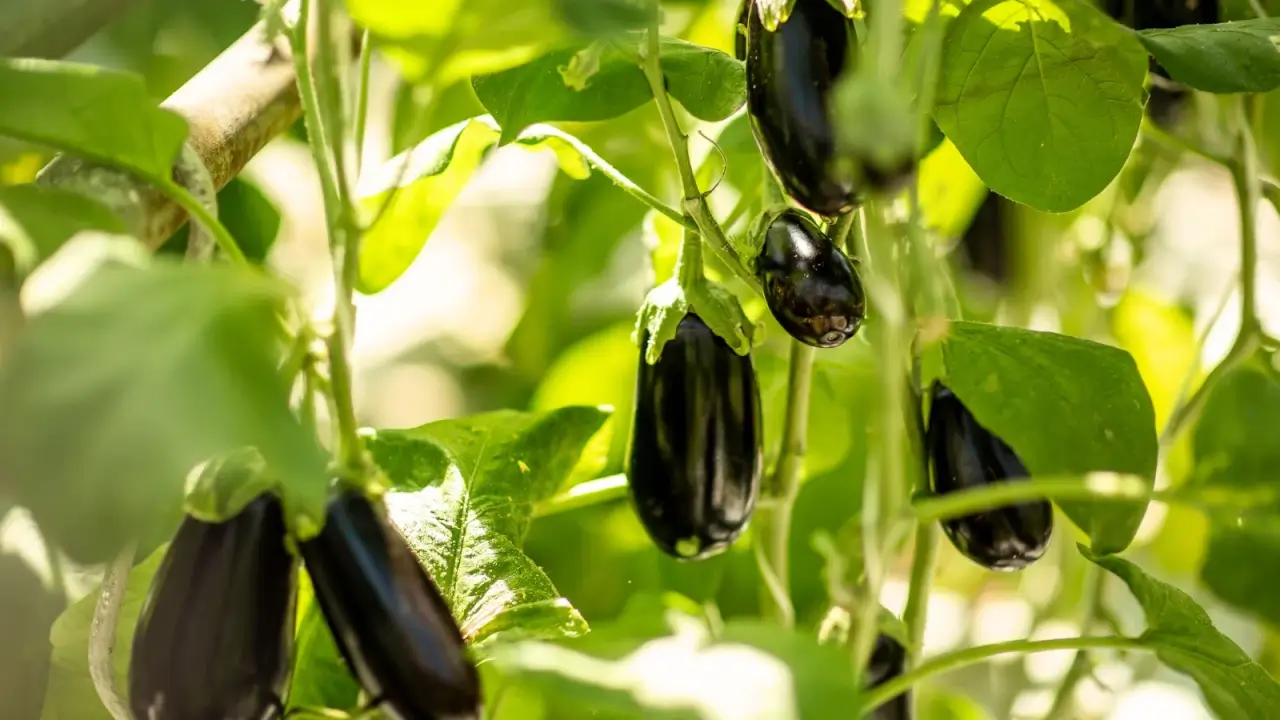
- Eggplants: These solanaceous powerhouses need a long, warm season. They must be transplanted now to ensure they have the 10-week window required for peak production.
- Dahlia Tubers: As soon as the soil is workable and the frost threat is zero, get your dahlias in the ground to guarantee a robust display of color and high-value cut flowers.
Mid-May: The Peak Sowing Window
With the soil temperatures steadily climbing, this is the time to prioritize crops that relish consistent warmth.
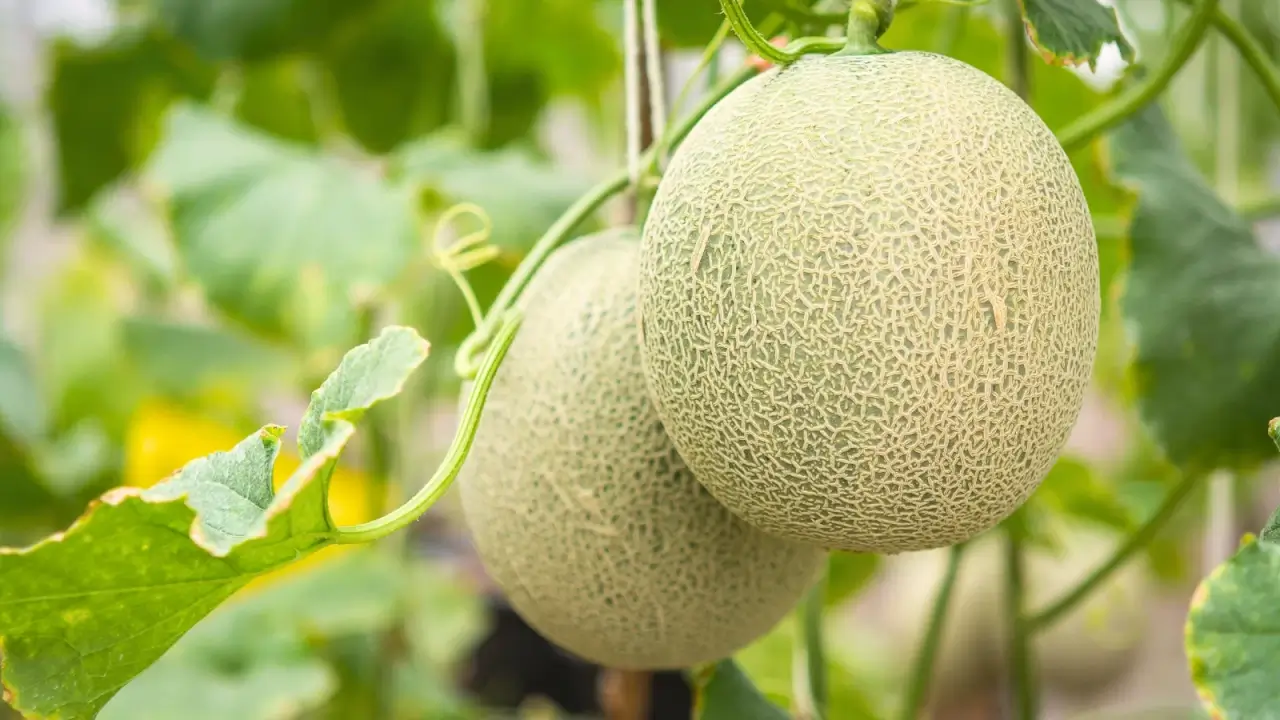
- Melons: Cantaloupe, honeydew, and watermelons should be sown now. They require consistent feeding and, for the best yields, should be provided with ample space to sprawl or climb.
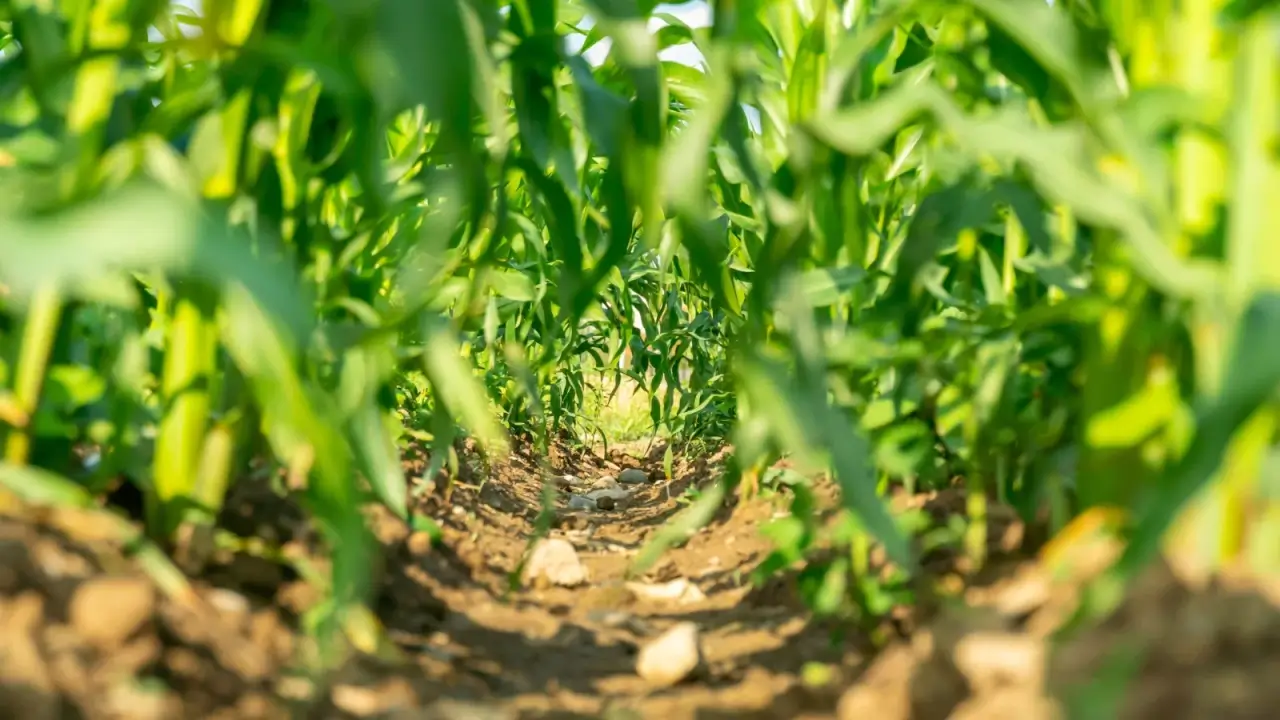
- Corn: For a successful harvest, corn requires at least two and a half months of steady, warm weather. Whether you are planting sweet corn for direct sale, dent corn for processing, or heirloom flint varieties for cultural preservation, now is the time to commit to the season.
Late May: Succession and Specialized Planting
As the month wanes, focus shifts toward maximizing the use of your available land through succession planting.
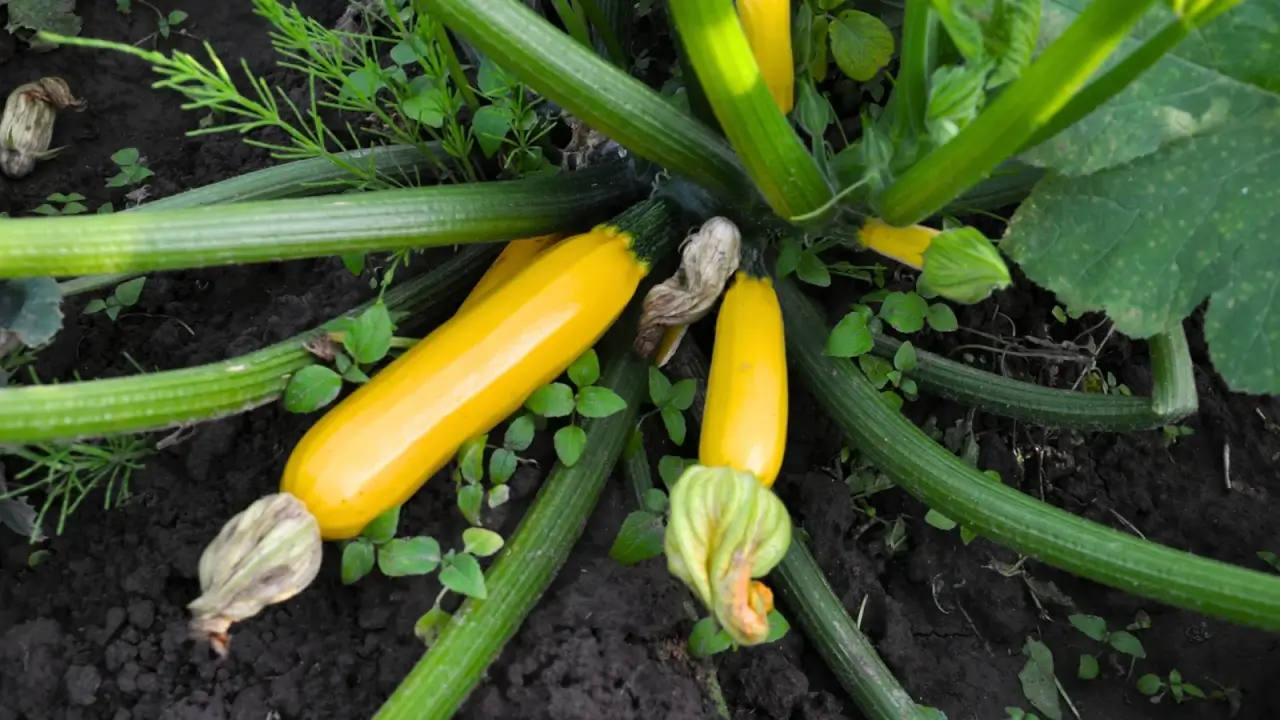
- Summer Squash: If you haven’t already, plant your initial crops. If you have, this is the time for the first succession sowing to ensure a continuous supply until the first autumn frost.
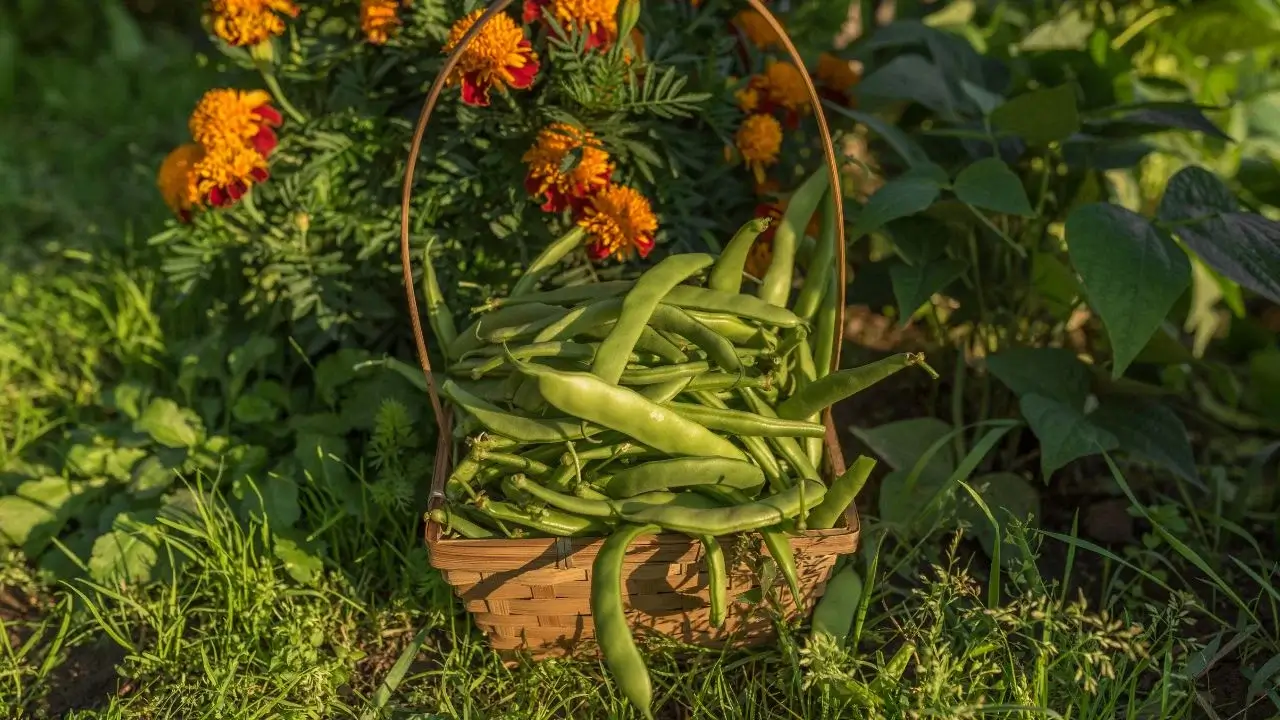
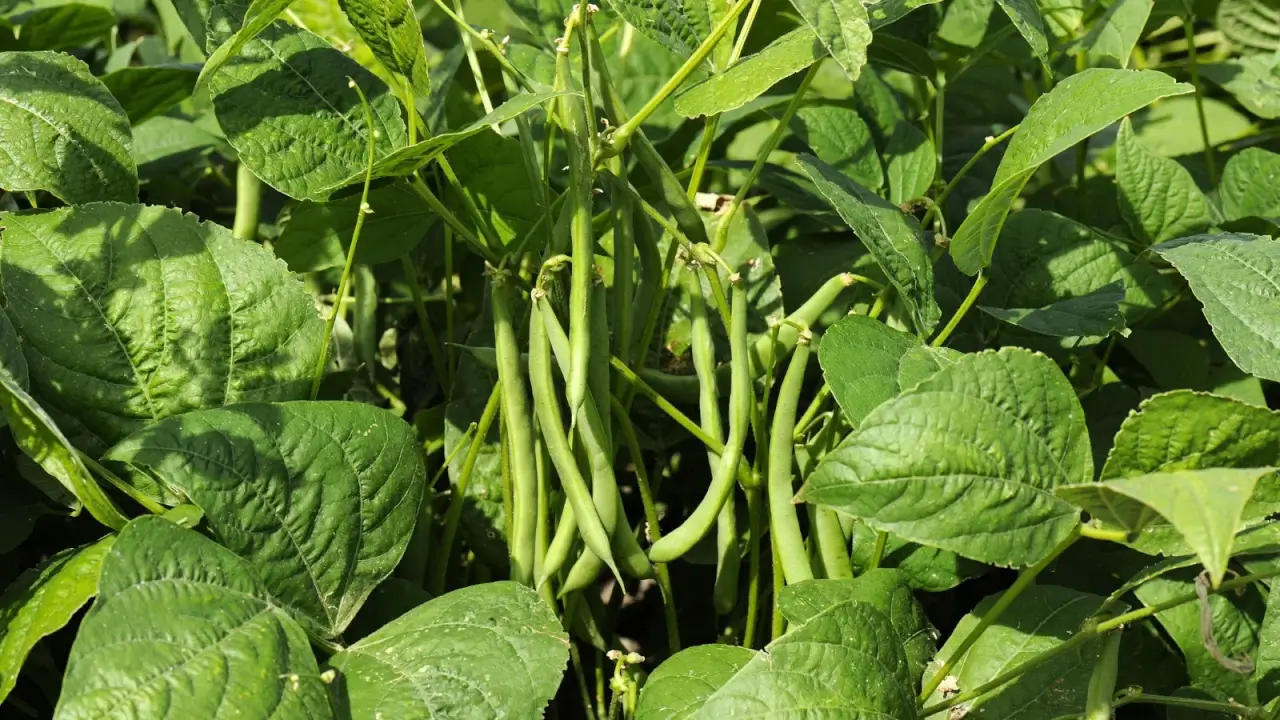
- Beans: Tailor your varieties to your climate. Utilize cool-tolerant fava beans for shorter-season regions, or heat-resilient cowpeas and tepary beans for the arid, high-heat environments of the Southwest.
Supporting Data: Crop-Specific Requirements
Understanding the "Days to Maturity" (DTM) is vital for the modern farmer. Below is a breakdown of the requirements for key May crops:
| Crop | Planting Method | DTM Range | Optimal Temp (°F) |
|---|---|---|---|
| Eggplant | Transplant | 70–90 days | 75–85°F |
| Watermelon | Direct Sow | 80–100 days | 70–90°F |
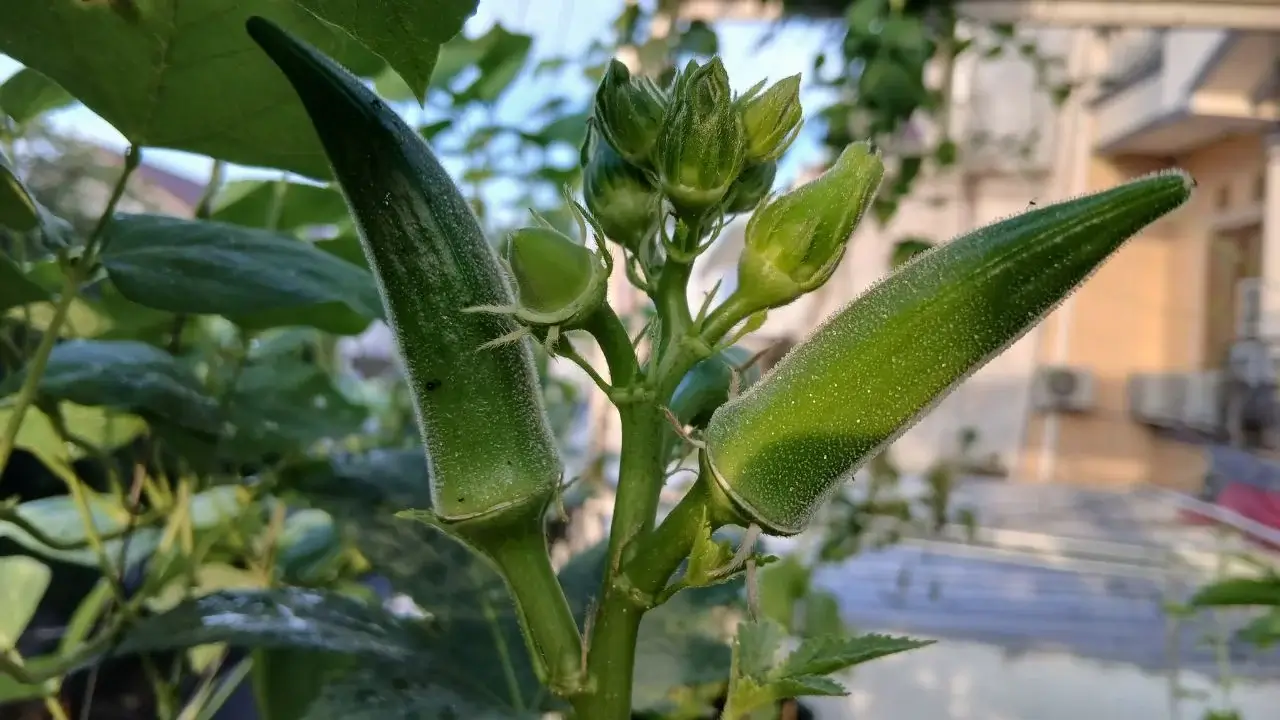
| Okra | Direct Sow | 50–70 days | 80–95°F |
| Sweet Corn | Direct Sow | 65–90 days | 60–85°F |
| Bush Beans | Direct Sow | 45–60 days | 65–80°F |
The Role of Microclimates
Data suggests that coastal farms possess a unique advantage for crops like watermelon, which thrive in the sandy, well-draining soils often found in these areas. The saline-laden air and moderate wind exposure can actually strengthen the vines, provided they are managed correctly. Conversely, rich, organic-heavy soils are better suited for musk melons, which require the higher nutrient density to produce high-sugar fruit.
Official Perspectives: Expert Insights on Cultivation
Agricultural extensions and industry experts emphasize that the "one-size-fits-all" approach to farming is rapidly becoming obsolete. Instead, they advocate for a "varietal selection" model.
For instance, when choosing okra, experts strongly recommend the "Clemson Spineless 80" variety. The traditional spiny okra varieties present a significant labor challenge, often resulting in "picker’s dermatitis" or general fatigue during the harvest season. By selecting spineless cultivars, farmers can increase harvest speed and improve worker safety without sacrificing yield or quality.
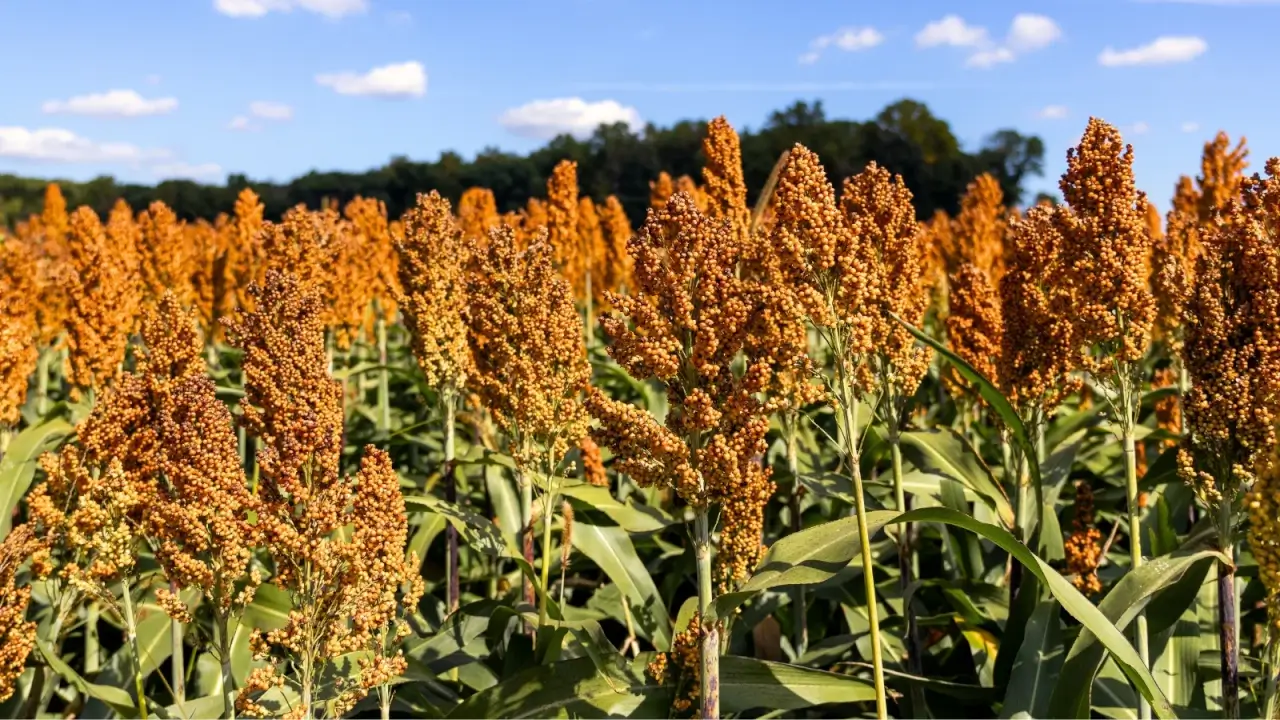
Regarding grain cultivation, the shift toward heritage and climate-adapted grains—such as amaranth, sorghum, and millet—is being hailed as a "resilience strategy." As climate volatility increases, these drought-tolerant and heat-loving grains provide a secure fallback for farmers whose traditional cereal crops might fail during extreme heat events.
Implications: Building a Resilient Food System
The decision-making process in May has far-reaching implications for the entire food system. When a farmer chooses to plant diverse crops, they are not just filling market stalls; they are creating a localized, robust food web.
Biodiversity and Pest Management
Integrating flowers like sunflowers, zinnias, and borage is more than an aesthetic choice—it is a critical pest management strategy. These "pollinator powerhouses" attract beneficial predatory insects, such as lacewings and parasitic wasps, which act as a natural, biological control against the aphids and mites that frequently plague vegetable crops.
Economic Sustainability
By diversifying the farm’s offerings in May, farmers can mitigate the financial risks associated with crop failure. If a specific melon variety struggles due to an unusually wet spring, the resilience of a crop like okra or the hardiness of a late-planted bean patch can balance the ledger.
Cultural Preservation
The inclusion of heirloom and indigenous crops—such as tepary beans or Native American flint corn—is essential for preserving the agricultural heritage of North America. These varieties have been bred over centuries to withstand specific regional stressors. Maintaining these lines ensures that the genetic diversity of our food supply remains intact, providing future generations with the tools they need to face an evolving climate.
Conclusion
May is more than just a date on the calendar; it is a critical juncture that defines the trajectory of the growing season. By carefully selecting varieties that align with regional conditions, managing soil fertility with precision, and embracing the benefits of biodiversity through floral integration, farmers can ensure that their operations are not only productive but also resilient.
As you look out over your fields or garden plots this month, remember that every seed placed in the soil is an investment. Whether you are aiming for the high-volume output of a commercial market or the nuanced quality of a specialized harvest, the success of your autumn bounty begins with the strategic, informed decisions you make today. Plan with purpose, plant with care, and prepare to reap the rewards of a well-executed May strategy.


 Azzam Bilal Chamdy