

 Evan Lee Salim

 Asro
 Asep Darmawan

 Layla Zulfa

 Jia Lissa
 Siti Muinah
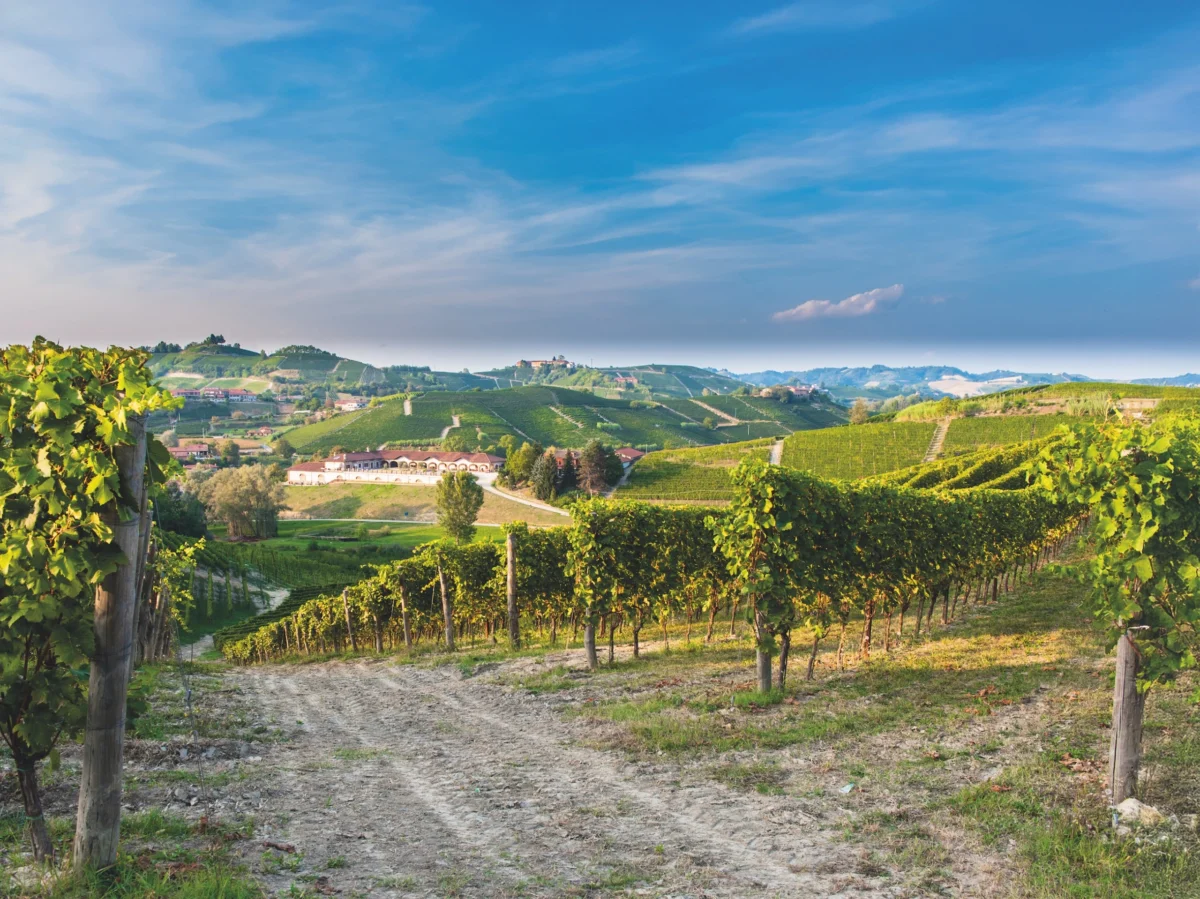
Southern Italy is a land defined by its contrasts. It is a region where the sun-drenched coastlines of the Mediterranean meet rugged, volcanic slopes, and where the echoes of ancient Greek, Roman, and Arab civilizations still permeate the landscape. For the uninitiated wine lover, this part of the Italian peninsula can feel dauntingly complex. Unlike the monolithic, region-defining dominance of Sangiovese in Tuscany or the aristocratic stature of Nebbiolo in Piedmont, the South offers no single, guiding thread. Instead, it provides a sprawling, kaleidoscopic collection of native varieties, each tied to a specific micro-climate, altitude, or historical tradition.
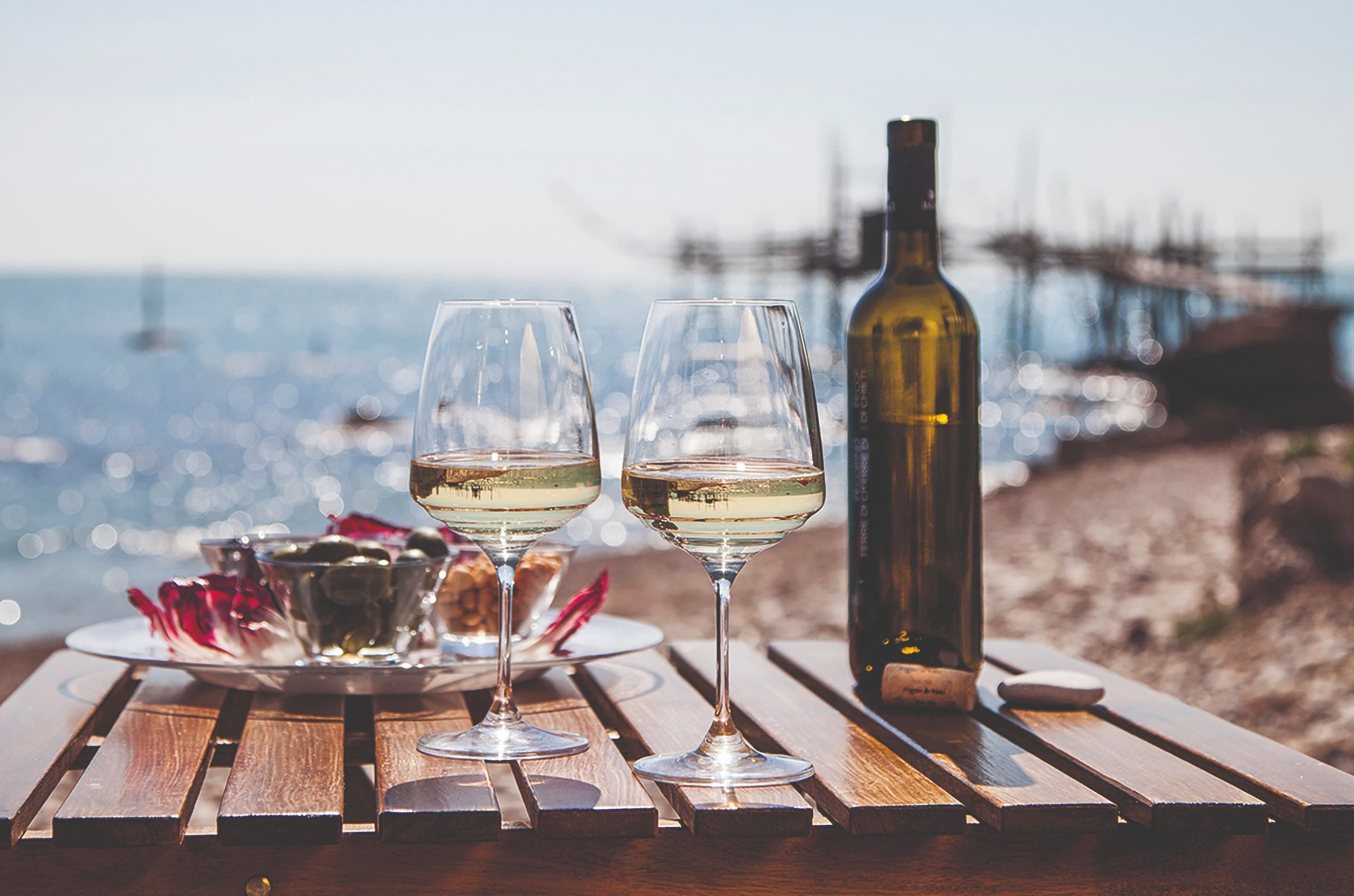
As we look toward the current state of Southern Italian winemaking, we find a region undergoing a profound renaissance—one defined by precision, a rediscovery of indigenous grapes, and a shift toward elegance in a region once stereotyped for producing only bulk, high-alcohol wines.
The Evolution of the Southern Vine: A Chronology of Change
To understand the current vibrancy of Southern Italian wine, one must look at its trajectory over the last half-century.
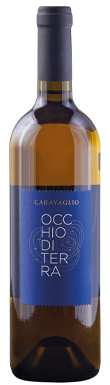
The Era of Quantity (1970s–1990s)
Historically, the South served as the "cellar of Europe," providing massive volumes of blending wine to northern producers and international markets. The focus was overwhelmingly on yield. Varieties like Primitivo and Nero d’Avola were often treated as workhorses, grown in fertile, irrigated plains to produce wines that were simple, jammy, and designed for early consumption.
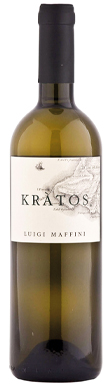
The Quality Pivot (2000s–2015)
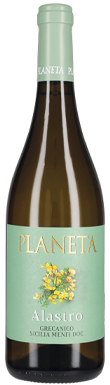
The turn of the millennium saw a seismic shift. A new generation of winemakers, often returning home after training in international wine hubs, began to challenge the status quo. They moved the vines to higher elevations—often onto the volcanic soils of Etna or the limestone hills of Campania—and reduced yields drastically. This era marked the birth of the "premium" Southern wine, with producers like Planeta in Sicily and Feudi di San Gregorio in Campania leading the charge.
The Era of Precision (2016–Present)
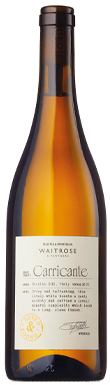
Today, we are in the age of nuance. It is no longer enough to simply make a "good" wine; the focus has shifted to site-specificity. Producers are obsessing over soil composition, clonal selection, and the revival of obscure varieties like Perricone, Verdeca, and Carricante. The market has responded, with international critics now regularly awarding top-tier scores to wines that, two decades ago, would have been considered entirely experimental.
Supporting Data: A Landscape of Diversity
The sheer diversity of the South’s viticultural output is best demonstrated by the wide array of styles currently hitting the market. The following selection highlights the breadth of this regional variety:
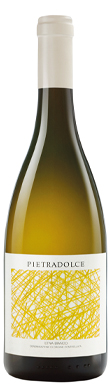
- Volcanic Elegance: On the slopes of Mount Etna, producers like Pietradolce and Tornatore are crafting Carricante and Nerello Mascalese with a tension and mineral backbone that rivals the finest wines of the Old World. These are wines that trade power for finesse.
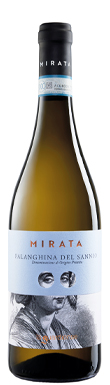
- The Rise of the White: Campania, long famous for the whites of Avellino, is seeing a resurgence in varieties like Falanghina. Producers such as La Guardiense are proving that with careful handling, Falanghina can shed its "simple table wine" reputation to become a complex, age-worthy bottle.
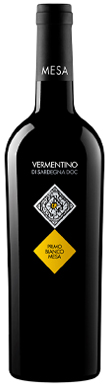
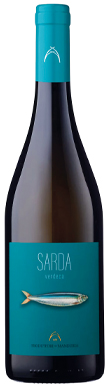
- Sardinian Soul: Often overlooked, Sardinia offers a unique maritime-influenced profile. Cantina Mesa’s Vermentino di Sardegna is a masterclass in savory, saline-driven white wine, while the island’s Cannonau (Grenache) is finding new life in lighter, more vibrant iterations, as seen in the work of Cantina Dorgali.
- The Puglian Frontier: While Primitivo remains the headline act in Puglia, producers are increasingly looking to secondary varieties like Verdeca and Nero di Troia. These grapes offer a refreshing alternative to the heavy, sun-soaked reds the region is known for, providing a "marine-tinged" acidity that is perfectly suited for the modern palate.
Official Perspectives and Industry Trends
Industry experts and sommeliers agree: the primary challenge for Southern Italy is no longer quality, but identity.
"The South suffers from a lack of a single, coherent narrative," notes Jason Millar, a consultant specializing in Italian wines. "While Tuscany has the Chianti Classico brand, the South is a patchwork of DOC and DOCG zones that can be confusing for consumers. However, this is also its greatest strength. It offers a sense of discovery that the more famous regions of the north can no longer provide."
Recent moves by the Consorzi (winemaking consortiums) reflect this. The promotion of Cirò Classico in Calabria to DOCG status in 2025 is a strategic attempt to signal to the global market that these wines are serious, investment-grade bottles. Similarly, the trend toward "lighter" reds—moving away from the syrupy, high-alcohol style of the 90s—is being championed by the younger generation of winemakers in Sicily and Puglia, who recognize that global consumer trends favor freshness and drinkability over sheer extraction.
Implications for the Global Wine Market
What does this mean for the collector and the casual consumer alike?
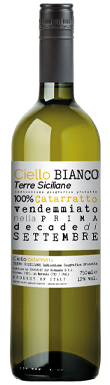
1. Value for Money
Perhaps the most significant implication of this shift is the "value gap." Because the South is still shaking off its historical reputation, consumers can find world-class wines at a fraction of the price of their counterparts in Burgundy or Piedmont. A bottle of high-end Etna Rosso or a refined Salice Salentino often offers complexity and aging potential that would cost three times as much if it originated from a more "prestigious" region.
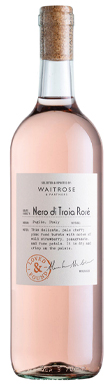
2. Gastronomic Versatility
Southern Italian wines are, by nature, "gastronomic." The prevalence of high acidity and mineral notes in these wines—whether it’s the volcanic saltiness of a Sicilian white or the herbal edge of a Sardinian red—makes them incredibly versatile at the dinner table. They are designed to cut through the richness of Mediterranean cuisine, making them the preferred choice for modern restaurant lists.
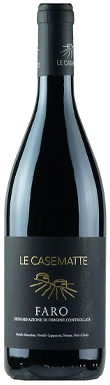
3. Sustainability and Heritage
The shift back to indigenous grapes is a win for biodiversity. By focusing on varieties like Gaglioppo, Perricone, and Verdeca, producers are not only preserving the genetic heritage of the Italian landscape but also working with vines that are often better adapted to the local climate, requiring fewer chemical interventions and less water.
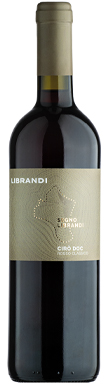
Conclusion: The Path Forward
The complexity of Southern Italy is not a barrier to entry; it is an invitation. As we move deeper into the 2020s, the region is shedding the shackles of its past, replacing volume-based models with a commitment to individual terroir.
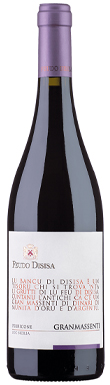
For the consumer, this means the time is ripe to look south. Whether you are seeking the electric tension of an Etna Bianco, the dark, brooding depths of a Calabrian Gaglioppo, or the crisp, ocean-breeze refreshment of a Puglian Verdeca, the South is no longer just the "cellar of Europe." It has become its most exciting laboratory. By embracing the specificities of these regional identities rather than seeking a singular, unifying grape, the wine world is discovering that the true power of Southern Italy lies in its beautiful, unmanageable, and utterly compelling diversity.
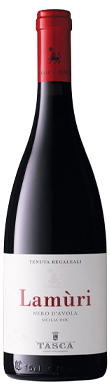
Quick Reference: A Snapshot of Regional Stars
| Region | Key White Grape | Key Red Grape | Current Trend |
|---|---|---|---|
| Sicily | Carricante | Nerello Mascalese | Volcanic minerality |
| Campania | Falanghina | Aglianico | Precision & aging |
| Puglia | Verdeca | Primitivo / Negroamaro | Refinement & balance |
| Sardinia | Vermentino | Cannonau | Maritime freshness |
| Calabria | Greco | Gaglioppo | Elevating historic sites |
As the market continues to evolve, the message is clear: look beyond the labels you recognize and explore the deep, ancient, and increasingly sophisticated world of the Italian South. You will find that the complexity you once feared is, in fact, the very reason to keep pouring.

 Raul Delapena Setiawan

