

 Nana Wu

 Dwi Wanna

 Suro Senen

 Evan Lee Salim

 Rifan Muazin
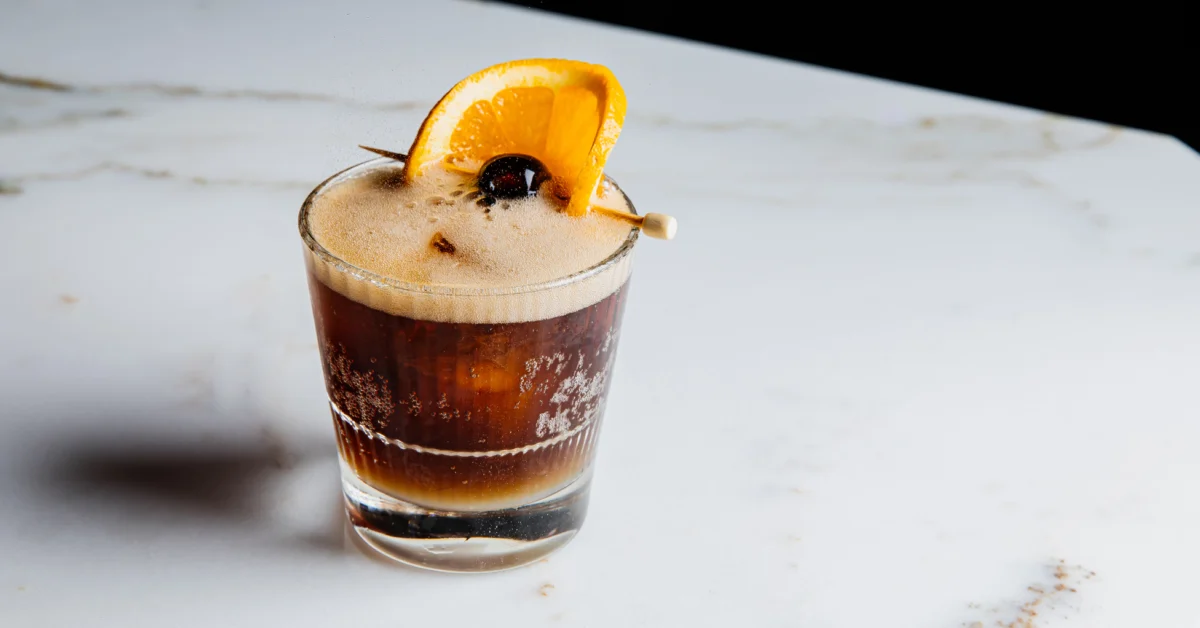
For years, the "mocktail" was the unwanted stepchild of the beverage industry—a sugary, neon-colored afterthought relegated to the bottom of a menu, usually consisting of little more than pineapple juice, grenadine, and a garnish of profound regret. However, the landscape of social drinking has undergone a seismic shift. Today, nonalcoholic (N/A) cocktails have graduated from cloying fruit punches to complex, nuanced, and intentional creations that stand shoulder-to-shoulder with their full-proof counterparts.
Whether you are participating in "Sober October," practicing "Dry January," or simply seeking a sophisticated drink that happens to be spirit-free, the modern bar scene has finally caught up with demand. The stigma once attached to the term "mocktail" has evaporated, replaced by a culture of craftsmanship that treats N/A ingredients with the same reverence as aged spirits or artisanal bitters.
The Main Facts: A Paradigm Shift in Drinking
The rise of the N/A movement is not merely a trend driven by temporary abstinence; it is a fundamental restructuring of the hospitality industry. As consumer preferences shift toward wellness and mindful consumption, the industry has responded by prioritizing flavor, mouthfeel, and ritual—the three pillars of a great cocktail—without the necessity of ethanol.

Gone are the days when a non-drinker was limited to soda water with a lime wedge. The current N/A market is defined by:
- Botanical Complexity: Using distillates, macerations, and infusions to mimic the bite and body of spirits.
- Culinary Integration: Borrowing techniques from the kitchen, such as fermentation, clarification, and the use of savory aromatics like berbere spice or coconut aminos.
- The Ritual of Presentation: Recognizing that a drink is an experience. If it looks, smells, and feels like a celebration, the alcohol becomes secondary to the social connection.
A Chronology of the Spirit-Free Movement
To understand where we are, one must look at how we arrived here. The trajectory of the N/A movement can be categorized into three distinct eras.
The Dark Ages (Pre-2015)
In this era, the "virgin" drink was a utility, not a culinary pursuit. It was designed to keep designated drivers and non-drinkers hydrated, but rarely satisfied. The menu item was often hidden, and bartenders were rarely trained in the chemistry of balancing N/A components.

The Rise of the Alternative Spirit (2015–2020)
The introduction of distilled nonalcoholic spirits (like Seedlip) changed the game. Suddenly, bars had a "base" to work with. This period saw a scramble to replicate classic cocktails. The focus was on mimicry—how closely could a N/A Negroni resemble the original? While successful in creating recognizable profiles, this era was still somewhat tethered to the "cocktail orthodoxy" that John deBary, a noted bartender and author, suggests we are now moving beyond.
The Post-Orthodoxy Era (2020–Present)
We have entered a phase where N/A drinks are no longer just "copies." Bartenders are now "breaking free from the familiar beats" of traditional cocktail structures. They are creating entirely new flavor profiles that don’t need to apologize for lacking gin or whiskey. They are building drinks around spice, texture, and acidity, resulting in beverages that are as innovative as any craft cocktail.
Supporting Data: Why the Shift is Permanent
The growth of the N/A category is supported by robust consumer data. Market research consistently shows that younger demographics—specifically Gen Z and Millennials—are consuming alcohol at lower rates than previous generations.

- Mindful Consumption: Over 60% of consumers report wanting to improve their physical health, leading to a "sober-curious" lifestyle.
- Economic Viability: The premiumization of N/A spirits has allowed bars to charge prices comparable to alcoholic cocktails, turning what was once a "free" add-on into a high-margin revenue stream.
- Ingredient Innovation: The shelf-life and stability of modern N/A ingredients (bitters, shrubs, and vinegar-based infusions) have made it operationally feasible for bars to maintain a deep N/A menu.
Official Perspectives: The Philosophy of the "New Drink"
Leading figures in the industry, such as John deBary, argue that the most exciting work in mixology is currently happening in the N/A space. The limitation of having no alcohol forces a bartender to look elsewhere for depth.
"Breaking free from the familiar," as deBary puts it, involves utilizing ingredients that would have been considered "too weird" for a standard bar program ten years ago. For instance, the Mad World cocktail uses berbere spice to introduce a savory, earthy heat that lingers on the palate—a sensation that provides the "burn" usually associated with high-proof spirits.
Similarly, the Flor and Flo.0 cocktail highlights the use of savory, umami-heavy profiles that satisfy the palate in a way that sweet, fruity juices never could. This is not about substitution; it is about architectural beverage design.

Notable Recipes: The New Vanguard
To appreciate this shift, one must look at the specific ingredients currently defining the movement:
- The Savory Approach (Chinotto Fizz): Utilizing coconut aminos provides a depth of salt and umami that balances the bitterness of chinotto, creating a refreshing, complex long drink.
- The Acidic Kick (Sound & Fury): By using habanero-infused vinegar, mixologists create an immediate, tactile response on the tongue, satisfying the craving for the "bite" of alcohol.
- The Textural Marvel (Puppy Pose): This zero-proof milk punch utilizes probiotic yogurt for clarification, resulting in a velvety mouthfeel that mimics the luxurious weight of a cream-based cocktail.
- The Functional Twist (Dawn Patrol): This riff on an Arnold Palmer uses N/A bitters and turmeric syrup, moving the drink into the realm of functional wellness while maintaining the classic, drinkable structure of the original.
- The Beer-Alternative (N/A Spaghett): A refinement of the classic beer spritz, using high-quality N/A beer to provide the crisp, effervescent base that defines a great summer cooler.
Implications for the Future of Hospitality
The rise of the high-end N/A cocktail has profound implications for the future of social life and the service industry.
For the Consumer
The social anxiety of "what to order when you aren’t drinking" is rapidly disappearing. Being a non-drinker is no longer a conversation-stopper or an admission of health issues; it is a lifestyle choice that is being catered to with the same level of hospitality as any other preference.

For the Industry
Bars that ignore the N/A movement are losing a significant segment of the market. The expectation for a "third space"—a place to socialize without the necessity of intoxication—is growing. The most successful establishments of the next decade will be those that view their N/A menu with the same rigor as their cocktail list. This means training staff to understand the flavor profiles of non-alcoholic distillates, syrups, and infusions, and ensuring that the presentation—glassware, ice, and garnish—is as elevated as the liquid itself.
The End of "Mocktail"
Perhaps the most significant implication is the death of the word "mocktail." The term carries the baggage of being a "fake" or "imitation." As the industry moves toward terms like "zero-proof," "spirit-free," or simply "N/A cocktails," the industry is signaling that these drinks possess their own merit. They are not trying to be a whiskey sour or a gin and tonic; they are trying to be a delicious, considered, and memorable beverage experience.
As we continue through the 2020s, the boundary between "the drink" and "the non-alcoholic drink" will continue to blur. The true mark of success for a bartender will be the ability to create a drink that is so balanced, so complex, and so satisfying that the presence—or absence—of alcohol becomes an entirely secondary detail.

Whether you are looking for the savory bite of a spiced soda, the clarified elegance of a milk-washed tea, or the refreshing acidity of a craft shrub, the current landscape offers more variety and creativity than at any point in history. The cocktail, in all its forms, is evolving—and the result is a better, more inclusive experience for everyone at the bar.

 Basiran

