

 Jia Lissa

 Raul Delapena Setiawan

 Asro

 Layla Zulfa

 Sagoh
 Reynand Wu
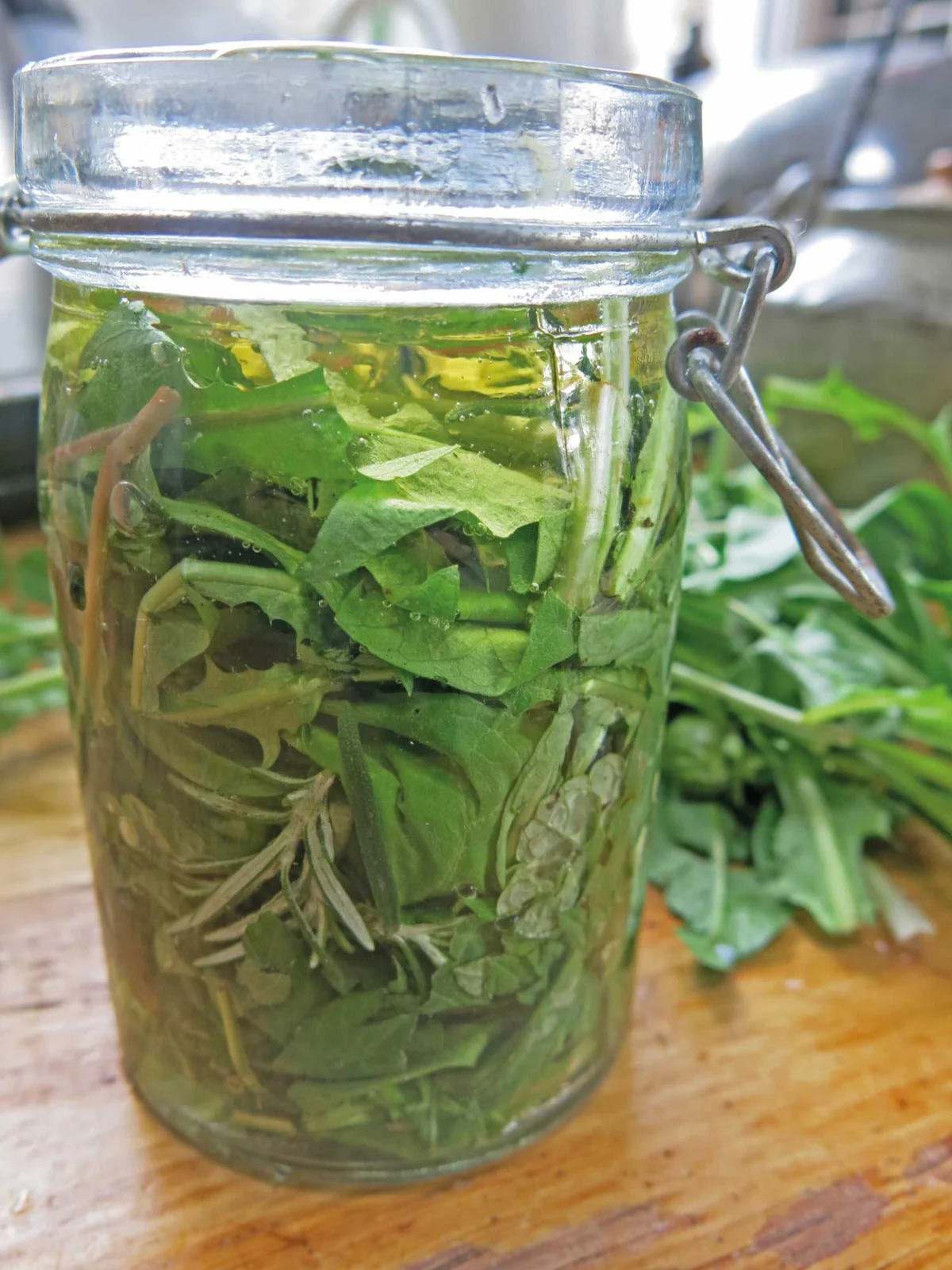
As the Earth tilts toward the Spring Equinox, the world undergoes a profound metamorphosis. After the dormant, introspective months of winter, the landscape erupts in a vibrant tapestry of green. This shift is not merely aesthetic; it is a biological call to action. The re-emergence of sunlight signals a period of rapid growth in nature, mirroring the surge of energy, hope, and vitality that many humans experience during this transition.
For those attuned to the rhythms of the natural world, spring offers more than just a change in weather—it provides a plentiful, nutrient-dense herbal harvest that is essential for cleansing and rejuvenating the body after a sedentary winter. By integrating the "superfood" greens found in our own backyards and parks, we can tap into a sustainable, zero-mile health revolution.
The Science of the Spring Harvest
The vitality of new-growth leaves is unparalleled. As plants push through the thawing soil, they are brimming with phytonutrients, concentrated minerals, and the potent energy of the sun. These young leaves are the Earth’s natural tonic, specifically designed to support the body’s lymphatic and urinary systems, while aiding in the vital process of remineralization.
Chlorophyll: The Life-Blood of Plants
At the heart of this botanical power is chlorophyll, the pigment responsible for the verdant hues of spring. Chlorophyll is more than a simple colorant; it is the engine of photosynthesis, allowing plants to synthesize energy from light. Remarkably, the molecular structure of chlorophyll shares a striking resemblance to haem—the core component of human haemoglobin.
When consumed, chlorophyll is believed to facilitate improved oxygen transport within the human body. This enhancement in oxygenation is a cornerstone of metabolic health, fostering increased vitality and stamina. By harvesting these greens, we are essentially consuming concentrated solar energy in a form that our bodies can readily utilize.
Chronology of a Botanical Tradition
The use of acidic mediums to preserve and extract the medicinal properties of plants is an ancient practice. The term "vinegar" derives from the French vin aigre, or "sour wine," a testament to its origins in fermentation.
- Ancient Foundations (460–377 BCE): Hippocrates, the father of modern medicine, championed the use of vinegar as a potent therapeutic agent. He utilized it both internally for respiratory ailments and externally as an antiseptic for cleaning wounds and treating skin ulcerations.
- The Medieval Apothecary: Throughout the Middle Ages, vinegar infusions became a staple of herbal medicine, valued for their ability to draw out minerals and active compounds from fresh vegetation that would otherwise remain locked within the plant’s cellular structure.
- The Modern Resurgence: Today, the "Seed SistAs"—a trio of sensory herbalists consisting of Karen Lawton, Fiona Heckels, and Belle Benfield—are reviving these practices. By blending clinical herbalism with traditional wisdom, they advocate for the empowerment that comes with foraging and self-sufficient healthcare.
Supporting Data: Why "Superfoods" Grow in Your Garden
In contemporary marketing, the term "superfood" is frequently applied to exotic, expensive imports like goji berries or chia seeds. However, nutritional science suggests that the true superfoods are often the "weeds" under our feet.
Leafy spring greens—such as dandelion, nettle, and cleavers—possess a nutrient density that rivals any tropical export. Because they are harvested locally, they avoid the carbon footprint of global shipping. Furthermore, the act of foraging provides a psychological benefit, reconnecting individuals with the seasonal cycles of their local ecosystem.
Combating Osteoporosis through Mineral Extraction
The threat of osteoporosis, which affects one in three women and one in five men, is a significant public health concern. As bone density decreases, the risk of fractures rises. While many look to supplements, the bioavailability of minerals in whole foods is often superior.
Vinegar acts as a chemical catalyst in the kitchen. When applied to greens, the acidity of the vinegar breaks down the plant matrix, making calcium and other essential minerals more readily available for human metabolism. Adding a therapeutic dose—roughly two tablespoons daily—to mineral-rich greens like kale, broccoli, or wild-foraged dandelion can significantly bolster bone health over time.
Implications for Health and Sustainability
The shift toward foraging-based nutrition has profound implications for both individual health and ecological awareness.
- Metabolic Efficiency: Regular consumption of herbal vinegars helps regulate blood pressure, improve skin tone, and support metabolic functioning, providing a natural alternative to synthetic dietary supplements.
- Environmental Autonomy: By sourcing nutrients from local parks and gardens, individuals reduce their reliance on industrial food systems. This fosters a sense of "health sovereignty," where the individual is no longer a passive consumer but an active participant in their own wellness.
- Preventative Medicine: The use of spring tonics serves as a preventative measure against seasonal issues. For instance, the use of stinging nettle (Urtica spp.) is highly regarded for its antihistamine properties, potentially mitigating the severity of hay fever before the peak pollen season arrives.
Expert Insight: The Seed SistAs’ Philosophy
The Seed SistAs emphasize that herbal medicine should be accessible, ritualistic, and deeply personal. Their approach combines the clinical rigor of medical training with a reverence for the plant’s life cycle. They argue that when we harvest a plant, we are entering into a relationship with it—a process that is as much about the spirit as it is about the chemistry.
The Spring Herbal Vinegar Recipe
To implement these health benefits, one can easily craft a "Spring Tonic Vinegar" at home.
The Essentials:
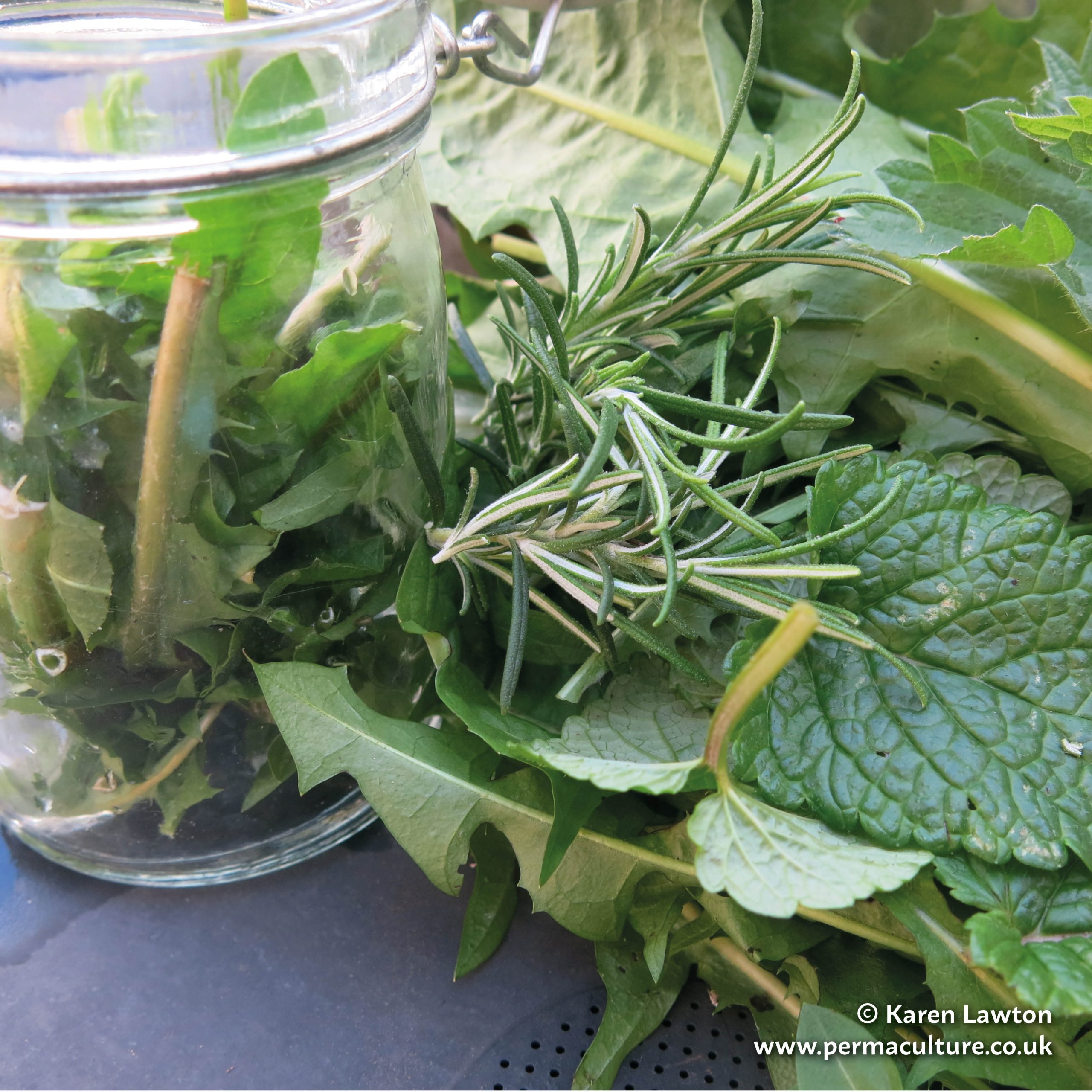
- Foraged Greens: Focus on Dandelion (Taraxacum officinale) for kidney support, Cleavers (Galium aparine) for lymphatic cleansing, and Nettle (Urtica spp.) for iron and allergy support.
- The Base: Organic raw apple cider vinegar.
- Equipment: A clean jam jar (ensure it has a plastic lid, as vinegar corrodes metal).
The Methodology:
- Harvest: Select clean, lush greens from an area free of pollutants or pesticides.
- Prep: Finely chop the greens to maximize the surface area for extraction.
- Infuse: Pack the jar tightly with the herbs and submerge them completely in the apple cider vinegar.
- Cure: Seal the jar and store it in a cool, dark place for at least two weeks.
- Label: Always document the date and the specific herbs included for future reference.
Incorporating the Tonic into Daily Life
The versatility of herbal vinegar is vast. It is not merely a medicine; it is a culinary ingredient that elevates the nutritional profile of every meal.
- The Morning Ritual: A tablespoon of herbal vinegar in a glass of warm water, perhaps sweetened with molasses (to add iron), provides a hydrating, mineral-rich start to the day.
- Culinary Applications: Use the vinegar as a base for salad dressings, blending it with high-quality olive oil and mustard. It can also be drizzled over beans, grains, or used to season stir-fries and soups, adding a bright, acidic complexity that masks the medicinal nature of the herbs while delivering their full benefits.
Conclusion: A Return to the Earth
As we move through the spring, we are presented with an invitation to engage with the natural world in a way that is both restorative and radical. The "Spring Equinox" is more than a celestial event; it is a time for the body to align with the outward-moving, revitalizing energy of the earth.
By embracing the wisdom of ancient traditions and the accessibility of local foraging, we can transform our diets from simple sustenance into a source of profound healing. We are reminded that the solutions to many of our modern health challenges are not found in exotic, high-priced markets, but in the green, mineral-rich leaves that emerge faithfully every spring, waiting to be harvested, understood, and enjoyed.


 Ammar Sabilarrohman
