

 Nana Wu

 Dwi Wanna

 Suro Senen

 Evan Lee Salim

 Asep Darmawan
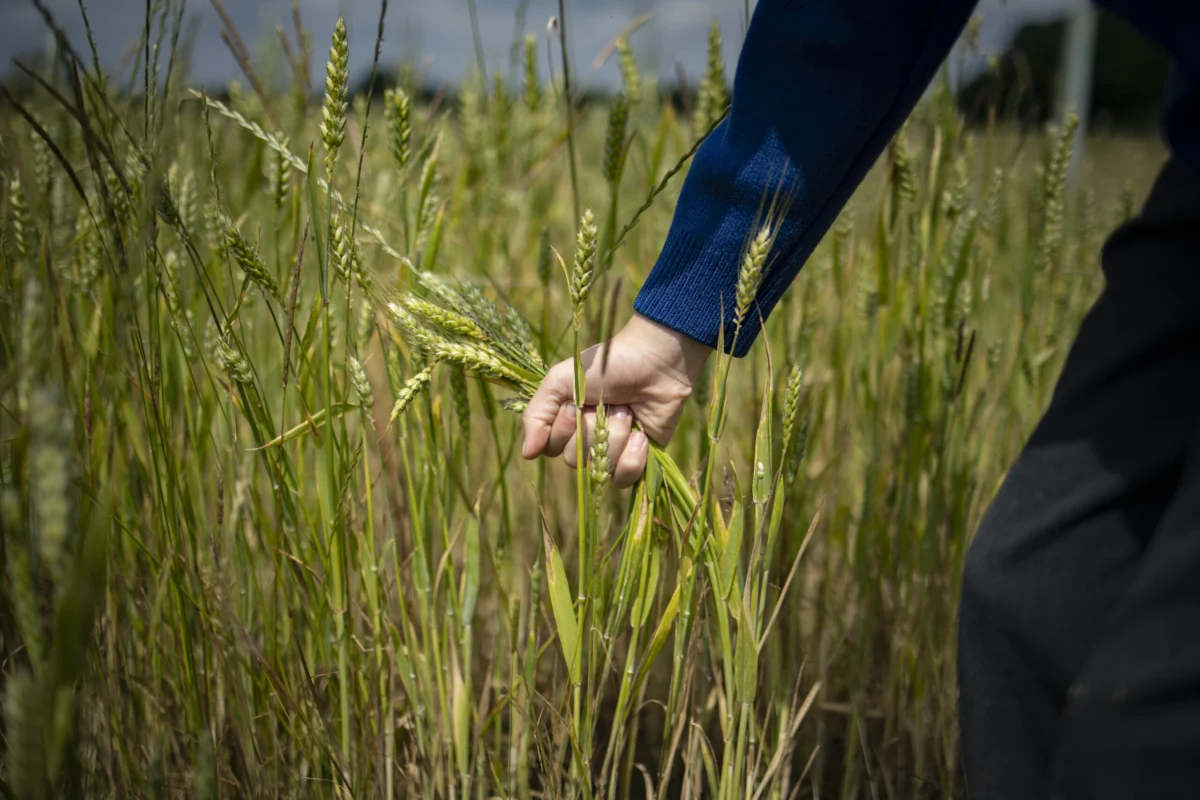
For decades, the discourse surrounding sustainable farming has been dominated by a checklist approach. Farmers were told to plant cover crops, reduce tillage, and integrate livestock to earn the "regenerative" badge. However, a seismic shift is underway in the global agrifood sector. Led by the Regen10 initiative and supported by insights from the Global Farm Metric (GFM), the industry is moving away from prescriptive checklists toward a sophisticated, outcome-based framework.
Olivia Boothman, Projects Manager at the Global Farm Metric, argues that this evolution is not just a semantic update—it is the essential key to unlocking the true potential of our global food systems.
Main Facts: Redefining Regeneration
Regenerative agriculture is no longer being defined by what a farmer does, but by what the land delivers. The newly launched Regen10 Outcomes Framework represents the first globally co-developed attempt to standardize success across diverse agricultural landscapes.
At its core, the framework posits that while principles (such as soil health and biodiversity) are excellent guiding stars, they are not universal recipes. Because every farm is a unique ecosystem—shaped by centuries of land-use history, local micro-climates, and socio-economic pressures—a "one-size-fits-all" approach to practice is often counterproductive. The Regen10 framework seeks to unify the global community by aligning farmers, businesses, and policymakers on what "success" actually looks like, regardless of the specific techniques employed to reach it.
A Personal Evolution: From Farm Vet to Systems Thinker
The shift toward outcomes is best illustrated through the professional journey of Olivia Boothman. In 2020, as a working farm vet in Cornwall, England, the term "regenerative agriculture" was not part of her vocabulary.
Chronology of a Paradigm Shift:
- Early 2020: The COVID-19 pandemic exposes the fragility of global supply chains. As supermarket shelves sit empty, Boothman witnesses a surge in local food resilience, with Cornish farmers stepping up to feed their communities directly.
- Winter 2020-2021: While on call, Boothman begins an intensive period of self-study, moving beyond animal medicine to understand the holistic mechanics of soil health (the 4per1000 initiative) and community-supported agriculture.
- 2021-2022: As a Masters student, she attends the Groundswell Festival. While scribbling down the "five principles of regenerative agriculture," she realizes that these principles are mere tools, not the goal itself.
- Present Day: As part of the Global Farm Metric team, Boothman helps steward the Regen10 framework, moving the conversation from "what are you doing?" to "what are you achieving?"
The Limitations of Principles vs. The Power of Outcomes
To understand why this shift is necessary, one must recognize the reality of the "blank canvas" fallacy. Many agricultural sustainability programs operate as if every farm is a pristine, neutral space. In reality, every farm is a complex, evolving, living system.
The Case for Context-Specific Management
Consider a mixed farm in a region prone to severe drought. If a standard "regenerative" protocol mandates permanent ground cover, that farmer might actually exacerbate water scarcity by increasing competition for moisture. Conversely, in a region with high erosion risk, that same practice would be essential.
An outcome-based approach grants farmers the agency to act as stewards rather than technicians. It asks them to prioritize:
- Ecological Health: Is soil carbon increasing? Is the farm supporting local biodiversity?
- Social Prosperity: Are farm livelihoods sustainable? Is the community benefiting from the food produced?
- Climate Resilience: How is the land performing in the face of extreme weather events?
By focusing on these metrics, we move away from "prescriptive farming" and toward "adaptive management."
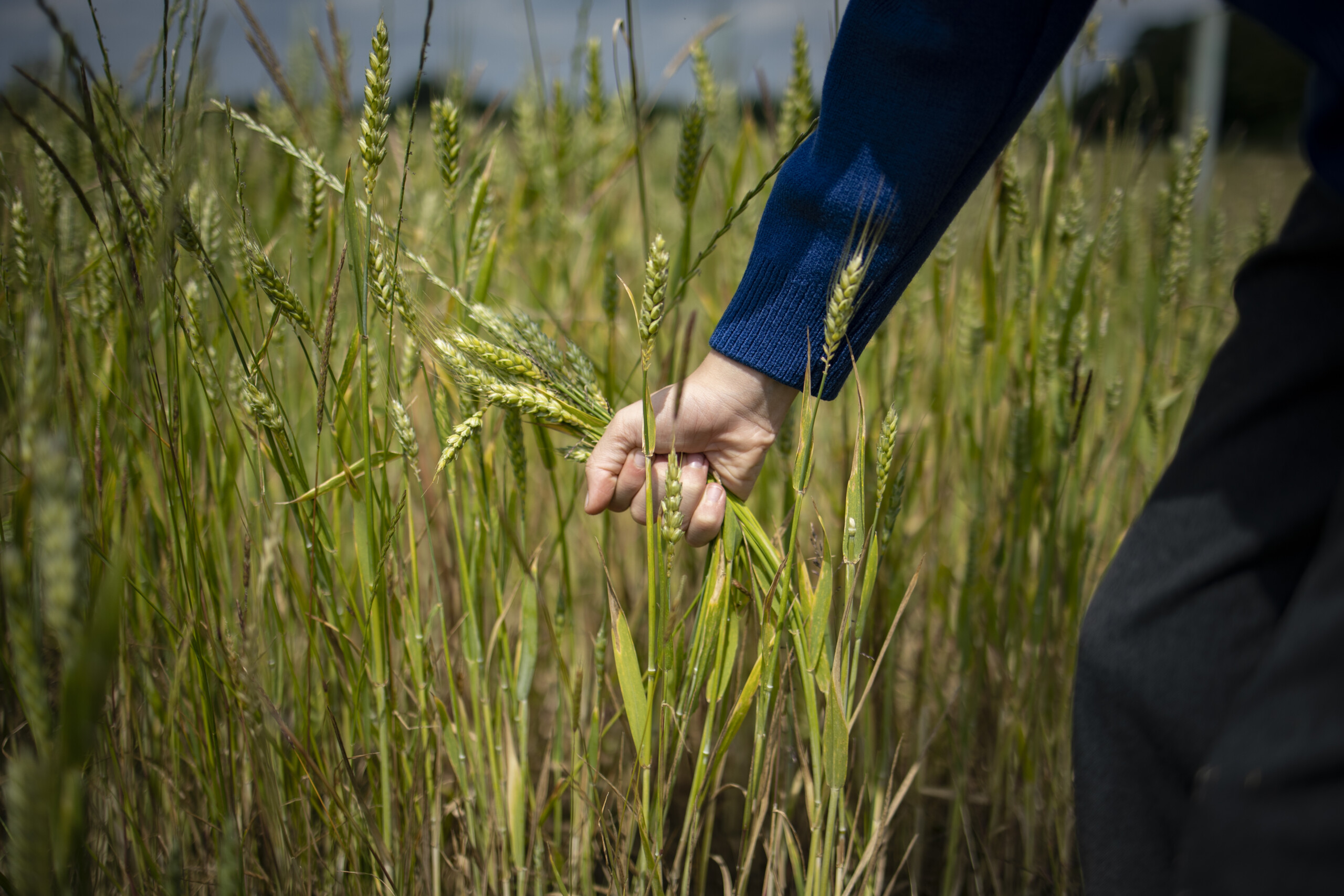
Supporting Data and The Regen10 Framework
The Regen10 Outcomes Framework is not a top-down mandate; it is a consensus-based tool. It draws its strength from the Global Farm Metric (GFM), which provides a common language for measuring farm performance.
The framework was developed through extensive consultations with:
- Indigenous Peoples’ organizations.
- Conservation groups and NGOs.
- Corporate stakeholders in the agrifood supply chain.
- Global farmer organizations.
This collaboration is vital because the biggest hurdle in the transition to sustainable food systems has historically been the lack of a shared definition of success. Just as the Sustainable Development Goals (SDGs) created a common vocabulary for international development, the Regen10 framework allows a retail conglomerate, a government policy maker, and a smallholder farmer in the Global South to speak the same language regarding what a "regenerative" outcome entails.
Official Responses and Industry Implications
The industry reaction to the outcomes-based approach has been overwhelmingly positive, particularly from those who felt the previous "checklist" models were exclusionary or overly Western-centric.
"If we treat regeneration as a fixed state, we miss the point," notes the Regen10 mission statement. "Regeneration is a continuous process of improvement."
Implications for the Future
- Investment and Accountability: For institutional investors and banks, outcome-based frameworks provide a more reliable metric for environmental, social, and governance (ESG) reporting. It is easier to measure a trajectory of soil health improvement than to track a checklist of compliance actions.
- Policy Shifts: Policymakers are beginning to see that subsidies should be linked to verified ecological and social outcomes rather than specific management practices. This allows for more flexible, effective use of public funds.
- Community Reconnection: By including social and community health as core outcomes, the framework forces the industry to look beyond the soil and toward the people who grow the food.
Conclusion: A New Era for Land Stewardship
The transition to an outcome-based understanding of agriculture is perhaps the most significant development in modern food policy. It acknowledges that while the principles of regenerative farming are universal, the application must be local.
By focusing on the results—the health of the soil, the vitality of the local ecosystem, and the prosperity of the farming community—we move away from the reductive view of farming as a manufacturing process. Instead, we embrace it for what it truly is: the stewardship of culture, ecology, and our collective future.
As Olivia Boothman reflects, the dream that first inspired her—that farming could restore nature while feeding the world—is no longer a distant ideal. Through the Regen10 Outcomes Framework, it is becoming a measurable, actionable reality. The question is no longer whether we can regenerate our food system, but how quickly we can align our metrics to support the farmers already doing the hard work on the ground.
For more information on the standards and to explore the framework, visit Regen10 and the Global Farm Metric.

 Nila Kartika Wati
 Layla Zulfa

