

 Nana Wu

 Dwi Wanna

 Suro Senen

 Evan Lee Salim

 Iffa Jayyana
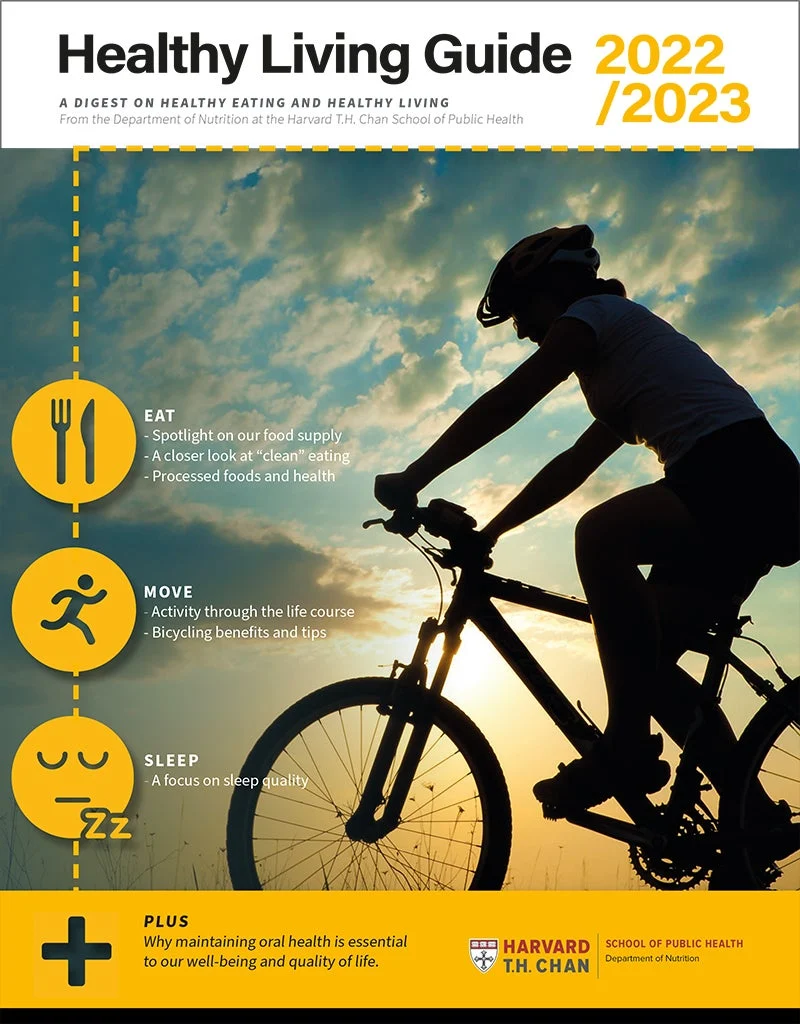
As we navigate the complexities of the 21st-century food landscape, the intersection of nutrition, public policy, and environmental sustainability has never been more critical. Throughout 2022, global and domestic conversations regarding food security reached a fever pitch, culminating in landmark initiatives that seek to reshape how we eat, how we farm, and how we view health at a systemic level. Central to this shift is the release of the latest Healthy Living Guide by the Harvard T.H. Chan School of Public Health, which serves as both a roadmap for individual wellness and a critique of the current policy trajectory.
Main Facts: The State of Nutrition in 2022
The cornerstone of the past year’s nutritional discourse was the White House Conference on Hunger, Nutrition, and Health. This historic summit—the first of its kind since the seminal 1969 conference—set an ambitious, albeit daunting, goal: to eliminate hunger and reduce diet-related diseases in the United States by 2030.
The national strategy emerging from this summit focuses on five pillars:
- Improving food access and affordability to ensure no household goes without nutrition.
- Integrating nutrition and health by treating food as medicine.
- Empowering consumers to make informed, healthy choices.
- Supporting physical activity to combat sedentary lifestyles.
- Enhancing nutrition and food security research to drive future policy.
While these goals represent a significant step forward, experts from the Department of Nutrition at Harvard emphasize that the strategy is only as strong as its implementation. The challenge lies in transitioning from broad aspirational goals to granular, actionable policies that address the root causes of food insecurity, which include poverty, systemic inequities, and a food system often misaligned with ecological health.
Chronology: A Year of Nutritional Advocacy
The narrative of 2022 was defined by a series of events that pushed nutrition to the forefront of the political agenda:
- January 2022: Public health experts began calling for a more holistic approach to the "syndemic" of obesity, undernutrition, and climate change.
- May 2022: Preparatory panels for the White House Conference commenced, highlighting the stark disparities in nutritional health across different socioeconomic demographics.
- September 2022: The White House Conference on Hunger, Nutrition, and Health took place in Washington, D.C. The administration announced a $8 billion commitment from various public and private stakeholders.
- October–December 2022: Academic scrutiny began in earnest. Leading researchers, including Drs. Frank Hu, Walter Willett, and Lilian Cheung, published critical reflections on the conference, pointing out that while the funding was substantial, the structural changes were arguably insufficient.
- January 2023: The release of the Healthy Living Guide (2022-2023 edition) provided a synthesis of these developments, offering consumers a bridge between the high-level policy debates and the practical, day-to-day choices that define individual health.
Supporting Data: The Gaps in the Strategy
To understand the urgency, one must look at the data. Despite advancements in medical technology, the U.S. continues to struggle with chronic, diet-related conditions. According to the Centers for Disease Control and Prevention (CDC), nearly half of all American adults suffer from at least one preventable chronic disease, many of which are linked to poor diet.
The Harvard Department of Nutrition, in its analysis of the 2022 National Strategy, highlighted several "missing links":
- Marketing Vulnerability: Despite clear evidence that the marketing of ultra-processed foods contributes to childhood obesity, the national strategy lacks robust federal protections to curb predatory marketing directed at youth.
- Climate Change Mitigation: The strategy remains largely silent on the role of the food system in accelerating climate change. With industrial agriculture accounting for a significant portion of global greenhouse gas emissions, critics argue that a "healthy" diet cannot exist on an "unhealthy" planet.
- Supply Chain Inequities: While the strategy addresses access, it often neglects the structural imbalances in food production—specifically the subsidies that prioritize commodity crops (like corn and soy for feed) over nutrient-dense produce.
Official Responses and Expert Analysis
The response from the scientific community has been one of "guarded optimism." Drs. Frank Hu, Walter Willett, and Lilian Cheung have been particularly vocal in their critique. In their collective reflection, they noted that the administration’s plan is a commendable start, but it lacks the legislative teeth necessary to force meaningful change in the private sector.
"To have a significant impact," they wrote, "the administration must bring together the public and private sectors, along with philanthropists, academia, and individuals to develop truly sustainable food systems that support both public and planetary health."
The consensus among these experts is that the government cannot solve the hunger crisis through assistance programs alone. Instead, they argue for a fundamental restructuring of the food system. This involves shifting agricultural incentives to reward regenerative farming practices, strengthening school nutrition standards, and mandating transparent food labeling that reflects not just calorie content, but environmental impact and processing levels.
Implications for the Future: A Holistic Approach
The implications of these developments are twofold: policy-level shifts and individual empowerment.
The Macro View: Policy and Systems
For policy-makers, the challenge is to bridge the gap between "enough food" and "optimal food." The current strategy is effective at addressing caloric deficits (hunger), but it is less effective at addressing nutrient deficits (hidden hunger). Future policies must focus on:
- Medically Tailored Meals: Expanding Medicare and Medicaid to cover diets designed by registered dietitians for patients with chronic illnesses.
- Environmental Policy: Aligning the Dietary Guidelines for Americans with environmental sustainability goals to reduce the carbon footprint of the national diet.
- Corporate Accountability: Implementing stricter regulations on the food industry regarding sugar, sodium, and trans-fat content.
The Micro View: Individual Action
For the average citizen, the overwhelming nature of these systemic issues can lead to "wellness fatigue." However, the Healthy Living Guide suggests that small, consistent changes are the most sustainable pathway to long-term health.
Key takeaways for individuals in 2023 include:
- Prioritizing Whole Foods: Minimizing reliance on ultra-processed, convenience-based items.
- Conscious Consumption: Considering the environmental impact of food choices, such as reducing meat consumption and supporting local agriculture.
- Advocacy: Engaging in local food policy councils to push for better food environments in schools and workplaces.
Conclusion: Small Changes, Large Impact
The path forward is not a single, monolithic policy, but a mosaic of actions taken at every level of society. As we look toward 2030, the goal of ending hunger and improving health remains an achievable target, provided we remain critical of the systems that influence our choices.
The Harvard Healthy Living Guide stands as an essential resource in this endeavor. By offering printable tip sheets, summaries of the latest research, and practical advice, it empowers the individual to act as a catalyst for change. As the authors suggest, no change is too small. Whether it is choosing a whole-grain alternative, participating in a community garden, or advocating for more equitable food policies at the local level, every action contributes to a larger movement toward a healthier, more sustainable future.
We invite you to download the guide, share its insights, and join the conversation. As the data shows, the state of our health is inseparable from the state of our food system—and that is a responsibility we all share.
For those interested in deepening their knowledge, the full 2022-2023 Healthy Living Guide and associated printable resources are available via the Harvard T.H. Chan School of Public Health website. Test your knowledge, review the latest findings, and stay informed as we continue to track these critical developments throughout the coming year.

 Asro
 Rifan Muazin

