

 Nana Wu

 Dwi Wanna

 Suro Senen

 Evan Lee Salim

 Nila Kartika Wati

September marks Hunger Action Month, a national initiative spearheaded by Feeding America since 2007. While the campaign aims to galvanize public awareness regarding the broad spectrum of food insecurity in the United States, it also serves as a critical window to highlight a often-overlooked sub-crisis: the intersection of chronic medical conditions and the inability to access safe, affordable nutrition.
For the millions of Americans living with celiac disease, the struggle to put food on the table is not merely a matter of calories—it is a matter of medical necessity. As the only viable treatment for celiac disease is a strict, life-long gluten-free diet, the financial barrier to health is significant. Recent data suggests that the burden of this disease falls disproportionately on those already struggling with economic instability.
The Hidden Cost of Health: Defining the Celiac Crisis
Celiac disease is an autoimmune condition where the ingestion of gluten leads to damage in the small intestine. Unlike a dietary preference, it is a clinical condition requiring medical-grade adherence to a gluten-free lifestyle. This, however, comes with a punishing "gluten-free tax."
Research indicates that gluten-free staples—breads, pastas, and cereals—can cost up to 183% more than their conventional, wheat-based counterparts. For a family already navigating the stressors of food insecurity, this price disparity can make the difference between health and chronic illness.
The consequences are documented and stark. A 2022 study revealed that one in six patients diagnosed with celiac disease experiences food insecurity. This reality creates a vicious cycle: patients cannot afford the very "medicine" (gluten-free food) required to prevent the severe gastrointestinal damage, anxiety, and long-term health complications associated with the disease.
The Birth of the CD-FIRN Program
Recognizing that the traditional food bank model often failed to provide the specialized, gluten-free items required by this population, the Celiac Disease Foundation (CDF) launched the Celiac Disease Foundation Food Insecurity Resource Network (CD-FIRN).
In partnership with the Food Equality Initiative, the CD-FIRN program bridges the gap between medical diagnosis and nutritional access. The program currently partners with 35 hospitals across the United States to deliver monthly, medically tailored gluten-free food boxes directly to the homes of patients who have been identified as food insecure. This logistical infrastructure ensures that a patient’s socioeconomic status does not dictate the severity of their autoimmune symptoms.
A Chronology of Advocacy: Riley DeFusco’s Impact
The expansion of the CD-FIRN program in the American Southwest serves as a case study in how individual advocacy can catalyze institutional change. At the center of this movement is Riley DeFusco, a teenage advocate whose personal battle with the disease led her to seek systemic solutions.
The Diagnosis (Age 13)
Raised in an Italian household where pasta was a culinary staple and a cultural touchstone, a celiac diagnosis at age 13 felt like a total upheaval. For Riley, the transition wasn’t just about changing recipes; it was about navigating a new reality of chronic pain, frequent school absences, and a series of medical appointments that replaced the typical social milestones of middle school.
The Catalyst (July 2026)
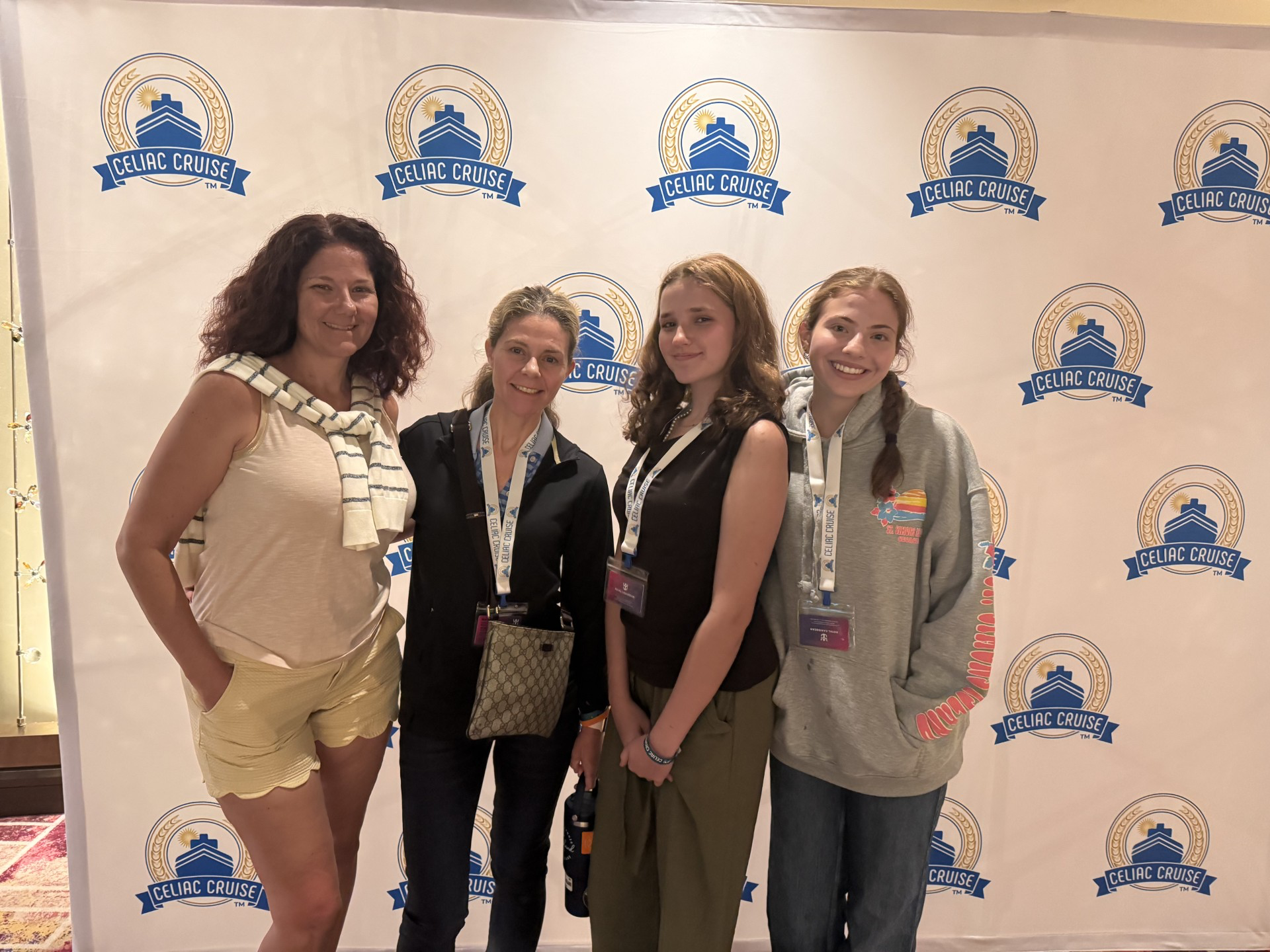
While attending a "Celiac Cruise"—a specialized event designed to bring the celiac community together—Riley and her mother attended a keynote presentation highlighting the CD-FIRN program. During the talk, the stark reality of the program’s regional gaps became clear: there were few, if any, sites in the Southwest. For Riley, the realization was immediate: someone needed to bridge that gap.
The Outreach (Late Summer 2026)
Upon returning home, Riley initiated a campaign to contact major regional medical centers. She reached out to Phoenix Children’s Hospital and Banner Health Children’s Specialty, acting as a liaison between the medical institutions and the Celiac Disease Foundation.
The Result (September 2026)
Thanks to her persistent communication and the foundational support of the CDF team, the program was successfully expanded to multiple sites in Arizona. By acting as a catalyst, Riley transformed her personal struggle into a scalable resource for hundreds of other patients in her state.
Supporting Data: Why Advocacy Matters
The data provided by the Celiac Disease Foundation and peer-reviewed studies underscores the necessity of these interventions. When patients have access to consistent, safe food, the downstream costs to the healthcare system decrease.
- Financial Disparity: With gluten-free products costing nearly triple the price of conventional options, low-income households are effectively priced out of their own treatment.
- Health Outcomes: Chronic exposure to gluten, often caused by an inability to afford safe substitutes, leads to malabsorption, stunted growth in children, increased risk of osteoporosis, and higher rates of autoimmune complications.
- The "One in Six" Statistic: The 2022 finding that 16.6% of celiac patients are food insecure is not just a statistic; it represents a failure of the current safety net to accommodate dietary-specific medical needs.
Official Responses and Collaborative Efforts
The success of the CD-FIRN program relies on the synergy between the Celiac Disease Foundation, the Food Equality Initiative, and the frontline medical staff at partner hospitals.
"The process was not as complex as it appears," says Riley regarding her advocacy journey. While she admits to the initial nerves of cold-calling major medical institutions, she emphasizes the accessibility of the process. "The dedication by the mighty Celiac Disease Foundation team made the first steps… quite manageable. They provided endless support through answering all my questions and bridging the connection to health providers."
The Foundation maintains that advocacy is not an elite skill set but a civic responsibility. By providing a framework—a "roadmap" for patients to approach their local hospitals—the CDF is empowering patients to become the primary architects of their own support systems.
Implications for the Future of Healthcare Advocacy
The story of the CD-FIRN expansion in Arizona has profound implications for how we view public health and patient advocacy.
1. Decentralization of Advocacy
Historically, change in healthcare policy has been a top-down affair. However, the success of the CD-FIRN model proves that patients and their families, armed with the right data and institutional backing, can act as effective lobbyists. When patients identify a "blind spot" in the healthcare system, their lived experience provides a credibility that institutional planners often lack.
2. Nutrition as Medicine
The "food as medicine" movement is gaining traction globally. The CD-FIRN program serves as a tangible example of this concept. By treating gluten-free food as a medical prescription, the program forces hospitals to view nutritionists and dietitians as critical members of the clinical care team.
3. Resilience and Mental Health
Riley’s journey highlights an often-ignored aspect of chronic illness: the social isolation and anxiety that accompany a restricted lifestyle. Advocacy provides a psychological antidote to this isolation. By taking action, the patient shifts from a passive recipient of care to an active participant in their community. As Riley noted, "Resilience is not just about perseverance, but also finding the courage to rise above obstacles and take the risk to positively impact my community."
Conclusion: How to Get Involved
Hunger Action Month is a call to action, but the hunger faced by the celiac community persists for all 12 months of the year. The success of the CD-FIRN program demonstrates that with the right partnerships, even the most systemic challenges can be addressed.
For those interested in learning more about the CD-FIRN program or exploring how to bring these resources to their own local hospitals, the Celiac Disease Foundation provides a comprehensive resource portal at celiac.org/foodinsecurityresources-hcp/.
Furthermore, the Foundation is actively seeking to amplify the voices of patients who have successfully navigated advocacy challenges. Whether it is starting a food drive, petitioning a hospital board, or raising awareness in local media, every action contributes to a more equitable landscape for those who must remain gluten-free to survive. If you have an inspiring story or an advocacy experience, the Foundation encourages you to reach out to their team at [email protected].
In a world where health is often tied to wealth, programs like CD-FIRN offer a path forward—one where the safety of a patient’s plate is guaranteed, regardless of their zip code or bank balance. As we move past Hunger Action Month, the goal remains clear: to ensure that for every person with celiac disease, a gluten-free life is not a luxury, but a reachable reality.

 Asro
 Rifan Muazin

