Nana Wu

 Dwi Wanna

 Suro Senen

 Evan Lee Salim

Executive Summary: A Kingdom in Isolation
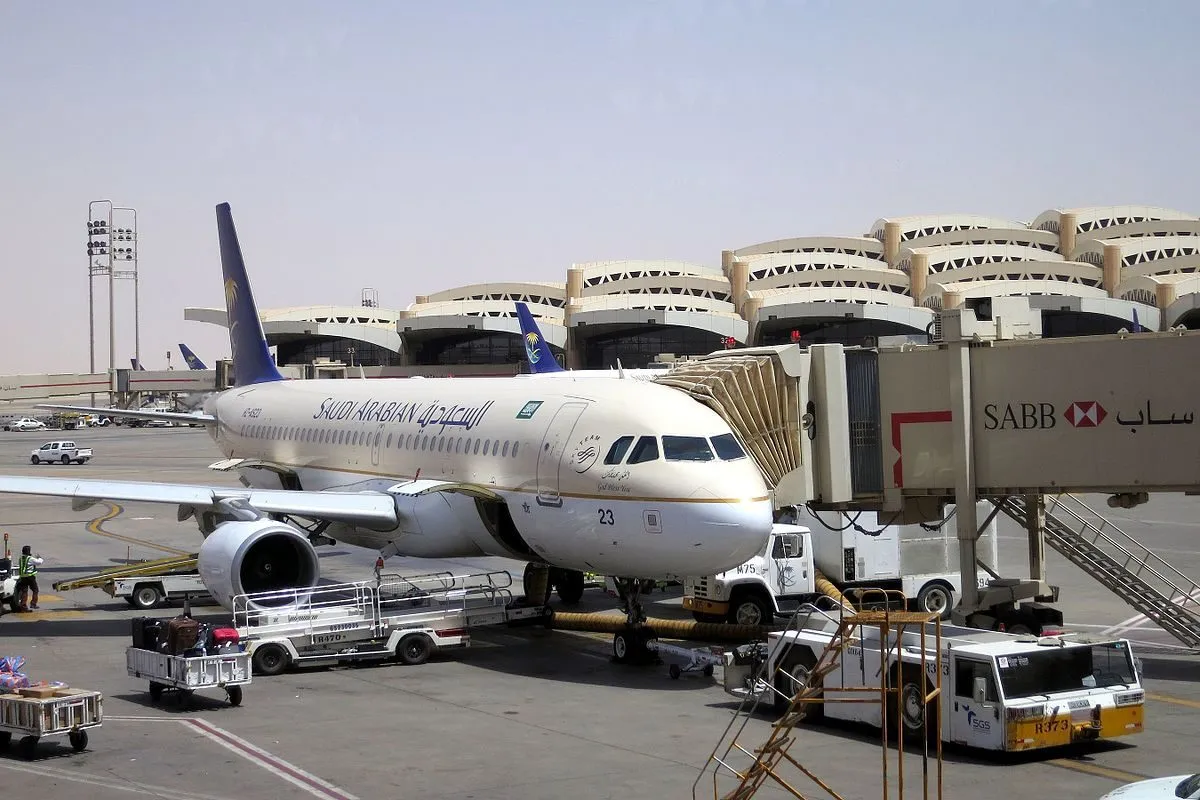
The landscape of international corporate travel to Saudi Arabia has undergone a drastic, near-total suspension in recent weeks as escalating geopolitical tensions and targeted strikes by Iran-aligned Houthi militias have forced a reassessment of risk for global businesses. What was once a burgeoning hub for international investment—fueled by the ambitious "Vision 2030" initiative—has effectively become a logistical bottleneck.
Major international carriers have significantly curtailed, or in some cases entirely suspended, operations into the Kingdom. This has left corporate executives, consultants, and pilgrims alike stranded, forced to navigate a grueling network of land borders and overland routes to neighboring Gulf Cooperation Council (GCC) states. The situation represents a significant disruption to the global aviation sector and a stark reminder of how regional instability can derail the interconnected nature of modern business travel.
Chronology of Escalation: From Commerce to Crisis
The current disruption is not a singular event but the culmination of a deteriorating security environment in the southern Arabian Peninsula.
Phase 1: The Initial Instability
For years, the Houthi militia, operating out of Yemen, has targeted Saudi infrastructure. However, the intensity of these operations shifted significantly in early 2022. The use of long-range drones and ballistic missiles aimed at energy facilities and aviation hubs in Jeddah, Riyadh, and Abha began to move beyond isolated incidents, forcing aviation authorities to issue temporary "Notice to Air Missions" (NOTAMs) warnings.
Phase 2: The Aviation Retrenchment
As the frequency of these incidents increased, international airlines began to perform their own internal risk assessments. Following a series of strikes that threatened critical airport infrastructure, several major global carriers—citing insurance premiums and crew safety protocols—began to suspend or re-route flights. This created a "domino effect," where the reduction in flight frequency led to a surge in demand for the few remaining seats, effectively pricing out all but the most essential travelers and causing a complete standstill for non-essential corporate movement.
Phase 3: The Current Gridlock
As of this week, the situation has devolved into a logistical crisis. With Jeddah’s King Abdulaziz International Airport facing severe congestion and operational strain, the primary gateway for international arrivals has essentially stalled. Travelers are now reporting that the only reliable way to exit the Kingdom is by navigating the complex and exhausting land border crossings into Bahrain or the United Arab Emirates.
The Logistical Nightmare: Navigating the Borderlands
For those currently inside the Kingdom, the transition from air travel to road transport has become the new reality. Subair Thekepurathvalappil, a senior manager at the UAE-based Wise Fox Tourism, provided a grim assessment of the current travel environment.
"There is no new travel being initiated to the Kingdom and everything is on hold," Thekepurathvalappil stated. "Those who have gone to the Kingdom are trying to return to the UAE by traveling to neighboring Bahrain by road and flying back from there. Others are traveling from Riyadh to Dammam by road for four hours and then to the UAE by road again for a further seven hours."
This 11-hour, multi-leg journey is not merely an inconvenience; it is a significant deterrent to the international business community. For corporate travelers, the loss of productivity, the physical exhaustion of cross-border travel, and the unpredictability of border wait times have made the cost of doing business in Saudi Arabia prohibitive for the foreseeable future.
The Impact on Religious Tourism
The disruption extends far beyond corporate boardrooms. Saudi Arabia is the destination for millions of Muslims performing the Umrah pilgrimage. Unlike business travelers, many of whom have the flexibility to cancel or reschedule, pilgrims are often tied to specific religious calendars. The result has been a mass migration of travelers attempting to reach Makkah and Madinah by road, often traversing thousands of kilometers across the desert to avoid the uncertainty of the aviation sector.
Supporting Data: The Economic Toll
While official figures on the total financial loss are currently being tabulated by regional chambers of commerce, early indicators suggest a catastrophic impact on the travel and hospitality sector.
- Aviation Revenue: Saudi Arabia’s aviation sector, which had been projected to see a 15% growth in passenger throughput for 2022, is now bracing for a double-digit contraction.
- Hotel Occupancy: Luxury hotels in Riyadh and Jeddah, which typically cater to international delegations and corporate travelers, report occupancy rates plummeting to sub-20% levels as bookings are cancelled en masse.
- Insurance Premiums: The "war risk" surcharges imposed by maritime and aviation insurers have risen by over 300% for transit into the region, making it economically unsustainable for many smaller commercial airlines to maintain their routes.
Official Responses and Security Posture
The Saudi government has maintained a posture of resilience, emphasizing the safety of the Kingdom’s primary infrastructure. In official statements, the Saudi Ministry of Interior has highlighted the effectiveness of its air defense systems, which have intercepted the majority of incoming projectiles.
However, silence from the major aviation regulators regarding a timeline for normalization has been deafening. International regulatory bodies, such as the International Civil Aviation Organization (ICAO), have been working closely with Saudi authorities to ensure that flight corridors remain secure. Despite these efforts, the "wait-and-see" approach adopted by airlines suggests that the industry is not yet confident in the long-term sustainability of the current security measures.
Global corporate entities, including multinational banks and consulting firms, have issued internal directives advising employees to avoid all non-essential travel to the region. Many have implemented "emergency exit" protocols, repatriating staff currently stationed in the Kingdom to regional offices in Dubai or Doha.
Implications: The Long-Term Outlook
The current travel freeze brings into focus the vulnerability of Saudi Arabia’s "Vision 2030" goals. The success of the Kingdom’s massive economic diversification program relies heavily on the free flow of human capital—investors, engineers, tourists, and consultants.
1. The Decentralization of Hubs
This crisis may inadvertently benefit neighboring countries. As corporate travelers look for alternatives to the volatility of the Saudi transit system, hubs like Dubai and Doha are likely to see an increase in their status as regional staging grounds. Businesses may move their regional headquarters to these more stable environments, using them as base camps for short, "in-and-out" trips to the Kingdom rather than maintaining a permanent footprint in Riyadh.
2. Technological Shifts in Business Communication
The forced pause in travel will likely accelerate the adoption of high-level digital collaboration tools. While the "handshake" culture remains paramount in Middle Eastern business, the current inability to travel is pushing firms to rely on secure, encrypted virtual environments. This may result in a permanent reduction in the frequency of international corporate travel even after the security situation stabilizes.
3. Geopolitical Repercussions
The Houthi militia’s ability to disrupt regional travel is a strategic win for the group, regardless of the physical damage caused by their weaponry. By demonstrating an ability to isolate the Kingdom, they have successfully leveraged regional infrastructure as a tool of psychological and economic warfare. This raises significant questions about the future of security cooperation between the GCC and its Western partners, who may be pressured to increase their defensive footprint in the region to safeguard the aviation sector.
Conclusion: A Fragile Path Forward
As the sun sets on the Saudi skyline, the airports remain eerily quiet. The current impasse is a sobering reflection of the fragility of globalization. For the travel industry, the priority remains the safety of passengers and crew, and until a sustainable security arrangement is established, the "no-fly" mentality will persist.
The recovery of the Saudi travel sector will not be measured in days or weeks, but in the restoration of confidence among international carriers. Until then, the long, winding roads across the desert will remain the only link between the Kingdom and the rest of the world—a stark symbol of a nation currently caught in the crosshairs of a regional conflict that has, for the moment, grounded its ambitions.


 Lina Irawan