

 Reynand Wu
 Sagoh
Sagoh
 Basiran
 Evan Lee Salim
 Jia Lissa
 Muslim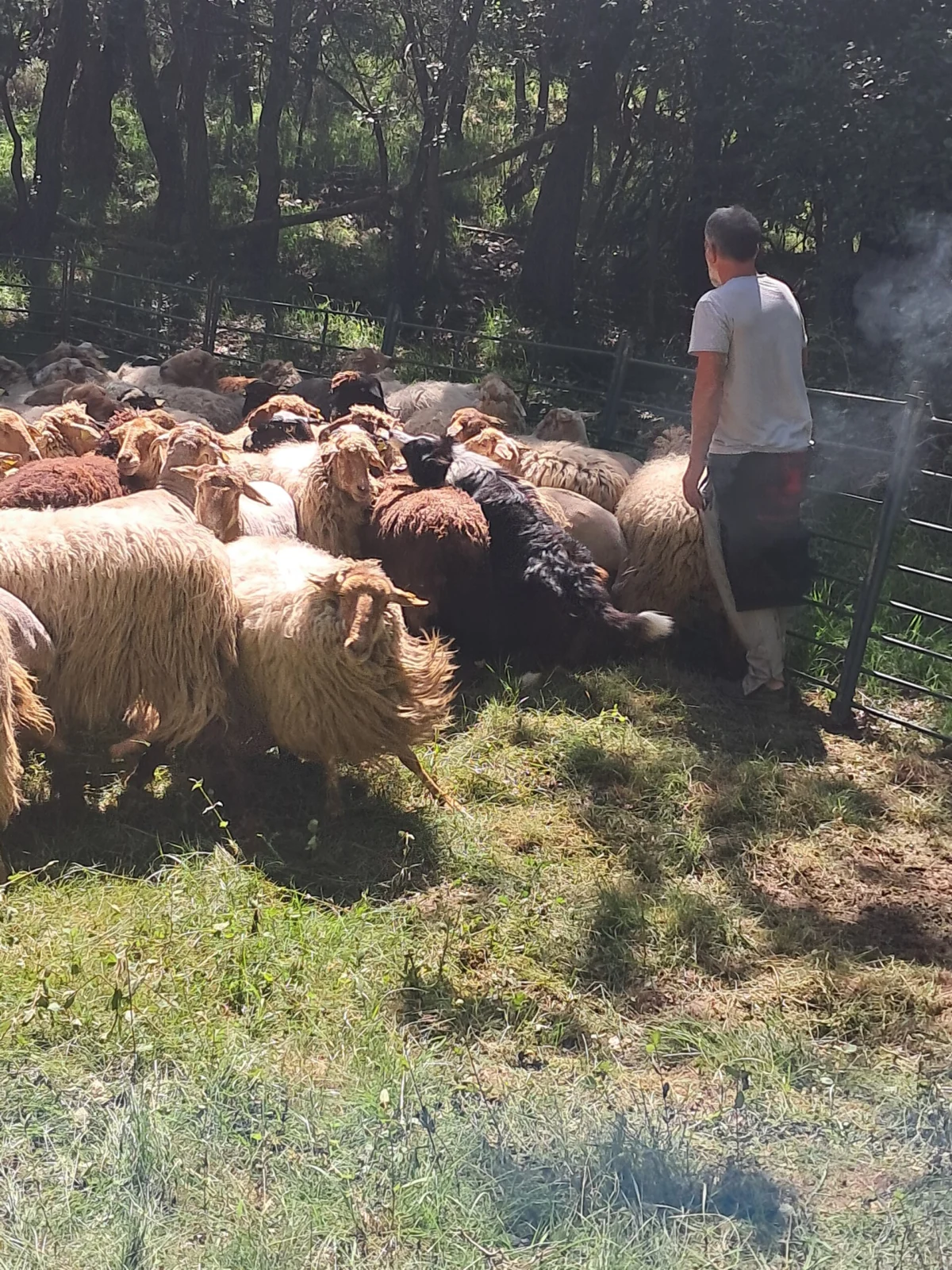
By Julie Baber
In an era defined by industrial efficiency and carbon-intensive supply chains, a quiet revolution is unfolding along the sun-drenched, rugged pathways of the Iberian Peninsula. It is a practice as old as civilization itself, yet one that offers a blueprint for survival in an age of climate instability: transhumance.
From the high-altitude peaks of the Sierra del Rincón to the sprawling, arid plains of central Spain, pastoralists are proving that the most advanced solution to modern food insecurity is not a laboratory-grown protein, but a return to the rhythms of the earth. By moving livestock on foot—walking hundreds of kilometers between seasonal pastures—these farmers are restoring landscapes, mitigating wildfire risks, and challenging the prevailing narrative that the future of agriculture must be mechanized.
The Global Echo of Ancient Rhythms
The journey to understand this movement began, surprisingly, in the back of a taxi in London. As I traveled toward the airport, my Somali driver recounted tales of his 90-year-old grandmother, a pastoralist who maintains a herd of 2,000 camels, goats, and sheep. "She carries a gun to fight snakes and hyenas," he told me, "and she walks 45km a day to find new grass."
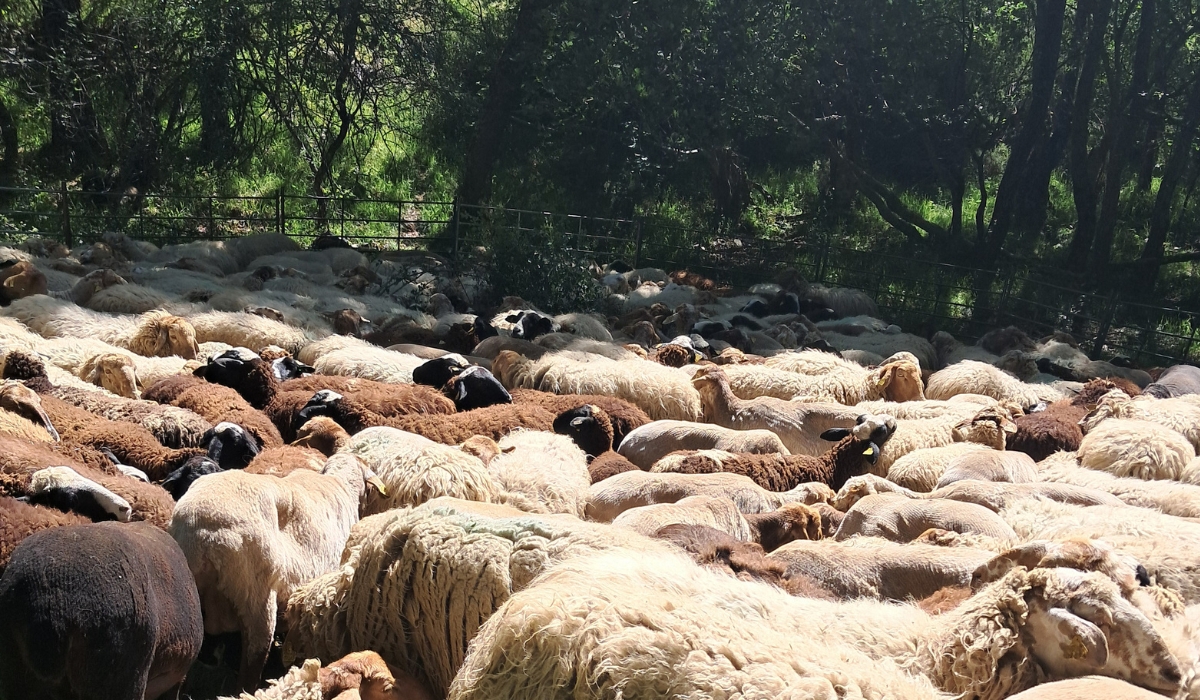
That image of the lone, resilient nomad resonated as I landed in Spain to join the Los Apisquillos Collective in the mountain village of Puebla de la Sierra. Here, in the northeast of the Madrid mountains, the modern world feels distant. The collective, established 26 years ago, manages a flock of 500 sheep—primarily the rare Rubia de El Molar and Negra Castellana breeds. Their work is a deliberate act of preservation, ensuring that the ecological wisdom of the past remains relevant in the 21st century.
A Chronology of a Living Tradition
The history of transhumance in Spain is written into the very topography of the country.
- 1273 AD: King Alfonso X, known as "The Wise," granted official recognition to the cañadas—the network of livestock trails that crisscross the peninsula. This period saw the founding of the "Royal and Honoured Council of the Mesta," an organization of pastoralists that held significant political and economic power.
- The 20th Century Decline: As industrialization took hold, the "efficiency" of the lorry replaced the slow pace of the shepherd. Transhumance dwindled, and with it, the careful management of the trails and the grazing ecosystems they supported.
- The Modern Resurgence: In recent decades, environmental groups like Trashumancia y Naturaleza and collectives like Los Apisquillos have sought to revive these routes, not merely as a romantic nod to history, but as an essential environmental strategy.
- The Annual Cycle: Each autumn, members of the Los Apisquillos Collective embark on a two-week trek, moving their flock 240km to the Casa de Campo in Madrid. There, the sheep graze the park’s pastures during the winter, allowing the mountain grasses in Puebla de la Sierra to regenerate, before returning north in May for the shearing festival.
Supporting Data: The Ecological Imperative
The arguments for transhumance are rooted in hard, empirical science. The traditional droving routes comprise roughly 125,000 kilometers of "ecological highways." These corridors do more than move animals; they facilitate seed dispersal, maintain biodiversity, and act as vital fire breaks.
The Wildfire Crisis
As climate change exacerbates drought conditions across Southern Europe, the landscape has become a tinderbox. In areas where traditional grazing has ceased, "scrubbing up" occurs—the unchecked growth of brush and biomass that provides the perfect fuel for catastrophic wildfires.
Manuel Bahíllo, secretary for Trashumancia y Naturaleza, is blunt about the consequences: "Transhumance controls the overgrowth of scrubland. If it ceases, all that biomass that the livestock neither eat nor trample remains in the landscape, acting as fuel that only needs a spark to ignite."
This is echoed by farmers like Javier, from Sanabria, who has witnessed firsthand how grazed landscapes resist the spread of fire. "Fires can be stopped," he asserts. "The fire’s intensity depends entirely on the amount of forest fuel it encounters."
The Biodiversity Connection
Beyond fire safety, the mobility of the herd ensures that no single patch of land is overgrazed. By mimicking the natural migration of wild ungulates, these domestic herds maintain high-value ecosystems. The movement prevents soil compaction and encourages the growth of native flora, which in turn supports a wider array of insect and bird life.
Official Perspectives and the "Right Thing to Do"
There is a recurring tension between the economic argument—that it is "cheaper" to ship livestock in trucks—and the ethical/ecological argument. Lawrence Sudlow, an environmental consultant and advisor for Trashumancia y Naturaleza, dismisses the cost-efficiency argument entirely.
"Transhumant pastoralism makes a major contribution to high-value ecosystems and deserves to be recognized as a cultural right," Sudlow explains. When pressed on the logistics of moving animals on foot versus by road, his answer is philosophical but firm: "It’s the right thing to do."
This sentiment is shared by Juan García, a key figure in the campaign to protect Spain’s livestock trails. For García, the cañadas are a public good. "We are defending both the extensive ancestral culture of transhumant livestock farming and the sustainable use of the 125,000km of livestock trails," he notes. The challenge, he admits, is that rural depopulation has left these ancient routes physically obstructed, making the journey harder for the shepherds who attempt to keep the tradition alive.
The Human Element: More Than Just Food
At the annual shearing festival in Puebla de la Sierra, the atmosphere is one of profound community. Music, dancing, and the sharing of hand-carded wool are not just cultural window dressing—they are the social glue that sustains the farming collective.
The process of felting a fleece beside a stream or improvising a drop spindle with a dowel rod and an onion is a reminder of human ingenuity. It is an act of "re-skilling." In an era where food production is increasingly hidden behind factory walls and opaque supply chains, the transparency of this process is radical.
There is a Latin proverb that kept recurring throughout my time with the collective: Solvitur ambulando—"It is solved by walking." This phrase captures the essence of the transhumant experience. The problems of the modern food system—environmental degradation, loss of biodiversity, and lack of connection to the source of our sustenance—are, in many ways, "solved" by returning to the act of walking with the land.
Implications for Global Food Security
The lessons from Spain are universal. Whether it is the Somali pastoralist managing camels across arid terrain or the Spanish shepherd guiding sheep through the Madrid mountains, these systems share a fundamental characteristic: resilience.
- Adaptability: Transhumance is inherently flexible. It shifts in response to weather, season, and forage availability, rather than forcing the land to conform to a rigid industrial schedule.
- Resource Management: By converting low-quality vegetation into high-quality meat, dairy, and fiber, pastoralists demonstrate how to derive value from land that is often unsuitable for intensive cropping.
- Landscape Stewardship: The shepherd is the original land manager. By keeping the cañadas open, they provide a service to the entire nation, acting as the first line of defense against the encroaching threat of climate-driven wildfires.
Conclusion: A Path Forward
The future of agriculture must be one that respects the ecological limits of our planet. As we face rising food insecurity and the escalating impacts of a warming climate, we cannot rely solely on the technological solutions that got us into this crisis.
We need to look to the "ancient highways." The persistence of the Los Apisquillos Collective and the advocacy of those like Juan García and Lawrence Sudlow serve as a reminder that some traditions are not "outdated"—they are merely waiting for us to catch up. The act of moving livestock on foot is a humble, quiet, and profoundly effective way to participate in the natural cycle. It is a system shaped by place, adapted to the seasons, and grounded in the long-term health of the earth.
Ultimately, the choice to support transhumance is a choice to support a food system that views the shepherd as a steward, the livestock as partners, and the journey itself as part of the solution. It is time we recognized these age-old systems for what they are: the most sophisticated, sustainable, and sensible way to live in harmony with the land.


