

 Raul Delapena Setiawan
 Ammar Sabilarrohman
 Lina Irawan
 Suro Senen
 Layla Zulfa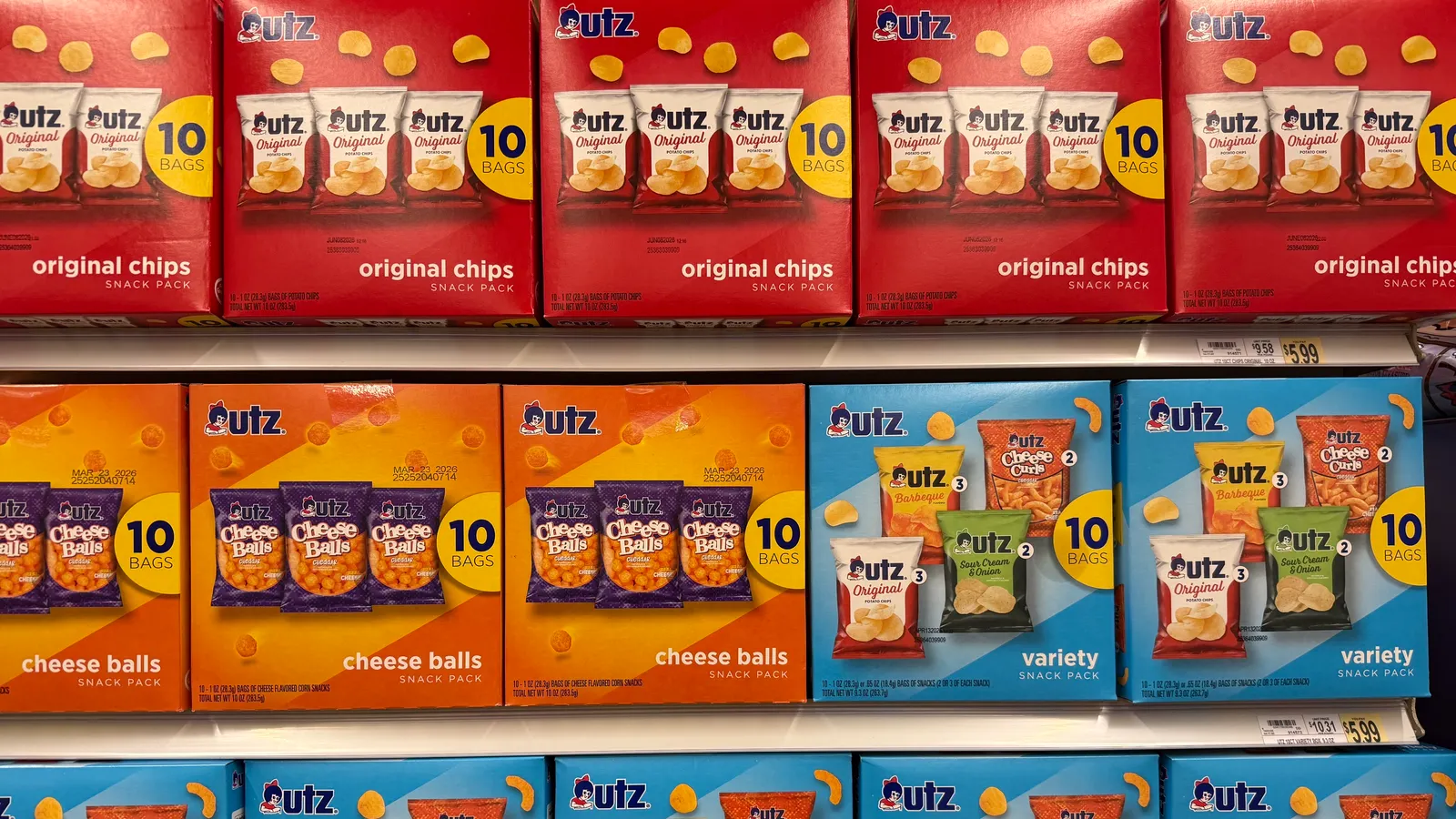
For Howard Friedman, the current CEO of Utz Brands, the road to the executive suite began long before he ever walked into a boardroom. Decades ago, as a student at Dickinson College, his late-night study sessions were fueled by the familiar, salty crunch of Utz chips, cheese balls, and pretzels. At the time, these snacks were merely a college staple—a convenient comfort food sourced just 31 miles from campus. He could not have known then that he would one day be tasked with steering that very company through its most ambitious period of national expansion.
When the call came in 2022 to lead the 105-year-old snack manufacturer, those memories of Pennsylvania dorm life served as a powerful catalyst. "I had a very warm affinity for the product," Friedman, a former executive at Kraft Heinz, recalled. Beyond nostalgia, however, his due diligence revealed a company with immense untapped potential. As he engaged with the board, the conversation shifted from the brand’s history to its future: how to evolve a regional icon into a powerhouse capable of competing in a $32 billion national market.
A Legacy Built on Quality: The Origins of Utz
The story of Utz is a quintessential American success story. It began in 1921 in a modest kitchen in Hanover, Pennsylvania. William and Salie Utz, recognizing a local appetite for high-quality snacks, began hand-cooking potato chips. Their initial production capacity was a mere 50 pounds per hour, with sales focused on small grocers and local markets in the Baltimore area.
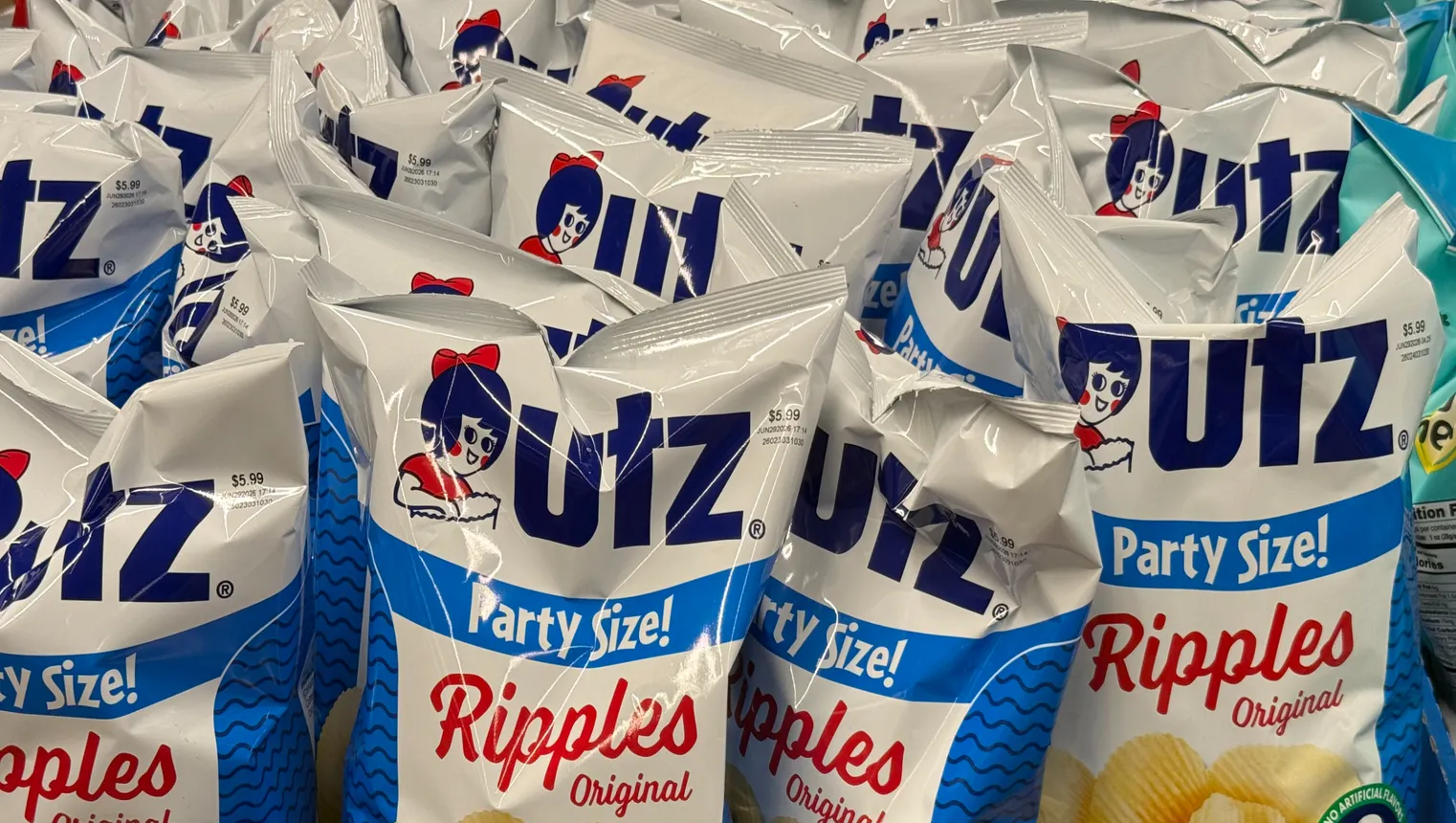
What started as a labor of love quickly gained a cult following. Over the next century, the company transformed from a localized kitchen operation into the largest "pure-play" salty snack company in the United States. Today, while the company maintains its roots in Hanover, it operates seven primary manufacturing facilities across the country, producing more than 3 million pounds of popcorn, pretzels, cheese balls, and potato chips weekly.
This evolution has been marked by a strategic diversification of the portfolio. No longer solely dependent on the potato chip—which now accounts for slightly less than half of annual sales—Utz has successfully integrated brands such as On the Border, Boulder Canyon, and Zapp’s to capture a broader range of consumer demographics.
The Strategic Playbook: Scaling in a Crowded Market
Utz currently generates $1.4 billion in annual sales, a figure that places it in a unique position relative to industry titans like PepsiCo’s Frito-Lay, which commands roughly $8.3 billion in annual snack revenue. Friedman is quick to clarify that Utz is not attempting to engage in a "David vs. Goliath" battle with the industry’s market leader. Instead, the strategy is surgical and precise.
"I would never be presumptuous enough to think that we’re going to be people who are challenging the market leader," says Friedman, who holds the distinction of being the first non-family member to lead the company. "We are going to play our role in the category, which is to drive innovation, communication, and investment to drive greater consumer interest."
The core of this strategy involves capturing market share from "sleepy" regional brands. According to John Baumgartner, a senior equity research analyst at Mizuho, roughly 25% of the U.S. salty snacks market is comprised of smaller players that lack the scale, marketing budgets, and technological infrastructure to defend their turf against a company like Utz.
"Utz is in this nice little in-between spot," Baumgartner notes. "They are small enough to grow just from distribution expansion alone, but they are large enough to have distinct advantages over the regional mom-and-pops."
Data-Driven Growth: The Florida and California Models
The effectiveness of the Utz strategy is best evidenced by its performance in the Sunshine State. After operating in Florida for several years with a limited footprint, the company pivoted in 2020 to a more aggressive distribution model, partnering with a key retailer to build out a direct store delivery (DSD) network. The result was a 140% surge in sales, bringing the total to $118 million by 2025, while expanding their market share from 2.5% to 4.3%.
Building on this success, the company is now turning its sights toward California, the nation’s largest consumer of salty snacks. By purchasing strategic DSD assets in the state, Utz is laying the groundwork for a massive expansion. Executives are optimistic that the California market, which currently generates $82 million in retail sales for the company, could eventually reach the $200 million mark.
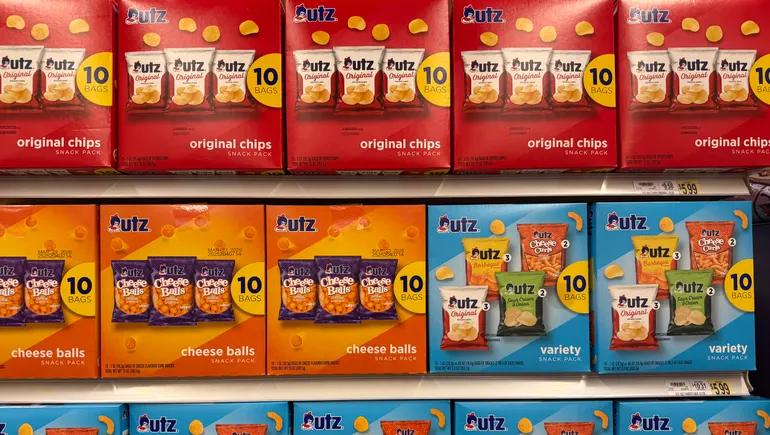
This expansion is supported by a modernized supply chain that allows for greater flexibility. For the first time, the company is effectively utilizing multi-packs and varied bag sizes, allowing them to cater to different consumption occasions and tighter consumer budgets—a critical capability given that the broader salty snacks sector saw its first decline in over a decade in 2024.
Navigating Headwinds: Inflation and Health Trends
Despite its growth, Utz is not immune to the macro-economic pressures facing the food industry. Inflation-weary consumers are increasingly price-sensitive, and the rise of GLP-1 weight-loss medications, combined with the "Make America Healthy Again" political discourse, has created a layer of uncertainty regarding the future of high-calorie, high-sodium snack consumption.
However, the company’s portfolio diversity offers a buffer. Brands like Boulder Canyon, which avoids genetically modified ingredients and traditional seed oils in favor of avocado oil, tap directly into the "better-for-you" movement. Currently generating nearly $200 million in annual sales, Boulder Canyon is positioned as a primary growth engine, with executives forecasting a potential rise to $500 million.
Furthermore, Jim Salera, a research analyst at Stephens, highlights that Utz provides a compelling value proposition. "Utz offers a diverse portfolio that spans both indulgent and healthier options—often at a lower price point than Frito-Lay," Salera says. This allows the company to keep consumers within their brand ecosystem, even when household budgets tighten.
The Human Element: Balancing Legacy and Modernization
For Howard Friedman, the mission is as much about cultural stewardship as it is about fiscal performance. Leading a company with a century of family history is a responsibility he does not take lightly.
"You almost feel like you’re taking something that is very important to the family and precious to them," Friedman reflects. "It’s like a child—this awesome sense of responsibility to make sure I can live up to the legacy of what the family was able to build, and then on top of it, be able to take that and build it, grow it, and modernize it."
As the company looks toward 2026, it is forecasting organic sales growth of 2% to 3%, outperforming the flat growth projected for the broader industry. The long-term vision is even more aggressive, with goals to increase growth to 3% to 4% annually, aiming to add $500 million in revenue over the coming years.
Future Outlook: A Continuing Narrative
The company’s executive team remains actively engaged in scouting for M&A opportunities, viewing acquisitions as a primary lever to accelerate their national reach. With an acquisition-savvy management team and a robust distribution system, Utz is uniquely equipped to integrate new brands and realize synergies that smaller competitors simply cannot match.
However, as Baumgartner notes, the path forward is not without its risks. The company will face challenges in maintaining its price mix as competitors engage in aggressive discounting to win over cash-strapped shoppers. Success will depend on the company’s ability to remain "nimble"—a quality Friedman believes is ingrained in the firm’s DNA.
"As with any company, and certainly ours, we are an unfinished painting," Friedman concludes. "There’s a lot more growth to go get. There are still capabilities to build. There are investments to make, but we continue to have this unique aspect to our company."
For the kid who once sat in a college dorm eating chips, the goal is now clear: ensure that those chips continue to find their way into the hands of a new generation, while proving that a 100-year-old brand can be just as innovative as any startup in the snack aisle. The transition from regional favorite to national contender is well underway, and for Utz, the next chapter promises to be as substantial as the legacy that preceded it.



 Pevita Pearce