

 Nana Wu

 Dwi Wanna

 Suro Senen

 Evan Lee Salim

 Siti Muinah
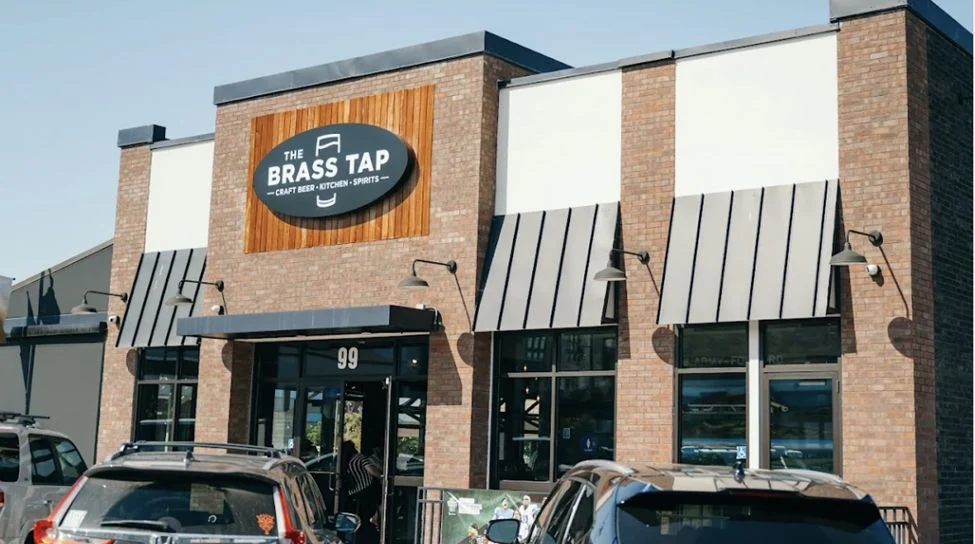
In the competitive world of American franchising, achieving consistent success is a feat; repeating that success in back-to-back years is a rarity. At the 2026 FSC Franchise Conference, that rarity became reality as Karl Waller, the franchisee behind The Brass Tap in Marina, California, was honored with the brand’s prestigious Highest Sales Volume Award. This accolade follows his 2025 recognition as Franchisee of the Year, cementing Waller’s position as a standout leader within the national tavern chain.
For a brand with over 50 locations, the achievement is significant. Waller’s Marina location, which has only been in its first full year of operation, has managed to outperform more established, longer-running outlets across the country. This accomplishment serves as a masterclass in community engagement, strategic business planning, and the power of adapting a national model to local needs.
A Legacy of Leadership: The Journey to Marina
Karl Waller’s path to becoming a top-tier restaurateur was anything but traditional. Before entering the hospitality sector, Waller spent a quarter-century with the Amway Corporation, eventually rising to the role of director of global agribusiness operations. His career saw him managing business entities across various countries and states, providing him with a sophisticated understanding of logistics, supply chain management, and organizational structure.
However, after retiring early from his corporate life, Waller felt the pull of entrepreneurship. He was no stranger to the franchise model, having owned a Mail Boxes Etc. location long before it was rebranded as The UPS Store. After moving back to the Marina area—the community where he grew up—he realized that while the town was undergoing significant development and attracting new residents, it lacked a central hub for dining and socialization.
He found his inspiration while living in Flower Mound, Texas. A visit to a local Brass Tap opened his eyes to the potential of an upscale American tavern model. He saw a gap in the Marina market: an "entertainment desert" that desperately needed a high-quality venue for food, drinks, and live events.
The Philosophy of "Working On, Not In"
One of the most distinctive aspects of Waller’s success is his operational philosophy. Many first-time restaurant owners fall into the trap of becoming "owner-operators," working behind the bar, in the kitchen, or on the floor. Waller took a different approach from day one.
"I didn’t want the success of the business to be tied to just me running the business," Waller explains. "I don’t know how to bartend, serve, or cook. So I spend my time working on the business, not in the business."
By delegating operational tasks to a carefully curated management team, Waller freed himself to focus on the "big picture": community relationship-building, special event planning, and guest relations. This high-level oversight has allowed the restaurant to function as a well-oiled machine, ensuring consistent service quality that keeps customers returning.
Adapting to the Market: The Evolution of a Concept
While the brand’s foundation is built on craft beer, Waller quickly realized that the Marina market demanded more versatility. Initially, he anticipated that beer enthusiasts would be his primary demographic. However, as the restaurant matured, food service evolved into a central pillar of the business.
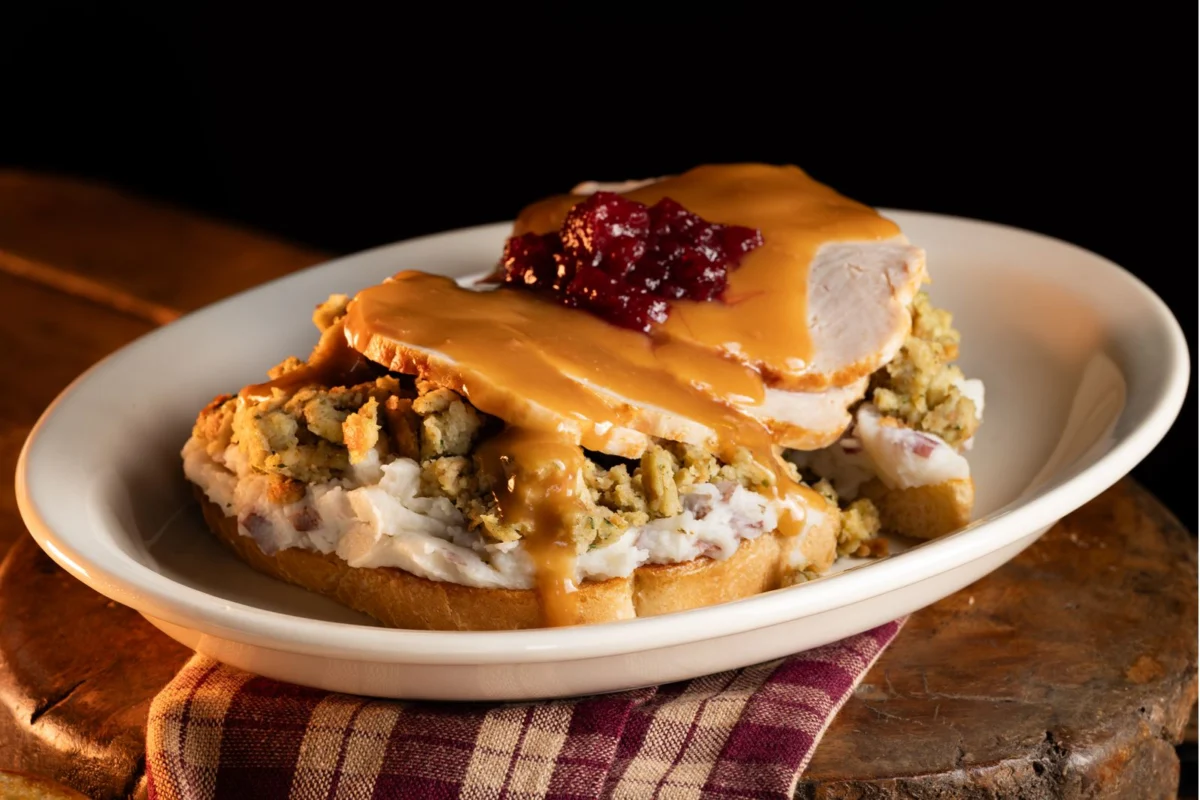
By listening to the feedback of local residents, Waller and his family expanded the menu offerings to cater to families and those seeking a full dining experience rather than just a late-night drinking destination. This agility allowed the location to capture a broader cross-section of the population, from lunch-goers and coworkers meeting for happy hour to families gathering for dinner and entertainment.

"We were working side by side with the community to ensure everyone knew we weren’t just a business. We were part of the community," Waller notes. This hyper-local strategy proved to be the catalyst for the record-breaking sales volume that earned him the 2026 award.
Official Responses and Industry Recognition
The corporate leadership at FSC Franchise Co. has pointed to Waller’s Marina location as a blueprint for the brand’s future. Chris Elliott, CEO of FSC Franchise Co., highlighted the unique intersection of strategy and execution that led to these back-to-back awards.
"Winning Franchisee of the Year and then Highest Sales Volume the next year takes more than a good location," said Elliott. "Karl listened to his guests, built out the food and events side of the business when the community asked for it, and trusted his managers to run the restaurant. Marina is a strong example of The Brass Tap working the way it was designed—as a local destination people choose to come back to."
The recognition by the franchisor serves as an endorsement of the "community-first" model. It reinforces the idea that even within a national franchise framework, the most successful owners are those who treat their locations as individual, independent entities deeply rooted in their specific geographic context.
Implications for the Future of The Brass Tap
The success of the Marina location provides valuable insights for the growth trajectory of The Brass Tap. As the brand continues to expand its footprint across the United States, it faces the challenge of maintaining brand identity while ensuring each location remains "unmistakably local."
Waller’s success suggests several key takeaways for current and prospective franchisees:
- Strategic Delegation: Investing in a strong management team early allows the owner to focus on growth and brand presence rather than daily minutiae.
- Market Agility: Even in a standardized franchise system, owners must remain responsive to local demographics. If the community wants more food options or different entertainment, shifting the model to accommodate those needs can lead to exponential growth.
- Community Integration: By positioning the business as a community asset rather than just a retail location, owners can foster loyalty that translates into high-frequency repeat business.
As The Brass Tap grows its portfolio of over 50 bars in 16 states, the "Waller model" is likely to be studied and potentially replicated. It proves that the "upscale tavern" concept is not merely a place to drink, but a social infrastructure capable of supporting the needs of a diverse, growing community.
Conclusion: A New Standard for Success
Karl Waller’s achievements in Marina represent more than just a high balance sheet; they represent the successful transition of a high-level executive into a community leader. By applying the rigor of global supply chain management to the hospitality industry, and balancing that with a genuine desire to provide a "third place" for his neighbors, he has redefined what is possible for a franchise owner.
As he looks toward the future, the challenge will be maintaining that momentum. However, given his track record—from his time at Amway to his swift rise as a premier franchisee—it is clear that Waller understands that the key to sustained success is a combination of data-driven decisions and deep, authentic human connection. For The Brass Tap, the Marina location is no longer just a bar; it is the gold standard for how a neighborhood destination should operate.

 Asro

