

 Nana Wu

 Dwi Wanna

 Suro Senen

 Evan Lee Salim

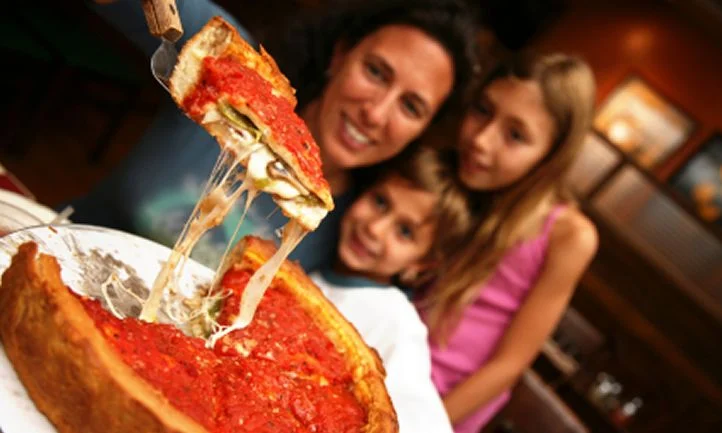
The restaurant industry is currently navigating a period of profound transformation. As we move through the latter half of 2026, the intersection of labor efficiency, shifting consumer nostalgia, and technological integration is fundamentally altering the landscape of how we eat, how we pay, and how we value the dining experience. From the decline of tableside theatrics to the resurgence of "Grandma-core" comfort food, the modern dining room is becoming both more efficient and more sentimental.
The Vanishing Spectacle: Efficiency Over Elegance
For decades, the mark of a high-end restaurant was its "theatrics"—the tableside Caesar salad toss, the dramatic flaming dessert, or the meticulous deboning of a fresh catch. However, as of late 2026, these rituals are rapidly disappearing from mainstream fine dining.
The Economics of Labor
The primary driver behind this shift is the ongoing labor crisis. Elaborate tableside service requires highly trained, specialized staff and significant time commitments per table. In an era where restaurants are hyper-focused on table turnover rates and operational margins, these time-intensive services are increasingly viewed as liabilities.
Streamlining operations has become the industry standard. By eliminating the need for bulky dessert carts and prep-heavy tableside rituals, restaurants are effectively reducing waste and increasing the volume of guests they can serve during peak hours. For the diner, this means the era of the leisurely, multi-course spectacle is being relegated to ultra-exclusive, high-ticket establishments, while the broader dining market pivots toward a more "invisible" service model.
The Rise of "Grandma-Core" and Culinary Nostalgia
As the industry sheds its performative skin, it is simultaneously embracing a trend dubbed "Grandma-core." This movement represents a collective pivot away from the hyper-modern, complex culinary trends of the early 2020s toward something more grounded and deeply personal.
Why Nostalgia Sells
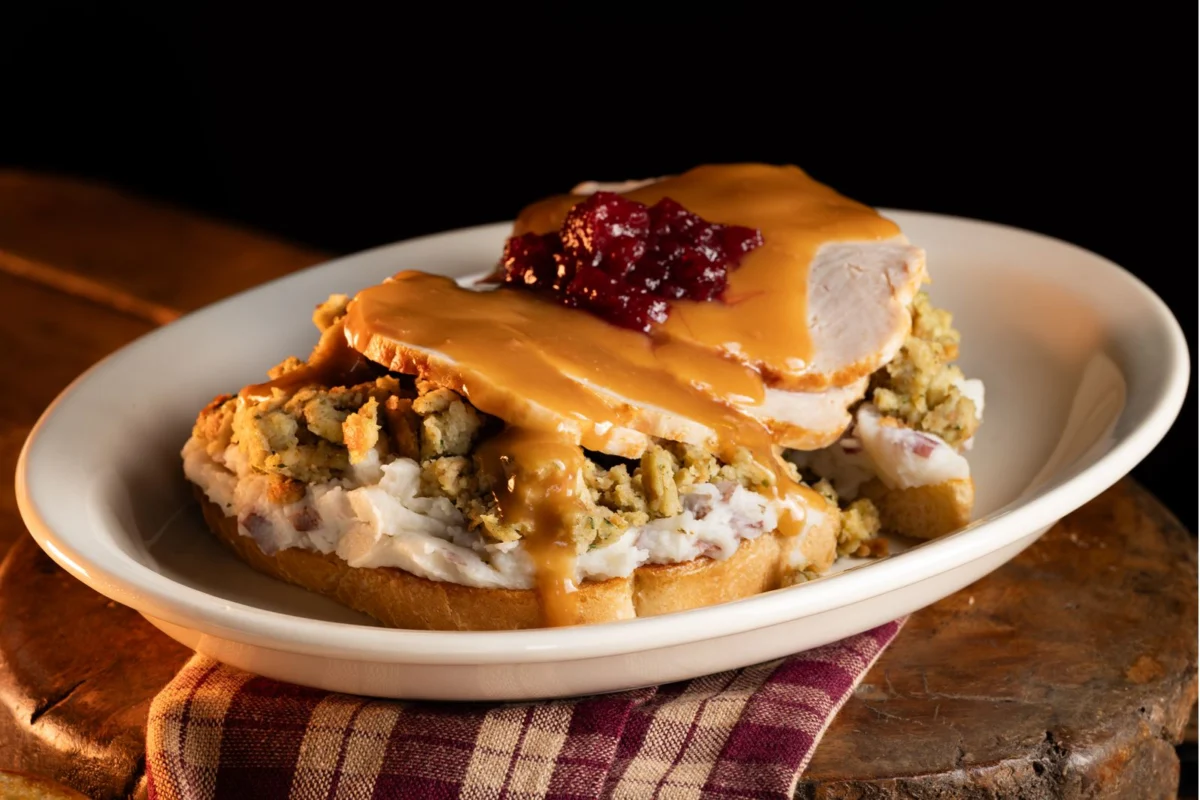
"Grandma-core" is defined by unpretentious, slow-cooked meals that prioritize comfort and familiarity. Think braised meats, heirloom vegetable medleys, and desserts that evoke the feeling of a home kitchen. Market analysts suggest this shift is a direct response to the "spectacle fatigue" experienced by modern diners. After years of chasing viral, highly stylized food, consumers are signaling a desire for sustenance that feels as though it was prepared with genuine care and personal connection. It is not just about the flavor profile; it is about the emotional architecture of the meal.
Fast Food: From Value Wars to Quality Upgrades
The fast-food sector has seen the most dramatic evolution in the last twelve months. The "Value Wars" that defined the early 2020s, characterized by aggressive deep discounting and $5 meal deals, have officially hit a wall.
The End of the Discount Era
Data from Q3 2026 indicates that deep-discount strategies have failed to produce long-term loyalty or sustainable profitability. As a result, major chains are shifting their strategy toward "quality-led growth." By investing in higher-grade ingredients and refining core menu items, brands are betting that consumers are more willing to pay for perceived quality than for a bargain-bin price tag.
The Cost of Convenience
The economic reality of this shift is stark. A comparison of fast-food menu pricing from the early 2000s to 2026 reveals that the cost of a standard combo meal has nearly tripled, jumping from an average of $3–$5 to upwards of $9–$16. While the menu items—the burgers, the fries, the shakes—remain iconic, the "cheap" in fast food is quickly becoming a misnomer.
Global Flavors and the McFlurry Gap
While prices rise, the menu variety is expanding globally. A common complaint among U.S. consumers is the "flavor gap" when compared to international markets. McDonald’s locations in Asia, Europe, and Latin America currently boast innovative McFlurry flavors—ranging from Japanese matcha to Latin American tres leches—that remain elusive to the domestic market. This disparity has sparked a minor cultural debate, with food enthusiasts demanding that major chains import more of these regional experiments to combat the monotony of domestic menus.

The Business of Dining: Tech, Transparency, and Ownership
Beyond the food, the administrative side of the restaurant business is undergoing a technological revolution, particularly regarding inventory and loyalty.
Loyalty Programs: Are They Worth It?
A new "State of Loyalty" report highlights a growing disconnect between rewards programs and actual consumer value. While programs like those at McDonald’s or Domino’s offer quick, incremental rewards, others, such as Starbucks, require a significant financial commitment to see any tangible return. Industry experts advise consumers to be wary of "gamified" loyalty programs that encourage spending on items they wouldn’t normally purchase, suggesting that the true value lies in programs that integrate seamlessly into existing habits.
Managing the Back of House
For operators, the focus has turned toward technology-driven loss prevention. Food recalls and inventory mismanagement have historically been massive drains on profit margins. Newer accounting software, designed to bridge the gap between inventory tracking and financial reporting, is proving essential. By ensuring that front-of-house sales data communicates directly with back-of-house inventory, restaurants are now better equipped to claim supplier credits and minimize the financial impact of food safety protocols.
The Worker-Owned Model
Perhaps the most significant structural shift is the growth of employee-owned business models. The Newport Restaurant Group serves as a gold-standard case study, having distributed millions in wealth to its staff since 1995. By operating as a 100% employee-owned entity, the group has fostered extreme employee retention and stability, proving that an alternative to the traditional private-equity-heavy ownership model is not only possible but highly profitable.
Cultural Landmarks and Culinary Heritage
Despite the push for automation and efficiency, some sectors of the industry are doubling down on history and culture.
- Oklahoma City’s Legacy: The city has cemented its place on the culinary map by celebrating its roots, specifically the "onion burger"—a dish born of the Great Depression that successfully utilized low-cost ingredients to create a flavor-dense, iconic meal.
- Art and Dining: In cities like London, the line between gallery and eatery is blurring. Establishments such as Sketch are integrating world-class art collections, including works by Warhol and Picasso, into the dining experience. This shift recognizes that for the modern diner, the atmosphere—or "vibe"—is as critical as the ingredients on the plate.
Implications: The Human Element
One of the most pressing questions in the industry remains: Should a person still answer the phone?
As restaurants lean into automated reservation systems and digital ordering kiosks, a significant segment of the population is pushing back. The data suggests that while automation is efficient for basic queries, it creates a "hospitality vacuum." When a diner has a unique request or a special circumstance, the inability to reach a human voice is viewed as a failure of service.
The lesson for 2026 is clear: The most successful restaurants will be those that strike the right balance. They must use technology to handle the "friction" of inventory, accounting, and basic administrative tasks, while protecting the human elements—the personal connection, the nostalgic recipe, and the voice on the other end of the line—that define the act of hospitality.
As we look toward the remainder of the year, the industry is not just changing its menus; it is re-evaluating its soul. Whether through the lens of worker ownership or the simple, comforting bite of a home-style meal, the restaurants that thrive will be those that prove they are more than just a place to consume calories—they are places that provide a sense of belonging in an increasingly digital world.

 Asro

