 Suro Senen
 Nila Kartika Wati
 Asro
Asro
 Layla Zulfa
 Evan Lee Salim
 Muslim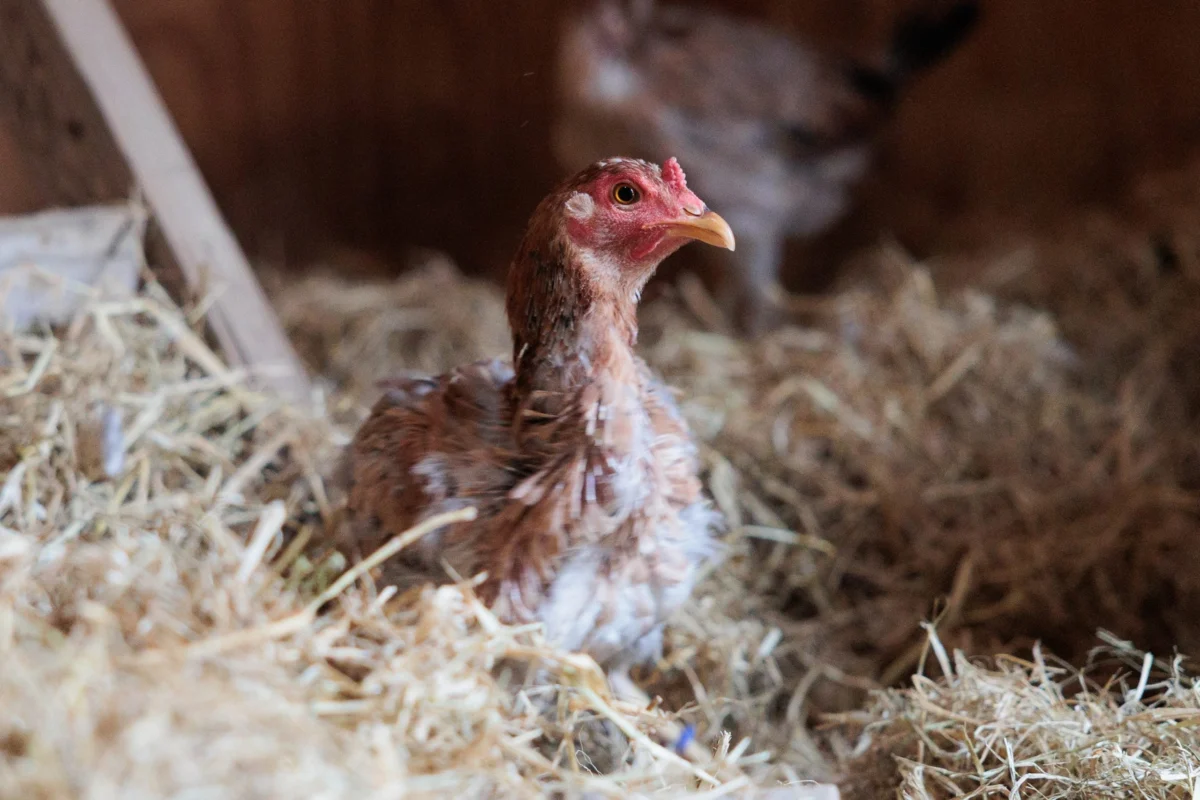
By Editorial Staff | October 15, 2026
In an act of profound cruelty that highlights the darker side of agricultural commodity culture, three chickens were discovered abandoned among piles of illegally dumped garbage on a sweltering summer day in Acton, California. The birds, now thriving under the protective care of Farm Sanctuary, were found in a state of severe neglect, left to perish alongside discarded furniture and household refuse. Their rescue serves as a stark reminder of the ethical implications of viewing sentient beings as mere property.
The Discovery: A Routine Commute Turns into a Rescue Mission
The rescue took place on a quiet afternoon, when Taylor Flannagan, a dedicated caregiver at Farm Sanctuary’s Acton shelter, was returning home from work. He often passed a secluded lookout point on Soledad Canyon Road—a site unfortunately notorious for illegal dumping.
"It’s a place where people illegally dump trash," Flannagan explained. "There are always big piles of random garbage bags and broken furniture."
On this particular day, something caught his eye amidst the debris. Near a discarded wheelbarrow, he noticed movement. Initially fearing he had stumbled upon an injured bird of prey—perhaps a hawk or falcon—Flannagan climbed over an embankment to investigate. What he found instead was a trio of domestic chickens, visibly weak and huddled in the oppressive heat.
"It was three very hungry chickens, abandoned among the trash piles," Flannagan recalled. The birds were clearly frightened, showing signs of having endured significant mistreatment. Yet, as if sensing that help had finally arrived, they were remarkably docile. Recognizing their critical state of starvation and exhaustion, Flannagan realized that time was of the essence.
Chronology of the Rescue
The transition from the roadside dump to the safety of the sanctuary was swift, thanks to Flannagan’s swift intervention and preparedness.
- The Sighting (Mid-Afternoon): Flannagan discovers the birds, identifying their need for immediate assistance.
- Preparation: Recognizing the birds were too weak to flee, Flannagan returned to the sanctuary to gather essential supplies: a kennel, fresh water, nutrient-rich feed, and a safety net.
- The Retrieval: Upon returning to the site, Flannagan observed that the chickens were so desperate for sustenance that they did not require force to capture. By placing food inside an open kennel, he was able to safely contain the birds within minutes.
- Quarantine and Veterinary Intake: Following established safety protocols, the chickens were immediately transported to the sanctuary’s veterinary facilities. They underwent a battery of tests, including mandatory screenings for avian influenza, which returned negative results.
- Rehabilitation: The trio began a recovery program focused on addressing their severe feather loss and malnutrition.
- Integration: After being cleared by the veterinary team, the chickens were formally welcomed into the sanctuary’s permanent resident population, where they were given the names Ravenna, Blossom, and Soledad—the latter a nod to the road where they were rescued.
The Reality of Agricultural Commodities
The abandonment of Ravenna, Blossom, and Soledad is not an isolated incident; it is a symptom of a broader industrial mindset. In the animal agriculture industry, chickens are frequently treated as inanimate commodities—assets to be utilized for production and discarded when they no longer offer a financial return.
When animals are viewed solely through the lens of profitability, their individual needs, personalities, and capacity for suffering are systematically ignored. By disposing of these birds with the trash, their former owners displayed the ultimate manifestation of this "commodity" logic.
Farm Sanctuary, however, operates on a diametrically opposed philosophy. "At Farm Sanctuary, they are valued and loved for who they are, not what they can produce," the organization stated in a press release. This shift in perspective—from "product" to "individual"—is the cornerstone of the sanctuary’s mission.
Supporting Data: The Intelligence of Chickens
Often underestimated by the public, chickens are highly complex, social creatures. Scientific research has consistently demonstrated that they possess a range of cognitive and emotional capacities that rival those of many mammals.
- Emotional Contagion: Studies have shown that chickens exhibit "emotional contagion," meaning they can catch each other’s feelings. If a companion is distressed, others in the flock often show signs of shared anxiety, suggesting a high level of empathy.
- Future Planning: Research indicates that chickens have a sense of time and can anticipate future events. They demonstrate an ability to delay gratification if they understand that a better reward is coming, a trait often associated with higher-level cognitive function.
- Social Structures: Chickens form complex social hierarchies and maintain long-term friendships. They communicate using a sophisticated vocabulary of dozens of distinct vocalizations, each serving a specific purpose—from alerting others to danger to signaling the presence of food.
- Individual Identity: Each chicken has a unique personality. Some are curious and bold, while others are cautious or nurturing. Recognizing these differences is essential for their care at the sanctuary.
Official Responses and Rehabilitation Progress
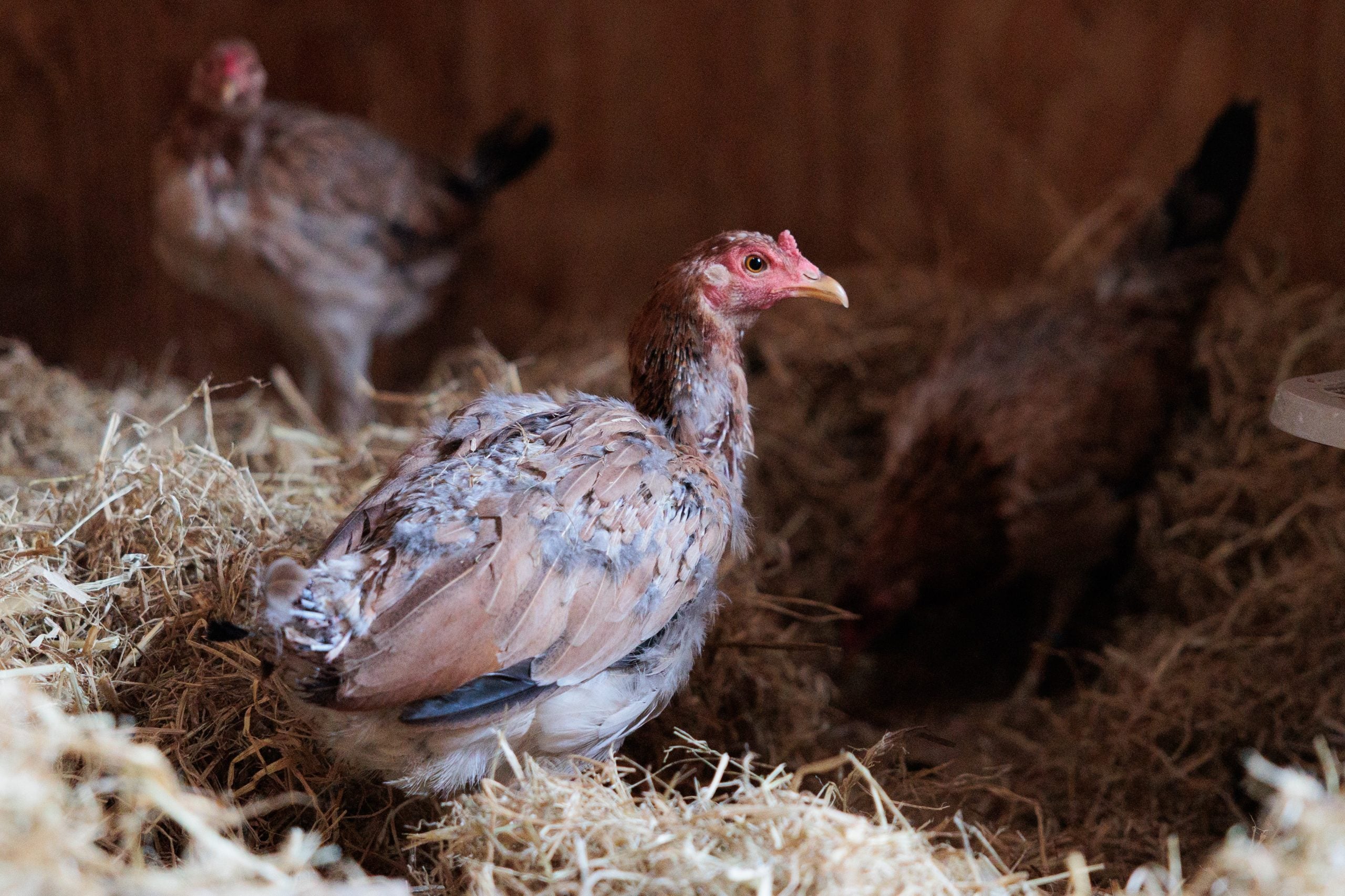
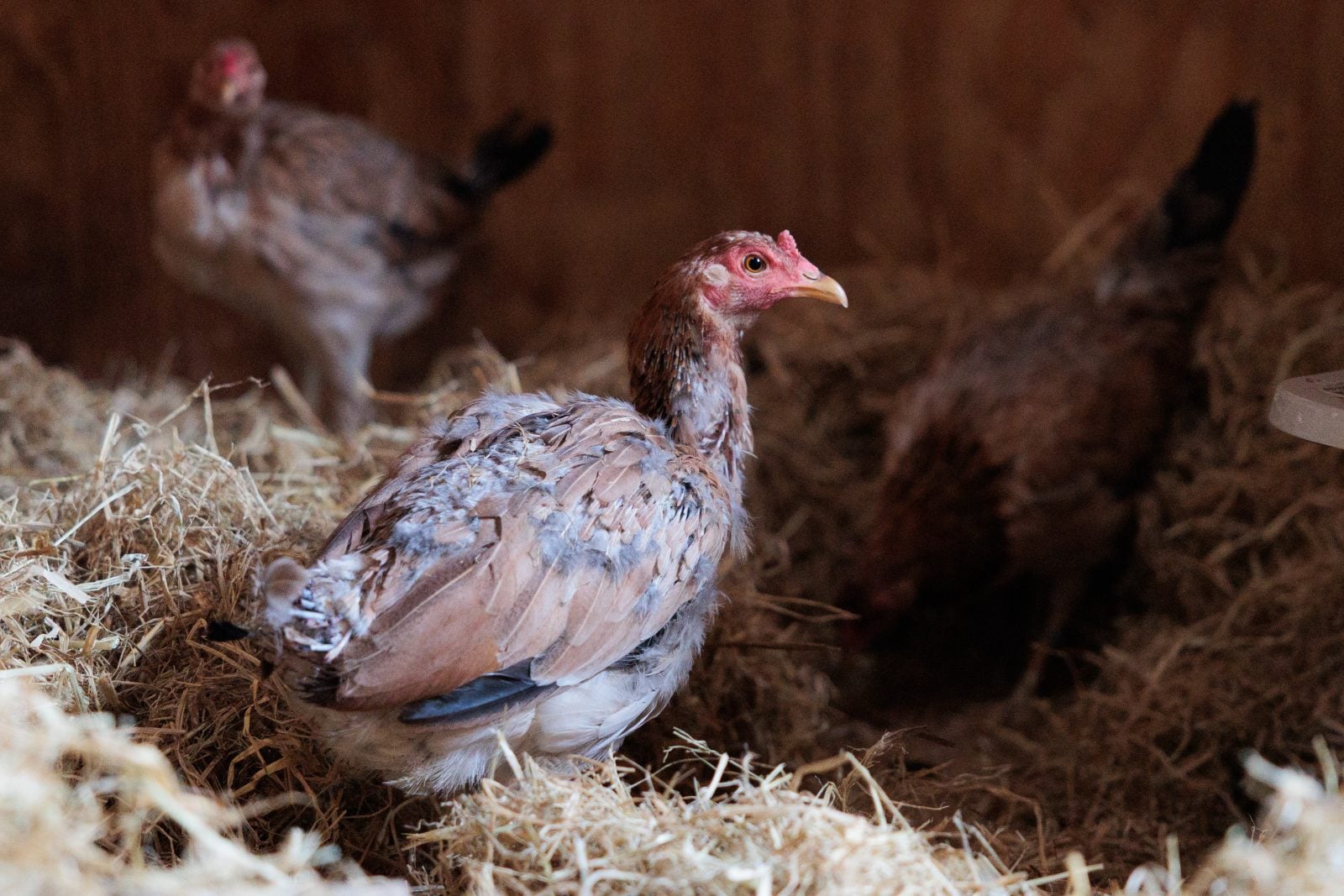
The recovery of the three birds has been encouraging. According to veterinary reports, the primary issue upon arrival was severe feather loss, a common byproduct of stress, poor diet, and cramped living conditions.
"I felt so lucky to be able to save them," Flannagan remarked. His sentiment is shared by the entire staff at the sanctuary. The "before and after" photos of the birds—particularly those of Ravenna—have already begun to circulate, showcasing the rapid improvement in their health. The healing process is not merely physical; it is also psychological. The birds, now living in a safe, enriched environment with soft hay and consistent, high-quality nutrition, are learning to forage, socialize, and exhibit natural behaviors that were suppressed in their previous lives.
Implications for Public Policy and Animal Ethics
The case of the Soledad trio raises significant questions about animal welfare laws and the responsibility of owners. In many jurisdictions, the abandonment of domestic animals is a criminal offense, yet enforcing these laws in rural or isolated areas remains a challenge.
Furthermore, this incident highlights the necessity for greater public awareness regarding the plight of farmed animals. While society has become increasingly sensitive to the welfare of companion animals like dogs and cats, the same standard of protection is rarely extended to chickens, pigs, or cows.
The advocacy work done by organizations like Farm Sanctuary serves to bridge this gap. By telling the stories of individuals like Ravenna, Blossom, and Soledad, they force the public to confront the uncomfortable reality of animal agriculture. If an animal is capable of feeling fear, joy, and complex social bonds, the moral obligation to protect them exists regardless of their intended use in the food system.
A New Beginning
Today, Ravenna, Blossom, and Soledad live in the rolling hills of the Acton shelter. They are no longer part of a statistical "batch" of livestock; they are individuals with names, distinct personalities, and a future free from the threat of exploitation.
As the sanctuary continues to provide them with attentive care, the focus remains on long-term rehabilitation. The birds will continue to heal, not just from the physical neglect they survived, but from the trauma of being treated as trash. Their survival is a testament to the fact that when we choose to intervene, we can rewrite the ending for those who have no voice of their own.
For those who wish to learn more about the cognitive lives of these birds, Farm Sanctuary encourages the public to explore their research on avian intelligence. Perhaps if more people understood that chickens are smart, social, and feeling beings, the societal indifference that led to the "Soledad" tragedy would eventually become a thing of the past. For now, three lives have been saved, and in the quiet, hay-filled barns of the sanctuary, that is more than enough.

 Siti Muinah
 Nana Muazin