

 Nana Wu

 Dwi Wanna

 Suro Senen

 Evan Lee Salim

 Nana
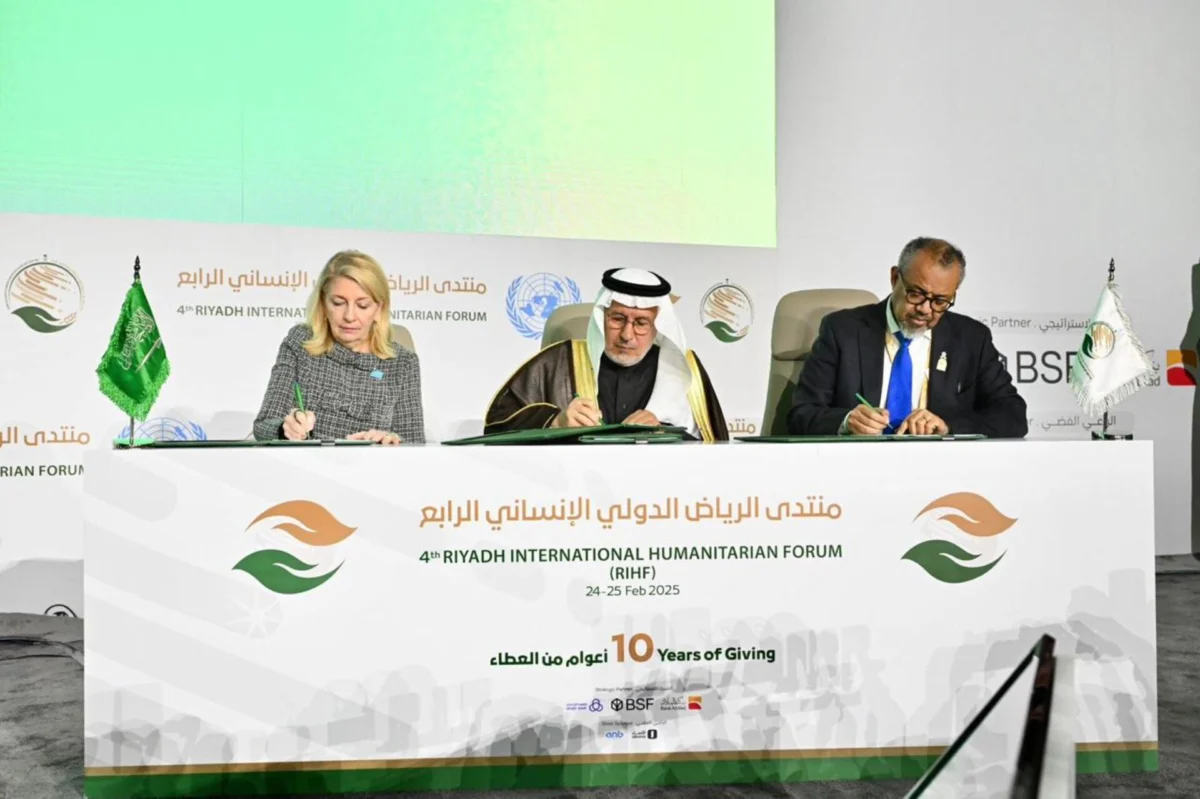
The global humanitarian landscape reached a significant milestone this February as world leaders, health experts, and policymakers converged in the Kingdom of Saudi Arabia for the Riyadh International Humanitarian Forum (RIHF). Held on February 24–25, 2025, the forum served as a crucible for international cooperation, coinciding with the 10th anniversary of the King Salman Humanitarian Aid and Relief Centre (KSRelief). Amidst a backdrop of escalating global conflicts and health emergencies, the event underscored a collective resolve to prioritize the health, dignity, and survival of the world’s most vulnerable populations.
Main Facts: A Landmark Convergence of Aid and Diplomacy
The 2025 Riyadh International Humanitarian Forum was more than a ceremonial gathering; it was a high-stakes diplomatic summit aimed at bridging the gap between humanitarian necessity and political action. The primary agenda focused on the nexus of health diplomacy, the security of aid workers in hostile environments, and the systemic challenges of delivering healthcare in conflict zones.
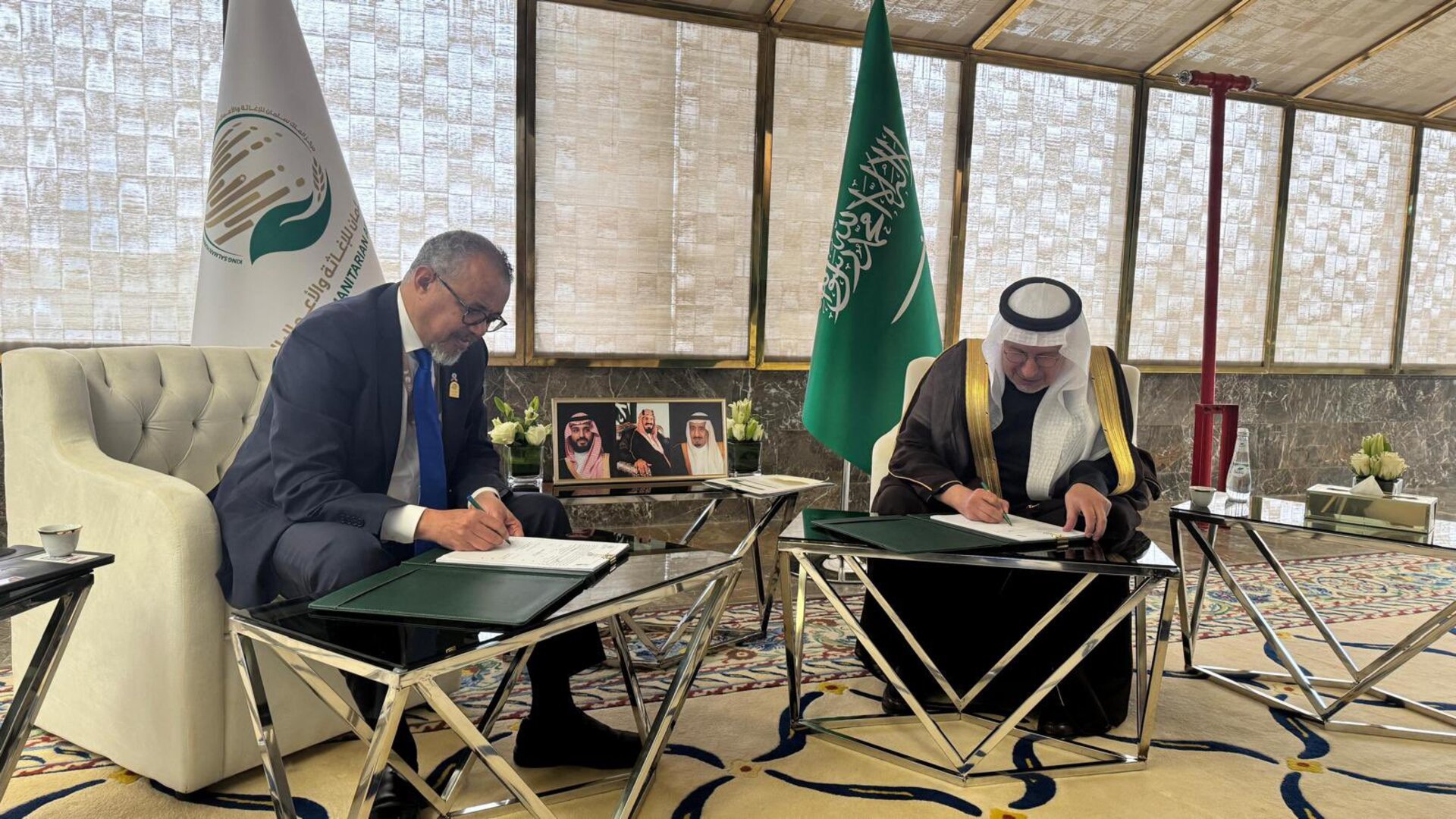
Central to the forum’s success were the multi-million-dollar agreements forged between the World Health Organization (WHO) and KSRelief. These partnerships, signed by WHO Director-General Dr. Tedros Adhanom Ghebreyesus and KSRelief Supervisor-General Dr. Abdullah Al Rabeeah, represent a targeted approach to some of the most pressing infectious disease and humanitarian crises of the decade. The agreements specifically address:
- Disease Mitigation in Yemen: A US$ 12 million commitment to malaria control and US$ 2.1 million to expand cholera treatment capacity.
- Refugee Health Support in Egypt: A US$ 3.6 million initiative to provide life-saving dialysis treatment for Sudanese refugees displaced by the ongoing conflict in their home country.
- Global Polio Eradication: The formalization of a US$ 500 million pledge to the Global Polio Eradication Initiative (GPEI), divided between the WHO (US$ 300 million) and UNICEF (US$ 200 million).
Chronology of the 2025 Riyadh Forum
The proceedings unfolded over two days of intense deliberation, structured to move from policy advocacy to concrete financial action.
Day 1: Advocacy and Strategy
The opening sessions were dedicated to the "Health Diplomacy" framework. Leaders discussed the protection of healthcare infrastructure in conflict zones—an increasingly fraught issue as aid workers face record-high levels of insecurity. Discussions centered on the operational challenges in Gaza, Sudan, and Afghanistan, where the intersection of civil unrest and disease outbreaks creates a perfect storm for humanitarian catastrophe.
Day 2: Operationalization and Pledging
The second day shifted focus to the implementation of long-term funding strategies. This day marked the formal signing ceremonies between the WHO, KSRelief, and UNICEF. By midday, the GPEI funding agreement—the largest single commitment of the forum—was finalized. The day concluded with a joint declaration by all participating international partners to uphold the neutrality of humanitarian aid and to bolster the "Humanitarian Corridor" initiatives that ensure supplies reach besieged regions.
Supporting Data: The Scale of the Crisis
To understand the weight of the pledges made in Riyadh, one must examine the metrics of the crises they aim to mitigate. The humanitarian sector currently faces a funding deficit that has left millions without access to basic medical services.

The Burden of Disease
- Malaria and Cholera in Yemen: Yemen remains one of the world’s most fragile health systems. Years of conflict have destroyed infrastructure, making seasonal outbreaks of cholera and malaria a near-constant threat. The US$ 14.1 million combined investment aims to stabilize these vulnerabilities, targeting populations that have been out of reach for traditional health services.
- The Sudan-Egypt Displacement: As millions flee the violence in Sudan, the host countries, particularly Egypt, have been under immense pressure to maintain public health standards. The US$ 3.6 million allocation for dialysis is not merely a financial gesture; it is a critical intervention for refugees suffering from chronic illnesses who would otherwise face terminal outcomes without consistent, specialized care.
The Global Polio Initiative
The US$ 500 million pledge to the GPEI is, perhaps, the most ambitious component of the forum. Polio, a disease that was once on the brink of total eradication, has seen a resurgence in conflict-affected zones.
- Target Scope: The funding aims to vaccinate approximately 370 million children annually.
- Geographic Focus: A significant portion of these resources is earmarked for Pakistan, Afghanistan, and Gaza. The logistical complexity of reaching children in these regions requires not just vaccines, but massive investment in "cold chain" logistics, community outreach, and security for health workers.
Official Responses and Strategic Vision
The leadership at the forum emphasized that these agreements are not merely stop-gap measures but components of a long-term strategy to build health resilience in the Middle East and beyond.
Dr. Tedros Adhanom Ghebreyesus (WHO Director-General)
In his address, Dr. Tedros highlighted that the partnership with KSRelief has become a "cornerstone of international emergency response." He stated, "The agreements signed here in Riyadh are a testament to the power of targeted, science-driven funding. By focusing on cholera, malaria, and polio, we are addressing the diseases that disproportionately affect those who have already lost everything."
Dr. Abdullah Al Rabeeah (KSRelief Supervisor-General)
Dr. Al Rabeeah positioned the forum as a reflection of the Kingdom of Saudi Arabia’s broader "Vision 2030" goals, which include a robust commitment to global welfare. "Humanitarianism is not a secondary concern for us; it is a fundamental pillar of our international policy," he noted. "We have seen the devastation that disease brings to refugee populations. Our responsibility is to ensure that healthcare is recognized as a fundamental human right, regardless of the political climate."
Catherine Russell (UNICEF Executive Director)
Speaking on the GPEI agreement, Russell underscored the importance of continuity. "Vaccination is the most effective tool we have to protect the next generation. With this US$ 500 million pledge, we can ensure that the momentum toward a polio-free world does not stall, even in the most difficult-to-reach areas on the planet."
Implications: A New Era for Humanitarian Diplomacy
The outcomes of the Riyadh International Humanitarian Forum carry significant implications for the future of global aid.
1. The Professionalization of Aid Delivery
The forum signals a shift toward more specialized, bilateral funding agreements. By focusing on specific health outcomes—dialysis for refugees, polio for children, and malaria for Yemen—the stakeholders are demonstrating a move away from generalized aid toward "results-based financing." This model provides greater accountability for donors and ensures that funds are tied to measurable public health indicators.
2. Strengthening the Humanitarian-Development Nexus
The inclusion of long-term disease eradication (polio) alongside emergency response (cholera/malaria) suggests that international partners are looking to bridge the gap between emergency relief and sustainable development. The goal is to create health systems that are resilient enough to survive conflict rather than simply being replaced by foreign aid during crises.
3. Geopolitical Stability through Health
By providing substantial support to host countries like Egypt and addressing the health needs of displaced populations, the forum highlights how humanitarian aid acts as a stabilizer in volatile regions. The ripple effect of these interventions—reducing the likelihood of disease outbreaks in refugee camps—serves to prevent wider regional health crises that could otherwise destabilize borders and resources.
4. The Challenges Ahead
Despite the optimism generated by the forum, the organizers were clear-eyed about the obstacles. The security of aid workers remains the single greatest challenge to implementation. The forum concluded with a consensus that international law must be more rigorously enforced to protect medical facilities and humanitarian corridors. The agreements are, in essence, an act of faith—a belief that in the face of immense suffering, the international community can organize itself to save lives.
Conclusion
The 2025 Riyadh International Humanitarian Forum has established a high benchmark for the year ahead. Through its multi-million-dollar commitments and high-level diplomatic engagement, it has reaffirmed the Kingdom of Saudi Arabia’s position as a central hub for humanitarian strategy. As these funds begin to move from balance sheets to field operations, the focus will shift to the operational frontline, where the success of these initiatives will be measured by the lives saved, the diseases contained, and the health systems fortified against the encroaching tide of global instability.
This forum has proven that while the humanitarian crises of our time are complex and deeply entrenched, they are not insurmountable when met with coordinated international investment and unwavering political will.


