

 Nana Wu

 Dwi Wanna

 Suro Senen

 Evan Lee Salim

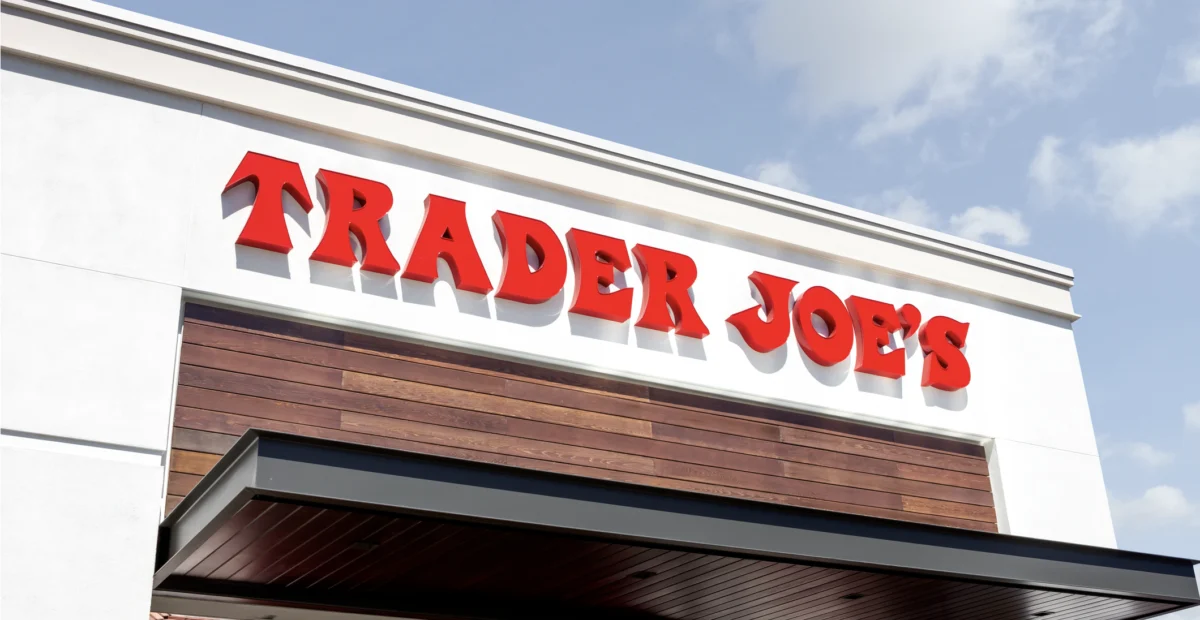
On Friday, October 23, 2026, the U.S. Department of Agriculture’s (USDA) Food Safety and Inspection Service (FSIS) finally confirmed what many consumers had suspected for weeks: Trader Joe’s Tarragon Chicken Salad Wraps were the source of an E. coli O157:H7 outbreak that has sickened at least 50 people across the country.
However, this confirmation did not arrive via a formal press release, a public health alert, or a transparent update on a government website. Instead, the agency provided the information in a brief email to USA TODAY, responding to persistent inquiries sparked by a lawsuit and investigative reporting. The revelation highlights a growing, systemic crisis in how federal agencies communicate life-saving information to the American public. In an era where food safety should be a matter of public record, the identities of contaminated products are increasingly shielded behind bureaucratic inertia, leaving consumers in the dark until it is far too late.
The Anatomy of an Outbreak: Main Facts
The E. coli O157:H7 outbreak associated with these wraps has resulted in at least 50 confirmed illnesses, many of which required hospitalization. E. coli O157:H7 is a particularly dangerous pathogen, capable of causing severe abdominal cramps, bloody diarrhea, and, in extreme cases, Hemolytic Uremic Syndrome (HUS)—a form of kidney failure that can be fatal, especially among children and the elderly.
Despite the severity of the illnesses, the federal government maintained a veil of secrecy for over a month. While the Food and Drug Administration (FDA) and the USDA-FSIS were aware of the "possible issue" as early as September, the public remained uninformed. The link between the illness and the specific Trader Joe’s product only became common knowledge after a civil complaint, Gottlieb and Bright v. Trader Joe’s Company, was filed on October 15 in the Central District of California.
A Chronology of Concealment
The timeline of this outbreak serves as a damning indictment of current regulatory communication strategies.
Late August: The Initial Wave
The first indicators of the outbreak emerged in late August. Gayle Gottlieb, a resident of Pembroke, North Carolina, purchased three Tarragon Chicken Salad Wraps from a Trader Joe’s in Myrtle Beach on August 23. She consumed the first wrap on August 27 and was admitted to the emergency department by August 30. Simultaneously, Meaghan Egan Bright of Somerville, Massachusetts, purchased a wrap at an Allston-based Trader Joe’s on August 24. She fell ill on August 27 and spent nearly a week hospitalized at Massachusetts General Hospital.
September: Internal Awareness, External Silence
By September, federal agencies had identified a clear pattern. The FDA alerted Trader Joe’s to a "possible issue" with the product, prompting the retailer to pull the wraps from shelves across nine states. Records from Massachusetts indicate that federal partners were in contact, production was halted, and a "focused questionnaire" regarding the wraps was distributed to state health departments.
September 23: The Anonymous Investigation
On September 23, the FDA opened reference number 1421 (USDA-FSIS 2026-04) on its table of active outbreak investigations. At that time, 25 people were already sick. The entry identified the vehicle only as a "Multi-ingredient wrap with chicken (suspect)." There was no brand name, no retailer identification, no manufacturer listed, and—most critically—no public recall notice.
October 15–23: The Pressure Mounts
On October 15, with the illness count reaching 50, the law firm Marler Clark filed a lawsuit naming Trader Joe’s. While local and trade media outlets began reporting the connection, the official FDA investigation table remained static. It was not until USA TODAY demanded answers on October 23 that the FSIS finally confirmed the link.
The Failure of "Default Silence"
The most alarming aspect of this situation is not just the delay, but the underlying philosophy of the agencies involved. The science behind the outbreak did not change between September 23 and October 23. The traceback was complete, the product was removed from commerce, and production lines were already shuttered. The decision to withhold the name of the retailer was a discretionary choice, not a scientific necessity.
This "default silence" is a dangerous trend. Just days before the confirmation regarding Trader Joe’s, the FDA closed a 119-person Salmonella Newport outbreak without ever naming the food source. Had a lawsuit not forced the issue, the Trader Joe’s wraps would likely have been swept under the rug in the same manner. This pattern suggests that, without legal or media pressure, the public is rarely entitled to know what they have consumed or what risks they may have faced.
Unanswered Questions and Lingering Risks
Even with the recent confirmation, significant gaps in the investigation remain. The federal agencies have yet to address several critical points:
- The Manufacturer: While evidence points toward F&S Fresh Foods of Vineland, New Jersey, neither the FDA nor the USDA has confirmed the manufacturer. Identifying the source is vital, as it allows investigators to determine if the contamination occurred at the processing facility and if other products from the same line—sold at different retailers—are also compromised.
- Scope of Distribution: The public still does not know which nine states were affected, leaving consumers who may have frozen or stored these products unaware of the danger sitting in their own homes.
- Clinical Data: The agencies have not released data regarding the number of hospitalizations or the incidence of HUS. This data is essential for the public to understand the true clinical burden of the outbreak.
- Ingredient Traceability: Because these wraps are multi-ingredient products, investigators must determine which component—the lettuce, the chicken, the dressing, or another element—was the primary carrier of the E. coli.
The Case for Reform: An Outbreak Disclosure Petition
The lack of transparency in this case has reignited calls for a formal "outbreak firm disclosure" mandate. Advocates argue that the identity of a company linked to a foodborne illness outbreak should be treated as essential public health information rather than a "confidential business secret."
A proposed petition for rulemaking, currently in circulation, seeks to force the FDA to use its existing authority under section 705(b) of the Food, Drug, and Cosmetic Act to name firms as soon as an investigation reaches a certain threshold. The petition proposes that the agency should publish case counts, affected states, onset dates, and the specific food vehicle as soon as a traceback begins.
Conclusion: A Call for Accountability
The current status quo is unsustainable. When the government hides the identity of a contaminated product, it strips consumers of their ability to make informed decisions and seek appropriate medical care. In 2013, when Glass Onion Catering products were linked to an outbreak at Trader Joe’s, federal agencies acted with urgency, naming the maker and the products within days. Thirteen years later, the system has regressed, placing the burden of investigative journalism on the shoulders of the press rather than the government agencies tasked with protecting the public.
For the sake of public health, the USDA and FDA must move beyond the "email-only" disclosure model. They should immediately publish a comprehensive investigation report, confirm the manufacturer, and outline the full scope of the affected products. Transparency is not an optional feature of public health; it is the very foundation upon which consumer trust is built. Without it, the public remains not just vulnerable, but essentially blind to the hazards in their own grocery bags.


