
 Nana Wu

 Dwi Wanna
 Suro Senen

 Evan Lee Salim
 Basiran
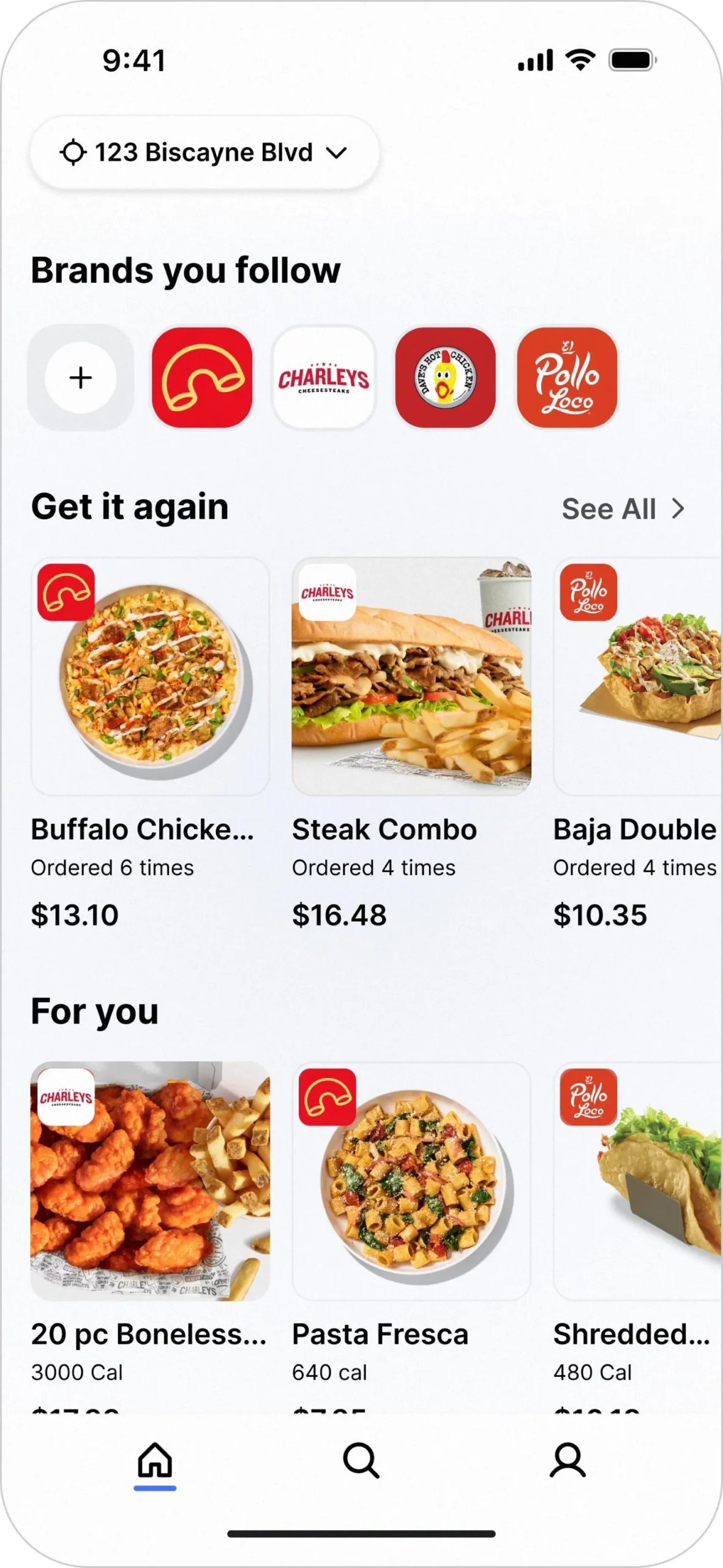
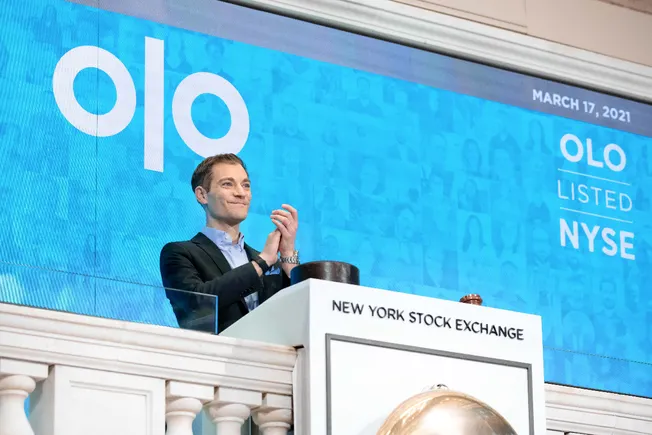
In a landscape dominated by the titans of food delivery—DoorDash, Uber Eats, and Grubhub—a new challenger has emerged from within the industry’s own infrastructure. Olo, the restaurant-tech firm that has long served as the digital plumbing for thousands of major chains, is launching a consumer-facing app designed to upend the current economics of online food ordering.
By bypassing the traditional third-party aggregator model, Olo aims to provide a more transparent, cost-effective alternative for consumers while protecting the margins of restaurant operators. With a goal of processing one billion orders annually by 2030, Olo is positioning itself as the "third way" in a bifurcated market, hoping to capture the massive "middle ground" of diners who are disillusioned with the high markups of delivery marketplaces but not necessarily wedded to a single restaurant’s proprietary app.
The Core Problem: The "Menu Markup" Economy
To understand the necessity of Olo’s new venture, one must look at the math that defines modern food delivery. For years, the restaurant industry has operated under a strained relationship with third-party delivery aggregators. These platforms offer unparalleled reach and discovery, but at a significant cost: commissions that can climb as high as 30% per order.
To preserve their razor-thin margins, many restaurants have been forced to pass these costs on to the consumer, leading to the "menu markups" that have become a standard, if frustrating, feature of food delivery apps. A sandwich that costs $10 in-store might cost $13 on a third-party app, with additional service fees and delivery charges layered on top.
"Because the delivery marketplaces charge the restaurants a commission, restaurants have offset that by charging a higher price on the marketplaces," explains Noah Glass, CEO of Olo. "Avoiding them is a major opportunity for consumers to save."
Olo’s new app seeks to dismantle this structure. Instead of the opaque and often exorbitant markups found on competitor platforms, Olo is introducing a transparent 5% network fee. According to Glass, this fee is presented clearly at the top of the menu and again at checkout—a direct jab at the current industry practice of "lumping" fees into taxes and service charges to hide the true cost from the consumer.
Chronology of Development: From Infrastructure to Consumer Front-End
Olo’s transition from a business-to-business (B2B) powerhouse to a consumer-facing entity has been a calculated evolution. For years, Olo has provided the digital architecture for some of the world’s largest restaurant brands, facilitating online ordering, menu management, and kitchen display systems.
- The B2B Foundation: Olo spent over a decade perfecting the "plumbing" of digital orders. By integrating directly into restaurant Point-of-Sale (POS) systems, the company ensured that orders flowed seamlessly from digital storefronts to the kitchen line.
- The Dispatch Milestone: A critical piece of the puzzle was the launch of Olo Dispatch, a tool that allowed restaurants to manage their own delivery logistics by pinging multiple local delivery fleets to find the best quote. This effectively decoupled the ordering process from the delivery process.
- Soft Launch and Pilot Phase: The new app launched with approximately 20,000 restaurant locations across 250 brands that already utilize the Olo ecosystem. This provided an immediate, robust selection for the app’s debut.
- The Roadmap: Olo’s current strategy involves a phased rollout. After testing the app with existing partners, the company plans to scale to its full network of 90,000 locations before eventually opening the platform to the broader restaurant industry.
Supporting Data: Understanding the Consumer "Middle Class"
Olo’s market research suggests that the food delivery sector is currently divided into two distinct camps. On one side are the "Marketplace Loyalists"—consumers who prioritize variety and discovery, often willing to pay the premium prices associated with third-party aggregators. On the other are the "Brand Loyalists"—customers who exclusively use a specific restaurant’s website or app to secure the best prices and rewards.
However, Glass identifies a significant "third group"—the massive, untapped middle of the bell curve. These are consumers who find marketplace prices prohibitively expensive but are unwilling to download a different app for every restaurant they frequent.
"There’s this big middle in the normal distribution curve of guests who aren’t quite loyal enough to a brand to download their app, don’t want to pay 15% to 30% more, find delivery really expensive, but do want to have the convenience of food ordering for pickup and delivery with multiple brands," Glass noted.
With an existing user base of roughly 40 million customers interacting with Olo-powered systems, the company believes it can rapidly scale its new app. If Olo captures even a fraction of this "middle class," the goal of one billion annual orders by 2030 becomes a mathematical reality rather than a speculative ambition.
Official Responses and Operational Mechanics
A common question regarding Olo’s new app is: If it isn’t a third-party aggregator, who is actually delivering the food?
The answer lies in Olo’s existing relationship with the very companies it is challenging. When a customer places an order through the Olo app, it is processed exactly like a first-party order. The restaurant receives the order data directly, allowing them to maintain ownership of customer information—a vital asset for marketing and loyalty programs.
For the delivery itself, Olo’s Dispatch tool polls available delivery services to find the most efficient courier. Often, these are the same drivers working for DoorDash or Uber Eats, but under "white label" agreements. These agreements, such as Uber Direct or DoorDash Drive, typically involve a set delivery fee rather than the high percentage-based commission associated with the consumer-facing marketplace apps.
This symbiotic relationship provides a distinct advantage to the delivery aggregators as well: high-volume, predictable demand. By funneling more orders through the "white label" side of their businesses, delivery platforms can ensure their drivers have consistent earning opportunities, which aids in driver retention and fleet stability.
Implications for the Restaurant Industry
The implications of Olo’s move are profound. If successful, it could fundamentally re-center the power dynamic in the restaurant-delivery ecosystem.
1. Reclaiming Data Ownership
For years, restaurants have complained that third-party apps "own" the customer relationship. By using the Olo app, restaurants receive the order as if it came from their own website, preserving the data trail that allows them to personalize marketing and improve customer service.
2. A Shift in Pricing Power
By removing the 30% commission overhead, Olo forces a competitive pricing pressure on the market. If consumers can consistently find lower prices on the Olo app, third-party marketplaces may be forced to either lower their commission rates to restaurants or face a mass exodus of vendors looking to protect their margins.
3. Efficiency via Consolidation
For the consumer, the primary benefit is the reduction of the "markup tax." By paying a flat 5% fee instead of inflated menu prices, the cost of a routine takeout or delivery order decreases significantly. This potential for savings is the primary engine behind Olo’s projected growth.
4. The Path to One Billion Orders
Olo’s target of one billion orders is ambitious. It requires not only technological refinement but also a significant change in consumer behavior. Glass remains realistic, acknowledging that the transition will be iterative. "It’s unlikely to cause an immediate shift in industry economics," he stated. However, as the app matures and the user base grows, the combination of lower prices and high-quality data could make the Olo app the default choice for the average, cost-conscious diner.
Conclusion: A New Era of Delivery
The battle for the dinner table has shifted from who has the most aggressive marketing budget to who can provide the most efficient, transparent service. Olo is betting that the future of the industry lies not in the "winner-take-all" marketplace model, but in a neutral, efficient, and data-rich infrastructure that serves both the restaurant and the consumer.
As the industry watches, the success of this app will likely depend on whether Olo can bridge the gap between technical infrastructure and consumer experience. If the "big middle" of the market adopts the platform, the traditional third-party delivery model may soon find itself facing a permanent, and perhaps existential, shift in its business strategy. For now, the move is a bold declaration that the era of hidden fees and inflated menu prices may finally have an expiration date.


 Siti Muinah
 Rifan Muazin