
 Nila Kartika Wati

 Layla Zulfa

 Ammar Sabilarrohman

 Pevita Pearce

 Lina Hope
 Suro Senen

As the frost begins to retreat and the first whispers of spring stir in the landscape, farmers and growers face a critical window of opportunity. March is a month of transition; while southern regions may be preparing for immediate planting, northern climates may still be locked in a cold embrace. Regardless of the latitude, the state of your soil remains the primary determinant of your season’s success. Preparing your fields now—not just with intent, but with the right biological and chemical amendments—is the foundation of long-term soil health and record-breaking yields.
The Core Philosophy: Soil Health as an Investment
The most successful agricultural operations treat soil not as a static medium for roots, but as a living, breathing ecosystem. Before spreading a single bag of amendments, the golden rule of modern agronomy applies: Test, don’t guess.
A professional soil test provides a baseline, revealing the nutrient profile, pH balance, and organic matter content of your land. Adding amendments without this data is akin to navigating a ship without a compass; you may move forward, but you are likely to drift off course. Once you have your data, March becomes the ideal time to implement a strategy that prioritizes soil biology. By focusing on organic materials, you feed the microbiome, which in turn fosters a resilient, self-sustaining growing environment.

Chronology of Spring Preparation
The agricultural calendar in March is dictated more by soil temperature than by the calendar date.
- Early March (The Planning Phase): If your soil temperature is below 40°F (4°C), refrain from working the ground. Turning cold, wet soil causes compaction and destroys soil structure. Use this time to source your amendments. Whether you are ordering bulk compost from a local supplier or scavenging leaves and wood chips from your own woodlot, logistics should be finalized now.
- Mid-March (The Monitoring Phase): As the ground begins to thaw, use a soil thermometer to track warming trends. Once temperatures hit that 40°F mark, the microbial life in the soil begins to wake up. This is your cue to begin the surface application of amendments.
- Late March (The Incorporation Phase): In warmer climates, as the soil dries out enough to be worked without clumping, surface-applied amendments can be lightly incorporated into the top two inches of the soil profile.
Essential Amendments: A Toolkit for the Season
Compost: The Foundation of Fertility
Compost is the "black gold" of the farm. It serves as both an organic fertilizer and a microbial inoculant. When added to the field, it introduces beneficial fungi, bacteria, and archaea that facilitate nutrient cycling. Unlike synthetic fertilizers that provide a quick, volatile burst of nutrients, compost releases fertility slowly, mimicking the natural decay processes of a healthy forest floor.
Pro-Tip: If you do not have a compost system, establish one now. A simple pile with a 3:1 carbon-to-green ratio—using materials readily available on your farm—can turn waste into a high-value asset by the following season.

Mulch: The Protective Blanket
Mulch is the most versatile March amendment because it requires no soil temperature threshold to be effective. It acts as an armor for your fields, preventing erosion caused by the erratic rainstorms of early spring and suppressing the germination of early-season weeds.
Organic mulches like straw, wood chips, and shredded leaves serve a dual purpose: they regulate soil temperature and, as they break down, contribute organic matter back into the soil. For row crops, apply a two-to-three-inch layer, ensuring you keep the material away from the base of stems or trunks to prevent rot.
Worm Castings: The Bio-Stimulant
Often called vermicompost, worm castings are the gold standard for nutrient density. They are packed with beneficial microbes and essential trace minerals that are often missing from standard bulk soils. Castings increase soil porosity, allowing for better water retention and root aeration.
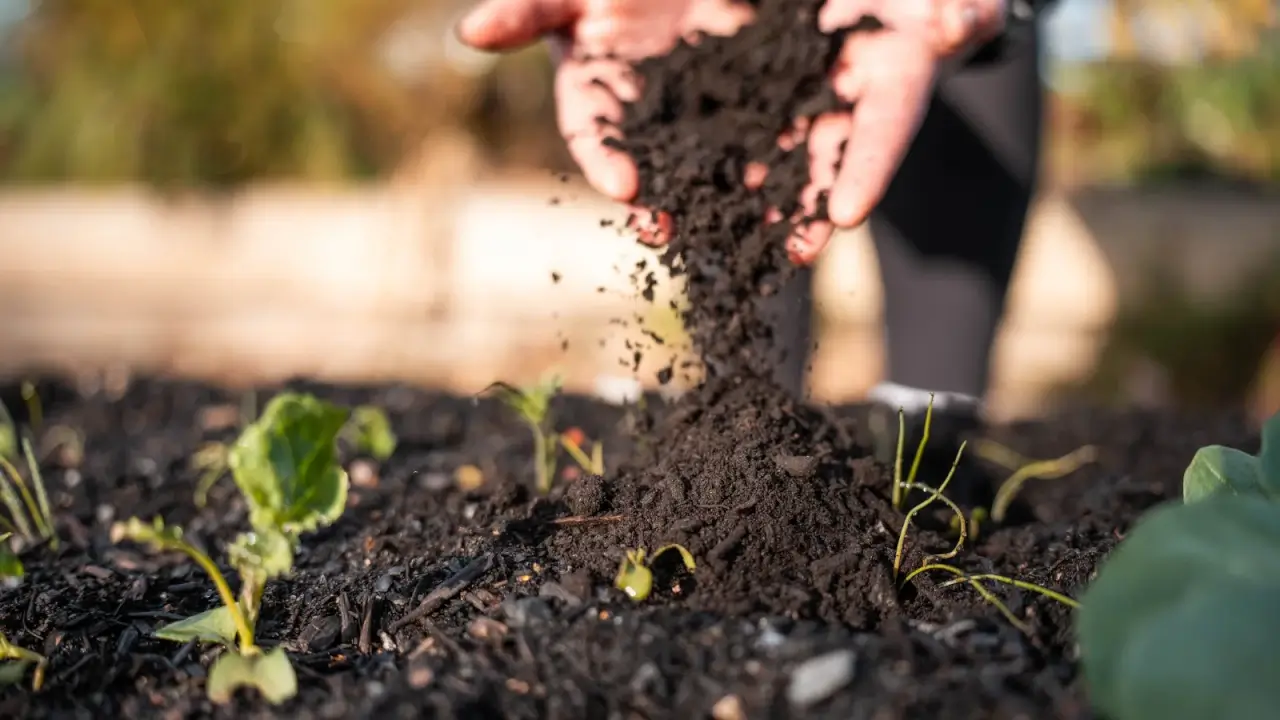
For farmers looking to scale up, implementing a vermicompost system—where organic waste is processed through worm bins—can turn your kitchen and farm scraps into a continuous supply of high-potency fertilizer. Even a small amount of castings worked into the topsoil can significantly boost plant vigor in the early stages of growth.
Leaf Mold: Learning from the Forest
Forests never need synthetic fertilizers because they operate on a closed-loop system of nutrient cycling. Leaf mold, the byproduct of decaying deciduous leaves, is a concentrated form of this natural process. By gathering leaves that would otherwise be sent to the waste stream and applying them to your beds, you are importing the "forest floor effect" to your farm. It is a slow-release, cost-effective way to improve soil structure and moisture retention.
Data-Driven Decision Making: The Role of Fertilizers
While organic amendments build long-term soil structure, targeted fertilizers address specific nutrient deficiencies. However, caution is required. Over-application of fertilizers, particularly synthetic nitrogen, can lead to nutrient leaching, groundwater contamination, and an imbalance in the soil microbiome.

Always refer back to your soil test results. If your test indicates a deficiency in specific macro-nutrients, consider a full-spectrum organic powdered fertilizer. These options provide a balanced profile of nutrients without the "scorched earth" impact that high-salinity synthetic products can have on beneficial soil life.
Implications for Future Yields
The work performed in March has a compounding effect. Soil that is properly amended with organic matter will demonstrate improved "tilth"—the physical condition of the soil that allows for easy root penetration and optimal water infiltration.
Economic Implications: By sourcing amendments from within the farm (composting, using leaf mold, and creating worm castings), you reduce input costs significantly. This creates a higher profit margin for the final crop.

Environmental Implications: A robust soil structure acts as a carbon sink. By building organic matter, farmers are not only preparing for the current season but are also actively participating in climate mitigation. Healthy soil holds more water, meaning your crops will be more resilient during the inevitable mid-summer dry spells.
Expert Perspective: Integrating Solutions
The consensus among soil scientists and veteran farmers is shifting away from "feeding the plant" toward "feeding the soil."
"If you focus on the soil health, the plants will take care of themselves," notes the recent research from the Solutions Hub. Innovations in no-till farming and cover cropping suggest that the less we disturb the soil, the more efficiently our amendments work. By utilizing surface applications like mulch and compost in March, we protect the fragile, microscopic architecture of the soil that winter has left behind.

Conclusion: A Proactive Approach
March is a time of immense potential. By taking the time to assess your soil’s needs, sourcing organic amendments, and applying them with precision, you set the stage for a productive, healthy season. Whether you are managing a small market garden or a sprawling acreage, the principle remains the same: the health of your harvest begins in the dark, quiet world beneath your feet.
As the ground warms, stay observant. Monitor how your soil responds to your amendments and be prepared to adjust your strategy as the season progresses. By investing in the soil today, you are ensuring the prosperity of your farm for years to come.