

 Nana Wu

 Dwi Wanna

 Suro Senen

 Evan Lee Salim

 Asro
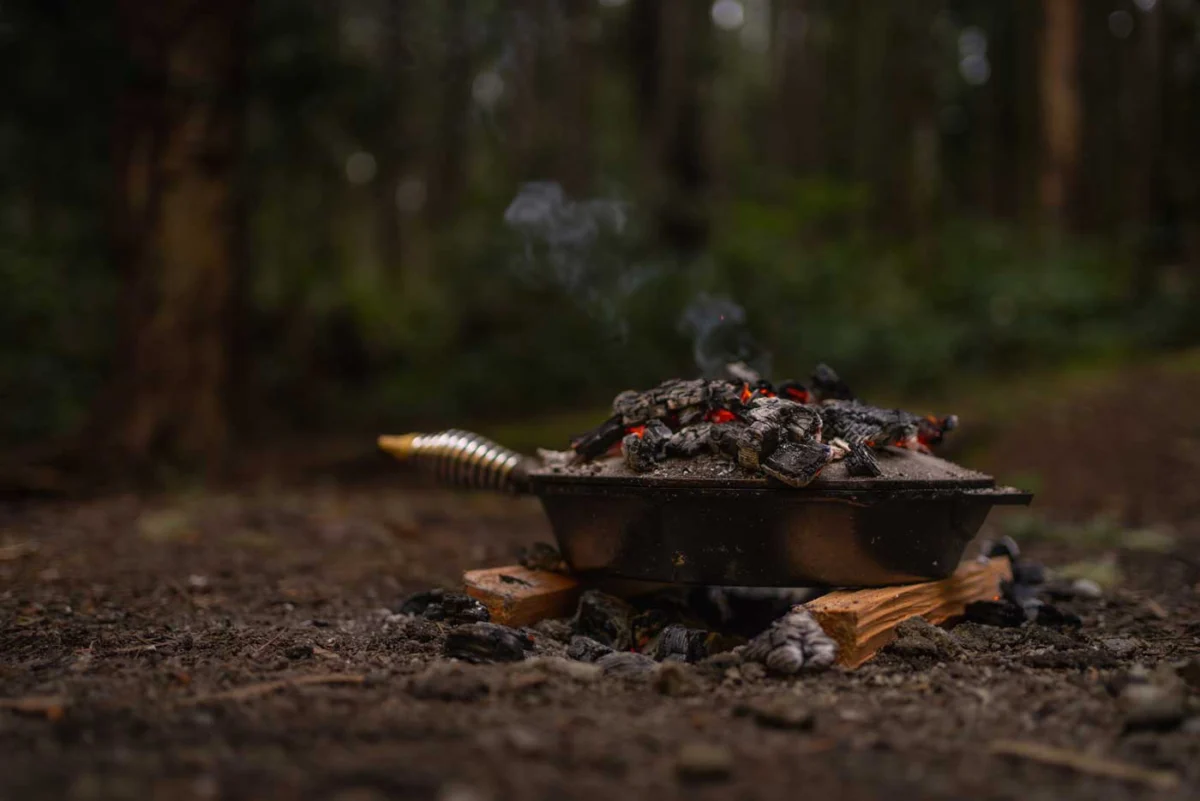
There is a widely held, near-universal truth among outdoor enthusiasts: everything simply tastes better outdoors. While the classic hot dog charred over an open flame remains a nostalgic staple of the American camping experience, the modern camper is increasingly trading basic fare for elevated, chef-inspired cuisine. Today’s campgrounds have become the stage for a new kind of culinary movement—one that prioritizes fresh, foraged, and thoughtfully prepared meals that turn a simple weekend getaway into a gourmet excursion.

The evolution of camp cooking is driven by a desire for variety and the inherent satisfaction of crafting a meal from scratch under the open sky. As camping continues to see a surge in popularity, the "camp kitchen" has transformed from a simple cooler and a rusty grate into a sophisticated arena where cast-iron mastery and creative flavor profiles take center stage.

The Silent Competition: Gear vs. Gastronomy
At any popular campground, there exists an unspoken, lighthearted rivalry. For the gear aficionado, the competition is visual, played out in the tactical layout of high-end stoves and specialized cookware. However, the true "winners" of the campground are often those who embrace the primitive elegance of an open fire. These culinary sorcerers, armed with little more than a well-seasoned cast-iron skillet and a few choice ingredients, are the ones drawing the attention of neighbors—not through their gear, but through the intoxicating, savory aromas that drift through the pines.

This olfactory contest is where the real work happens. While we cannot see or taste our neighbors’ culinary efforts, the scent of woodsmoke mingled with roasting garlic, searing steak, or baking bread is a powerful social connector. Creating an intoxicating atmosphere in your own camp kitchen is the ultimate goal, transforming a routine meal into an immersive experience.

Chronology of a Well-Fed Trip: Planning Your Menu
A successful camping trip is built on the foundation of a well-planned menu. The secret to minimizing stress while maximizing flavor lies in the "prep-ahead" philosophy. By focusing on modular ingredients—those that can be repurposed throughout the trip—campers can maintain a high standard of dining from Friday night dinner through Sunday morning brunch.

Breakfast: The Dawn of Flavor
The early riser who claims the campfire first holds the power to define the mood of the entire camp. A breakfast of sizzling bacon or a sophisticated cast-iron skillet pizza sets a high bar. For those who prioritize efficiency, preparing a sweet potato hash with homemade chicken sausage before departing ensures that breakfast is a matter of minutes, not hours.

For trips where refrigeration is limited, the "no-refrigeration" menu is essential. Dishes like Edible New Mexico’s cast-iron chilaquiles or an open-fire shakshuka rely on shelf-stable ingredients and hard, aged cheeses, ensuring that even on the final morning, the food remains vibrant and satisfying.

The Bread Basket: Baking in the Wild
Campfire baking is perhaps the most rewarding project an outdoor cook can undertake. Recipes such as the Australian-inspired damper bread or traditional Pan de Campo provide a perfect, hearty accompaniment to any meal. These breads are versatile; serve them warm with butter and honey in the morning, then repurpose the leftovers as sandwich carriers or side-dishes for evening stews.

Supporting Data: Techniques for Elevated Dining
The shift toward sophisticated camp cooking is supported by a growing library of regional recipes provided by the Edible Communities network. These recipes emphasize using local, seasonal produce to create dishes that feel both rustic and refined.

- Catch-and-Cook Seafood: For the angler or coastal camper, the catch-and-cook experience is the pinnacle of the trip. Whether it’s whole snapper grilled in banana leaves or trout salt-baked over hot coals, these methods preserve the delicate texture of the fish while imparting a signature smoke flavor.
- The Power of the Marinade: Proteins like bison, beef, and chicken benefit immensely from pre-trip preparation. By marinating and freezing meats before leaving home, the cooler serves as a mobile freezer, and the meat is perfectly tenderized by the time it reaches the grill.
- Vegetarian Innovation: Meat-free cooking has moved far beyond the veggie burger. From eggplant parmesan kebabs to nutrient-dense backcountry curries, the focus is on utilizing vegetables as the main event rather than an afterthought.
Official Perspectives: The Joy of the Camp Kitchen
According to experts in outdoor culinary arts, the key to a happy campsite is the "well-fed camper." When the quality of the meal increases, the overall satisfaction of the trip rises proportionally. The act of cooking over a fire encourages communal gathering, turning the meal into a focal point rather than a logistical hurdle.

The integration of sauces and sides—such as fruit-forward barbecue sauces, quick-pickled jalapeños, or homemade salsas—provides the "finish" that distinguishes a home-cooked meal from standard trail food. These elements allow campers to customize their dishes, ensuring that even a simple taco or burger feels like a gourmet creation.

Implications for the Future of Camping
As we look toward the future of outdoor recreation, the trend toward high-quality, artisanal cooking in the wilderness shows no signs of slowing. This shift has broader implications: it encourages a deeper connection to the environment, as campers become more interested in foraging (such as gathering dandelion greens or spruce tips) and sourcing ingredients from local, regional producers.

Furthermore, the rise of specialized cooking equipment—dutch ovens, pie irons, and portable grills—has made these complex techniques accessible to everyone from the weekend warrior to the seasoned backcountry explorer.

Essential Tips for the Aspiring Camp Chef:
- Prep is Paramount: Chop, marinate, and portion your ingredients before leaving home.
- Cast-Iron is King: It provides the even heat distribution necessary for everything from searing a tomahawk steak to baking a campfire cobbler.
- Embrace the Forage: When in safe, permitted areas, incorporating wild ingredients adds a layer of place-based flavor that store-bought goods cannot replicate.
- Don’t Forget Dessert: A campfire without s’mores is a missed opportunity, but upgrading the experience with homemade marshmallows or grilled peach angel food cake elevates the tradition to an art form.
Conclusion: The Ultimate Reward
Ultimately, the goal of the camp kitchen is to provide sustenance that warms the body and spirit after a day of exploration. Whether you are roasting a whole snapper in a banana leaf, simmering a pot of bison chili, or simply toasting a marshmallow to perfection, the time spent cooking is time well spent.

As you plan your next outing, look beyond the standard menu. Challenge yourself to experiment with new techniques, lean into the local flavors of your destination, and remember that the best ingredient in any recipe is the fresh air and the company of those around the fire. Happy camping, and may your fire always be the right temperature for the perfect meal.

 Nila Kartika Wati
 Layla Zulfa

