

 Nana Wu

 Dwi Wanna

 Suro Senen

 Evan Lee Salim

 Rifan Muazin
Introduction: A Synergistic Response to a Planetary Emergency
The intersection of climate change and public health has evolved from a peripheral concern to the preeminent challenge of the 21st century. As extreme weather events, shifting disease vectors, and environmental degradation place unprecedented strain on healthcare infrastructures worldwide, the World Health Organization (WHO) and the Kingdom of the Netherlands have solidified a critical strategic partnership.
In a significant move to address this escalating threat, the Netherlands has committed an additional €500,000 for 2024 to support the WHO’s climate and health agenda. This funding serves as a cornerstone for the Alliance for Transformative Action on Climate and Health (ATACH), an international mechanism designed to mobilize the health sector in the fight against climate change. By renewing their commitment, the two entities aim to bridge the gap between policy ambition and grassroots implementation, ensuring that the most vulnerable populations are not left behind in the transition to a sustainable, low-carbon future.
Chronology: Building a Foundation for Climate-Resilient Health
The current partnership is not a nascent initiative but the result of a deliberate, multi-year progression toward integrating climate policy into global health governance.
2023: The Strategic Genesis
The collaboration formally gained momentum in 2023, prompted by the increasing frequency of climate-driven health emergencies. During this inaugural year, the partnership focused on foundational capacity building. The Netherlands provided initial capital to help the WHO assist nations in Africa, Asia, and the Eastern Mediterranean. The primary objective was to harmonize early warning systems—tools that allow public health officials to predict and mitigate the impacts of heatwaves, floods, and droughts before they evolve into humanitarian catastrophes.
2024: Scaling Ambition and Legal Frameworks
The year 2024 has marked a pivot from planning to systemic institutionalization. A key development was the World Health Assembly (WHA) 77, where the Netherlands, alongside Peru, took the lead in steering the adoption of a landmark Resolution on Climate Change and Health. This resolution effectively replaced outdated 2008 frameworks, providing a modernized, robust mandate for the WHO to prioritize climate-health integration within its Fourteenth General Programme of Work (GPW).
Looking Ahead: The Road to COP29
As the international community prepares for the UN Climate Change Conference (COP29) in Azerbaijan, the WHO-Netherlands partnership is positioned to act as a catalyst for high-level advocacy. The total investment—now exceeding €1.1 million since 2023—is intended to ensure that health remains a permanent, non-negotiable agenda item in global climate negotiations.
Supporting Data: The Urgent Necessity of Intervention
The scale of the crisis is immense, and the statistics underscore why this financial and strategic investment is vital.
The Human Toll of Inaction
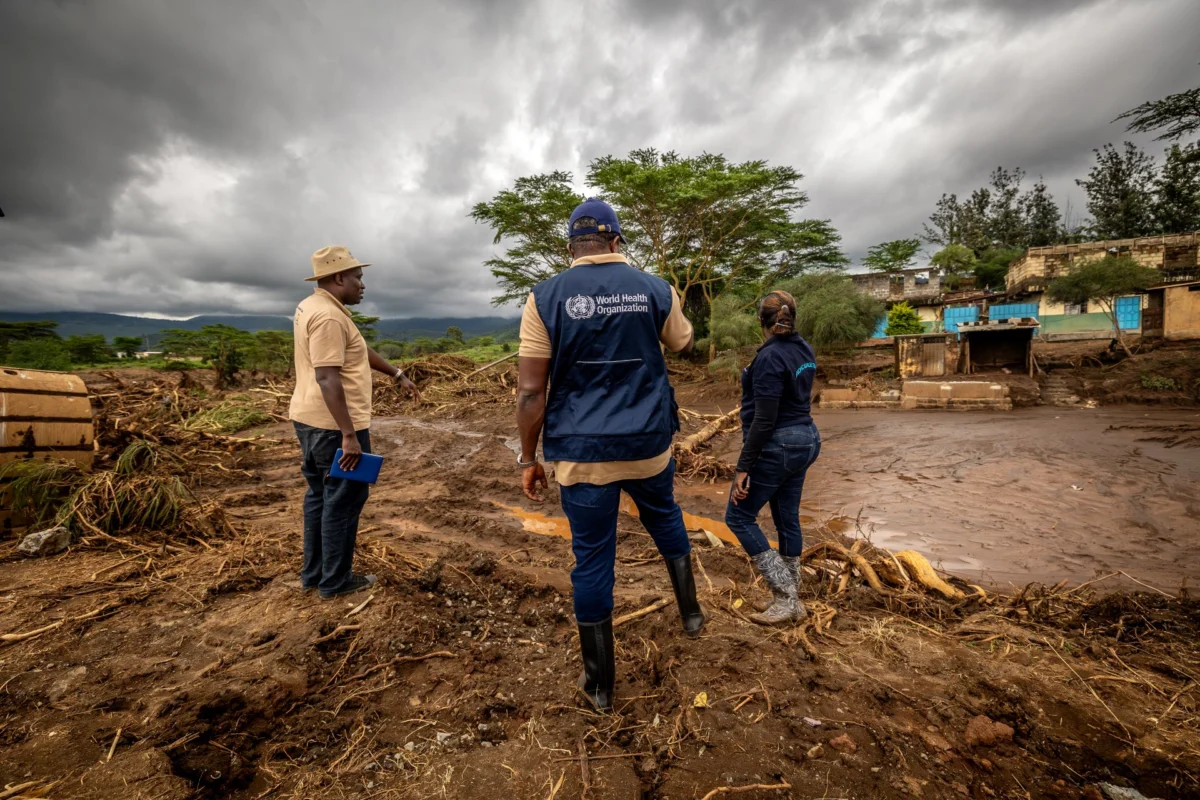
The devastation witnessed in regions like Kenya in early 2024—where torrential rains led to widespread disease outbreaks and the destruction of essential medical infrastructure—serves as a harrowing case study. The WHO estimates that without aggressive, coordinated intervention, the burden of climate-sensitive diseases will continue to climb.
Economic and Health Projections
The WHO’s latest Investment Case provides a compelling economic and humanitarian argument for these interventions. By mainstreaming climate-resilient strategies and fostering low-carbon health systems, the WHO projects that 7.5 million lives can be saved over the next four years. These savings will be realized through:
- Early Warning Systems: Reducing mortality rates during extreme weather events by 30-50% through rapid, data-driven response protocols.
- Infrastructure Decarbonization: Transitioning hospitals to renewable energy sources, thereby reducing the health sector’s own carbon footprint, which currently accounts for roughly 4-5% of global emissions.
- Epidemiological Surveillance: Using real-time data to track the northward migration of vector-borne diseases like malaria and dengue, which are expanding their range due to rising global temperatures.
Official Responses and Strategic Priorities
The Netherlands has firmly positioned itself as a global leader in climate-health diplomacy. This is deeply rooted in the Dutch Global Health Strategy 2023-2030, which views health as a fundamental human right that is inextricably linked to environmental stability.

The Dutch Perspective
"Climate change is not just an environmental issue; it is a health issue that demands a systemic response," stated representatives from the Dutch Ministry of Foreign Affairs. By funding the ATACH Secretariat, the Netherlands is ensuring that the WHO possesses the administrative and technical "muscle" required to coordinate diverse actors, including civil society, multilateral development banks, and frontline health workers.
The WHO’s Mandate
For the WHO, this partnership provides the flexibility to act as a "knowledge broker." By consolidating expertise from around the globe, the WHO is empowering Member States to move beyond siloed thinking. The focus is now on "Climate-Resilient Health System Readiness"—a framework that assesses a nation’s ability to maintain medical services during floods, fires, and heatwaves.
Implications: The Future of Global Healthcare Systems
The renewal of this partnership carries profound implications for how the world handles the "polycrisis" of the modern era.
A Holistic Approach to Policy
The shift toward mainstreaming climate change into the Fourteenth General Programme of Work (GPW) signifies a sea change in institutional culture. Climate change is no longer treated as an "add-on" to health programs; it is now viewed as the context within which all future health programming must operate. This means that every vaccination campaign, sanitation project, and hospital construction plan must now account for future climate projections.
Empowerment of Vulnerable Nations
A core component of the €1.1 million investment is the empowerment of countries that contribute the least to climate change but suffer the most from its effects. By strengthening the capacity of nations in the Global South to implement integrated surveillance, the partnership is fostering "health sovereignty." These countries are being given the tools—not just the aid—to manage their own health risks independently.
The Role of Multilateralism
The partnership highlights the continued relevance of multilateralism in a fractured geopolitical landscape. By bringing together the Netherlands, the WHO, UN Agencies, and local NGOs, the initiative demonstrates that the most effective solutions are collaborative. The focus on "concerted action" ensures that resources are not duplicated and that local health professionals are at the heart of the decision-making process.
Conclusion: Turning Policy into Protection
As the world heads toward COP29, the partnership between the Netherlands and the WHO stands as a beacon of proactive governance. While the €500,000 allocation for 2024 is a modest figure relative to the total global cost of climate adaptation, its impact is amplified by the WHO’s ability to leverage it into a global standard of practice.
The mission is clear: to transform healthcare systems from passive responders to active protectors in the face of a changing climate. By focusing on data, early warning systems, and institutional capacity, the Netherlands and the WHO are not merely reacting to the storms, floods, and heatwaves of today; they are building the structural resilience necessary to safeguard the health of generations to come. The success of this endeavor will be measured not in euros, but in the millions of lives saved, the stability of hospitals in the face of disaster, and the quiet, steady progress of communities that have finally been given the tools to endure a warming world.
In the final analysis, this partnership serves as a reminder that in the face of a global crisis, the most effective tool is a shared vision, backed by a firm commitment to act.


