 Lina Hope
 Evan Lee Salim

 Lina Irawan

 Basiran
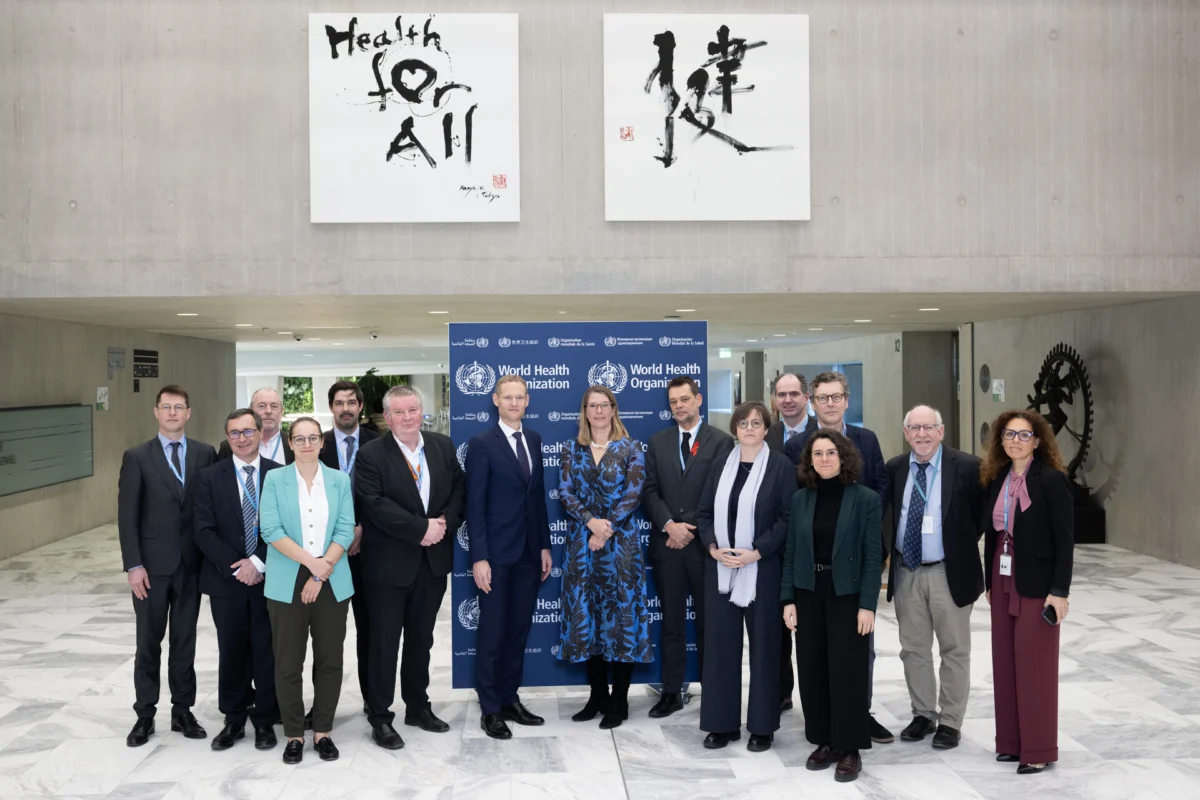
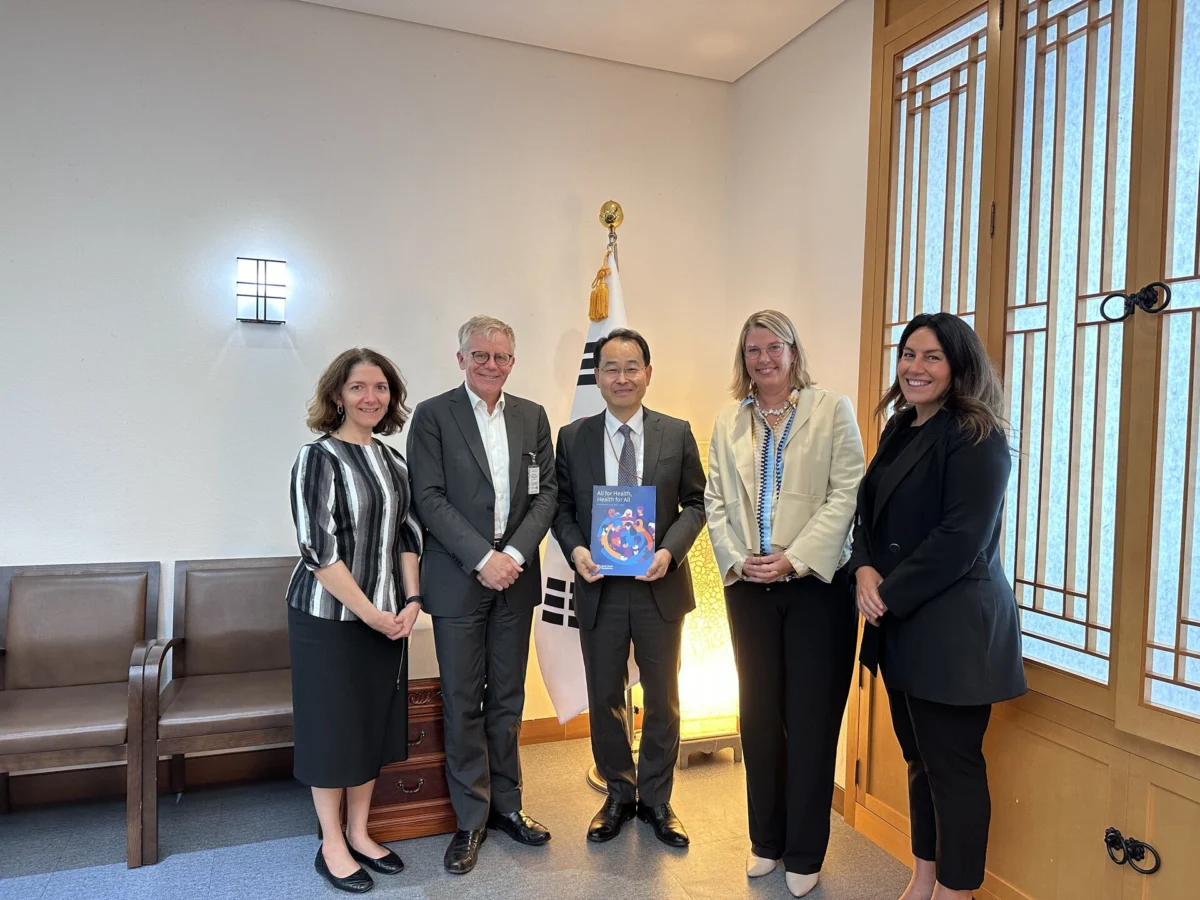
In a pivotal three-day summit held in early March 2025, the Kingdom of Belgium and the World Health Organization (WHO) convened to recalibrate their long-standing partnership. The strategic dialogue, which brought together high-level officials from the Belgian Federal government, the Flemish government, and the Walloon government, served as a blueprint for aligning Belgium’s development cooperation priorities with the WHO’s evolving 14th General Programme of Work (GPW14). As the global health landscape grows increasingly complex—characterized by the intersection of pandemic threats, shifting geopolitical dynamics, and a renewed urgency for universal health coverage—this summit underscored the necessity of robust, multilateral action.
Main Facts: A Partnership Built on Resilience
The strategic dialogue was centered on three core pillars: Universal Health Coverage (UHC), the strengthening of national health systems, and the democratization of access to life-saving medical countermeasures. Led by H.E. Christophe Payot, Ambassador of Belgium to the United Nations and other international organizations in Geneva, the Belgian delegation engaged in intensive deliberations with WHO leadership and technical experts from both the Geneva headquarters and the Regional Offices for Africa and Europe.
The core objective was to harmonize Belgium’s diplomatic and developmental footprint with the WHO’s strategic objectives. By focusing on "market shaping" and sustainable investment, both parties aimed to move beyond short-term crisis management toward building permanent health infrastructures in developing nations. The discussions were not merely abstract; they were grounded in the tangible outcomes of previous years, including the successes and ongoing challenges of the Access to Medicines programme and the UHC-Partnership in nations like Senegal and the Democratic Republic of Congo (DRC).
Chronology of the Strategic Dialogue
The summit, held from March 2–5, 2025, was structured to allow for granular reviews of ongoing projects alongside high-level policy setting for the coming decade.
- Day 1: Evaluation of Current Frameworks. The delegation opened by reviewing the progress made between 2021 and 2024. The focus was heavily placed on the UHC-Partnership, analyzing how Belgian support has catalyzed health system reforms in partner countries. The afternoon session shifted to the "Access to Medicines" programme, where WHO experts presented a case study on Senegal, illustrating the complexities of local vaccine production and the logistical hurdles of last-mile delivery.
- Day 2: Crisis Preparedness and Health Security. The second day was dominated by the realities of global instability. Discussions centered on the WHO’s role in the ongoing pandemic agreement negotiations and the integration of the "One Health" approach—an acknowledgment that human, animal, and environmental health are inextricably linked. The delegation received a sobering report on WHO field operations in Gaza, serving as a catalyst for discussions on biological risk mitigation and zoonotic disease surveillance.
- Day 3: Future-Proofing and Strategic Alignment. The final day focused on the transition to the 14th General Programme of Work (GPW14). Participants mapped out a renewed Country Cooperation Strategy, seeking to ensure that future bilateral cooperation from Belgium’s various governmental bodies is fully integrated into the WHO’s country-level programmes.
Supporting Data and Programmatic Impact
The dialogue provided a platform to present evidence-based outcomes that justify the continued flow of Belgian funding into global health.
The Access to Medicines Initiative
The partnership has placed a significant emphasis on breaking the cycle of dependency in low- and middle-income countries. WHO experts highlighted that "market shaping"—the strategic use of funding to incentivize pharmaceutical manufacturers to stabilize supply chains—is the key to long-term sustainability. By moving toward local production of medicines and vaccines, Belgium and the WHO aim to insulate vulnerable populations from global market shocks, a lesson learned during the volatility of the COVID-19 pandemic.
The UHC-Partnership (2021–2024)
Data from the UHC-Partnership demonstrates that investment in primary health care (PHC) provides the highest return on investment for national resilience. In the Democratic Republic of Congo, collaborative efforts have focused on professionalizing the health workforce and improving data collection. Additionally, the integration of mental health services into primary care models was identified as a critical expansion area, reflecting the changing burden of disease in Belgium’s partner nations.
Neglected Tropical Diseases (NTDs) and SRHR
Beyond systemic strengthening, the dialogue reaffirmed commitments to targeted programmes. Belgium remains a key donor in the fight against Neglected Tropical Diseases and in promoting Sexual and Reproductive Health and Rights (SRHR). The participants agreed that these areas require an evidence-based, data-driven approach to ensure that funding is not merely "aid," but a catalyst for systemic improvement.
Official Responses: Voices from the Summit
The sentiment emanating from the dialogue was one of mutual trust and strategic alignment.

Mr. Koen Van Acoleyen, Minister Counselor at the Permanent Representation of Belgium to the UN, captured the gravity of the discussions: "After listening to the leaders and experts of WHO, we now better understand how they are navigating these challenging times. We are honoured that we can walk this road together." This acknowledgment of the "challenging times" reflects the geopolitical tensions that currently threaten international cooperation in global health.
Dr. Catharina Boehme, Assistant Director-General for External Relations and Governing Bodies at the WHO, expressed deep gratitude for Belgium’s unique model of engagement. "We thank you for your support, honesty, and strong engagement for global health," Dr. Boehme noted. "Your efforts in supporting our work in Mozambique and Senegal are clear examples of the crucial work we accomplish together."
Mr. Dirk Brems, Director of Thematic and Multilateral Cooperation, emphasized the pride taken in the partnership. "We recognize WHO as a trustworthy partner in global health. We felt proud hearing how crucial our support is to the Organization and how it is having a positive impact at country, regional, and global levels," he stated, adding that the goal is to "tread uncharted territories" with a commitment to sustained, effective multilateralism.
Implications for the Global Health Agenda
The outcome of this dialogue carries significant weight for the broader international health community. By aligning their strategies under the GPW14, Belgium and the WHO are signaling a shift toward more integrated, sustainable, and country-led health systems.
1. The Primacy of Primary Health Care
The summit confirmed that UHC and health system strengthening will remain the "heart" of the WHO’s ambition for the coming years. For Belgium, this means that future bilateral cooperation will likely be prioritized in regions where there is a demonstrated commitment to expanding primary health care access.
2. Navigating Biological Risks
The focus on "One Health" and pandemic preparedness reflects a broader realization that the next global health crisis may originate from zoonotic spillover. The dialogue highlighted that the international community must invest in biosafety and data-sharing mechanisms before a crisis hits, rather than reacting in a state of emergency.
3. A Model for Multilateralism
In an era where international cooperation is frequently tested by isolationist policies, the Belgium-WHO partnership serves as a case study in effective multilateralism. By including representatives from Belgium’s regional governments (Flanders and Wallonia) alongside federal officials, the partnership ensures a comprehensive, "all-of-government" approach to global health. This complexity is, according to the delegates, a strength, allowing for a more nuanced application of resources that accounts for both local context and global requirements.
4. Moving Toward a Renewed Strategy
The final commitment to a renewed Country Cooperation Strategy marks a formal step toward long-term institutionalization of these efforts. As the 14th General Programme of Work begins to take shape, the Belgium-WHO alliance stands as a pillar of stability. The goal for the coming years is clear: to ensure that every euro invested in global health is tied to measurable, sustainable, and equitable outcomes that leave no nation behind.
As the Belgian delegation returned to Brussels and the WHO experts resumed their work in Geneva, the legacy of these three days was clear: a deepened commitment to a shared, evidence-based, and compassionate vision for a healthier, more resilient global future.

 Jia Lissa
 Asro