

 Nana Wu

 Dwi Wanna

 Suro Senen

 Evan Lee Salim

 Raul Delapena Setiawan
By News Desk | October 23, 2026
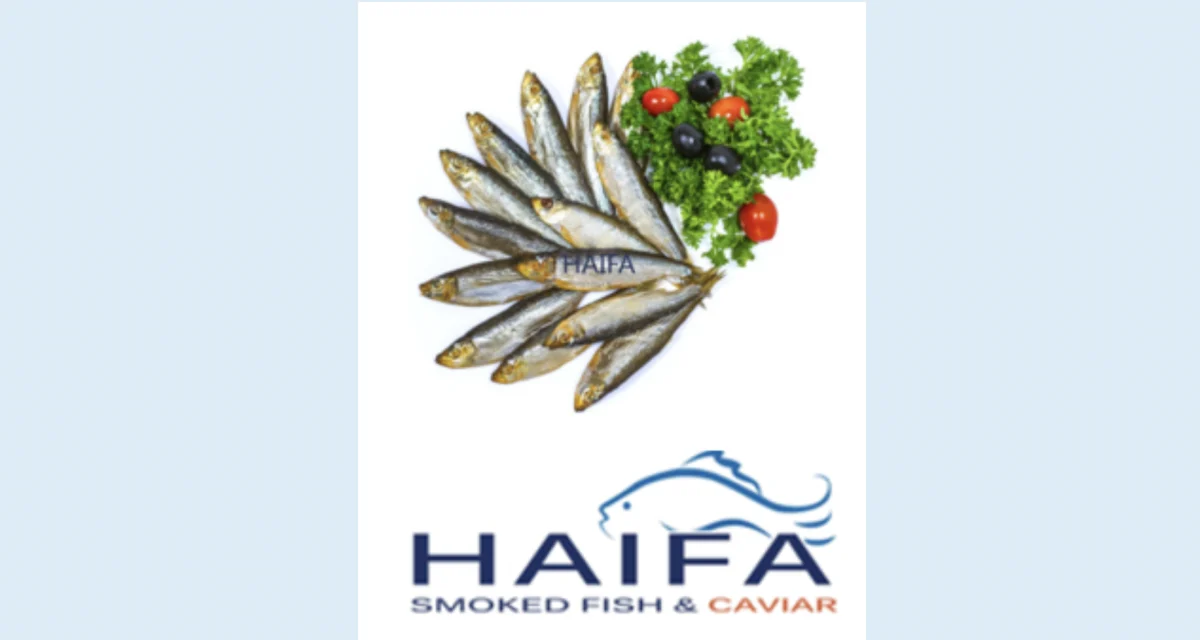
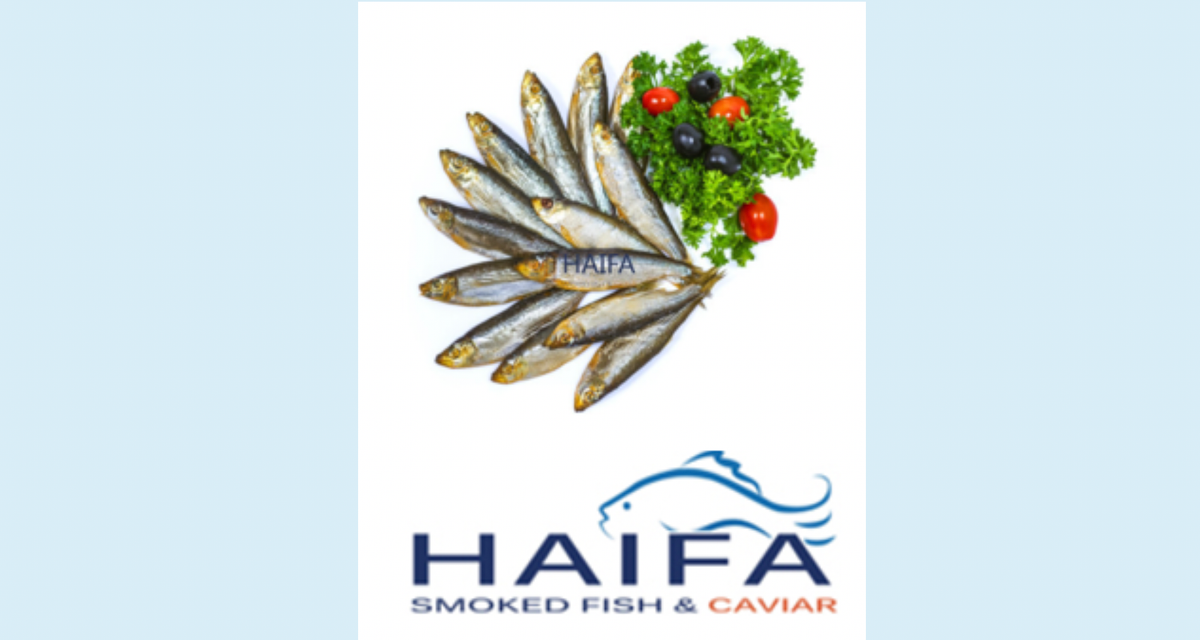
In a rare and concerning development, the U.S. Food and Drug Administration (FDA) has issued a stern public health alert regarding cold-smoked sprats manufactured by D&M Smoked Fish Inc., doing business as Haifa Smoked Fish Inc. The agency’s intervention follows the company’s refusal to initiate a voluntary recall for products that were produced without the necessary safety controls required to prevent the growth of Clostridium botulinum, the bacteria responsible for botulism—a potentially fatal nerve toxin.
The Jamaica, New York-based firm has remained steadfast in its decision not to pull the affected inventory from the market, leaving the FDA to take the unusual step of issuing a direct warning to consumers, retailers, and wholesalers.
The Core Risk: Why Clostridium botulinum is a Grave Threat
The danger posed by the Haifa Smoked Fish products is not rooted in visible spoilage. Unlike many foodborne pathogens that manifest as mold, off-putting odors, or sour tastes, Clostridium botulinum is notoriously deceptive. The bacteria can thrive in the anaerobic (oxygen-free) environment created during the cold-smoking process if specific industrial safety protocols—such as precise temperature control, salinity levels, and nitrite additives—are not strictly enforced.
If these controls are absent, the bacteria can produce a neurotoxin that is colorless, odorless, and tasteless. Even microscopic amounts of this toxin can cause severe illness or death. Because the production process at the Haifa Smoked Fish facility was deemed deficient by federal inspectors, the FDA has concluded that any cold-smoked sprats distributed by the company must be treated as potentially hazardous.
Chronology of the Regulatory Action
The situation escalated following a routine inspection of the Haifa Smoked Fish facility in Jamaica, NY. During the site visit, FDA inspectors documented significant failures in the firm’s Hazard Analysis and Critical Control Point (HACCP) plans. These plans are the backbone of food safety in the United States, requiring manufacturers to identify every point in the production process where a food safety hazard could occur and to implement specific, validated controls to prevent them.
Following the discovery of these gaps, the FDA formally recommended that D&M Smoked Fish Inc. issue a voluntary recall of all cold-smoked sprats currently in the supply chain. Despite these recommendations, the firm declined to cooperate.
By issuing this public health alert, the FDA is essentially bypassing the manufacturer to communicate directly with the public, aiming to halt the consumption of the product immediately. This move highlights the severity of the regulatory findings and the agency’s commitment to preventing a potential outbreak.
Understanding the Clinical Dangers of Botulism
Botulism is a rare but life-threatening illness. It is not an infection in the traditional sense; rather, it is a poisoning caused by the ingestion of the toxin produced by the bacteria. Once ingested, the toxin binds to nerve endings and prevents the release of neurotransmitters, effectively blocking the communication between nerves and muscles.
Symptoms and Progression
Symptoms of foodborne botulism typically manifest between 18 and 36 hours after ingestion, though in some cases, symptoms may appear as early as 6 hours or as late as 10 days post-consumption. Early signs are often subtle and can easily be mistaken for other illnesses. Common symptoms include:
- Ocular issues: Blurred vision, double vision, and drooping eyelids.
- Communication and motor function: Slurred speech, a feeling of "thick tongue," and dry mouth.
- Muscular distress: Progressive muscle weakness, difficulty swallowing, and difficulty breathing.
If left untreated, the paralysis can spread downward from the head and neck to the arms, the torso, and eventually the legs. The most immediate risk of death comes from the paralysis of the muscles used for breathing, which leads to respiratory failure. Because of this, anyone who suspects they have consumed the product and is experiencing these symptoms should seek emergency medical attention immediately.
Implications for Retailers and Supply Chains
The FDA’s alert serves as a mandatory stop-sign for any establishment that may have purchased these products. The agency has been explicit in its directive: retailers, restaurants, wholesalers, and food service providers must stop selling or serving any cold-smoked sprats obtained from Haifa Smoked Fish Inc.
For business owners who may be unsure of their stock’s origin, the FDA advises:
- Check Invoices: Review purchase records for any products labeled as "cold smoked sprats" sourced from the Jamaica, NY-based firm.
- Contact Suppliers: If inventory is unlabelled or records are ambiguous, contact the supplier directly to verify if the product originated from the Haifa Smoked Fish facility.
- Quarantine and Dispose: Any confirmed products should be removed from shelves and segregated from other food inventory to prevent accidental sale or cross-contamination.
A Systemic View: The Importance of HACCP Compliance
The Haifa Smoked Fish incident underscores why the FDA is so rigid regarding Clostridium botulinum. In the world of commercial food production, cold-smoking is considered a "high-risk" process. Because the fish is not cooked at temperatures high enough to destroy the spores, the manufacturer must rely entirely on "hurdles"—factors like salt concentration, water activity, and refrigeration temperature—to inhibit spore germination.

When a company fails to maintain these hurdles, the product is fundamentally unsafe. The refusal to recall suggests a significant disconnect between the firm’s internal assessment of safety and the regulatory standards enforced by the FDA.
The Broader Context: Why Your Support Matters
Food safety is a complex, multi-layered system involving constant vigilance from both regulators and producers. The case of Haifa Smoked Fish is a stark reminder that food safety is not a guarantee—it is an ongoing process of compliance, testing, and oversight.
Food Safety News remains dedicated to covering these critical developments. As a nonprofit, reader-funded organization, our mission is to provide the public with the information they need to protect themselves from preventable foodborne illnesses. Our investigative team works tirelessly to track recalls, monitor outbreaks, and hold stakeholders accountable.
However, we cannot do this alone. The costs associated with deep-dive journalism, monitoring regulatory databases, and investigating food safety incidents are significant. If you value transparent, science-based reporting on the safety of the food you feed your family, please consider supporting our work. Your contributions are tax-deductible and directly fund our ability to keep the public informed about potential risks in the food supply.
Final Guidance for Consumers
If you have purchased cold-smoked sprats, take a moment to verify the manufacturer. If the product is linked to Haifa Smoked Fish Inc., do not taste it. Even if the product has been in your refrigerator for several days and appears perfectly normal, the risk of toxin formation remains.
If you have already consumed the product, monitor your health closely over the next 10 days. If you experience any symptoms of botulism, go to the nearest emergency room and inform medical personnel that you may have been exposed to the toxin. Prompt administration of an antitoxin can be life-saving, but it is most effective when administered early in the course of the illness.
The FDA continues to monitor the situation. As of this report, no illnesses have been officially linked to this product, but the danger remains high until the remaining inventory is removed from circulation. Stay informed, check your labels, and prioritize your health by erring on the side of caution.


