

 Nana Wu

 Dwi Wanna

 Suro Senen

 Evan Lee Salim

 Rifan Muazin
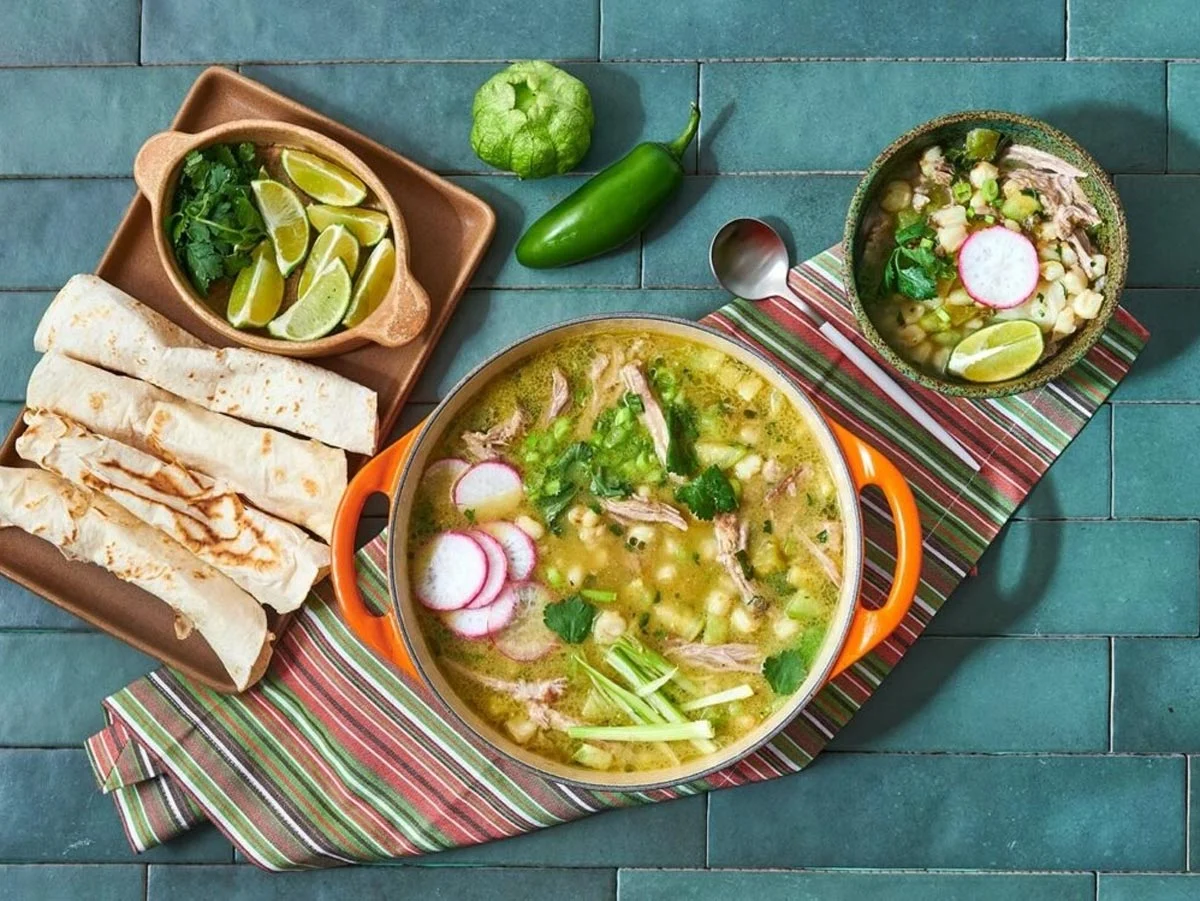
As the golden haze of summer begins to fade, a different, more intense warmth takes hold in kitchens across the country. We are entering the peak season for hot chile peppers—a time when the harvest is at its most vibrant and the culinary potential is at its highest. Whether you prefer the subtle, smoky undertones of a roasted poblano or the blistering, adrenaline-inducing punch of a Carolina Reaper, there is a chile pepper perfectly suited to elevate your cooking.

From breakfast staples to avant-garde desserts, chiles are one of the most versatile ingredients in the global pantry. They can be consumed raw, dried, ground, pickled, stewed, smoked, roasted, or stuffed. As we explore the science of spice and the breadth of regional recipes, it becomes clear that the chile is not just a flavor enhancer—it is the heartbeat of modern cooking.

Understanding the Scoville Spectrum
To navigate the world of chiles, one must understand the language of heat. The spiciness of a pepper is determined by its concentration of capsaicin, a chemical compound that interacts with pain receptors in the mouth. This intensity is measured in Scoville Heat Units (SHU).

While sweet bell peppers sit at zero SHU, the rest of the spectrum offers a vast landscape for the palate:

- Mild (100–2,500 SHU): The gentle entry point. This category includes fresh Anaheim, poblano, and shishito peppers, as well as dried ancho and guajillo varieties. They provide deep, earthy flavors without overwhelming the senses.
- Medium (2,500–30,000 SHU): The workhorses of the kitchen. Here we find jalapeños, Hatch chiles, Fresno, and serranos. Dried varieties like gochugaru, chipotle (smoked jalapeños), and Aleppo pepper also reside here, bridging the gap between heat and complex aromatics.
- Hot (30,000–100,000 SHU): For those seeking a significant kick. Thai chilis, cayenne, and tabasco peppers define this range.
- Extra Hot (100,000–300,000 SHU): The realm of the habanero and Scotch bonnet, where fruitiness meets intense, lingering fire.
- Extremely Hot (300,000+ SHU): Reserved for the brave. Varieties such as the ghost pepper and the infamous Carolina Reaper provide a level of intensity that requires careful handling and respect.
A Chronology of Heat: From Breakfast to Nightcap
The integration of chile peppers into a daily culinary rhythm is a testament to their versatility. They provide the necessary "wake-up call" at breakfast, the complex layering required for a main course, and even the provocative spark needed to finish a meal with a memorable cocktail or dessert.

The Morning Kickstart: Breakfast and Brunch
Breakfast is often the most overlooked opportunity for spice. However, in many global cultures, a spicy start is traditional. Take, for example, the Mexican chilaquiles. This comfort dish of crispy tortillas simmered in either a vibrant green tomatillo-based sauce or a smoky red dried-chile sauce is the ultimate morning restorative.

For those on the go, incorporating jalapeños into savory brioche rolls or poaching eggs in a shakshuka—a sauce of tomatoes, garlic, and serrano chiles—provides a robust, high-energy start to the day. For a Southern-Southwestern hybrid, roasted green chile grits topped with sous-vide shrimp offer a sophisticated brunch option that balances the acidity of the chiles with the creaminess of avocado and yogurt.

Appetizers: Coming in Hot
Appetizers are where the chile truly shines as a centerpiece. Pimiento cheese-stuffed jalapeños wrapped in honey-glazed bacon represent the perfect harmony of salt, sweet, and spice. Similarly, Korean-style chicken wings glazed in a fermented gochujang sauce offer a funky, pungent, and addictive flavor profile that has become a staple in modern gastropubs.

For a lighter approach, blistered shishito peppers—often called "Russian Roulette" peppers due to the occasional spicy surprise—served with a ginger-soy aioli, provide an interactive and engaging start to any meal.

The Heart of the Matter: Soups and Stews
When it comes to soups, chiles are not merely additives; they are essential structural components. The "Real Deal" chili gravy, a blend of ancho, guajillo, and arbol, serves as a master base for everything from beef-heavy chili con carne to vegetarian squash-based stews.

In Colorado, the regional obsession with green chile pork stew highlights the transformative power of roasting peppers. The combination of fresh tomatoes, tomatillos, and charred green chiles creates a broth that is at once comforting and invigorated. Whether it is a red or green pozole—the legendary Mexican hominy soup—the choice of chile determines the entire character of the dish, turning it into either a bright, tangy affair or a deep, earthy meditation on flavor.

Main Dishes: Chiles Front and Center
Main courses demand a balance of texture and spice. Stuffed poblanos, such as the classic chiles en nogada, demonstrate how chiles can act as a vessel for complex fillings—ranging from savory meat and dried fruit to walnut cream sauces.

In the realm of stir-fries, the fiery nature of Sichuan cooking or Thai bird’s eye chiles allows for rapid, high-heat cooking that locks in freshness while pushing the boundaries of heat tolerance. For a more subtle approach, braising chicken in white wine and garlic with a hint of green chile adds a distinct regional twist to a classic French technique, proving that chile peppers can enhance the most refined culinary traditions.

Supporting Data: The Science of "Sweet Heat"
The popularity of chile peppers in desserts is a rapidly growing trend in modern gastronomy. It is not an accident that chiles pair so well with chocolate; both contain complex aromatic compounds that, when combined, trigger a unique sensory experience.

The capsaicin in a chile acts as a stimulant, while the cocoa butter in chocolate acts as a soothing agent. This interplay is seen in recipes like Mocha Chile Chocolate Tortes, where cayenne powder adds a warm, lingering finish to the bitterness of espresso and dark chocolate. Similarly, the trend of "Hot Honey"—honey infused with dried red chile flakes—has become a standard pantry item for drizzling over everything from fried chicken to vanilla bean ice cream.

Official Culinary Perspectives: The Expert View
Leading chefs and food researchers emphasize that the secret to using chiles is understanding the "flavor arc." A raw serrano pepper provides a bright, sharp heat that dissipates quickly, whereas a dried, roasted chipotle provides a slow-building, lingering smokiness.

According to industry trends, home cooks are increasingly moving away from generic "hot sauce" and toward nuanced, regionally specific chile pastes like harissa (North African) or salsa macha (Mexican). This shift suggests a move toward "culinary literacy," where the consumer is more interested in the specific variety of pepper than the mere intensity of the burn.

The Broader Implications of the Chile Renaissance
The "spicification" of the modern diet has profound implications. Beyond the culinary delight, the inclusion of chiles has been linked to the revitalization of local agriculture. As consumers demand higher-quality, heirloom varieties of peppers—such as the Hatch or the Pequin—small-scale farmers have found a lucrative market for specialty crops.

Furthermore, the integration of spicy condiments into everyday snacks and drinks is changing how we define "comfort food." We are no longer limited to bland, traditional recipes; we are instead creating a new, globalized palate that expects a hint of heat in everything from our morning coffee to our midnight snacks.

Conclusion: Spice for Every Occasion
The world of chile peppers is vast, intimidating, and endlessly rewarding. Whether you are crafting a complex Mole Negro that requires hours of slow simmering, or simply whipping up a quick batch of red chile simple syrup to spice up a classic cocktail, the chile is a tool of infinite creativity.

As you head into this harvest season, consider moving beyond your comfort zone. Try a new variety, experiment with a different drying method, or incorporate a pinch of heat into a dessert. The beauty of the chile is that it is a personal journey—a way to connect with the land, the history of global trade, and the immediate, physical joy of a perfectly spiced meal. Embrace the heat, respect the Scoville scale, and most importantly, keep cooking with fire.


 Asep Darmawan

 Layla Zulfa

