
 Neng Nana
 Nila Kartika Wati
 Layla Zulfa

 Ammar Sabilarrohman

 Pevita Pearce
 Muslim
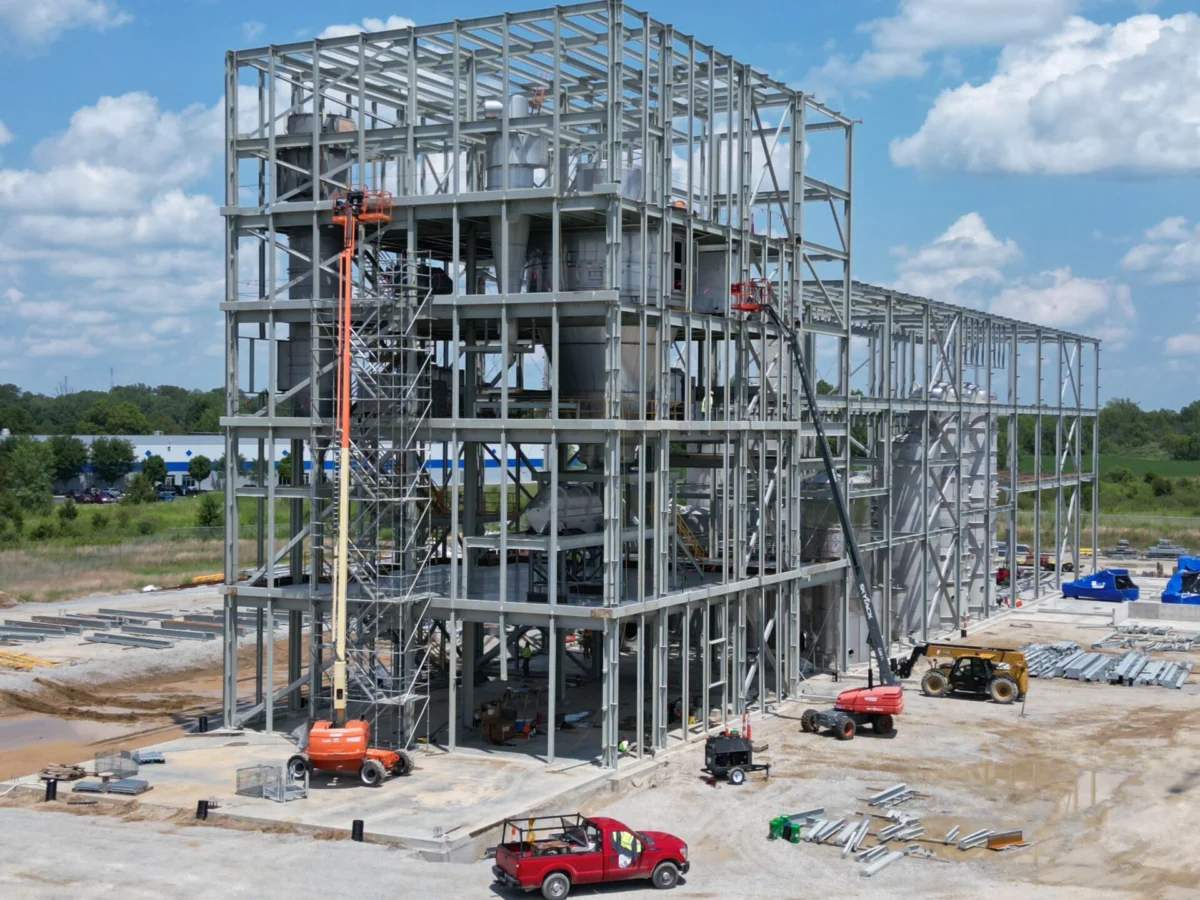
The promise of the "next generation" of food production—precision fermentation—has long rested on a single, stubborn bottleneck: the physical infrastructure required to move from laboratory bench to global supermarket shelves. For Liberation Bioindustries, a company envisioned as the solution to this industry-wide infrastructure drought, the path to commercialization has become a cautionary tale of capital intensity, macroeconomic headwinds, and the "chicken-and-egg" dilemma that defines the synthetic biology sector.
Following a four-month strategic review, Liberation Bioindustries has confirmed it has received "no acceptable offers" for a sale or joint venture. As a result, the firm must now attempt to complete its landmark 600,000-liter purpose-built biomanufacturing facility in Richmond, Indiana, on its own. The project, which has already absorbed $125 million in capital, now requires an additional $25 million to reach operational status.
This funding gap has forced a pause in construction, leaving one of the most ambitious projects in the food-tech sector in a precarious state of suspended animation.
The Anatomy of the Funding Gap
The Richmond facility was designed to be the world’s first truly "fit-for-purpose" precision fermentation plant for food-grade proteins. Unlike existing biopharma facilities, which are often aging, costly, and ill-suited for the high-volume, low-margin realities of food production, the Richmond site was engineered specifically to facilitate rapid scale-up for startups.
However, in a September 29 stock market filing, major shareholder Agronomics revealed that the financial runway had been shorter than anticipated. "It was previously expected that funds raised to date by Liberation would be sufficient to complete the facility," the statement noted. "However, certain funding that was expected as part of its financing package was not received."
The company cites a confluence of factors: "recent delays and exceptional costs linked to the project," combined with the punishing global economic climate, which has spiked the cost of specialized equipment, labor, and materials. The remaining work—primarily intricate piping, welding, and electrical systems—requires a capital infusion that the current market, focused on high-margin software and AI, has been reluctant to provide.
Chronology of a Construction Standoff
The trajectory of the Richmond site reflects the broader volatility of the alternative protein market over the past three years:
- 2023: Co-founder Mark Warner champions the Richmond site as the ultimate bridge across the "valley of death" for fermentation-based startups. The industry rallies behind the concept of a shared, commercial-scale facility.
- Late 2024: The initial target for the facility to become operational passes. Construction progress stalls as the reality of mounting costs and the "financing gap" begins to manifest.
- Mid-2025: Liberation Bioindustries initiates a formal four-month strategic review to explore a sale or joint venture, hoping to offload risk to a larger industrial player.
- September 2026: The review concludes with no acceptable bids. The company announces a pivot back to independent completion, contingent on securing the $25 million bridge.
- H1 2027 (Target): Agronomics and Liberation aim to finalize a comprehensive funding package, including a mix of equity, secured debt, public grants, and, crucially, customer pre-payments.
The "Chicken-and-Egg" Dilemma: Why Investors Hesitate
The struggle to secure the final $25 million highlights a structural disconnect between the supply of manufacturing capacity and the demand for it.
The Customer Perspective
For the startups that Liberation intends to serve, the risk profile is immense. "Not many startups in the field are in a position to actually commit to multi-million dollar annual contracts," one precision fermentation founder noted.
Startups are already balancing "aggressive timelines" with their own internal process-scale-up risks. Committing to a multi-year, multi-million dollar contract with a facility that is not yet operational adds a layer of existential risk that many venture-backed companies are simply not ready to bear. Without a "GRAS" (Generally Recognized as Safe) letter from the FDA and a clear path to market, these startups cannot provide the bankable demand that financiers require.
The Investor Perspective
From the perspective of capital providers, the situation is even more complex. "AI has sucked all the air out of the rooms inhabited by most investors," says one industry expert. In a high-interest-rate environment, capital has migrated toward lower-risk, faster-turnaround software assets.
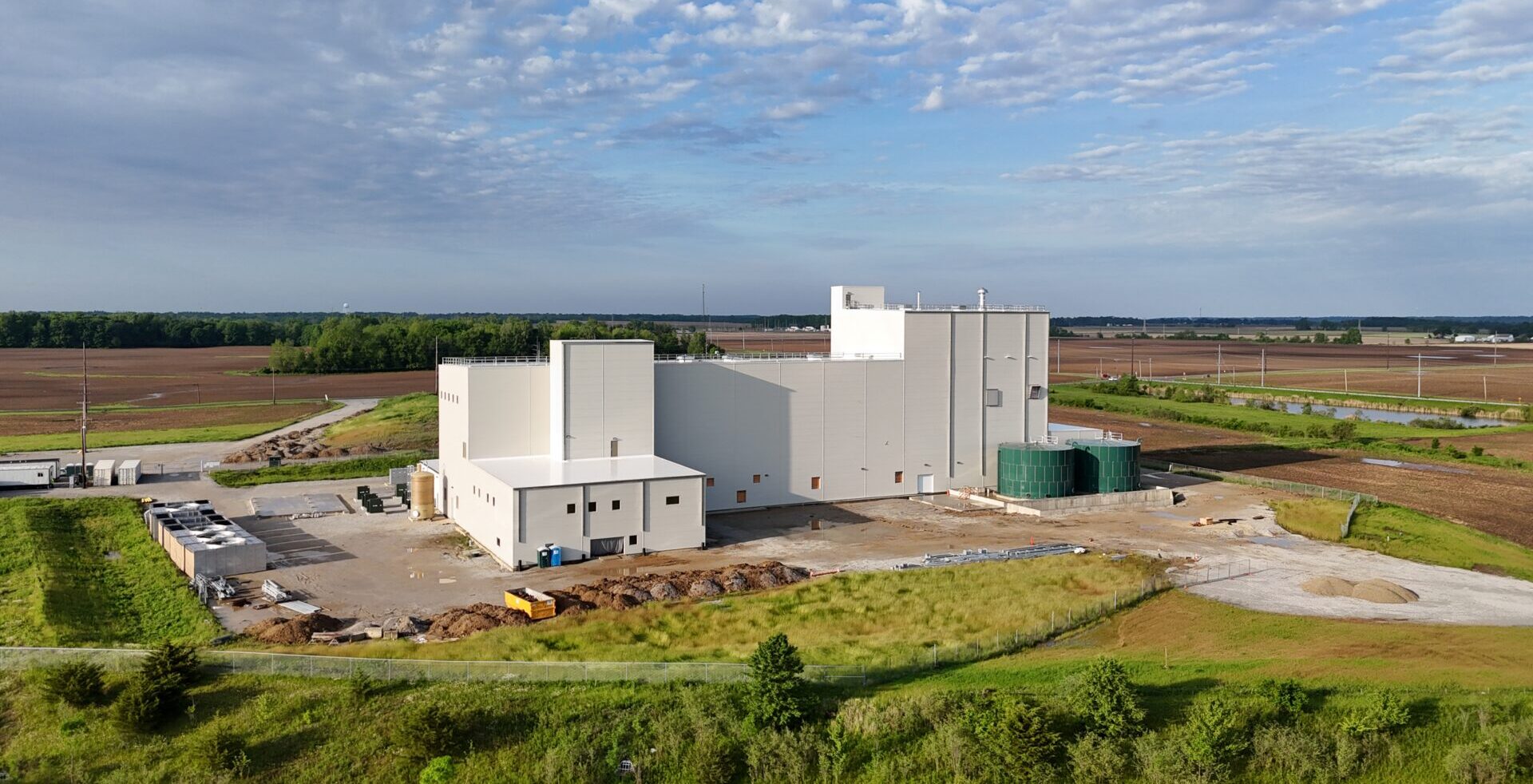
Furthermore, the "first-of-a-kind" (FOAK) risk is notorious in industrial finance. Investors want to see a proven, operating asset, but they are unwilling to fund the very "finishing" phase that would provide that proof. As one source put it: "There’s a saying in project finance that when it comes to first-of-a-kind facilities, everyone wants to be first to be second."
Competitive Pressures and the Global Landscape
Liberation is not operating in a vacuum. While the Richmond facility was designed for the North American market, new manufacturing capacity is coming online in India, China, and across Europe.
Facilities like those emerging in India, led by firms like Symbiotec, offer potentially lower cost structures. However, these facilities bring their own set of logistical and operational risks. For a US-based startup, relying on a CMO (Contract Manufacturing Organization) in a different hemisphere complicates supply chain security, regulatory oversight, and quality control.
Despite this, the core argument for the Richmond facility remains: proximity and specialization. As the industry matures, the ability to manufacture locally may eventually outweigh the lower upfront costs of offshore production, provided the Richmond facility can prove its reliability.
Implications for the Future of Precision Fermentation
The predicament facing Liberation Bioindustries serves as a bellwether for the entire synthetic biology sector.
1. The Need for "Wins"
The sector is currently suffering from a lack of commercial proof points. When companies like Amyris undergo bankruptcy-related reboots, the confidence of the entire ecosystem takes a hit. The industry requires a successful, large-scale commercial launch to demonstrate that the technology is not just feasible in a petri dish, but viable as a commodity-scale business.
2. The Shift in Business Models
The failure of the strategic review suggests that the market may not yet be ready for the "neutral" CMO model. Many startups may need to own their own production or form tighter, equity-linked partnerships with manufacturers rather than relying on standard service contracts. The "shared capacity" model, while elegant in theory, requires a level of startup maturity that currently exists in only a handful of firms.
3. The Role of Public-Private Partnerships
Given the "market failure" in financing FOAK facilities, the path forward likely involves more than just private venture capital. Public authority grants, state-backed loans, and government-led infrastructure initiatives will likely play a more significant role in the next phase of the industry’s development. The reliance on "public authority grants" mentioned in the Agronomics filing underscores the necessity of moving beyond pure venture finance.
Conclusion: A Turning Point
Liberation Bioindustries is currently at a crossroads. Its facility is substantially complete, with the "bones" of the plant in place. The $25 million hurdle is small relative to the $125 million already deployed, yet it represents a massive psychological and financial barrier in the current climate.
If the company succeeds in securing the funds, the Richmond site could be operational within six months, potentially becoming the flagship for a new era of American food manufacturing. If it fails, the industry will have to confront a difficult reality: that the "bridge" to the future of food is more expensive, more complex, and more fragile than anyone dared to imagine.
For now, all eyes are on the first half of 2027. Whether the industry has the appetite to support this final push will determine not just the fate of one facility, but the near-term viability of the entire precision fermentation revolution.


 Evan Lee Salim