

 Azzam Bilal Chamdy
 Neng Nana
 Nana Muazin
 Dwi Wanna
 Raul Delapena Setiawan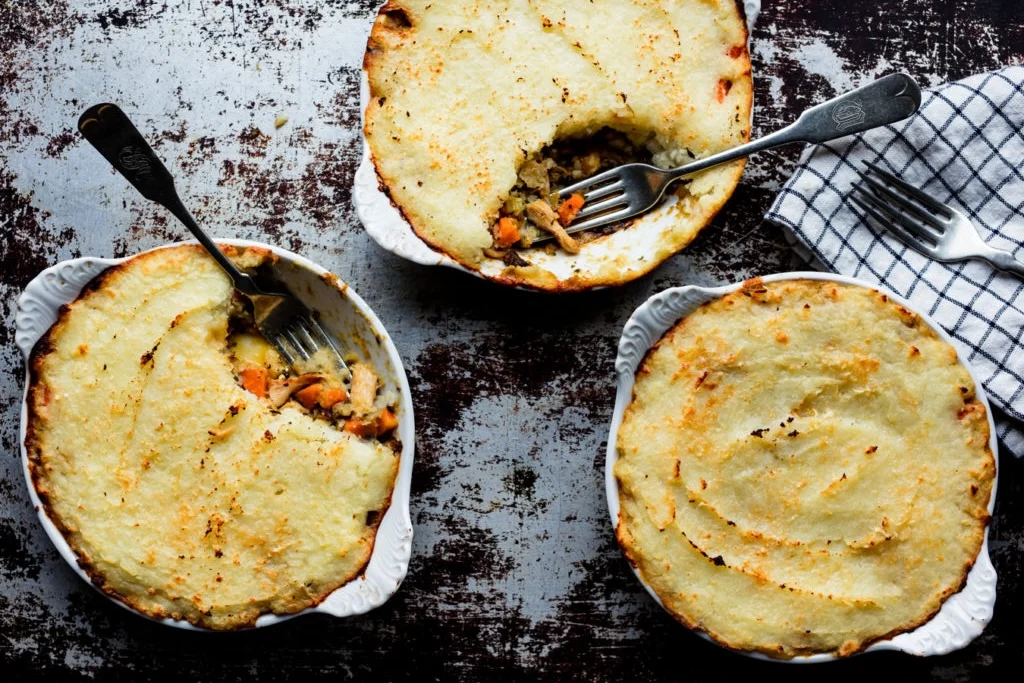
Across every culture and geography, the relationship between human beings and food extends far beyond the biological necessity of caloric intake. Food serves as a sophisticated, multisensory language of emotional regulation. When the seasons shift, when life presents unexpected challenges, or when we find ourselves longing for the simplicity of the past, we instinctively reach for comfort food—a category of dishes defined not by their nutritional profile, but by their profound ability to soothe the nervous system and anchor us in memory.

Whether it is the ritual of a slow-simmered stew or the nostalgic pull of a childhood breakfast, comfort food functions as a form of culinary self-care. It is a treasure trove of sensory input—warm aromas, familiar textures, and balanced flavors—that signals safety to our bodies. As we navigate the complexities of modern life, the practice of turning to these “heirloom” recipes remains one of the most effective ways to cultivate resilience and joy in our daily routines.

The Psychology of Nostalgia: A Chronology of Comfort
The history of comfort food is deeply rooted in the concept of "foodways"—the cultural, social, and economic practices related to the production and consumption of food. While the term "comfort food" was only formally recognized in the late 20th century, the practice of using specific dishes to mark life transitions, heal the body, or celebrate communal bonds dates back millennia.

- Ancient Traditions: Early societies utilized grains and slow-cooked legumes (like the ancestors of modern congee or bean stews) as primary sources of comfort because they were shelf-stable, sustaining, and easily digestible.
- The 19th and 20th Centuries: As industrialized farming and processed ingredients emerged, the American definition of comfort food shifted toward "convenience" items, leading to the rise of dishes like meatloaf, tuna casserole, and the ubiquitous grilled cheese sandwich.
- The Modern Era: Today, we see a renaissance of "elevated" comfort. Home cooks and chefs are reclaiming these classics, using high-quality, locally sourced ingredients to breathe new life into traditional dishes, ensuring that while the emotional payoff remains, the nutritional quality is significantly enhanced.
The Breakfast Ritual: Setting the Tone
Breakfast is the most intimate meal of the day, and it is here that many of us begin our search for comfort. The modern breakfast landscape has evolved to accommodate both our need for nostalgic flavors and our demand for health-conscious, inclusive ingredients.

The Evolution of the Pancake
The pancake is the ultimate canvas for comfort. Modern interpretations, such as the Pear Cardamom Dutch Baby, transform simple fruit and flour into a sophisticated experience. For those seeking health-forward options, the shift toward stone-ground cornmeal or gluten-free, vegan alternatives—using plant-based yogurts and flours—demonstrates that comfort need not be exclusionary. Whether it is a "Party Pancake" or a fiber-rich cornmeal stack, these dishes provide a stable, warm start to the day.

Beyond the Toast: Global Egg Dishes
The global palate has expanded our breakfast horizons. Mexican Chilaquiles, with their smoky red chile sauce and fried eggs, offer a robust start. Similarly, the Appalachian-inflected Green Collard Shakshuka proves that we are no longer limited to regional boundaries; we are synthesizing international umami with local agricultural staples to create something entirely new and profoundly comforting.

Soup as Medicine: The Science of the Broth
There is an undeniable, near-universal consensus that soup is the physical manifestation of care. From a cold-fighting chicken noodle to a restorative, umami-packed Jasmine Congee, the alchemy of water, aromatics, and heat is unmatched.

The Four Faces of Chicken Soup
Chicken soup acts as a cultural chameleon. In the American Northeast, it is a clear, noodle-heavy classic. In Greece, Avgolemono adds a creamy, lemon-laced brightness. In the Southwest, Green Chili Chicken Soup offers a spicy metabolism boost. These variations are not just recipes; they are responses to local climates and available ingredients, proving that "chicken soup" is less of a recipe and more of a universal comfort structure.

The Hearty Stew: Legumes and Grains
When we move from soups to stews, we enter the territory of long-term satiety. Pasta e Fagioli—the Italian tradition of marrying beans and pasta—requires only time and patience to reach its peak. The inclusion of ingredients like wild rice in the Upper Midwest or hominy in Mexican Pozole provides a textural complexity that makes the bowl feel substantial and protective against the elements.

Main Dishes: The Art of the Slow Braise
The main dish is the centerpiece of the comfort experience. It is where we see the most significant evidence of "low and slow" cooking, a process that physically breaks down tough proteins into tender, mouth-watering bites.

The Mac & Cheese Revolution
Macaroni and cheese is arguably the most recognizable comfort food in the Western world. However, the current trend is one of radical inclusivity. By incorporating local vegetables—butternut squash, kale, or roasted cauliflower—into the cheese sauce, home cooks are balancing the indulgence of heavy cream and sharp cheddar with the nutritional density of the season’s harvest. From vegan cashew-based "cheeses" to crab-infused luxuries, the dish has evolved from a boxed staple to a culinary masterpiece.

The Braise and the Pot Pie
Slow-cooked roasts and pot pies represent the ultimate in home-cooking security. The pot pie, in particular, offers a "crust-first" approach to comfort. Whether it’s a traditional chicken filling, a vegetable-heavy curry, or the historic Russian Pirok—a salmon-layered pastry that has offered comfort in Alaska for two centuries—the pot pie remains a symbol of the hearth.

Sweet Endings: The Final Comfort
Dessert is the coda to the comfort food movement. It is here that we find the most direct link to childhood.

Bread Pudding and Crumbles
Bread pudding is perhaps the most democratic of desserts. It is a dish born of necessity—a way to ensure that not a single crust of bread goes to waste—which has been elevated to a delicacy. By utilizing sourdough, nuts, and dried fruits, we transform "old" ingredients into a "new" pleasure. Similarly, fruit crumbles—specifically those highlighting seasonal pears and apples with a ginger-spiced topping—remind us that comfort can be found in the natural sweetness of the earth.

Implications: The Future of Comfort
The movement toward high-quality, locally sourced comfort food has significant implications for our relationship with food systems. As we move away from processed "convenience" comfort toward "intentional" comfort, we are supporting local farmers, reducing our carbon footprint, and reclaiming the health benefits of home-cooked, nutrient-dense meals.

The "comfort" we derive from these dishes is not merely subjective. It is a psychological response to the act of feeding oneself or others with intention. In a world of increasing digital disconnection, the act of preparing a pot of Sunday Gravy or baking a Grandma’s Chocolate Cake provides a tactile, grounding experience that fosters community and emotional stability.

Official Response: The Culinary Consensus
Nutritionists and psychologists alike agree: The "comfort" in comfort food is real. While medical professionals often caution against the overconsumption of high-sugar or high-fat foods, they simultaneously acknowledge that the stress-reduction benefits of an occasional "soul-soothing" meal are essential for mental well-being. The key, experts suggest, is the "mindful consumption" of these dishes. When we cook them from scratch, we engage with our food, understand its ingredients, and ultimately derive more satisfaction from smaller portions.

Conclusion
Comfort food is an enduring anchor in an ever-changing world. It is the bridge between our past and our present, between our need for biological sustenance and our hunger for emotional support. As we continue to innovate within our kitchens—blending global flavors with local traditions—we ensure that this vital tradition will continue to offer warmth, nourishment, and a sense of belonging to generations to come. Whether you are seeking the simple crunch of a grilled cheese or the complex, simmering depth of a Pho Bo, remember that the most important ingredient is the intention you bring to the table.



 Siti Muinah
