

 Ammar Sabilarrohman
 Ali Ikhwan
 Dwi Wanna
 Neng Nana
 Siti Muinah
 Reynand Wu
NEW YORK CITY — On the evening of October 6, 2026, the heart of Union Square pulsed with a different kind of energy. At Project Farmhouse, a venue synonymous with sustainability and urban innovation, hundreds gathered not merely to attend a book launch, but to bear witness to four decades of a movement that fundamentally shifted the global discourse on animal welfare.
The event served as a dual milestone: the grand finale of Farm Sanctuary’s 40th-anniversary celebrations and the official curtain-raiser for the national book tour of co-founder Gene Baur. The centerpiece of the evening was the unveiling of Farm Sanctuary: The Story of a Movement, a lush, visual history that serves as both a retrospective of the organization’s evolution and a roadmap for the future of ethical animal advocacy.
The Genesis of an Industry: A Chronology of Advocacy
To understand the weight of the evening, one must look back at the humble, often grueling, origins of the organization.
The 1980s: The Veggie Dog Revolution
In the mid-1980s, Gene Baur began his mission in the most grassroots fashion imaginable. Armed with little more than a vision for a kinder world, Baur spent his days at Grateful Dead concerts, selling veggie dogs to skeptical crowds. The revenue generated from these modest sales was the lifeblood that funded the very first rescue efforts. It was a time of radical disruption; the concept of "farmed animal rescue" was largely nonexistent in the public consciousness.
The 1990s and 2000s: Legislative and Cultural Shifts
As the organization matured, so did its tactics. Farm Sanctuary transitioned from individual rescues to systemic policy advocacy. They were instrumental in shifting the agricultural narrative, moving from purely anecdotal evidence to documented exposure of factory farming practices. By the 2010s, the organization had solidified its position as the premier sanctuary network in the United States, providing a home to thousands of animals while influencing corporate and legislative policies regarding the treatment of livestock.
The 2020s: A Global Movement
By 2026, the movement had evolved into a multi-faceted powerhouse. The publication of Farm Sanctuary: The Story of a Movement marks a transition from a "rescue-only" model to a sophisticated, historical, and educational enterprise. The book acts as a repository of this four-decade journey, bridging the gap between the radical activism of the 80s and the policy-driven, institutional advocacy of today.
Supporting Data: The Impact of Four Decades
The longevity of Farm Sanctuary is a testament to its operational resilience and its ability to adapt to changing social climates. While the book provides the narrative, the statistics provide the foundation:
- Rescue Statistics: Since its inception, Farm Sanctuary has provided a permanent home to over 3,000 rescued animals across its various sanctuary sites.
- Educational Reach: The organization has educated millions through its visitor centers, outreach programs, and digital platforms, effectively shifting the "food animal" archetype from "commodity" to "individual."
- Legislative Influence: The group has been a key player in the passage of numerous state-level animal welfare laws, including the landmark bans on gestation crates and battery cages in several key agricultural states.
- Economic Sustainability: The organization has successfully transitioned from the "veggie dog" funding model to a robust donor-supported non-profit structure, with an annual operating budget that supports high-level veterinary care, advocacy, and educational initiatives.
Official Responses and Key Voices
The atmosphere at Project Farmhouse was one of intellectual rigor mixed with profound optimism. The evening featured a high-level dialogue between Gene Baur and Allie Taylor, the Director of the New York City Mayor’s Office of Animal Welfare.
The Institutional Perspective: Allie Taylor
Taylor’s presence at the event signaled the increasing integration of animal welfare into mainstream municipal policy. During their conversation, Taylor noted that the work done by Farm Sanctuary has provided a blueprint for how cities can engage with animal rights.
"The progress we see today in urban animal welfare policy is directly linked to the groundwork laid by organizations like Farm Sanctuary," Taylor remarked. "When we look at the evolution of our office, we are looking at the legacy of individuals who refused to accept the status quo. Gene’s book isn’t just a history; it’s a policy manual for those of us working within government to ensure that compassion is a core component of city life."
The Cultural Perspective: Sue Coe
The evening was further enriched by the insights of renowned artist and activist Sue Coe, who contributed both artwork and a pivotal essay to the new book. Coe, whose work has long been a visceral critique of industrial slaughter, emphasized the necessity of art in the activist’s toolkit.

"Data moves the mind, but art moves the soul," Coe said. "In the book, we sought to capture not just the animals, but the resilience of the people who have stood by them for forty years. It is a visual record of a moral awakening."
Implications: The Future of the Movement
The launch of Farm Sanctuary: The Story of a Movement is not an endpoint. Rather, it serves as an inflection point for the next forty years of advocacy. As the national book tour kicks off, the implications for the movement are significant:
1. Mainstreaming the Alternative
The book is aimed at a broader audience than previous publications. By positioning the story of the movement within the context of American history, Farm Sanctuary is effectively moving the conversation from the fringes of "radical activism" to the center of "conscious consumerism."
2. The Policy-Art Nexus
The collaboration between Baur, Taylor, and Coe highlights a new trend in advocacy: the synthesis of bureaucratic policy and emotive, artistic storytelling. This multi-pronged approach is likely to become the gold standard for non-profits seeking to influence public opinion in the late 2020s.
3. Institutional Legacy
The publication of this history is also a move toward institutional longevity. By codifying their history, the organization ensures that the lessons learned from the early days of undercover investigations and rescue operations are preserved for the next generation of animal rights leaders.
A Night of Reflection and Action
As the evening at Project Farmhouse drew to a close, the mood was one of quiet determination. Guests departed with signed copies of the book, but more importantly, with a renewed sense of urgency. The "veggie dog" beginnings of the 80s were long behind them, replaced by a sophisticated network of influence, legal action, and cultural change.
Yet, despite the growth, the core philosophy remains unchanged. Whether in a conversation with the Mayor’s Office or in the quiet care of a rescued sheep, the mission remains rooted in the belief that every life has intrinsic value.
In Farm Sanctuary: The Story of a Movement, the organization has provided more than just a souvenir of a celebration; it has provided a document of proof. It is proof that a small, dedicated group of people can, in fact, change the world—one life at a time, and one policy at a time.
As Gene Baur embarks on his national tour, he carries with him the weight of 40 years of progress and the promise of the next forty. The movement that began in the parking lots of music venues has become a fixture of American conscience, and if the energy in New York City is any indication, the best chapters of that story are yet to be written.
For more information on the book tour, visit the official Farm Sanctuary website or local independent bookstores in the upcoming weeks.

 Lina Hope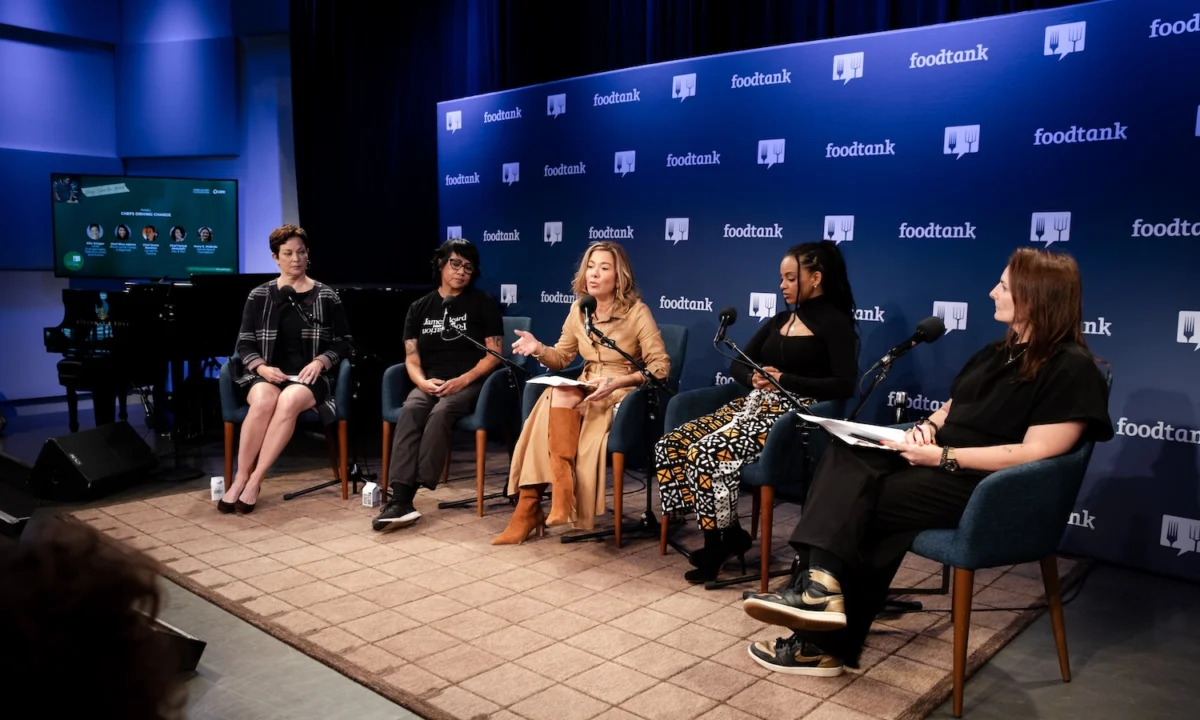
 Asro
Asro
