

 Ammar Sabilarrohman
 Ali Ikhwan
 Dwi Wanna
 Neng Nana
 Siti Muinah
As the spring thaw transitions into the robust energy of late spring, May stands as a critical juncture for farmers across North America. It is a month of immense opportunity, where the window for planting shifts from the delicate caution of early spring to the high-stakes production of the summer and autumn harvest cycles. For the professional grower, this period is defined by a balance between regional climate realities, market demand, and the strategic deployment of crop varieties.
The Strategic Imperative of May Planting
Whether you are managing a small-scale market garden or a sprawling commercial operation, May is the month when long-term production goals are solidified. The decision-making process for what to plant is twofold: first, it must be dictated by the local frost-free dates and soil temperatures; second, it must be informed by the specific needs of your farm’s economic model.
For those focused on revenue, May is the time to lean into "tried-and-true" regional staples—crops that have historically performed well in your microclimate. However, the most successful agricultural operations often reserve a portion of their acreage for controlled experimentation. While a new crop may carry a learning curve, the secondary benefits—such as soil improvement, biodiversity, and the potential for a new high-value market offering—often outweigh the initial risks of an untried variety.
The Role of Extensional Techniques
Modern agricultural technology has significantly widened the planting window. Even in regions where the climate is ostensibly unfavorable, the use of row covers, high tunnels, and succession planting techniques provides a crucial buffer. These tools allow farmers to regulate day length and temperature, effectively tricking crops into thriving outside of their traditional calendar constraints.
Chronology of the Season: From Seed to Harvest
Understanding the timeline is essential for success. Crops planted in May generally fall into two categories: those requiring direct seeding and those that must be started as transplants.
Mid-May: The Critical Window
By mid-May, soil temperatures in most of North America have stabilized above 60°F (15°C). This is the optimal time to establish heat-loving crops that require a long growing season to reach maturity.
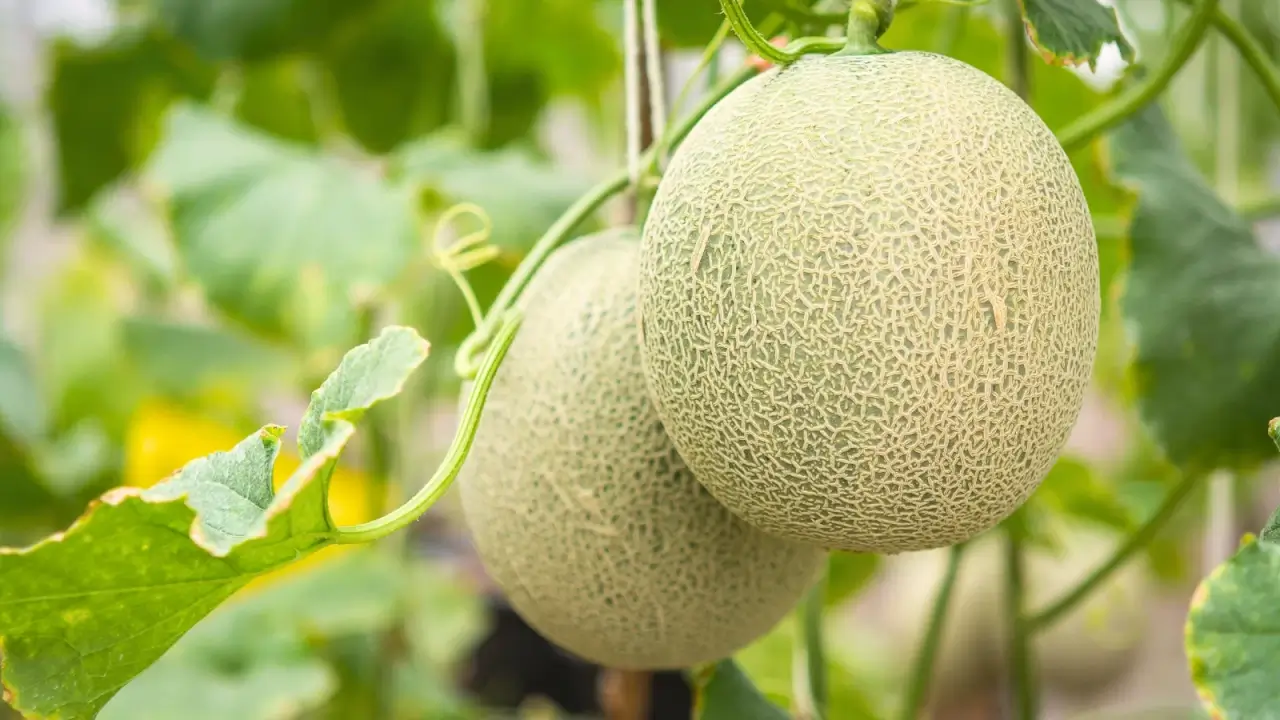
- Melons: Cantaloupe, watermelon, and honeydew thrive in the lengthening days. For watermelons, sandy, well-draining soils are preferred, whereas musk melons benefit from nutrient-rich, loamy soils.
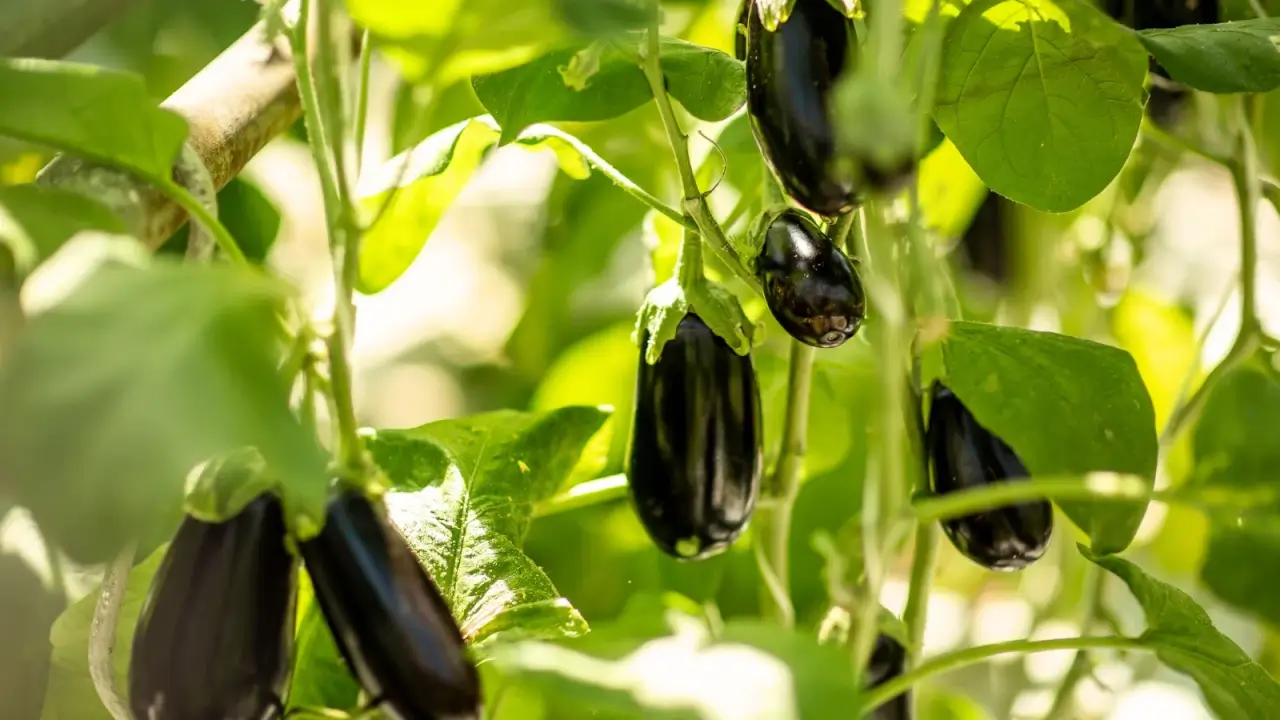
- Eggplants: As a solanaceous crop, eggplants require a significant head start. Transplants placed in the ground in May will typically yield fruit within 75 to 90 days.
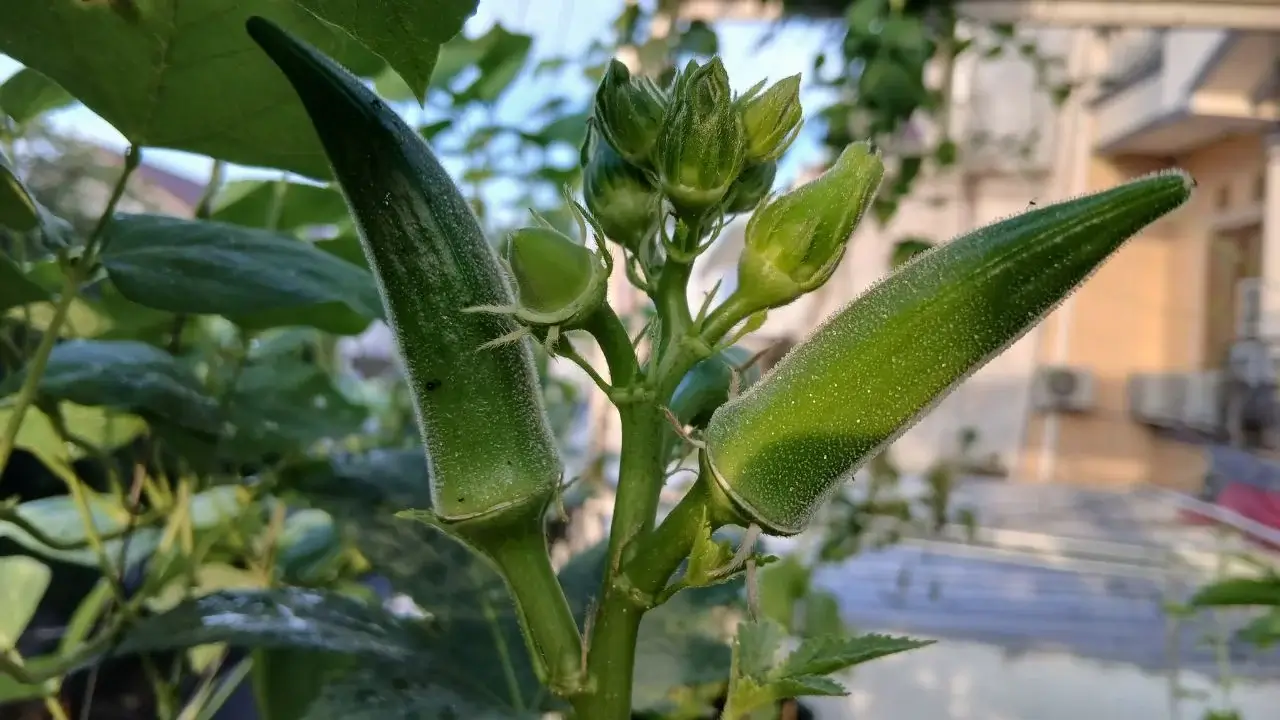
- Okra: A true heat-lover, okra should be sown when the threat of frost is entirely gone. Spineless varieties, such as ‘Clemson Spineless 80’, are highly recommended for labor efficiency during harvest.
Late May: Preparing for Autumn
For farmers in cooler climates with shorter growing seasons, the end of May is the last call for planting certain winter squashes and pumpkins. If these crops are not in the ground before the summer solstice, they risk failing to reach maturity before the first autumn frost.
Supporting Data: Crop-Specific Requirements
| Crop | Planting Method | Preferred Conditions | Days to Maturity |
|---|---|---|---|
| Melons | Direct Sow | Full sun, high heat | 70–90 days |
| Eggplant | Transplant | Warm, fertile soil | 75–100 days |
| Okra | Direct Sow | Intense heat | 60–80 days |
| Corn | Direct Sow | Nitrogen-rich soil | 70–100 days |
| Beans | Direct Sow | Varied (cool/hot) | 50–75 days |
The Case for Diversity: Beans and Grains
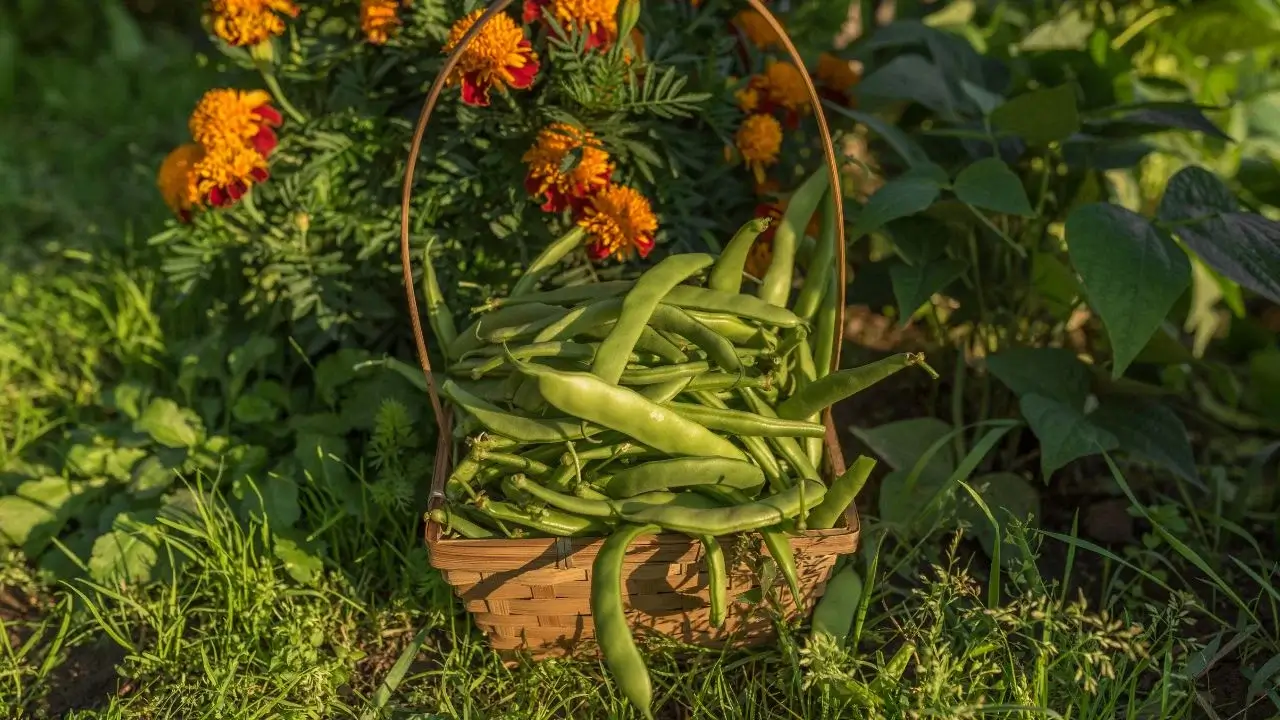
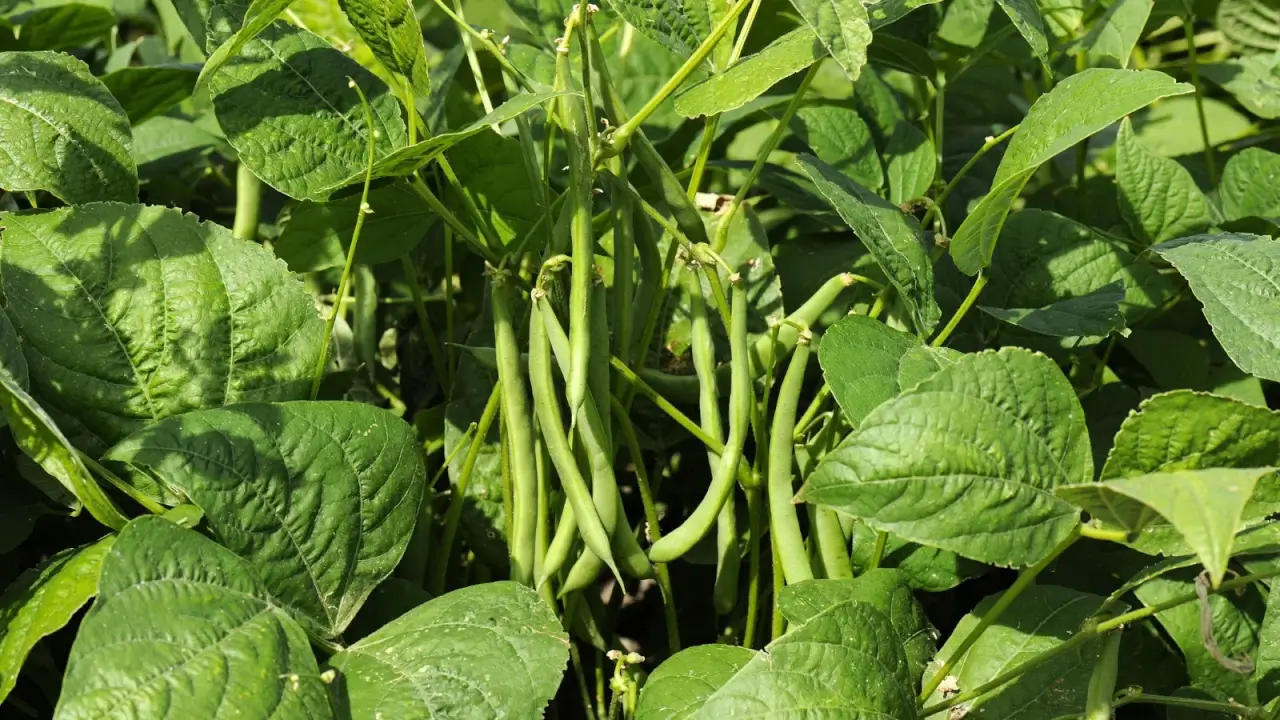
Diversity is the bedrock of a resilient farm. Beans, for example, offer a wide range of thermal tolerances. Fava beans are an excellent choice for regions with cooler summers, while cowpeas and the drought-hardy tepary beans—a staple of the American Southwest—thrive in arid, high-heat conditions.
Similarly, grain selection should be tailored to environmental capacity. In regions with scorching summers, amaranth and sorghum are the gold standard. These crops are not only productive but also offer diverse market applications, from gluten-free flours to ornamental cut flowers. For more temperate regions, buckwheat and oats remain the most viable options for a May planting.
Professional Insights and Expert Guidance
According to agricultural specialists, the most common mistake farmers make is failing to account for the "Days to Maturity" (DTM) relative to their first frost date.
"Farmers often get caught up in the excitement of spring," says a representative from the Sustainable Agriculture Research and Education (SARE) program. "They see the warm weather and assume they have all summer. But you must work backward from your first frost. If a variety requires 100 days to mature, and your frost arrives in late September, you are already behind schedule by the time you reach late May."
Furthermore, experts emphasize the importance of "Integrated Planting." By interspersing pollinator-friendly flowers like sunflowers, zinnias, and borage among vegetable crops, farmers create a self-sustaining ecosystem. These flowers attract beneficial insects—predators that keep aphid and beetle populations in check—reducing the need for chemical interventions.
Implications for the Modern Farm
The decision to plant in May has long-term implications for the farm’s economic and ecological health.
Economic Sustainability
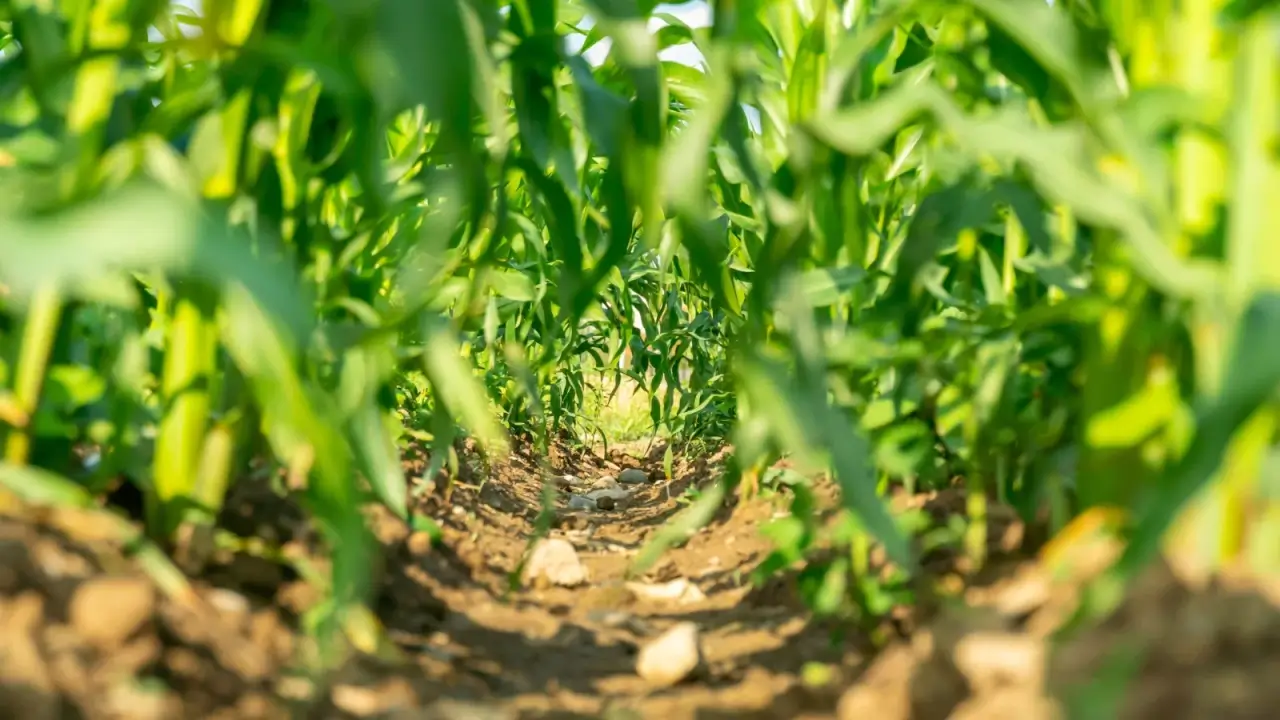
The shift toward high-demand, high-value crops like heirloom varieties of corn (such as dent corn for masa or flint corn for grinding) allows small-scale farmers to tap into specialty markets. By moving away from commodity-grade crops and toward heirloom and open-pollinated varieties, farmers can command higher prices and foster brand loyalty at local farmers’ markets.
Ecological Resilience
Building a planting schedule that respects the natural cadence of the season is an act of stewardship. By utilizing heat-hardy crops in the South and cold-hardy varieties in the North, farmers align their operations with the natural limitations of their land. This, in turn, reduces the reliance on synthetic inputs like fertilizers and excessive irrigation, leading to a more resilient food system.
The Human Element
Finally, the "hidden" value of experimenting with new crops cannot be overstated. When a farm successfully introduces a new, atypical crop to its rotation, it gains intellectual capital. The knowledge gained from troubleshooting the growth of an unusual variety—such as a specific type of grain or an heirloom melon—is an asset that persists even if the crop fails to turn a massive profit in its first year.
Conclusion
May is the bridge between the planning phase of winter and the harvest intensity of late summer. By prioritizing a mix of high-production staples and strategic experiments, and by utilizing modern protective techniques to buffer against volatile weather, farmers can ensure a productive and profitable season. Whether you are direct-sowing rows of beans or carefully transplanting delicate eggplants, the efforts made in May are the foundation upon which the entire agricultural year is built. As you head into the fields this month, remember that the most successful farms are those that remain as adaptive as the crops they nurture.

 Lina Hope
 Asro
Asro
