

 Nana Wu

 Dwi Wanna

 Suro Senen

 Evan Lee Salim

 Rifan Muazin
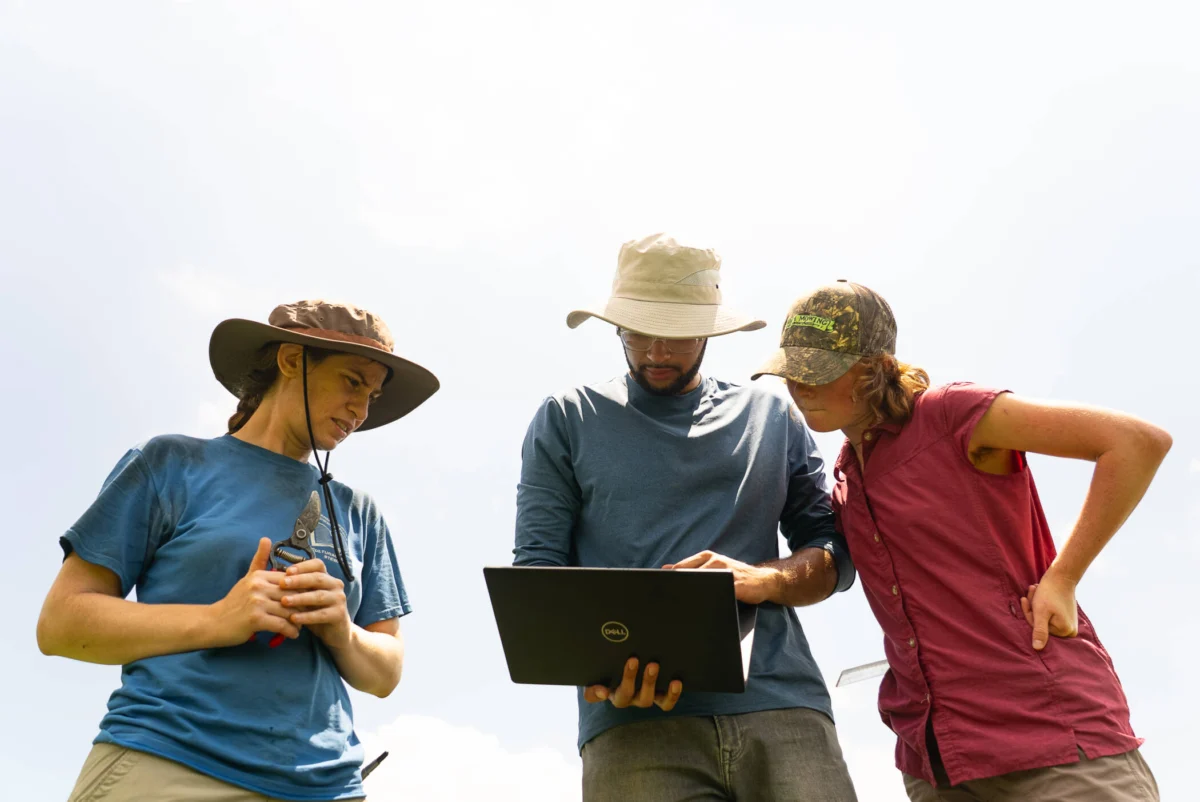
In the high-stakes world of modern agriculture, the difference between a failing operation and a flourishing farm often comes down to a single, intangible asset: knowledge. For the regenerative organic farmer, this knowledge encompasses a vast, complex ecosystem of disciplines—from the microscopic intricacies of soil microbiology and entomology to the macro-economic realities of cost accounting and international organic certification standards.
For over 15 years, the Rodale Institute Farmer Training (RIFT) program has served as a beacon of excellence, preparing a new generation of agricultural entrepreneurs at its flagship Pennsylvania campus. However, the physical limitations of an in-person, nine-month immersive program have long acted as a bottleneck for the broader agricultural community. Recognizing this, the Institute has launched a groundbreaking digital initiative: a virtual campus designed to bring 75 years of research-tested, experience-backed agricultural expertise directly to farms across the globe.
The Chronology of an Agricultural Evolution
The transition to a virtual model was not a sudden pivot, but rather the culmination of a three-year strategic endeavor.
2021–2022: The Foundation of Digital Pedagogy
The Rodale Institute education team began the deliberate process of capturing their RIFT curriculum on video. The goal was to translate decades of field-tested, hands-on lessons into a high-fidelity digital format that maintained the "scientific integrity" of the original in-person instruction.
2023–2024: Infrastructure Development
To ensure a robust user experience, the Institute adopted the Canvas learning management system. This move allowed for the integration of interactive elements—quizzes, peer-to-peer discussion forums, and assignment tracking—that transformed the platform from a mere repository of videos into a genuine, university-level virtual classroom.
Late 2025: The Global Rollout
With the infrastructure finalized, the virtual campus officially opened its digital doors, aiming to scale educational access from the dozen or so students admitted to the annual in-person RIFT program to a capacity of over 6,500 remote learners. This expansion marks a new era in which geographical barriers no longer dictate a farmer’s ability to access premium regenerative training.
The Challenge: Farming’s "Time Poverty"
Agriculture is perhaps the only industry where the primary stakeholders are physically and mentally tied to their work 365 days a year. Renée Baran, Dean of Education at the Rodale Institute, notes that the nature of the profession creates a significant "knowledge gap" for those who cannot step away for professional development.
"Farming is a unique way to make a living because farmers don’t get vacations or even weekends off when they can take time to focus on learning," Baran explains. "Yet, the rapid evolution of regenerative techniques means that both new and experienced farmers have critical gaps in their knowledge that they need to fill to remain competitive and ecologically responsible."
The "time poverty" inherent in farming makes traditional, time-intensive classroom models impractical for most producers. This realization formed the core of the Rodale Institute’s mission: to create a solution that respects the farmer’s time while providing deep, actionable intelligence.
Supporting Data and the "University-Level" Standard
Unlike the "surface-level" content often found on platforms like YouTube, the RIFT online curriculum is built on established pedagogical principles. Dr. Jason Slipp, Director of Education at Rodale, emphasizes that the program is designed for professional efficacy.
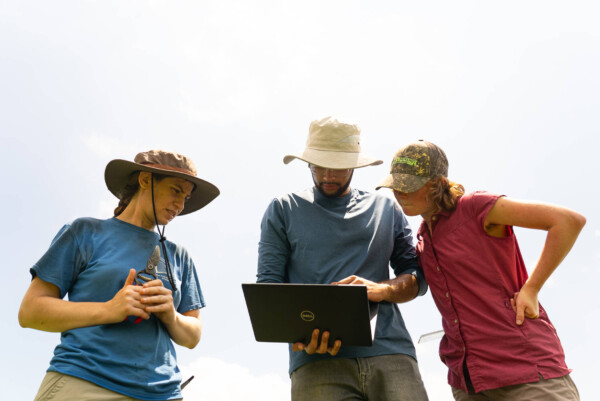
"These are university-level classes based on proven instructional principles," Dr. Slipp states. The curriculum covers the essential pillars of regenerative organic agriculture, including:
- Soil Health and Biology: Advanced techniques for fostering subterranean ecosystems.
- Integrated Pest Management (IPM): Science-based entomology for natural crop protection.
- Systems Management: Sophisticated crop rotation strategies and non-chemical weed control.
- Agro-Economics: Financial recordkeeping, marketing strategy, and the logistical requirements of maintaining organic certification.
The data-driven approach is further validated by the shift in scale. While the in-person RIFT program provides intensive, high-touch training for a cohort of 12, the virtual campus’s capacity to serve 6,500 learners represents a 54,000% increase in potential impact.
Official Perspectives: The Role of Strategic Partnerships
The impact of this program is already being felt through strategic alliances with organizations that support emerging producers. One such partner is Good Roots, a non-profit dedicated to fostering sustainable, profitable agricultural businesses.
Rebecca Frimmer, a partner and principal consultant at Good Roots, argues that the most significant hurdle for small-scale producers is the "business of farming."
"Farmers need training in business management and finance to ensure they are profitable and viable for the long term," says Frimmer. "The biggest challenge for farmers is finding the time to balance all that must be done. It’s essential to carve out the space to work on the farm business and not just in the business."
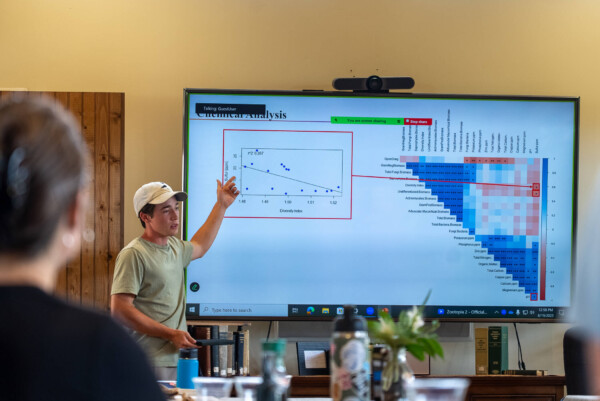
Frimmer notes that many small-scale producers lack the resources to hire external consultants for bookkeeping or marketing. By providing high-quality, self-paced, and affordable resources, the Rodale Institute’s platform bridges this professional gap, allowing for a more robust and scalable generation of organic entrepreneurs.
Implications: A New Era for Regenerative Food Systems
The implications of this virtual expansion extend far beyond the professional farmer. By democratizing access to expert agricultural knowledge, the Rodale Institute is effectively fostering a broader cultural shift toward regenerative living.
Expanding the "Regenerative" Audience
The virtual campus is not restricted to commercial agriculturalists. Recognizing that interest in health and environmental stewardship is widespread, the Institute has introduced a "Learning for All" track. Courses such as Regenerative Health: The Power of the Plate and Being a Regenerative Consumer invite the general public to understand the connection between soil health and human wellness. Hobbyists—from home gardeners to backyard beekeepers—can now access the same institutional expertise as commercial operators.
Toward a "YouTube" of Regenerative Science
The ultimate ambition, according to Renée Baran, is to become the definitive digital destination for the movement. "We want to be the ‘regenerative organic agriculture YouTube’ where farmers can find the information they’re looking for," Baran envisions, "but with real scientific integrity and a community of others to connect to and learn with."
The Economic and Environmental Outlook
The long-term success of this initiative could have profound implications for the global food system. As more farmers transition to regenerative practices, the ripple effects include:
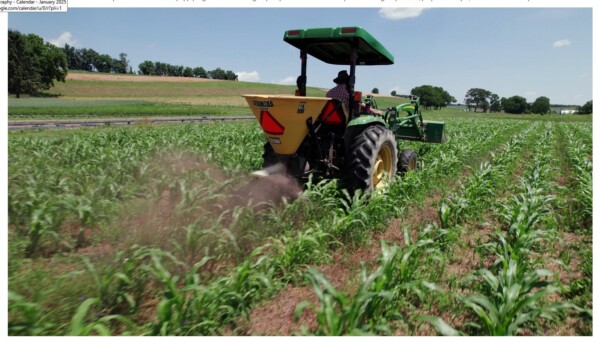
- Improved Soil Sequestration: Increased adoption of regenerative methods directly impacts carbon sequestration potential.
- Rural Economic Revitalization: By providing the tools for better financial management, the program aids in the stabilization of rural economies.
- Supply Chain Resilience: A better-educated farming workforce is better equipped to handle climate volatility, ensuring a more consistent supply of nutritious food.
Conclusion: Bridging the Gap
The Rodale Institute’s move to a virtual education model represents a critical milestone in the history of sustainable agriculture. By leveraging the power of the digital landscape to provide high-quality, science-based, and accessible education, the Institute is effectively dismantling the barriers that have historically kept regenerative practices at the margins of the food industry.
As the program continues to add new courses and expand its partnerships, it stands as a testament to the fact that when knowledge is made accessible, the potential for positive, systemic change is nearly limitless. For those interested in joining this growing movement—whether as a commercial producer or a conscious consumer—the tools for a healthier, more sustainable future are now available at the touch of a button.
For more information on upcoming courses, enrollment criteria, and the full catalog of virtual offerings, visit RodaleInstitute.org/education.

 Nila Kartika Wati
 Layla Zulfa

