 Pevita Pearce

 Lina Hope

 Evan Lee Salim

 Lina Irawan

 Dwi Wanna

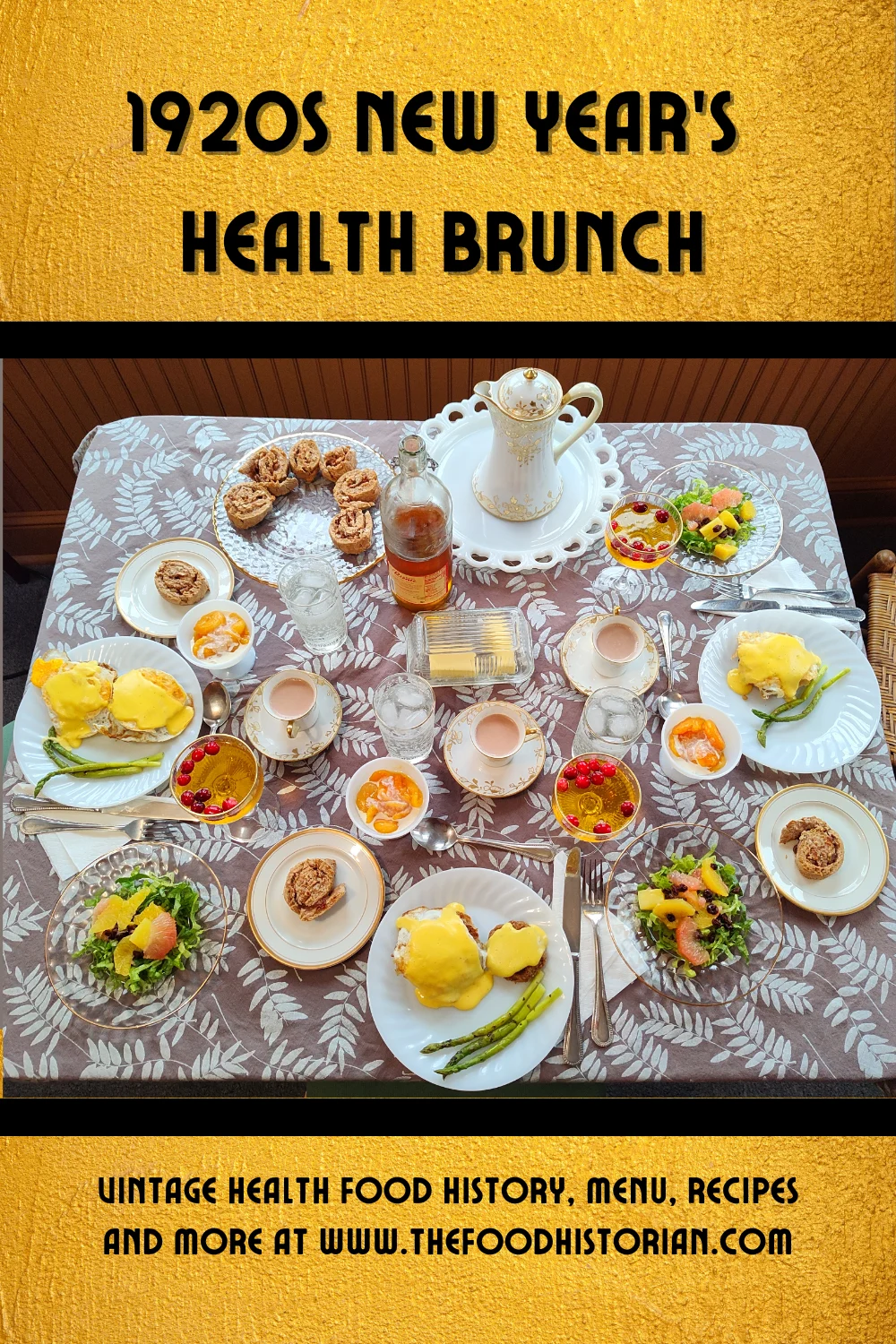
Brunch is perhaps the most culturally significant meal in the modern American repertoire, a bridge between the necessity of breakfast and the indulgence of lunch. At the center of this ritual often sits the Eggs Benedict: a toasted English muffin, a slice of savory meat, a perfectly poached egg, and a velvety cloak of hollandaise sauce. While often viewed as a singular, static classic, the dish is actually a historical chameleon. Recent culinary investigations into the 1905 Boston Cooking School Magazine have revealed that the dish was far more fluid than modern menus suggest, leading to a revival of "Eggs Wyman"—a creative, meat-free interpretation that leans into the rich, often overlooked history of early 20th-century health food movements.
Main Facts: The Anatomy of a Classic
The classic Eggs Benedict is an exercise in textural contrast. The crunch of a toasted muffin provides a foundation for the savory saltiness of ham, the creamy richness of an egg, and the acidic, emulsified decadence of hollandaise. However, the dish’s components have individual lineages that span centuries.
The hollandaise sauce, the soul of the dish, finds its roots in the 17th-century French culinary tradition. Pierre de La Varenne’s 1651 seminal work, Le Cuisinier François, mentions a "white sauce" that serves as the ancestor to the modern hollandaise, utilizing fresh butter, vinegar, salt, nutmeg, and egg yolks as a binding agent. The culinary challenge, then as now, remains the precarious nature of the emulsion—a delicate balance that, if improperly managed, results in a "broken" or curdled sauce.

The "Benedict" component itself remains shrouded in mystery. Despite popular claims by the famed Delmonico’s Restaurant in New York City, which suggests an 1860s origin, no primary source documentation exists to corroborate the myth. What is clear is the rapid acceleration of its popularity by the 1890s, when recipes began appearing in domestic cookbooks like Hood’s Practical Cookery (1897).
Chronology: From 17th-Century France to 1927 Health Menus
The journey of the dish can be mapped through a series of key culinary milestones:
- 1651: Publication of Le Cuisinier François, establishing the foundation for emulsified butter-and-egg sauces.
- 1796: Hannah Glasse’s The Art of Cookery provides an early reference to "Collops and Eggs," documenting the tradition of pairing poached eggs with cured meats—the structural ancestor of the modern breakfast.
- 1897: The first documented appearances of "Eggs Benedict" in cookbooks, marking its transition from restaurant novelty to home-cooking staple.
- 1898: Adolphe Mayer’s Eggs and How to Use Them expands the culinary lexicon, introducing dozens of variations, including versions featuring croquettes and forcemeats.
- 1905: The Boston Cooking School Magazine publishes a unique, refined hollandaise method that utilizes boiling water to stabilize the emulsion, a technique that remains highly effective today.
- 1927: Chef Arthur Wyman publishes Chef Wyman’s Daily Health Menus, effectively codifying the use of nut-based meat alternatives as a legitimate component of the fine-dining breakfast.
Supporting Data: The Rise of "Mock" Meats
While we often view the modern "plant-based" movement as a contemporary phenomenon, the history of meat substitutes is deeply rooted in the 19th and early 20th centuries. The impetus for these alternatives was twofold: religious dietary constraints—most notably among Seventh-Day Adventists—and the pragmatic necessity of wartime rationing.

During the First World War, the U.S. government promoted "meatless" and "wheatless" days to support the war effort. This necessity birthed a culinary industry of "mock" meats. John Harvey Kellogg, of Battle Creek Sanitarium fame, pioneered products like Protose and Nuttose, which utilized wheat gluten and peanuts to mimic the texture of animal proteins.
These were not merely bland, utilitarian substitutes. They were the product of a specific health-conscious zeitgeist that viewed traditional meat consumption as both economically and physically taxing. By 1927, Chef Arthur Wyman’s "Walnut Sausage" had entered the scene. His recipe utilized lima beans, breadcrumbs, and walnuts—a combination that, when seasoned with poultry herbs like sage, thyme, and marjoram, replicated the savory profile of breakfast sausage with remarkable accuracy.
Comparative Analysis: The "Eggs Wyman" Recipe
The substitution of ham with walnut sausage changes the nutritional profile of the dish significantly. Whereas traditional Canadian bacon provides a dense, cured saltiness, the walnut sausage introduces earthiness, fiber, and heart-healthy fats.

The 1905 Hollandaise Adaptation:
- Ingredients: 1/4 cup unsalted butter (room temp), 2 egg yolks, 1 tbsp lemon juice, 1/4 cup boiling water, salt/pepper.
- Methodology: Cream the butter to a fluffy consistency before incorporating the yolks. The addition of boiling water while over a double-boiler serves as a stabilizer, preventing the rapid curdling common in high-heat preparations.
The 1927 Walnut Sausage Adaptation:
- Ingredients: 14 oz butter beans (pureed), 3/4 cup crushed walnuts, 1/3 cup panko, egg binder, vinegar, and a blend of sage, thyme, and marjoram.
- Methodology: The beans act as the protein base, while the walnuts provide the necessary fat content and "gristle" texture. The vinegar mimics the acidity often found in fermented sausages.
Implications: The Democratization of Brunch
The success of this experiment suggests that the definition of "classic" cuisine is inherently fluid. When the walnut sausage was served as a substitute for ham in an Eggs Benedict—or "Eggs Wyman"—the result was not a lesser version of the original, but a distinct culinary experience.

The implication for modern home cooks is clear: brunch should not be a rigid adherence to 19th-century standards. By engaging with historical recipes, one learns that the "Benedict" is merely a vessel for innovation. Whether one uses the 1905 method for a superior hollandaise or the 1927 method for a plant-forward protein, the goal remains the same: the elevation of the morning meal.
Nutritional and Cultural Impact
The shift toward leguminous, nut-based meat alternatives aligns with contemporary trends toward sustainability and wellness. Furthermore, it validates the historical efforts of early 20th-century nutritionists who argued that flavor is primarily a product of seasoning—as the saying goes, "sausage is just poorly treated meat with spices." By mastering the spices, the cook retains the essence of the dish while removing the environmental and health costs associated with excessive meat consumption.
Official Response: Why History Matters in the Kitchen
Professional chefs and food historians increasingly argue that home cooking is a form of active research. By revisiting recipes from the Boston Cooking School Magazine or the works of Arthur Wyman, cooks are not just feeding their guests; they are participating in a historical continuum.

When the dish was served, the feedback was unanimous: the walnut sausage was not just a "substitute"—it was a "hit." The texture, while slightly more crumbly than traditional pork, offered a complexity of flavor that held its own against the sharp acidity of the hollandaise. The incorporation of grilled asparagus—a nod to Varenne’s original 1655 preparation—provided a bridge between the historical past and the present, tying together centuries of culinary evolution into a single, cohesive plate.
Conclusion
The Eggs Benedict is a dish that refuses to sit still. From its murky, potentially apocryphal origins in the late 1800s to its rigorous codification in early 20th-century magazines, it has always been a reflection of its era. By adopting the "Eggs Wyman" approach, we embrace a version of the dish that honors the ingenuity of the past—the technical brilliance of the 1905 hollandaise and the health-conscious creativity of 1927. As we look toward the future of brunch, it is clear that the most "classic" recipes are those that are willing to evolve, inviting us to experiment with the very ingredients that define our culinary identity. Whether you are a traditionalist or a culinary adventurer, the history of this dish offers a wealth of techniques to ensure that your next brunch is as intellectually stimulating as it is delicious.

 Sagoh
 Asep Darmawan