

 Nana Wu

 Dwi Wanna

 Suro Senen

 Evan Lee Salim

 Muslim
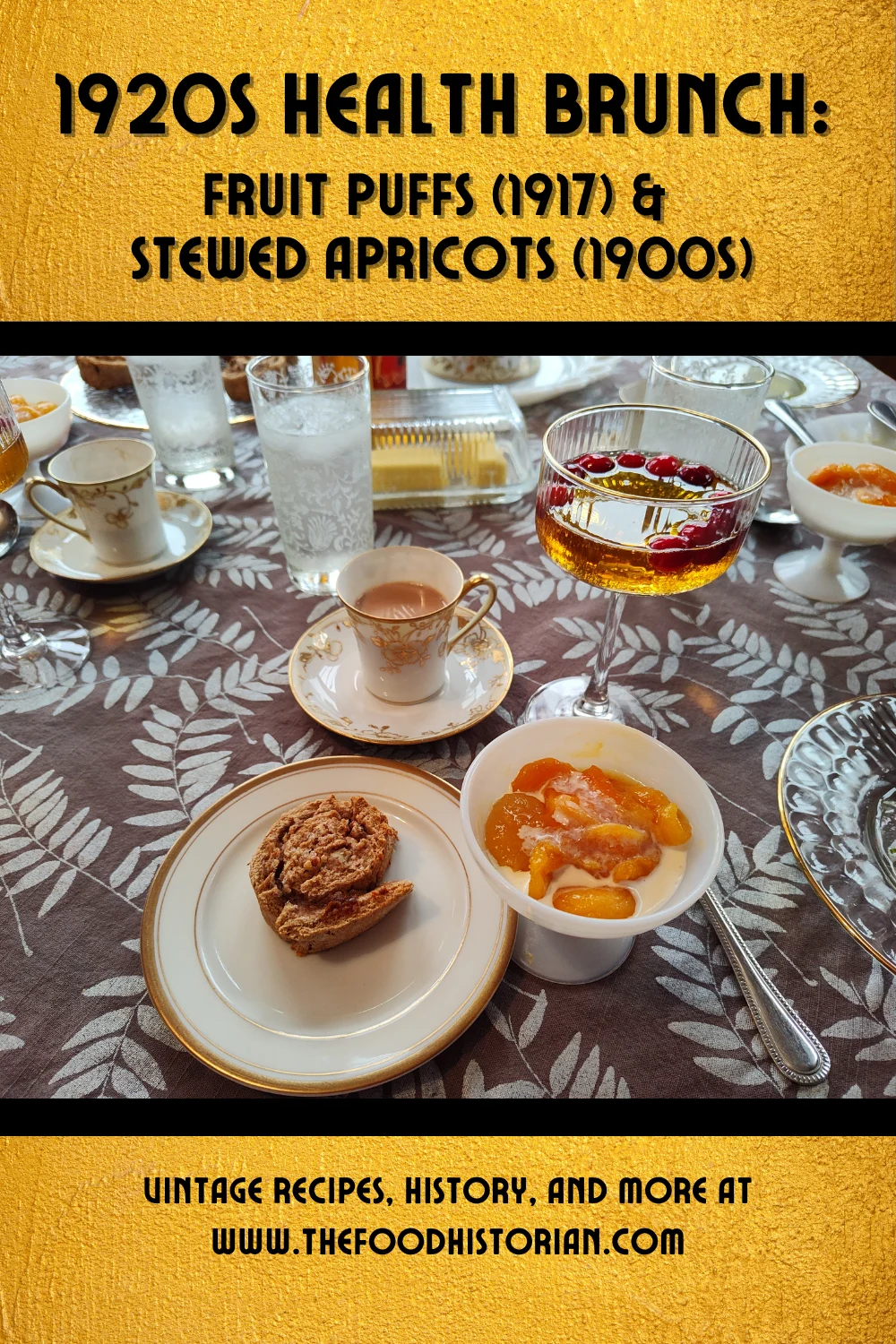
In the early 20th century, the American relationship with food was undergoing a seismic shift. As the nation moved away from the agrarian habits of the 1800s toward an industrialized, urbanized lifestyle, the specter of "dyspepsia"—a catch-all term for digestive distress—loomed large over the dinner table. This era, characterized by a burgeoning interest in nutritional science and the early advocacy of "health foods," serves as the fascinating backdrop for our final exploration of the 1920s Health Brunch series. By examining the dietary anxieties and agricultural innovations of the time, we can better understand how our modern perceptions of "healthy eating" were forged in the shadow of the Great War and the rise of commercial fruit cooperatives.
The Science of Sustenance: A Historical Context
To understand the 1920s diet, one must first discard modern assumptions about nutrition. Today, we obsess over caloric density and the glycemic index, often demonizing carbohydrates in favor of fats or proteins. A century ago, the nutritional landscape was vastly different. The calorie had only been popularized as a metric for food energy in the 1890s, and the isolation of essential vitamins was in its infancy—the first, Vitamin A, was not identified until 1912.
In this nascent scientific environment, refined white sugar was frequently misunderstood. Rather than being viewed as a metabolic villain, it was often championed as a pure, concentrated form of energy. This was exacerbated by the Temperance movement; as alcohol was stripped from the social fabric, sugar emerged as a socially acceptable vice. Yet, not all agreed. Figures like John Harvey Kellogg, a titan of the health food movement, viewed sugar as a hazardous substance. The famous sibling rivalry between John Harvey and Will Kellogg—born from their disagreement over the inclusion of sugar in corn flakes—remains one of the most significant schisms in American food history.

The Digestive Crisis and the Rise of "Roughage"
The early 20th-century preoccupation with digestion cannot be overstated. With a population plagued by constipation and general malaise, medical professionals and home economists sought solutions that were both effective and gentle. Fruits and vegetables, which we now recognize for their dense micronutrient profiles, were then primarily valued for their "roughage"—the fibrous material necessary to keep the digestive tract moving.
Because early nutrition science prioritized carbohydrates, proteins, and fats as the "three pillars," fruits and vegetables were often dismissed as mere fillers. Milk, conversely, was elevated to the status of the "perfect food" because it contained all three macronutrients in a single, accessible beverage. To combat the digestive woes of the time, health reformers promoted the consumption of whole grains and dried fruits—prunes, apricots, figs, and dates—as the primary antidote to the American diet’s reliance on heavy, processed staples.
Chronology of Agricultural Expansion
The availability of these "health foods" was not a happy accident of nature, but a calculated result of California’s agricultural evolution. The 19th and early 20th centuries saw a massive transformation of the Golden State into the nation’s pantry.

- 1700s–1800s: Catholic missions introduce Mediterranean staples like olives, grapes, plums, and figs to California.
- 1850s: Commercial prune production takes hold in the Santa Clara Valley, alongside the first significant planting of apricot orchards.
- 1870s: The San Joaquin Valley begins large-scale commercial raisin production, spurred by the cultivation of the "Thompson Seedless" grape.
- Late 1800s: Turkish Smyrna figs are introduced, finally providing a high-quality alternative to the native Mission fig.
- Early 1900s: The Coachella Valley begins its pioneering work in date cultivation.
- 1912–1917: The era of the "Cooperative." Companies like the California Associated Raisin Company (Sun-Maid) and the California Prune and Apricot Growers Association (Sunsweet) form, standardizing the supply chain and branding health as a mass-market commodity.
Supporting Data: The 1917 "Fruit Puffs" Experiment
To ground this historical research, we looked to The National Food and Health Book (1917) by Robert Addison Harrison. Published during the height of the First World War, the book is a time capsule of "conservation cooking." As the military claimed the nation’s supply of white wheat flour, civilians were encouraged to embrace "wheatless" alternatives like cornmeal, rye, and barley.
The recipe for "Fruit Puffs"—a misnomer for what is essentially a biscuit-based pinwheel—highlights the creative use of pantry staples. The original recipe calls for:
- Two cups flour
- 4 teaspoons baking powder
- 1/2 teaspoon salt
- 4 tablespoons butter or lard
- 2/3 cup milk or water
- Filling: 4 tablespoons dates/figs, 4 tablespoons nuts, 4 tablespoons sugar, 1/2 teaspoon cinnamon.
When reconstructed in a modern kitchen, the challenge of interpreting 1917 instructions becomes apparent. The "puffs" were notably dry, a testament to the fact that whole wheat flour absorbs significantly more moisture than the refined alternatives common today. Without precise hydration adjustments, the results were more akin to a dense biscuit than a light pastry. However, the combination of dates, pecans, and cinnamon remains a classic, wholesome profile that highlights the enduring appeal of the era’s flavor palette.

Official Perspectives: Home Economics and Reform
The home economists of the 1920s acted as the influencers of their day. They argued that the American preference for heavy, pastry-crust pies was a direct contributor to the nation’s declining health. Their solution? The "Stewed Fruit" model. By simmering dried apricots, prunes, or raisins in water until plump and serving them with a dollop of cream, they provided a dessert that was perceived as both sophisticated and medicinal.
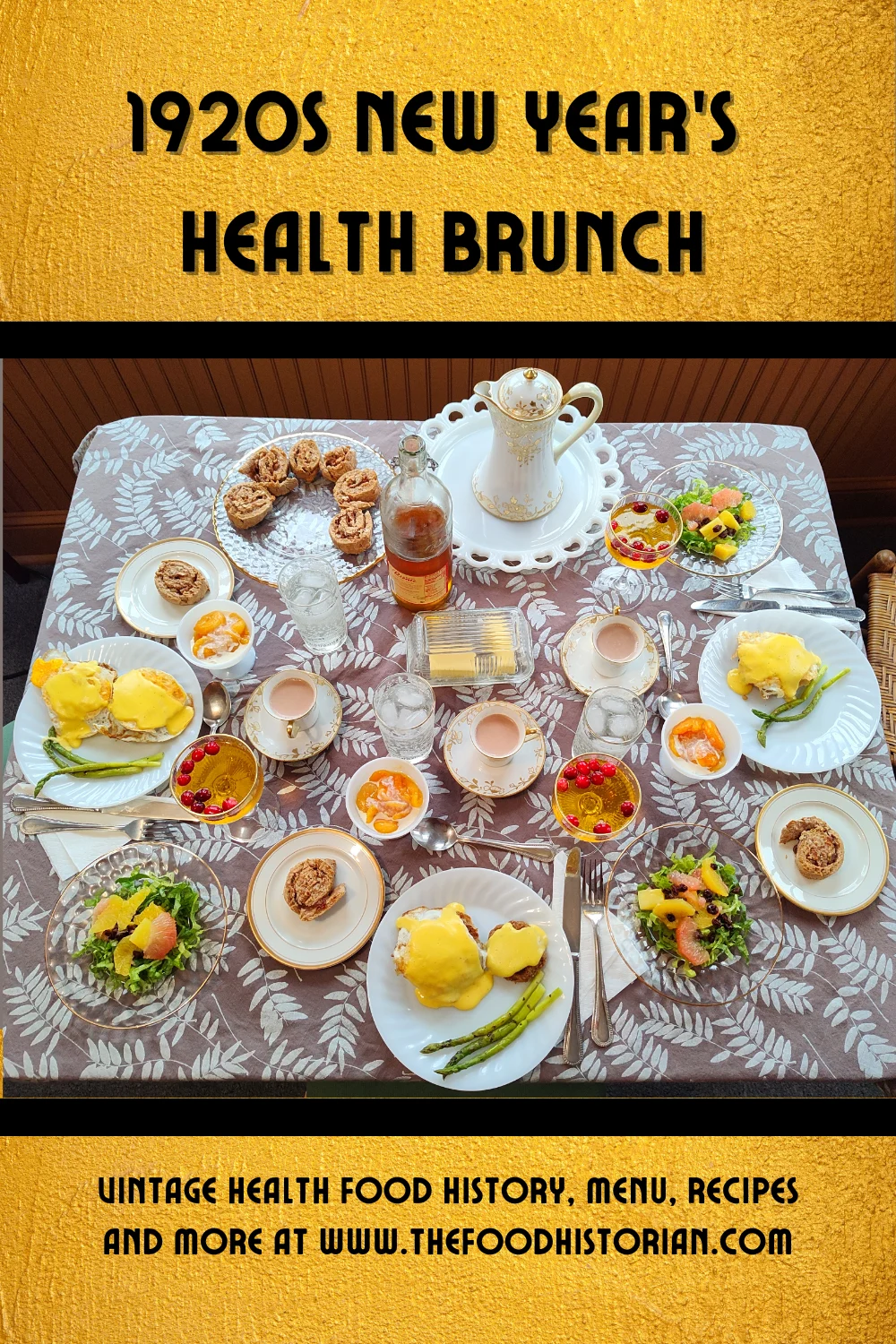
These experts emphasized that stewing fruit was an economical way to bridge the gap between harvests, ensuring that families could access the "vitality" of fruit year-round without the expense of commercial canning. This shift in mindset paved the way for the modern "health brunch," where dishes like the "Sunland Salad" (a popular 1927 recipe) moved fruit from the side dish to the center of the plate.
Implications for Modern Dining
What can we take away from this dive into the 1920s? First, that our modern obsession with "clean eating" is merely a rebranding of a century-old anxiety. The 1920s reformers were dealing with the same issues we face today: how to eat well in an era of processed foods and high-speed living.

Second, the history of California agriculture reminds us that our access to "healthy" ingredients is the result of decades of industrial development and marketing. The "Sun-Maid" girl and the "Sunkist" orange were not just logos; they were symbols of a society attempting to reconcile its desire for convenience with its newfound knowledge of nutrition.
Finally, there is a lesson in the failures of the kitchen. Much like the "dry" fruit puffs, historical recipes are often imperfect blueprints. They require the modern cook to apply common sense, adjust for modern ingredients, and engage with the underlying intent of the recipe rather than just the instructions. As we look forward to 2025, the 1920s Health Brunch serves as a reminder that cooking is a living history—a process of trial, error, and the constant search for a balance between indulgence and health. Whether it is a batch of stewed apricots with fresh cream or a reconstructed whole-wheat pinwheel, the act of preparing food remains one of the most profound ways to connect with our past and nourish our future.

 Sagoh

 Asep Darmawan

