

 Dwi Wanna
 Nana Wu
 Muslim
 Reynand Wu
 Ammar Sabilarrohman
 Pevita Pearce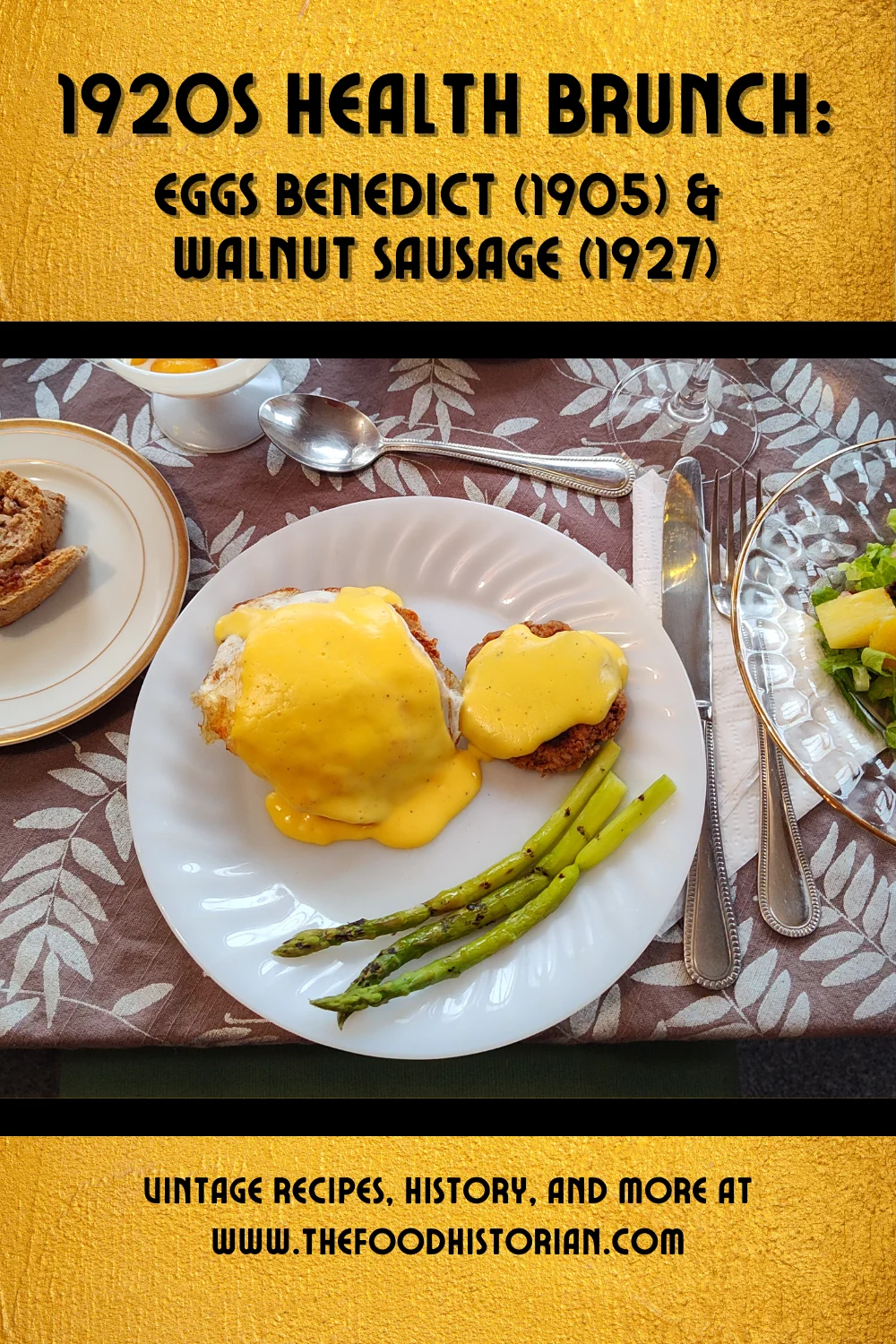
The Eggs Benedict is a cornerstone of the American brunch experience—a decadent marriage of a toasted English muffin, savory ham, a perfectly poached egg, and the velvety, golden embrace of hollandaise sauce. While it is now a standard fixture on menus from coast to coast, its origins remain shrouded in culinary mystery. Recently, an experimental approach to this classic dish has sparked a conversation about the history of meat alternatives and the endurance of 19th-century techniques in the modern kitchen. By substituting traditional ham with a 1927 "Walnut Sausage" recipe, we can trace a direct lineage between the "health menus" of the early 20th century and the current trend toward plant-forward dining.
The Chronology of a Culinary Classic
To understand the Eggs Benedict, one must peel back layers of culinary history that extend far beyond the Gilded Age. The pairing of eggs and cured meats is a tradition that predates the modern brunch phenomenon by centuries.

The Foundation: From "Collops" to Continental Sauce
The earliest precursors to the dish appear in Hannah Glasse’s seminal 1796 cookbook, The Art of Cookery. In her instructions for "Collops and Eggs," Glasse details the preparation of broiled bacon—a cut of pork closer in texture to modern Canadian bacon than American-style bacon—served alongside poached eggs.
However, the defining element of the Benedict is the hollandaise. Its pedigree is distinctly French, with roots tracing back to the 17th century. Pierre August Varenne, the architect of modern French cuisine, included a precursor to the sauce in his 1651 work, Le Cuisinier François. A 1655 edition of the text provides a recipe for "Asparagus with White Sauce," calling for fresh butter, vinegar, salt, nutmeg, and an egg yolk for binding. Varenne famously warned that the chef must "take care that it does not turn," a caution that remains the primary source of anxiety for any home cook attempting the emulsion today.

The Rise of the Benedict
While the legendary Delmonico’s restaurant in New York City often claims the invention of Eggs Benedict in the 1860s, the lack of primary evidence makes this a contentious assertion. By the 1890s, however, the dish had moved from the realm of legend into the public record. Hood’s Practical Cookery (1897) features a recipe that aligns closely with our modern understanding, and an issue of Table Talk magazine from the same year reportedly adopted the recipe entirely. By 1898, Adolphe Mayer’s Eggs and How to Use Them cemented the dish’s popularity, offering numerous variations that experimented with different proteins, including croquettes and chicken forcemeat.
Supporting Data: The Science of the Emulsion
For the contemporary cook, the hollandaise remains a litmus test of technique. A 1905 recipe from the Boston Cooking School Magazine offers a unique methodology that deviates from the standard double-boiler approach. The historical method involves beating butter to a cream, folding in egg yolks, and then thickening the mixture with boiling water and lemon juice.

Comparative Analysis: Traditional vs. Historical Hollandaise
The traditional technique typically involves whisking melted butter and yolks over indirect heat. The 1905 method, by contrast, relies on the mechanical aeration of the butter before introducing the boiling water. The resulting sauce is remarkably stable, resisting the "breaking" that often plagues the standard preparation. When testing this recipe, it was found that the yield was generous—sufficient for six eggs rather than the three suggested by the original text—suggesting that early 20th-century portioning was perhaps more modest than modern standards.
The Historical Context of Meat Alternatives
The decision to swap Canadian bacon for a walnut-based sausage is not merely a modern preference; it is a nod to a long history of vegetarian "mock meats" in the West.

The Battle Creek Influence
The early 20th century saw a surge in the development of meat substitutes, driven largely by figures like John Harvey Kellogg of the Battle Creek Sanitarium. Kellogg, a Seventh-Day Adventist, championed a vegetarian lifestyle and pioneered commercial products like "nuttose" and "protose"—early predecessors to modern seitan and tofu-based meat analogs. By the 1920s, the market for these products had expanded, with the introduction of "Smokene," a ham-like product designed to mimic the flavor profile of deviled ham.
The "Health Menu" Movement
During the First World War, the necessity of rationing turned "mock meat" into a patriotic duty. The government encouraged citizens to go "meatless" and "wheatless," leading to the rise of bean-based loaves like the "Boston Roast." Chef Arthur Wyman, writing in his 1927 cookbook Chef Wyman’s Daily Health Menus, was a vocal proponent of these alternatives. His recipe for "Walnut Sausage" utilizes lima beans, breadcrumbs, and finely chopped walnuts to replicate the savory satisfaction of traditional pork.

Implications for the Modern Kitchen: The "Eggs Wyman"
Substituting the traditional ham with the 1927 walnut sausage transforms the dish into what could be dubbed "Eggs Wyman." This adaptation serves as a bridge between the historical health movement and modern dietary trends.
Texture and Flavor Profiling
The walnut sausage, when prepared with a blend of butter beans, panko breadcrumbs, sage, thyme, and marjoram, provides a crumbly yet satisfying mouthfeel that mimics the savory nature of ground pork. Unlike many 19th-century meat substitutes that were often criticized for being flavorless, the addition of poultry seasoning and acidity from apple cider vinegar creates a profile that stands up well to the richness of the hollandaise sauce.

A Sustainable Future for Brunch
The success of the "Eggs Wyman" highlights an important implication for the future of brunch: the potential for historical preservation through adaptation. By looking back to the experimental cookbooks of the early 20th century, modern chefs can find inspiration for plant-based dishes that are deeply rooted in culinary tradition rather than relying on highly processed modern alternatives.
Furthermore, the integration of vegetables—such as the grilled asparagus referenced in Varenne’s 1655 text—adds a necessary layer of color and earthy bitterness that balances the high fat content of the egg and sauce. The "Eggs Wyman" model demonstrates that innovation in the kitchen does not require abandoning the past, but rather reinterpreting it with the ingredients and knowledge available today.

Conclusion: Looking Forward
The evolution of the Eggs Benedict from a 19th-century standard to a versatile platform for innovation proves that the dish is not a static artifact, but a living tradition. Whether one adheres to the classic ham-and-poach preparation or ventures into the world of walnut sausages and alternative techniques, the essence of the dish—the harmony of fat, acid, and starch—remains constant.
As we look toward further explorations in our series on 1920s health menus, the lesson is clear: the history of food is a continuous loop. The "mock meats" of 1927 and the "plant-based" trends of 2025 are, in essence, the same pursuit—a search for flavor, comfort, and vitality. With the hollandaise stabilized and the walnut sausage browned to perfection, the "Eggs Wyman" stands as a testament to the fact that when it comes to the brunch table, the most exciting ingredients are often the ones we’ve forgotten to use.

 Lina Hope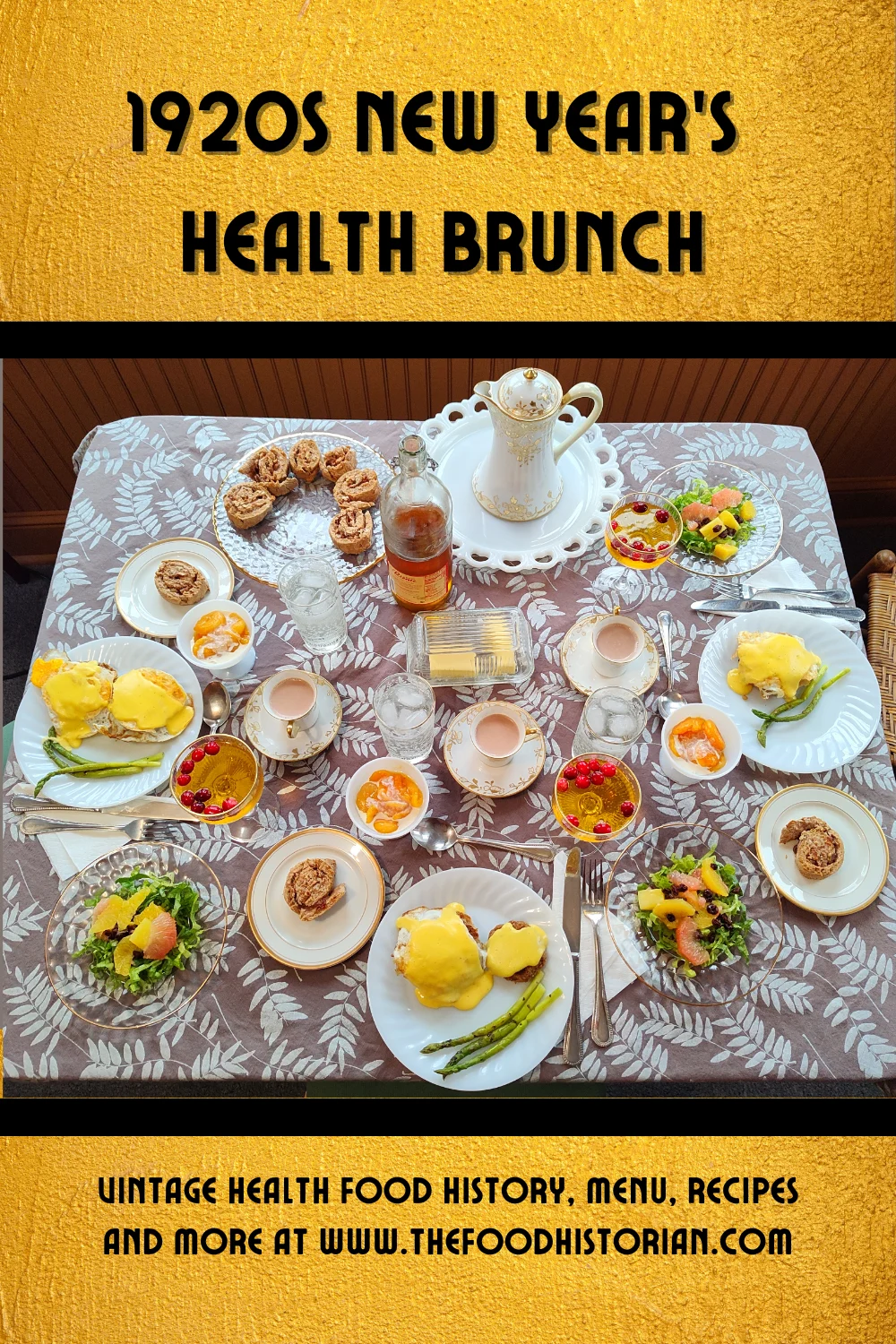
 Lina Irawan