

 Dwi Wanna
 Nana Wu
 Muslim
 Reynand Wu
 Ammar Sabilarrohman
 Nana
Nana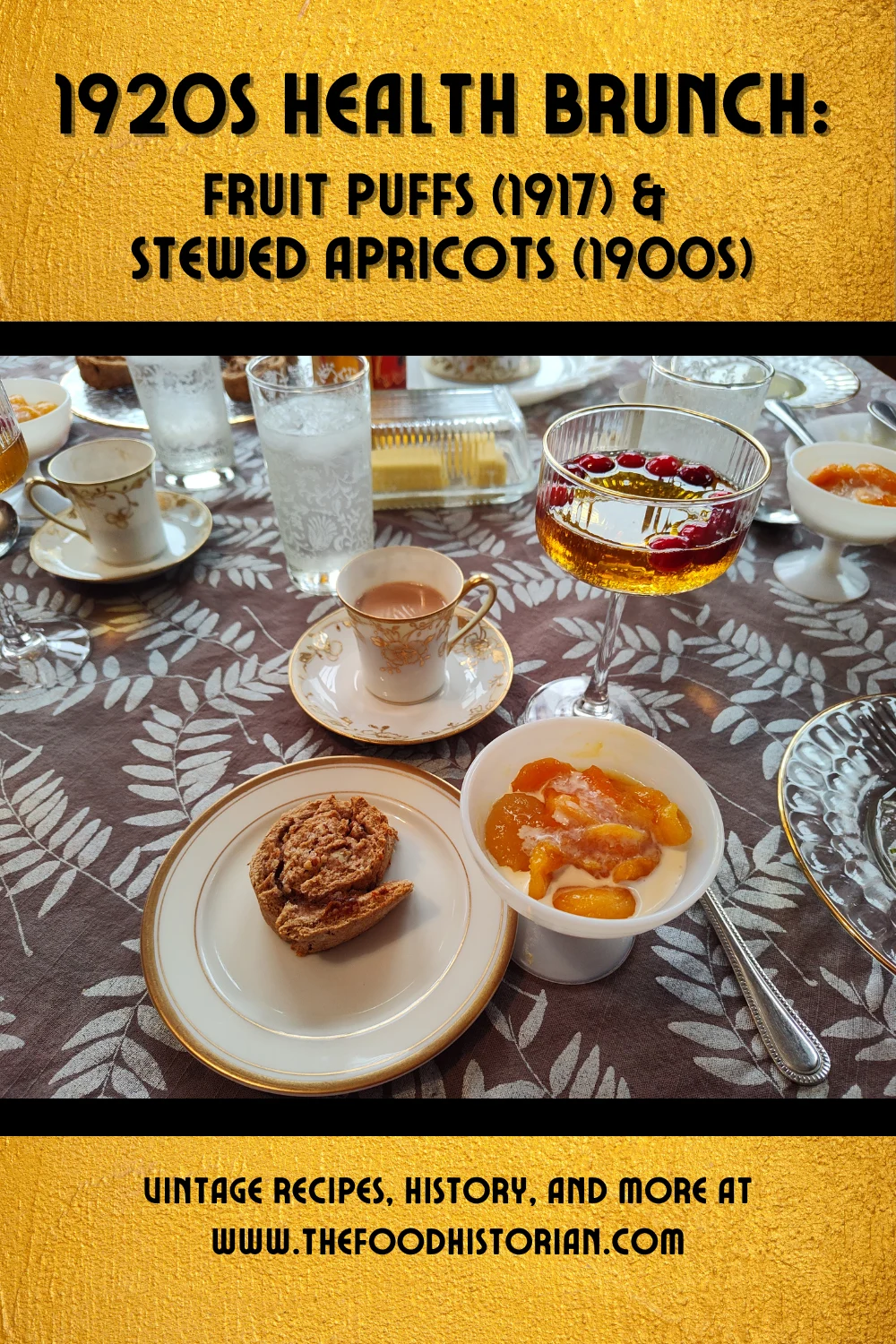
In the early 20th century, the American dining table was undergoing a seismic shift. As the nation transitioned from the Victorian era into the roaring 1920s, the conceptualization of health, digestion, and the very composition of "food" was being rewritten by burgeoning nutritional science, industrial marketing, and the austerity of the First World War. Our recent exploration into a 1920s-inspired health brunch concludes by examining two peculiar staples of the era: "Fruit Puffs" and stewed apricots—dishes that highlight the era’s fascination with "digestive health" and the commercialization of the California fruit industry.
The Main Facts: Sugar, Science, and the Temperance Movement
To understand the 1920s brunch, one must first understand the era’s complicated relationship with sugar. Today, we view excess carbohydrates and refined sugars as primary villains in the battle against obesity and metabolic disease. However, in the 1920s, nutrition science was in its infancy. With the calorie only recently applied to human energy intake in the 1890s and the first vitamin isolated in 1912, sugar was often viewed as a "pure carbohydrate"—a clean source of energy.
This misconception was bolstered by the Temperance movement. As Americans were encouraged to abandon the "vice" of alcohol, they often replaced it with the "sweet" vice of sugar. Yet, even then, dissent existed. Health reformers like John Harvey Kellogg—famous for his sanitarium and his famous falling-out with his brother, Will, over the inclusion of sugar in corn flakes—viewed refined sugar as a hazard to human health. This tension between the "wholesome" energy of sugar and the emerging medical warnings against it defined the culinary landscape of the time.
Chronology: A Century of Agricultural and Nutritional Shifts
The early 20th-century obsession with digestive health did not occur in a vacuum; it was the culmination of decades of agricultural development in California and a century of digestive anxiety.

- 1850s: Commercial production of prunes and apricots begins in the Santa Clara Valley.
- 1870s: Commercial raisin production takes off in the San Joaquin Valley with the introduction of the "Thompson Seedless" grape.
- 1912: The California Associated Raisin Company is established, leading to the 1915 debut of the iconic Sun-Maid brand.
- 1917: The California Prune and Apricot Growers Association is formed, eventually becoming the household name "Sunsweet."
- 1917–1918: World War I forces American home economists to adopt "wheatless" menus, popularizing cornmeal, rye, and barley as staples.
- 1920s: The peak of California apricot production, coinciding with a nationwide trend toward "health foods" and fruit-based salads.
Throughout the 19th century, the American diet was frequently plagued by reports of dyspepsia and chronic constipation. Consequently, nutritionists of the era viewed fruits and vegetables primarily as "roughage." They were not considered "complete" foods—that title was reserved for milk, which was heralded as the "perfect food" for containing a balance of protein, fat, and carbohydrates.
Supporting Data: The Rise of the Fruit Cooperatives
The shift toward fruit as a health-conscious snack was not merely a medical recommendation; it was a triumph of marketing and agricultural consolidation. By the early 1900s, independent growers recognized that they were stronger together. The Southern California Fruit Exchange, which rebranded as the California Fruit Growers Exchange in 1905, launched the "Sunkist" brand in 1907.
This corporate consolidation allowed for the mass distribution of dried fruits—prunes, raisins, figs, and dates—which became the primary "digestive aids" for the American home. These fruits were shelf-stable, inexpensive, and carried the prestige of the "sun-drenched" California orchards. Recipes like the "Sunland Salad," popularized in 1927, became the hallmark of the modern, health-conscious home economist.
Case Study: The "Fruit Puffs" of 1917
To bridge the gap between historical theory and practical application, we turned to The National Food and Health Book, published in 1917 by Robert Addison Harrison. Designed as a wartime resource, the book focused on food conservation and economical, whole-grain cooking.

The Recipe
The original 1917 instructions called for:
- 2 cups flour
- 4 tsp baking powder
- 1/2 tsp salt
- 4 tbsp butter or lard
- 2/3 cup milk/water
- 4 tbsp chopped dates or figs
- 4 tbsp chopped nuts
- 4 tbsp sugar
- 1/2 tsp cinnamon
When prepared with modern whole-wheat flour, the recipe requires careful calibration. As discovered in our kitchen trial, whole-wheat flour possesses higher fiber content and absorbs significantly more moisture than the refined white flour commonly used in 1917. Failing to adjust for this—and inadvertently omitting a tablespoon of butter—led to a "puffy" pastry that was arguably more of a dry biscuit pinwheel.
Implications: The Legacy of "Health" Foods
The lessons from our 1920s brunch are twofold: culinary and philosophical.
Culinary Implications
Cooking historical recipes is an exercise in trial and error. The naming convention of "Fruit Puffs" remains a mystery, as the resulting pastry is far from airy. However, the combination of whole grains, dried fruits, and nuts remains a standard for "healthy" baking today. The key, as discovered, is the moisture balance. Stewed apricots, conversely, provide a timeless, elegant solution to the dryness of biscuit-based desserts. When simmered until plump and served with heavy cream, they offer a sophisticated alternative to the sugar-heavy, "digestion-busting" pies that defined the era.

Societal Implications
The transition from the 1920s to the present day shows that our fundamental anxieties about health—specifically digestion and the "virtue" of our food choices—have remained remarkably static. We still associate certain foods (like oatmeal raisin cookies or Fig Newtons) with health, despite their nutritional profiles often mirroring more "indulgent" counterparts.
The 1920s health movement was an early precursor to the modern wellness industry. It utilized the same tactics we see today: the branding of specific agricultural products as "superfoods" and the promotion of dietary fads to solve complex, systemic health issues like chronic indigestion.
Conclusion: A Reflective Look Back
Reflecting on the 1920s Health Brunch, it is clear that while our understanding of nutrition science has expanded exponentially, the human desire to find a "perfect" food—one that is both medicinal and pleasurable—remains unchanged. Whether it was the "wheatless" flour of the Great War or the dried-fruit craze of the California cooperatives, the goal has always been the same: to reconcile the pleasure of eating with the desire for vitality.
As we move further into the 21st century, these historical recipes serve as a reminder that health is not merely a set of biological metrics, but a cultural construct. The next time you find yourself reaching for a "healthy" snack, consider its lineage. You may just be participating in a tradition that began in a 1917 Nebraska cookbook, designed to keep a nation strong during a global conflict. Here is to a healthy, delicious, and historically informed 2025.


 Lina Hope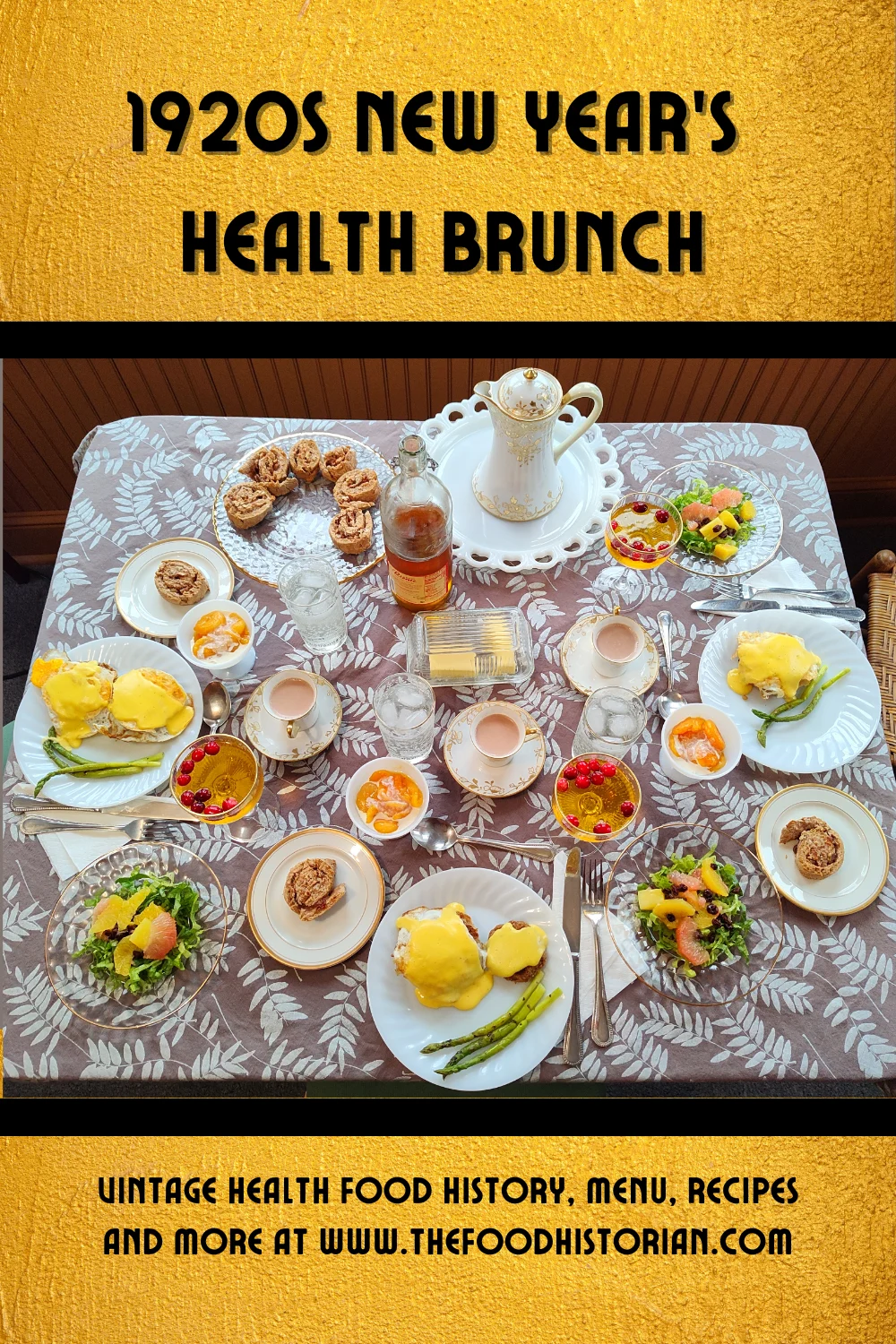
 Lina Irawan