
 Basiran

 Neng Nana

 Nila Kartika Wati

 Layla Zulfa

 Ammar Sabilarrohman
 Suro Senen
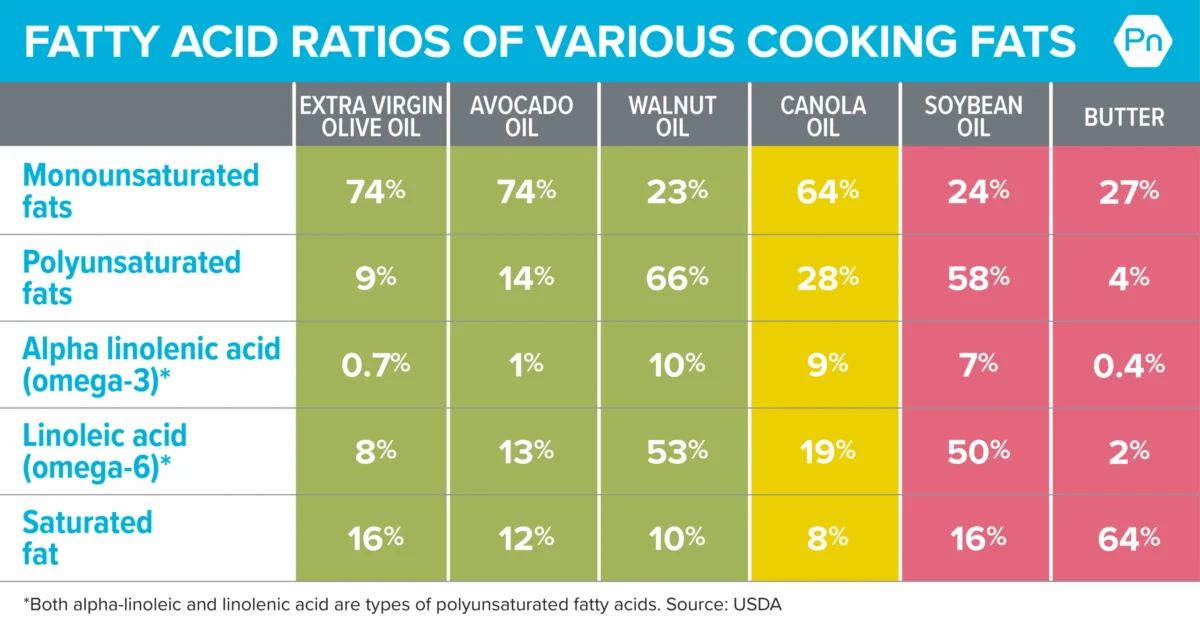
In the landscape of modern nutrition, few topics trigger as much fervor, confusion, and outright hostility as the debate over vegetable and seed oils. From viral TikTok trends declaring these oils “toxic sludge” to the resurgence of the “carnivore diet” movement, the narrative surrounding the oils in your pantry has become increasingly polarized.
Are common cooking oils like canola, soybean, and corn the silent architects of chronic disease, or are they a misunderstood, harmless staple of the modern kitchen? The answer, as is often the case in nutrition, is significantly more nuanced than a thirty-second social media clip would have you believe. To understand the truth, we must peel back the layers of marketing, industrial processing, and historical context.
The Origins of the Anti-Seed Oil Movement
The current backlash against vegetable oils is largely rooted in a narrative of "ancestral purity." The argument posited by many proponents of the carnivore or "paleo" lifestyles is that human beings evolved over thousands of years consuming animal fats, while vegetable oils are a modern, industrial invention. Critics point to the early 20th century, when profit-seeking corporations began extracting oils from seeds like cottonseed and soy, branding them as healthy alternatives to butter and lard.
This rhetoric has evolved into a full-scale demonization. Critics now frequently label these oils as "the hateful eight," "motor oil," or "toxic sludge," linking their consumption to an array of modern ailments, including obesity, anxiety, depression, and autoimmune conditions like ulcerative colitis. They argue that because these oils were marketed as healthier alternatives to animal fats, and yet global health markers have declined since their introduction, the oils themselves must be the primary culprit.
How Modern Oils are Extracted: A Technical Breakdown
To understand why these oils are controversial, we must look at how they are manufactured. Unlike olive, coconut, or avocado oil—which are derived from fatty, fleshy fruits—most vegetable oils are extracted from seeds that contain very little natural fat.
To obtain oil from a kernel of corn or a soybean, manufacturers utilize an intensive, multi-stage process. This involves:
- Mechanical pressing: Squeezing the seeds to extract initial crude oil.
- Chemical solvent extraction: Using substances like hexane to pull the remaining oil from the seed pulp.
- Refining, Bleaching, and Deodorizing: High-heat processes that remove impurities, odors, and colors, resulting in a shelf-stable, neutral-tasting product.
This process is where the controversy gains scientific weight. The high-heat refining process can strip away beneficial polyphenols and, in some cases, lead to the formation of small amounts of trans fatty acids. While the FDA banned the addition of partially hydrogenated oils (trans fats) to processed foods in 2018, the reality remains that highly processed oils are often devoid of the protective nutrients found in their whole-food counterparts.

The Hierarchy of Cooking Fats: What Should You Use?
In the world of professional nutrition coaching, a balanced approach is usually preferred over total elimination. Most experts categorize fats into three distinct tiers:
1. Eat More: The Gold Standard
Extra-virgin olive oil (EVOO), avocado oil, and walnut oil belong at the top of your list. EVOO, in particular, is the most researched cooking oil on the planet. Its high concentration of monounsaturated fatty acids (MUFAs) and natural polyphenols—which combat inflammation—makes it a nutritional powerhouse.
2. Eat Some: The Moderate Ground
This category includes oils like expeller-pressed canola, high-oleic sunflower, and safflower oil. These are generally "health-neutral." They are not necessarily "superfoods," but they are cost-effective and useful for cooking. When consumed in reasonable amounts, they neither improve nor hinder health.
3. Eat Less: The Processed Category
This category includes highly refined vegetable oils, margarine, and traditional butter. While butter is a natural product, its high saturated fat content and lack of protective membranes (found in other dairy products) suggest it should be used in moderation. Refined vegetable oils, which are often the hidden ingredients in ultra-processed snacks and fried foods, are best limited because they are stripped of nutrients and are more prone to oxidation.
The "Smoke Point" Myth
For years, home cooks were warned to avoid heating extra-virgin olive oil, fearing that its "low" smoke point (350°F to 410°F) would cause it to turn toxic. This has been largely debunked by modern food science. Research indicates that the polyphenols and monounsaturated fats in high-quality olive oil actually make it more stable under heat than many refined seed oils. In laboratory tests, EVOO outperformed almost every other oil when held at high temperatures for extended periods, remaining chemically stable and resistant to degradation.
The Omega-6 Inflammation Controversy
Perhaps the most persistent scientific argument against seed oils involves the ratio of omega-6 to omega-3 fatty acids. Critics argue that the typical Western diet contains 16 to 20 times more omega-6 than omega-3, which they claim fuels systemic, chronic inflammation.
However, recent meta-analyses have softened this stance. A landmark 2019 study published in the American Heart Association’s Circulation journal found that increased intake of omega-6 fats actually correlated with a reduced risk of heart disease and early death. The critical distinction is the source of the fat. Omega-6s consumed through whole foods—like walnuts, seeds, and legumes—come packaged with fiber, vitamins, and antioxidants. Omega-6s consumed through deep-fried chips or processed snack bars come without these protective buffers, leaving the oils more susceptible to oxidation and damage.

The Reality of Ultra-Processed Foods
The most significant health implication regarding vegetable oils is not necessarily the oils themselves, but the foods they are in. When we talk about the dangers of seed oils, we are often talking about the industrial food system. These oils are ubiquitous in ultra-processed foods: cookies, crackers, frozen dinners, and salad dressings.
These items are calorie-dense, low in nutrients, and often designed to be hyper-palatable, which contributes to overeating. When a study links "vegetable oil consumption" to poor health, it is often capturing the effect of a diet high in processed, calorie-dense, nutrient-poor foods rather than the oil itself. Limiting your intake of ultra-processed foods will naturally, and significantly, reduce your consumption of refined oils without the need for strict, anxiety-inducing dietary rules.
Practical Recommendations for the Consumer
If you are looking to optimize your diet, you don’t need to purge your kitchen of every bottle of oil. Instead, follow these evidence-based principles:
- Prioritize Whole-Food Fats: Get the majority of your fat from avocados, olives, nuts, seeds, and fatty fish. These come with an "entourage" of nutrients that processed oils lack.
- Invest in Quality: If you cook at home, keep a high-quality extra-virgin olive oil for roasting and sautéing. It is stable, heart-healthy, and packed with antioxidants.
- Mind the Budget: If you are on a budget, expeller-pressed canola oil is a perfectly acceptable, cost-effective alternative for high-heat cooking or baking.
- Limit Frying: Regardless of the oil used, deep-frying alters the chemical structure of fats and adds significant caloric density. Treat fried foods as a "sometimes" treat rather than a dietary staple.
- The 80/20 Rule: Focus on getting 80% of your calories from minimally processed whole foods. If your diet is high in vegetables, fruits, and lean proteins, the occasional use of refined oil in a dressing or a stir-fry is unlikely to cause the systemic damage that social media influencers suggest.
Conclusion: The Bottom Line
The "toxic" label applied to seed oils is a dramatic oversimplification that ignores the complexity of human nutrition. While it is true that highly refined, industrialized oils are less beneficial than the cold-pressed oils our ancestors used, they are not the primary cause of the modern health crisis. That distinction belongs to the broader category of ultra-processed, calorie-dense diets.
By focusing on whole, nutrient-dense foods and treating oils as a tool for cooking rather than a foundational food group, you can move past the fear-mongering and make decisions that truly support your long-term health. Don’t let a meme dictate your grocery list—let the science of nutrient density and food processing guide your plate.


 Asro

 Rifan Muazin