
 Jia Lissa

 Raul Delapena Setiawan

 Asro

 Layla Zulfa
 Sagoh
 Nana Muazin
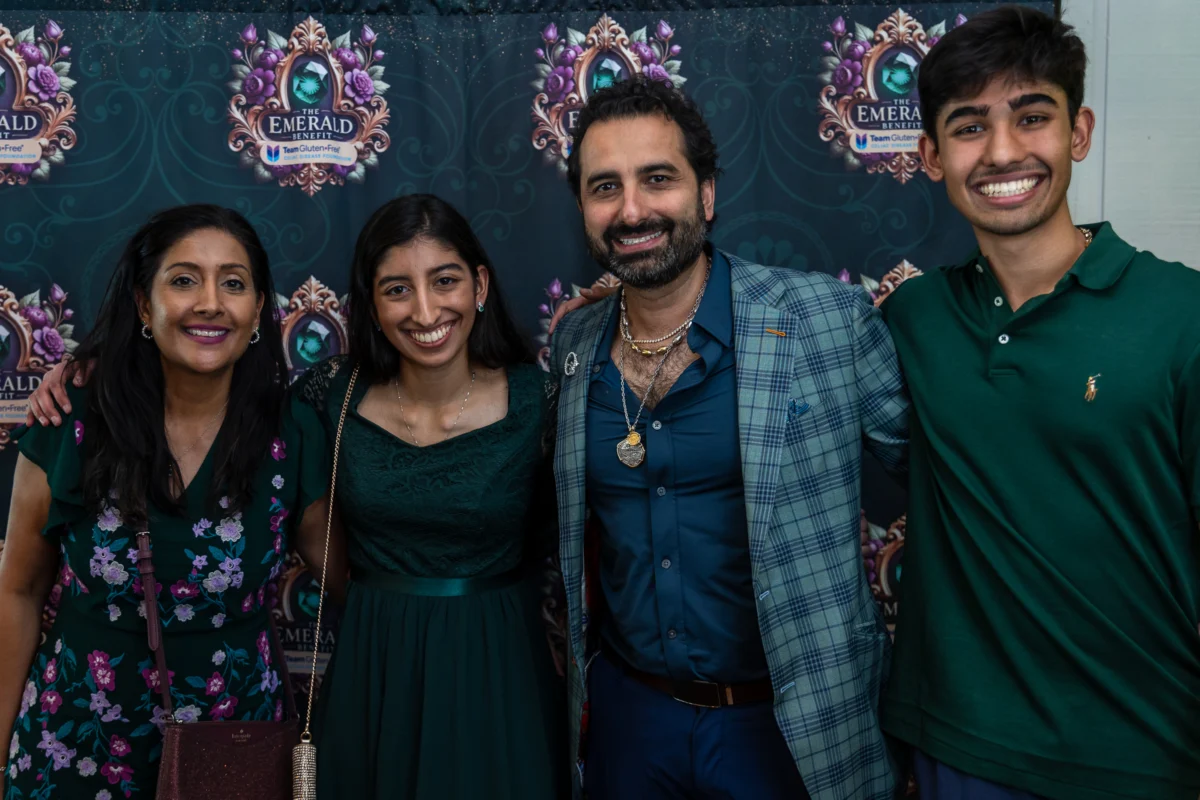
In the landscape of chronic health advocacy, few stories are as compelling as that of Kimaya Soin, a young student whose personal journey with celiac disease has transformed into a powerful engine for medical research and community solidarity. This past May, during Celiac Disease Awareness Month, the second annual Emerald Benefit took center stage, solidifying its reputation as a vital nexus for patients, researchers, and advocates. By raising over $50,000 in a single evening, the event has pushed the total contributions for the Celiac Disease Foundation to nearly $70,000 in just two years, signaling a new era of youth-led activism in the autoimmune community.
The Genesis of the Emerald Benefit: From Personal Struggle to Public Action
To understand the weight of the Emerald Benefit, one must first look at the diagnosis that sparked it. Diagnosed at the age of four, Kimaya Soin spent her formative years navigating the complexities of an autoimmune condition that is frequently misunderstood by the general public. For many living with celiac disease, the burden is not merely physical; it is social and psychological.
"Growing up with celiac disease showed me how misunderstood it often is," Soin reflects. "I saw how isolating it could feel, especially when people view it as just a diet or food preference rather than a serious autoimmune disease."
Recognizing the urgent need for better treatments and increased public literacy, Soin founded the Emerald Benefit in 2025. Her vision was clear: to move beyond the clinical experience of the disease and foster a space where the community could reclaim their narrative. What began as a local initiative has rapidly evolved into a sophisticated fundraising apparatus that leverages the Celiac Disease Foundation’s Team Gluten-Free program to channel resources directly into cutting-edge research.
Chronology of an Emerging Movement
The trajectory of the Emerald Benefit reflects a rapid maturation of organizational capacity:
- 2025 (The Inaugural Year): Kimaya Soin launches the first Emerald Benefit. With limited resources but high ambitions, the event establishes a proof-of-concept, demonstrating that there is a hunger in the community for in-person advocacy and connection.
- May 2026 (The Second Annual Event): The event scales significantly. Held during Celiac Disease Awareness Month, the 2026 fundraiser welcomes 115 attendees and achieves a milestone of $50,000 in revenue. This event introduces structured programming, including guest speakers and a curated gluten-free tasting showcase.
- The Path Forward (2027 and Beyond): Buoyed by the success of the 2026 gala, Soin has already set her sights on the 2027 event, scheduled for Friday, June 18, 2027. The goals are ambitious: further expansion of community involvement, the introduction of expert-led panels, and a fundraising target that surpasses previous benchmarks.
Supporting Data: The Impact of Community-Driven Philanthropy
The financial success of the Emerald Benefit is significant, but it is the qualitative data that underscores its importance. The 2026 event attracted over 100 stakeholders—a diverse coalition comprising families, university students, medical professionals, and local business owners.
The economic impact is two-fold. First, the $70,000 raised to date provides the Celiac Disease Foundation with flexible capital to fund fellowships, clinical trials, and advocacy campaigns. Second, the event serves as an incubator for local business engagement. By hosting a gluten-free tasting showcase, the Emerald Benefit incentivizes local restaurants to expand their safe, cross-contamination-free offerings, creating a tangible, real-world improvement for the local celiac population.
Voices of the Movement: Inside the 2026 Experience
The heart of the Emerald Benefit lies in its storytelling. In 2026, the stage was given to two young girls who shared their personal experiences living with celiac disease. This shift toward amplifying the voices of children and adolescents—those who are often the most affected by the social isolation of the disease—has proven to be the most effective tool in the fundraiser’s arsenal.
"The fundraiser is a place for us to celebrate how far we have come in celiac research and awareness, even though we still have a long way to go," Soin explains. By integrating medical expertise with personal narratives, the event bridges the gap between the lab bench and the dinner table. Attendees are not just donating to a faceless cause; they are witnessing the human impact of their contributions in real-time.
The Future of Advocacy: Clinical and Social Implications
The implications of the Emerald Benefit extend far beyond the balance sheets of the Celiac Disease Foundation. By fostering a culture of advocacy at a young age, Soin is effectively building a pipeline of future researchers and activists.
Addressing the "Dietary" Misconception
A primary goal for future iterations of the event is to address the dangerous trivialization of celiac disease. As the medical community continues to push for better screening and pharmacological treatments beyond the gluten-free diet, the Emerald Benefit acts as an educational platform. By inviting medical professionals to speak on panels, the event ensures that the public understands the systemic nature of the disease, which affects nutrient absorption, bone health, and long-term autoimmune risk.
The Power of "Worry-Free" Connection
Perhaps the most understated success of the benefit is the creation of a "safe zone." For many celiac patients, dining out is a source of anxiety. The tasting showcase at the Emerald Benefit provides a rare, liberating experience: the ability to eat without fear of cross-contact. This, in many ways, is the event’s most powerful symbol—a representation of the life that those with celiac disease are fighting for: one that is inclusive, safe, and free from the constant vigilance that the disease usually demands.
Strategic Outlook for 2027
As planning for the June 18, 2027 event intensifies, the organization is pivoting toward more complex programming. Plans include:
- Expert Panels: Moving beyond single guest speakers to facilitate multi-disciplinary discussions between gastroenterologists, nutritionists, and patient advocates.
- Increased Corporate Sponsorship: Leveraging the momentum of the 2026 success to engage larger gluten-free food manufacturers.
- Community Outreach: Expanding the event’s reach to include schools and universities, aiming to educate a younger demographic about the realities of the disease.
For those looking to participate, the call to action remains clear. Whether through direct financial support via the official donation portal or by engaging with the resources provided at emeraldbenefit.org, the public has a unique opportunity to support a movement that is as much about human dignity as it is about scientific advancement.
Conclusion: A Model for Grassroots Activism
Kimaya Soin’s journey from a young patient to a burgeoning leader is a testament to the power of personal agency. In a world where healthcare advocacy can often feel dominated by institutional bureaucracy, the Emerald Benefit stands out as a refreshing, intimate, and highly effective model for grassroots change.
The success of this initiative is not merely measured in dollars raised, but in the community it has galvanized. By creating a space that validates the struggle while pushing for the solution, the Emerald Benefit is ensuring that the path toward a cure is paved with both scientific progress and unwavering community support. As the event looks toward 2027, it stands as a shining example of how one individual’s determination can, quite literally, change the conversation around an entire disease.

 Rifan Muazin

 Ammar Sabilarrohman