

 Dwi Wanna
 Nana Wu
 Muslim
 Reynand Wu
 Ammar Sabilarrohman
 Nana
Nana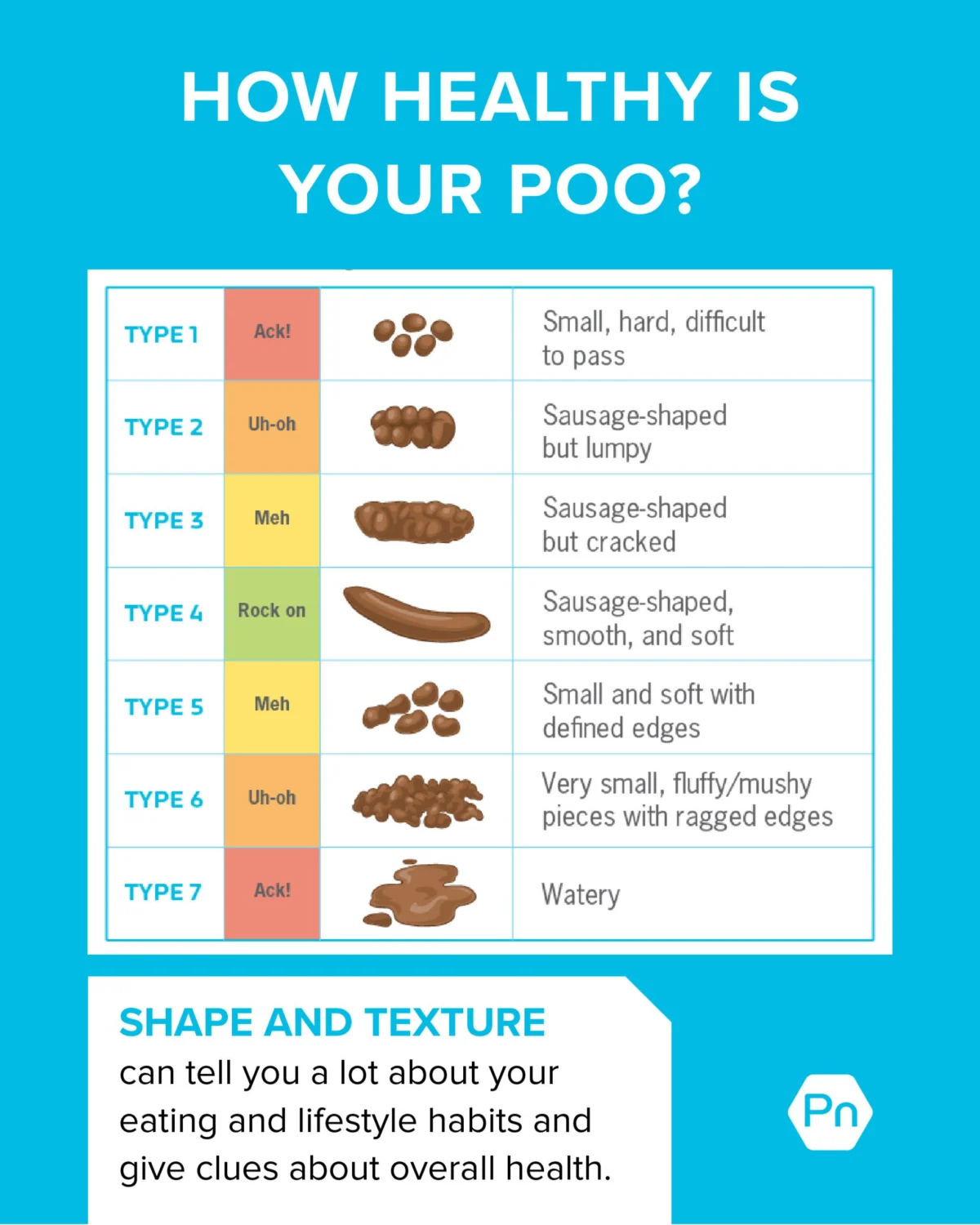
Irritable Bowel Syndrome (IBS) is often trivialized as a mere digestive inconvenience, yet for the approximately 14 percent of the global adult population living with the condition, it is a life-altering, chronic, and often debilitating reality. New data suggests that the burden of IBS is so profound that many patients would willingly trade 10 to 15 years of their life expectancy for an immediate and permanent cure.
This staggering statistic—coupled with research indicating that some patients would accept a one-percent risk of sudden death in exchange for symptom relief—highlights the immense psychological and physical toll of the disorder. From chronic pain that rivals the intensity of childbirth to the pervasive, isolating fear of public flare-ups, IBS is not just a "spastic colon"—it is a systemic struggle that requires a shift in how we approach diagnosis, lifestyle management, and professional support.
Understanding the Core: What is IBS?
Unlike Inflammatory Bowel Disease (IBD), such as Crohn’s or ulcerative colitis, IBS does not present with visible structural damage, infections, or inflammation when viewed through diagnostic imaging. For decades, this lack of observable pathology led the medical community to categorize IBS as a psychosomatic or "purely psychological" issue.
However, modern medicine has moved past this reductive view. Experts now classify IBS as a functional neuro-gastrointestinal disorder. This definition acknowledges that the communication pathways between the brain and the gut—the "gut-brain axis"—are malfunctioning. The nerves in the GI tract of an IBS patient may be hypersensitive, interpreting normal digestive processes as painful, or they may trigger erratic muscle contractions that lead to either rapid transit (diarrhea) or significant delays (constipation).
The Chronology of Symptoms and Diagnosis
IBS is notoriously difficult to diagnose because it lacks a definitive biological marker. Symptoms fluctuate wildly; a patient may experience years of relative dormancy followed by a flare-up that lasts for weeks.
The Diagnostic Path
Because symptoms like bloating, gas, and abdominal pain overlap with conditions such as celiac disease, colon cancer, or food allergies, a professional diagnosis is non-negotiable. Patients should seek medical intervention if they notice:

- Unexplained weight loss.
- Rectal bleeding.
- Anemia.
- Persistent vomiting.
- Symptoms that wake them from sleep.
Identifying the Type
Once a medical professional has ruled out other organic diseases, they will classify the IBS based on the primary stool pattern, which dictates the treatment approach:
- IBS-D: Predominantly diarrhea.
- IBS-C: Predominantly constipation.
- IBS-M: A mix of both.
The Psychological Toll: Gastrointestinal-Specific Anxiety
The most insidious symptom of IBS may not be physical at all. The constant, looming threat of an urgent bowel movement leads to a condition known as gastrointestinal-specific anxiety.
This anxiety dictates the rhythm of a patient’s life. Many individuals avoid exercise in public, turn down social invitations, and map out their daily routes based on the proximity of clean, private bathrooms. This state of hyper-vigilance is a major contributor to the reduced quality of life reported by IBS patients—often ranking lower than those with chronic conditions like diabetes or heart disease. The constant mental load of managing the gut effectively "siphons" focus, destroys sleep, and compromises professional productivity.
Evidence-Based Strategies for Relief
While there is no "cure-all," Sarah Maughan, a PN Super Coach certified through Monash University, emphasizes that a combination of medical intervention and lifestyle modifications can significantly mitigate symptoms.
1. The Power of Movement
Regular exercise is one of the most effective non-pharmacological tools for IBS. Clinical studies have shown that moderate walking three times a week can significantly reduce bloating and abdominal pain within 12 weeks. The mechanisms are twofold: exercise helps regulate the nervous system, potentially easing the gut-brain communication, and it encourages a healthier, more diverse gut microbiome.
2. Nervous System Regulation
Stress is a known primary trigger for IBS. When the body enters a "fight or flight" state, it releases cortisol and norepinephrine, which can hyper-stimulate or shut down digestive processes. Techniques like yoga, diaphragmatic breathing, and mindfulness help shift the body into a "rest and digest" state. The goal is to focus on what is within one’s control—mindset, effort, and routine—rather than the stressors themselves.

3. The Art of Mindful Eating
"Slow eating" is more than a wellness trend; it is a digestive imperative. By eating in a relaxed environment and increasing chewing time, individuals allow salivary enzymes to begin the digestive process before food even hits the stomach. This reduces the mechanical load on the intestines and prevents the stress-related gut pain associated with rushed meals.
4. Sleep Hygiene and Gut Health
The relationship between sleep and IBS is cyclical. Poor sleep increases systemic stress, which exacerbates gut pain; gut pain, in turn, ruins sleep. Establishing a wind-down routine, avoiding heavy late-night meals, and prioritizing restorative sleep can help break this cycle.
5. Investigating Dietary Triggers
Diet is highly individual. While common culprits include caffeine, alcohol, fatty foods, and artificial sweeteners, the most significant research centers on FODMAPs (Fermentable Oligosaccharides, Disaccharides, Monosaccharides, and Polyols). These carbohydrates are poorly absorbed and fermented by gut bacteria, causing gas and distension.
Maughan cautions against blanket restrictions. "Everyone has different triggers," she notes. "The goal is not to live in fear of food, but to conduct experiments to find out what your body can tolerate."
The Role of Professional Coaching
For health coaches, the prospect of working with an IBS client can be daunting, but it falls squarely within the scope of practice provided specific boundaries are maintained. A coach should never diagnose or prescribe. Instead, their role is to facilitate the client’s ability to implement medical advice and maintain consistency.
| DO | DON’T |
|---|---|
| Encourage a visit to a medical professional. | Attempt to diagnose the client. |
| Support lifestyle experiments (e.g., elimination diets). | Pitch restrictive diets as a "cure." |
| Collaborate with the medical team. | Contradict medical professionals. |
| Offer recipes and educational tools. | Create prescriptive "anti-IBS" meal plans. |
Elimination Diets: A Scientific Approach
An elimination diet is not a permanent state of deprivation, but a three-week "science experiment." By systematically removing potential triggers—whether a "lite" approach targeting a few known offenders or a more structured, Monash-approved low-FODMAP protocol—clients can gain objective data on how their bodies respond to specific foods.

The ultimate takeaway from Maughan and current research is one of empowerment. Knowledge does not have to lead to rigid restriction. By understanding their own body’s specific responses, patients move from a place of helpless anxiety to one of informed choice. Knowing that a specific food causes a flare-up doesn’t mean you can never eat it again; it means you can make an informed decision about when to enjoy it and when to prioritize your comfort.
Implications for the Future
As our understanding of the gut-brain axis evolves, the stigma surrounding IBS is slowly eroding. The shift toward viewing it as a legitimate, functional neuro-gastrointestinal disorder is a victory for the millions of people who have been told "it’s all in your head."
By combining the precision of medical diagnostics with the sustainability of lifestyle and stress-management coaching, the future of IBS management looks significantly more promising. With the right tools and a supportive, multidisciplinary team, those living with the disorder can move beyond the fear of the next flare-up and regain agency over their health and their lives.


 Nila Kartika Wati
 Iffa Jayyana