 Layla Zulfa
 Laily UPN
 Neng Nana
 Sagoh
Sagoh
 Raul Delapena Setiawan
 Azzam Bilal Chamdy
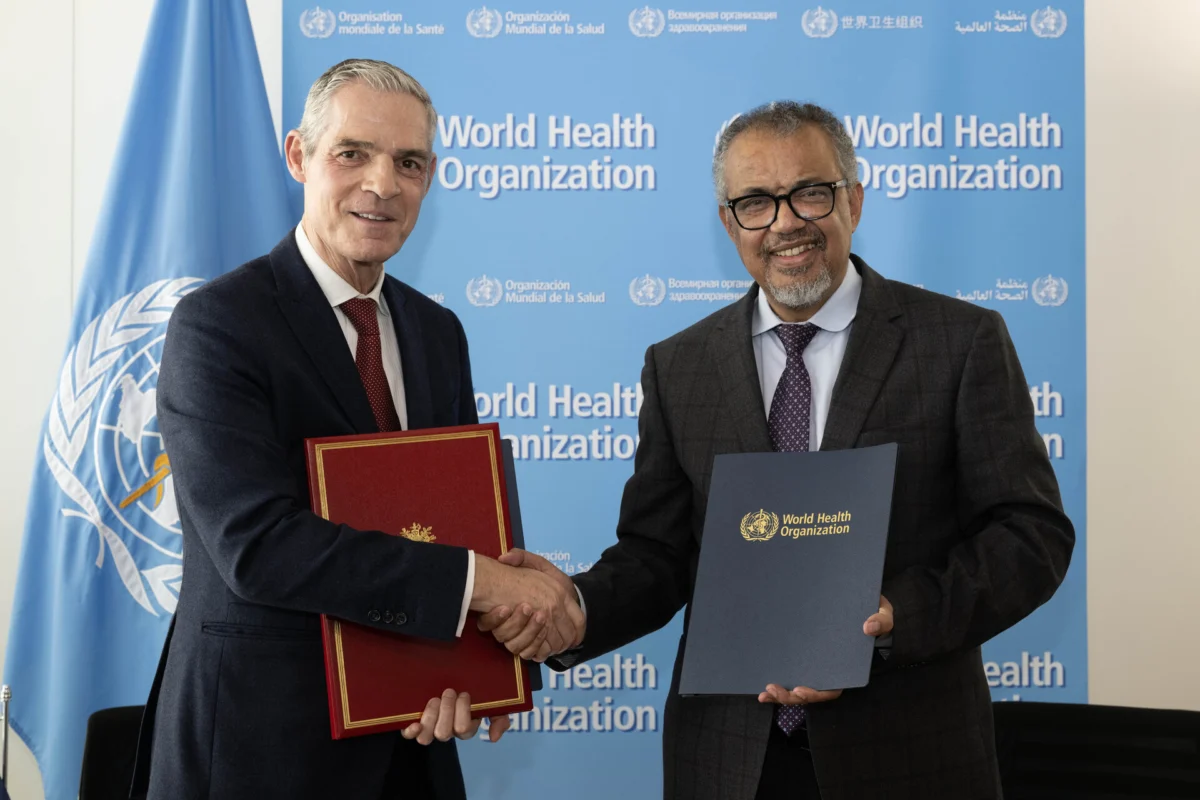
In a landmark decision that promises to reshape how consumers interact with food packaging, the FAO/WHO Codex Alimentarius Commission has officially adopted new international guidance for Precautionary Allergen Labeling (PAL). This update, finalized in July 2026, introduces a specific, science-based reference dose for cereals containing gluten. For the millions of people living with celiac disease worldwide, this represents a monumental shift away from vague, confusing "may contain" warnings toward a standardized, risk-based approach to food safety.
While the globally recognized "gluten-free" standard of 20 parts per million (ppm) remains firmly in place, this new guidance provides a missing piece of the puzzle: a regulated framework for when and how manufacturers should disclose potential cross-contact risks.
The Evolution of "May Contain" Labeling
For decades, the celiac community has navigated a minefield of inconsistent labeling. Phrases such as "processed in a facility that also processes wheat" or "may contain traces of wheat" have often appeared arbitrarily. These labels, while intended to be helpful, have frequently been used as a legal shield for manufacturers rather than a genuine indicator of risk.
Previously, international guidance regarding gluten cross-contact was largely tethered to wheat allergy standards. This was problematic because the biological mechanisms of a wheat allergy differ significantly from the autoimmune response triggered by celiac disease. Celiac disease is characterized by the cumulative, long-term impact of gluten exposure—not just from wheat, but also from barley and rye. The new Codex guidance recognizes this distinction, requiring that risk assessments for gluten be evaluated specifically through the lens of celiac disease pathology.
A Chronology of Advocacy and Scientific Progress
The road to this adoption was not paved overnight. It was the result of a concerted, multi-year effort involving global advocacy groups, clinicians, and regulatory bodies.
- 2018: The Celiac Disease Foundation begins its role as the North American representative to the Association of European Coeliac Societies (AOECS), laying the groundwork for international coalition-building.
- 2024–2025: Intense advocacy efforts intensify. The Celiac Disease Foundation engages with the Codex Committee on Food Labelling (CCFL) to emphasize that gluten risk assessment requires a dedicated reference dose distinct from major food allergens like peanuts or soy.
- December 2025: Leading experts, supported by the Foundation, convene to finalize the scientific basis for a gluten reference dose, providing the evidence needed for the FAO/WHO to move forward.
- May 2026: The 49th Session of the CCFL, held in Ottawa, sees the formal advancement of the guidance. Foundation CEO Marilyn Geller plays a pivotal role in the delegation, advocating for the inclusion of gluten within the broader PAL framework.
- July 2026: The FAO/WHO Codex Alimentarius Commission officially adopts the guidance, setting a new global benchmark.
Understanding the Science: The 4 mg Reference Dose
A common point of confusion following the announcement is the nature of the "4 mg" figure. It is critical to clarify that the 4 mg reference dose is not a new consumer standard for gluten-free products.
Clarifying the Thresholds
- The 20 ppm Standard: This remains the gold standard for products labeled "gluten-free." It is a concentration-based limit that ensures the product is safe for consumption by individuals with celiac disease.
- The 4 mg Reference Dose: This is a scientific tool used for risk assessment. It represents the total amount of gluten that, if consumed in a single eating occasion, is unlikely to cause an adverse health effect.
Manufacturers use this reference dose to calculate an "action level." By evaluating the total mass of a product an individual might reasonably eat, they can determine if the concentration of unintended gluten exceeds the 4 mg threshold. If the risk assessment suggests the presence of gluten cannot be reduced below this action level, a "may contain" statement is then deemed appropriate. This creates a logical, data-driven necessity for warning labels rather than a blanket approach used for liability protection.
The Implications for the United States
While the Codex guidance is an international milestone, its implementation in the United States remains a work in progress. The U.S. currently lacks a formal, federally regulated framework for precautionary allergen labeling. This has left the U.S. market in a state of labeling fragmentation, where consumers are left to guess the intent behind various warning statements.
The Barley and Rye Blind Spot
One of the most pressing issues in the American regulatory landscape is the disparity between how wheat and other gluten-containing grains are treated. Under current U.S. law, wheat is classified as a "major allergen," necessitating clear disclosure. However, barley and rye do not fall under the same rigorous mandate.
This creates a significant danger for the celiac community. Ingredients such as malt extract, malt flavoring, and various brewer’s yeasts—all of which are common sources of barley-derived gluten—often evade the clear, bolded labeling required for wheat. The Celiac Disease Foundation is currently leveraging the new Codex guidance to urge the FDA to:
- Adopt the 4 mg Reference Dose: Integrate this scientific benchmark into the FDA’s own allergen threshold framework.
- Standardize Disclosure: Require that barley and rye be disclosed with the same transparency as wheat.
- End Ambiguity: Move toward a system where "may contain" labels are reserved only for situations where a genuine, science-based risk of cross-contact exists, thereby increasing the reliability of these warnings for consumers.
Official Responses and Stakeholder Perspectives
The adoption of this guidance has been met with broad approval from the global scientific community. The International Society for the Study of Celiac Disease (ISSCD) and the Global Celiac Advocacy Alliance have lauded the decision as a win for evidence-based medicine.
"The goal is not to fill our grocery shelves with more warning labels," says Marilyn Geller, CEO of the Celiac Disease Foundation. "The goal is to provide better, more meaningful information to patients. By moving away from vague, ‘cover-all-bases’ labeling, we allow consumers to make informed choices. When a label says ‘may contain,’ it should be because there is a legitimate, evaluated risk—not because a manufacturer is afraid of litigation."
Industry representatives have also expressed a cautious optimism. Clearer guidance provides manufacturers with a "road map" for compliance, potentially reducing the number of unnecessary warnings that currently clutter labels and cause "warning fatigue" among consumers.
Moving Forward: The Path to Regulatory Integration
The adoption of international guidance is only the first step. Translating this into domestic policy requires sustained engagement with the FDA and other national regulatory bodies. The Celiac Disease Foundation continues to submit formal commentary, emphasizing that any future U.S. framework must be consistent with the 20 ppm gluten-free rule. The objective is to create a seamless experience for the consumer where "gluten-free" means safe, and "may contain" means an evaluated, specific risk.
As the scientific foundation for gluten labeling continues to solidify, the impact on the daily lives of those with celiac disease is expected to be profound. By aligning global standards with the unique biological requirements of celiac patients, the FAO/WHO has set a course for a safer, more transparent food environment.
The fight is far from over, but for the first time, the international community has reached a consensus on the scientific reality of gluten cross-contact. This creates a powerful platform for the Celiac Disease Foundation and its partners to continue their work, ensuring that the next generation of food labels in the United States is based on science, clarity, and the fundamental right of every patient to know exactly what is in their food.

 Nila Kartika Wati
 Iffa Jayyana