

 Nana Wu

 Dwi Wanna

 Suro Senen

 Evan Lee Salim

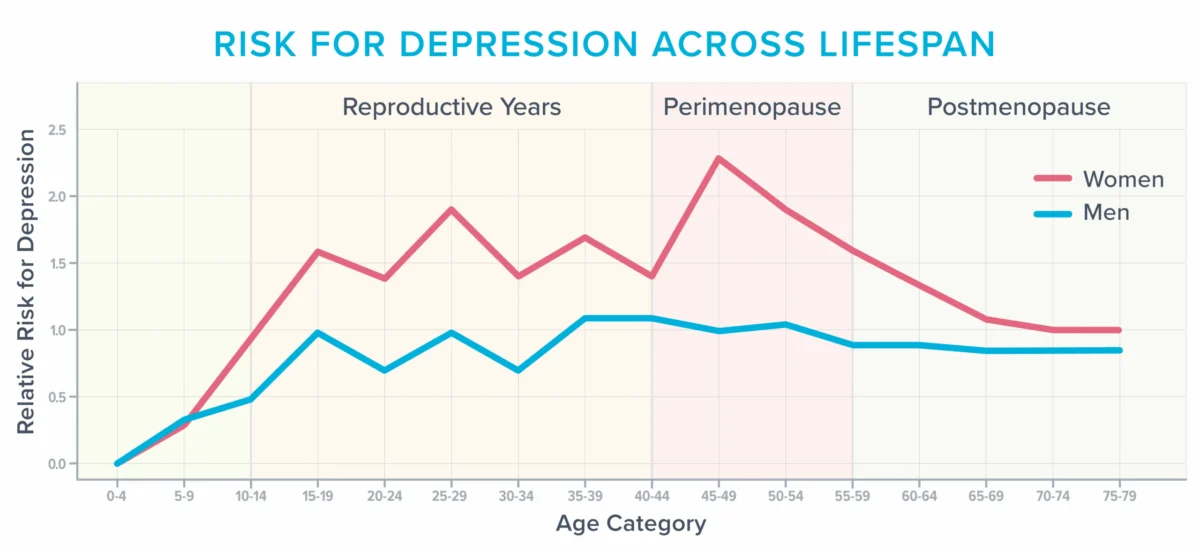
For many women in their late 40s and early 50s, the transition into menopause is often marked not by a sudden, singular event, but by a slow, creeping decline in cognitive clarity. It is a phenomenon frequently described by those experiencing it as "brain fog"—a persistent, sludge-like mental haze that turns simple tasks, such as recalling a restaurant name or focusing on a work document, into Herculean efforts.
While society often frames these symptoms as inevitable "aging," a growing body of clinical research and firsthand accounts suggests that this narrative is incomplete. Far from being a mere byproduct of getting older, the cognitive and emotional struggles associated with menopause are often linked to complex hormonal shifts and the physiological impact of vasomotor symptoms—the clinical term for hot flashes and night sweats.
The Chronology of a Misdiagnosis
For the author of this account, the journey began with a pervasive sense of mental exhaustion. The symptoms were insidious: an inability to articulate common nouns, a failure to maintain focus during the workday, and an overwhelming haze that defied the usual remedies of caffeine or rest.
"It was as if my thoughts were under a pile of garbage," she recounts. This state of mental lethargy was compounded by emotional volatility—sobbing for no discernable reason and feeling physically pained by mundane sensory stimuli like traffic noise or crowded spaces.
The Medical Merry-Go-Round
The path to understanding was far from linear. Over the course of two years, the author consulted multiple healthcare professionals, cycling through various antidepressants and sleep aids. These interventions proved largely ineffective, sometimes exacerbating the feelings of detachment and "zombie-like" fatigue. Thyroid panels and iron tests returned normal, leading many practitioners to default to a diagnosis of clinical depression.
It was not until a routine visit to a gynecologist—prompted by a symptom as seemingly unrelated as vaginal dryness—that the connection was made. When asked about her energy levels, sleep quality, and mood, the author’s honest admission of "feeling barely alive" triggered a diagnostic pivot. The transition was identified not as a psychiatric condition, but as the onset of menopause. Treatment with estradiol and progesterone resulted in a near-instantaneous reversal of symptoms, effectively "flipping a switch" back to mental clarity.
Supporting Data: The Biological Underpinnings
Menopause is a biological transition, not a disease. However, the American College of Obstetricians and Gynecologists notes that approximately 40 percent of women report increased irritability, anxiety, and cognitive impairment during this stage.
The Anatomy of the Hot Flash
Modern research has moved beyond viewing vasomotor symptoms as mere "embarrassing inconveniences." We now understand that during a hot flash, the body experiences a cascade of physiological changes: norepinephrine and cortisol levels surge, blood vessels dilate, and heart rate increases.
The hypothesis is that falling estrogen levels disrupt the hypothalamus, the brain’s internal thermostat. Recent MRI studies have revealed that women who experience frequent, severe hot flashes often exhibit "whole-brain white matter intensities"—patchy lesions that are predictive of future cognitive decline and increased stroke risk. Furthermore, frequent vasomotor symptoms have been linked to an inability of blood vessels to dilate effectively, suggesting that the impact of menopause extends deep into the cardiovascular and neurological systems.

The Sleep-Cognition Loop
Perhaps the most significant, yet overlooked, driver of menopausal brain fog is the disruption of sleep. Even when women do not "feel" like they are waking up, nocturnal vasomotor activity causes frequent micro-arousals. These disruptions prevent the brain from consolidating memories and metabolizing toxins, leading to a compromised hippocampus—the center for learning and memory—and an overactive amygdala, which drives anxiety and irritability.
Official Perspectives: The Problem of "Defensive Medicine"
One of the most significant barriers to effective treatment is a systemic lack of menopause-specific training. Surveys indicate that 80 percent of medical residents feel "barely comfortable" discussing menopause, with few curricula offering robust training in the field.
This lack of expertise often leads to "defensive medicine," where clinicians avoid Hormone Therapy (MHT) due to outdated fears stemming from decades-old studies. While those studies initially linked hormones to breast cancer and stroke, current evidence suggests that for women under 60—or those within 10 years of menopause onset—the benefits often far outweigh the risks. Experts like Dr. Jerrold H. Weinberg note that modern MHT can actually reduce the risk of Alzheimer’s and osteoporosis, provided the treatment is personalized to the patient’s age and history.
Implications for Mental Health and Advocacy
The overlap between menopausal symptoms and the PHQ-9 depression scale is a critical clinical oversight. Because menopause mimics the symptoms of depression (fatigue, sleep disturbance, difficulty concentrating), many women are misdiagnosed and prescribed antidepressants that fail to address the underlying hormonal root cause.
Empowering the Patient
To navigate this, patients must move from passive recipients of care to active advocates. This involves:
- Targeted Documentation: Tracking the frequency of hot flashes, sleep quality, and specific instances of cognitive lapses.
- Specialized Care: Seeking out practitioners certified by the Menopause Society rather than relying on generalists who may be ill-equipped to manage hormonal transitions.
- Shared Decision-Making: Initiating frank conversations about the risk-benefit profile of MHT versus other pharmacological interventions.
Lifestyle Strategies: Beyond Medication
While hormone therapy can be transformative, lifestyle interventions remain a pillar of health during this transition.
- Fundamental Health Optimization: Prioritizing nutrition, consistent movement, and stress management is non-negotiable.
- Creatine Supplementation: Emerging evidence suggests that 5 to 7 grams of creatine monohydrate daily can help mitigate mental fatigue and support cognitive function.
- Light Exposure: Aligning the body’s internal clock through consistent morning sunlight exposure improves both mood and sleep quality.
- Strategic Exercise: Middle-aged recovery times are slower. Balancing high-intensity efforts with restorative practices like yoga or Zone 2 cardio prevents the nervous system from becoming overtaxed.
- Environmental Control: Utilizing cooling technology for sleep and optimizing the bedroom environment can drastically reduce the impact of night sweats.
- Dietary Support: Adopting a Mediterranean or MIND diet—rich in vegetables, healthy fats, and nitrates—supports both cardiovascular and cognitive health.
The Hidden Opportunity
Ultimately, the menopausal transition serves as a forced existential audit. For the author, the cognitive decline acted as a catalyst to prune unnecessary burdens, forcing a re-evaluation of how to spend limited mental bandwidth.
By saying "no" to the performative busyness that defined her 30s and 40s, she reclaimed space for what mattered: genuine connections, rest, and personal autonomy. Menopause, while undeniably difficult, offers a pivot point. With the right medical support and a recalibrated lifestyle, it is not the end of one’s prime, but a shift in focus toward a more intentional and sustainable way of living.
The "sludge" in the brain is not a permanent fixture of aging; it is a signal that the body is transitioning, and it is a symptom that deserves to be heard, understood, and treated with modern, evidence-based care.


 Asro

 Rifan Muazin