Suro Senen

 Evan Lee Salim


 Asro

 Basiran
 Jia Lissa
Introduction: The Imperative of Wellness
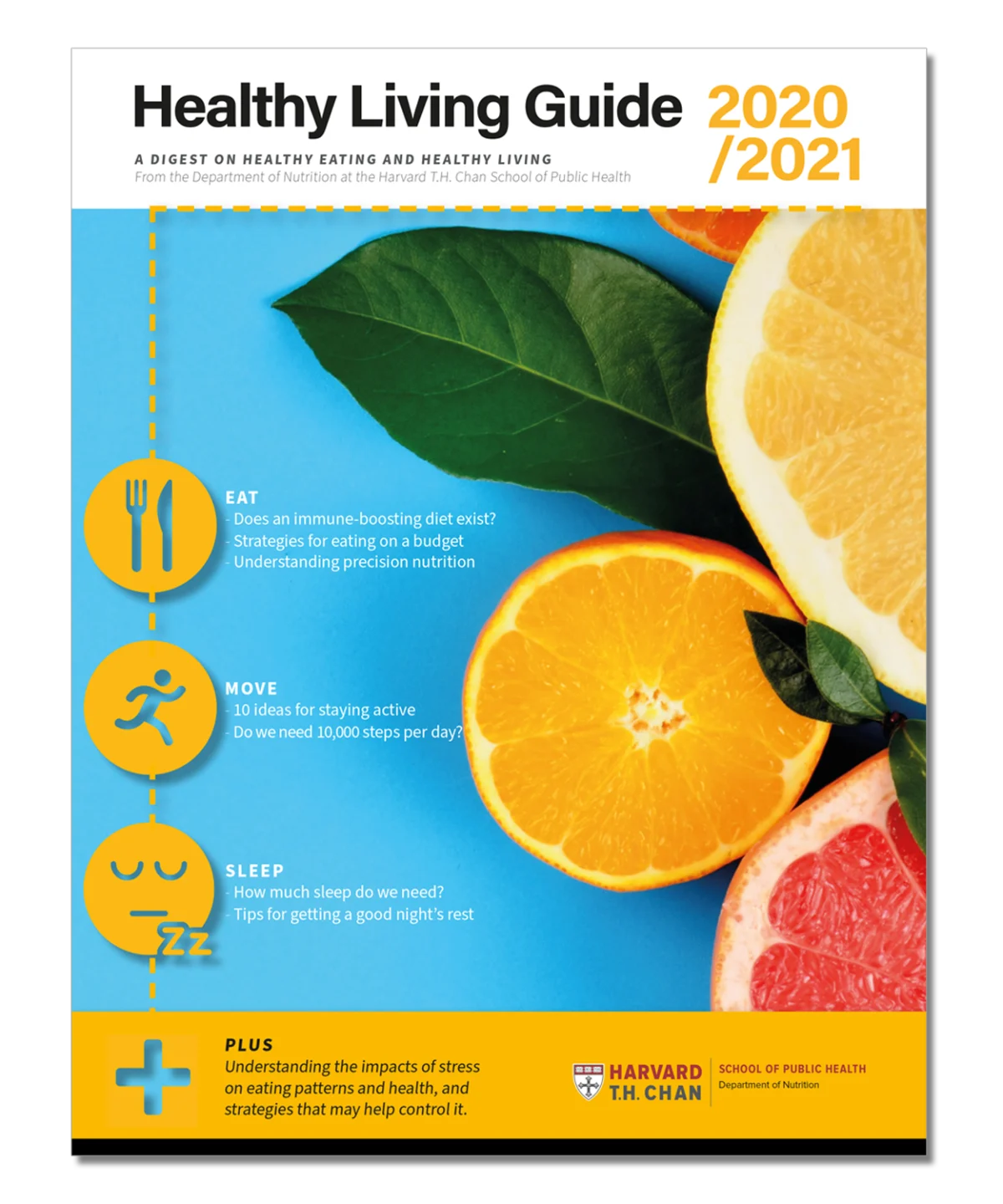
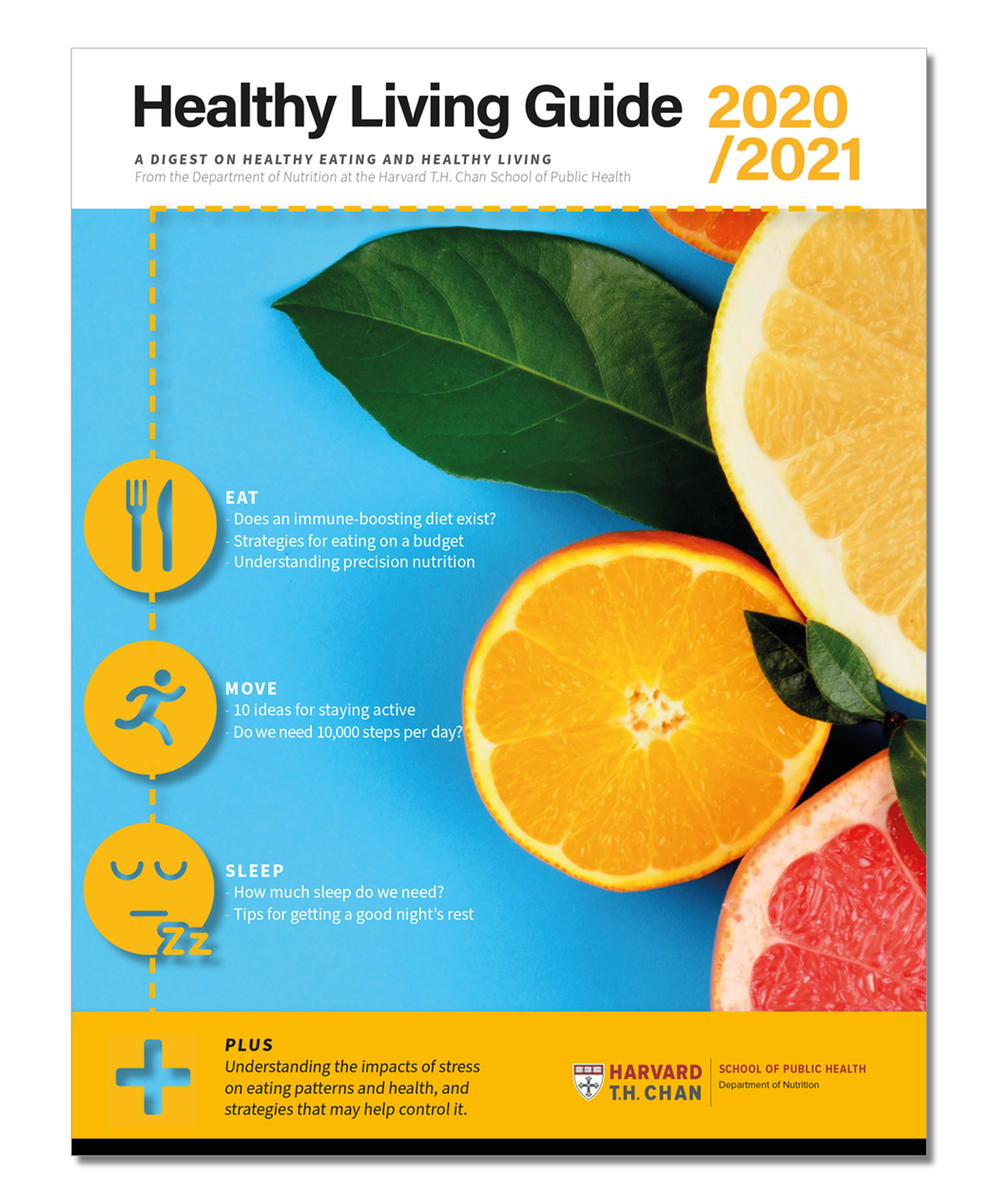
As the global landscape continues to navigate the profound shifts brought about by the COVID-19 pandemic, the intersection of public health and personal lifestyle choices has never been more critical. For many, the past several years have been characterized by unprecedented instability—ranging from disrupted food access and economic volatility to significant psychological stressors. Amidst this backdrop, the Harvard T.H. Chan School of Public Health has released a comprehensive "Healthy Living Guide," a resource designed not merely to offer dietary advice, but to provide a blueprint for long-term resilience and disease prevention.
While no specific diet serves as a panacea for COVID-19, experts emphasize that the foundation of a robust immune system is built upon the pillars of daily health habits. By focusing on longevity and quality of life, individuals can mitigate the risks of chronic illness and navigate periods of external crisis with greater stability.
Main Facts: The Five Pillars of Longevity
The core philosophy of the Harvard Healthy Living initiative centers on five scientifically validated lifestyle habits. Research suggests that adhering to these practices is not merely a suggestion for general wellness but a transformative strategy that can add over a decade of life expectancy.
1. The Nutritional Foundation
A balanced diet is the cornerstone of systemic health. This involves prioritizing whole foods—vegetables, fruits, whole grains, and healthy proteins—while minimizing processed sugars and trans fats. Nutrition is not about restrictive deprivation; it is about providing the body with the micronutrients necessary to maintain cellular repair and immune function.
2. Regular Physical Activity
The human body is designed for movement. Consistent exercise helps regulate metabolic health, strengthens the cardiovascular system, and serves as a vital tool for mental health management. Whether through structured aerobic exercise or daily movement, physical activity is a non-negotiable component of a longevity-focused lifestyle.
3. Maintaining a Healthy Body Weight
Excess adiposity, particularly visceral fat, is linked to systemic inflammation, which can exacerbate the risk of chronic disease. Managing weight through a combination of diet and activity helps stabilize blood glucose levels and reduces the burden on the musculoskeletal system.
4. Moderating Alcohol Consumption
While cultural attitudes toward alcohol vary, excessive intake is a known risk factor for liver disease, certain cancers, and cognitive decline. Moderation is key to ensuring that the body’s detoxification pathways remain unburdened.
5. Smoking Cessation
Perhaps the most significant decision for long-term health, avoiding tobacco products remains the single most effective way to prevent respiratory disease, cardiovascular damage, and cancer.
Chronology of the Health Crisis and Response
To understand the necessity of this guide, one must look at the timeline of the recent global health crisis.
- Early 2020: The onset of the pandemic triggered an immediate shift in human behavior. Lockdowns and social distancing mandates disrupted supply chains, causing fluctuations in food security and limiting access to gyms and recreational spaces.
- Late 2020: As the novelty of the pandemic faded into a "new normal," health experts observed a decline in physical activity and a rise in stress-related dietary habits. The sedentary nature of remote work became a silent contributor to long-term health risks.
- 2021 and Beyond: Recognizing the "long-tail" effects of the pandemic—including chronic fatigue, weight gain, and mental health strain—institutions like Harvard began compiling resources to help the public regain agency over their health. The "Healthy Living Guide" was synthesized during this period to provide actionable, evidence-based strategies for a population experiencing "pandemic fatigue."
Supporting Data: Why Habits Matter
The argument for these five habits is supported by decades of epidemiological research. Studies conducted at the Harvard T.H. Chan School of Public Health have consistently shown that middle-aged adults who adopt these five habits see a dramatic reduction in the incidence of life-altering chronic diseases.
Disease Prevention Metrics
- Type 2 Diabetes: The risk of developing type 2 diabetes is significantly lowered when individuals maintain a healthy weight and consume fiber-rich, low-glycemic foods.
- Cardiovascular Disease: By combining regular exercise with a heart-healthy diet, the risk of heart attacks and strokes—the leading causes of mortality globally—can be reduced by nearly 40%.
- Cancer: Lifestyle factors are estimated to play a role in approximately one-third of cancer cases. By eliminating smoking and limiting alcohol, the incidence rates of lung, esophageal, and liver cancers drop precipitously.
Beyond merely preventing death, these habits extend the "healthspan"—the number of years an individual lives free of debilitating disease. The research suggests that the difference between a life of chronic illness and a life of vitality is largely determined by the accumulation of small, daily choices.
Official Responses and Strategic Recommendations
Health professionals emphasize that the transition from a sedentary lifestyle to a proactive one does not need to be instantaneous. The "Healthy Living Guide" focuses on the concept of "small wins."
Expert Strategies for Implementation
- The Bingo Challenge: To gamify the process of habit formation, the guide introduces a "Healthy Living Bingo" challenge. By turning health goals into a game, individuals can track their progress and find enjoyment in the process, which is critical for long-term adherence.
- Meal Planning: Recognizing that food access is often a barrier, the guide provides tips on sourcing nutrient-dense, shelf-stable foods, allowing individuals to maintain a healthy diet even when grocery access is inconsistent.
- Mental Health Integration: The guide acknowledges that physical health is inextricably linked to emotional well-being. It encourages readers to pick up fulfilling hobbies and engage in mindful movement, as stress-reduction techniques are as important as the food on one’s plate.
Implications: Building a Resilient Future
The implications of these findings extend far beyond the individual. On a societal level, a healthier population reduces the strain on public healthcare systems. When individuals take proactive steps to manage their own health, they contribute to a more resilient community infrastructure.
The Psychological Component
The pandemic taught us that uncertainty is a constant. However, by focusing on what we can control—our diet, our movement, and our habits—we can cultivate a sense of agency. The "Healthy Living Guide" serves as a reminder that health is not a destination but a continuous practice.
The Path Forward
As we move further away from the acute phase of the pandemic, the goal should be to integrate these lessons into our permanent culture. The digital tools, printable tip sheets, and comprehensive summaries provided by researchers are designed to be accessible to everyone, regardless of their current health status.
Whether one is a marathon runner or someone just beginning to consider their dietary choices, the message remains the same: it is never too late to start. The research is clear—a decade of extra life and a significantly higher quality of existence are within reach for those willing to commit to these foundational habits.
Conclusion
The Harvard "Healthy Living Guide" is more than a collection of advice; it is an invitation to reclaim control over one’s biological destiny. In an era where external factors often feel overwhelming, the simplicity of the five healthy habits offers a path toward both personal and communal longevity. By downloading these resources, utilizing the bingo challenges, and adopting a mindset of consistent improvement, individuals can build a fortress of health that stands strong against the uncertainties of the modern world.
For those interested in beginning their journey, the printable Healthy Living Guide is available for download, providing a comprehensive toolkit for anyone ready to prioritize their long-term wellness.

 Rifan Muazin