

 Azzam Bilal Chamdy
 Dwi Wanna
 Siti Muinah
 Asro
Asro
 Basiran
 Suro Senen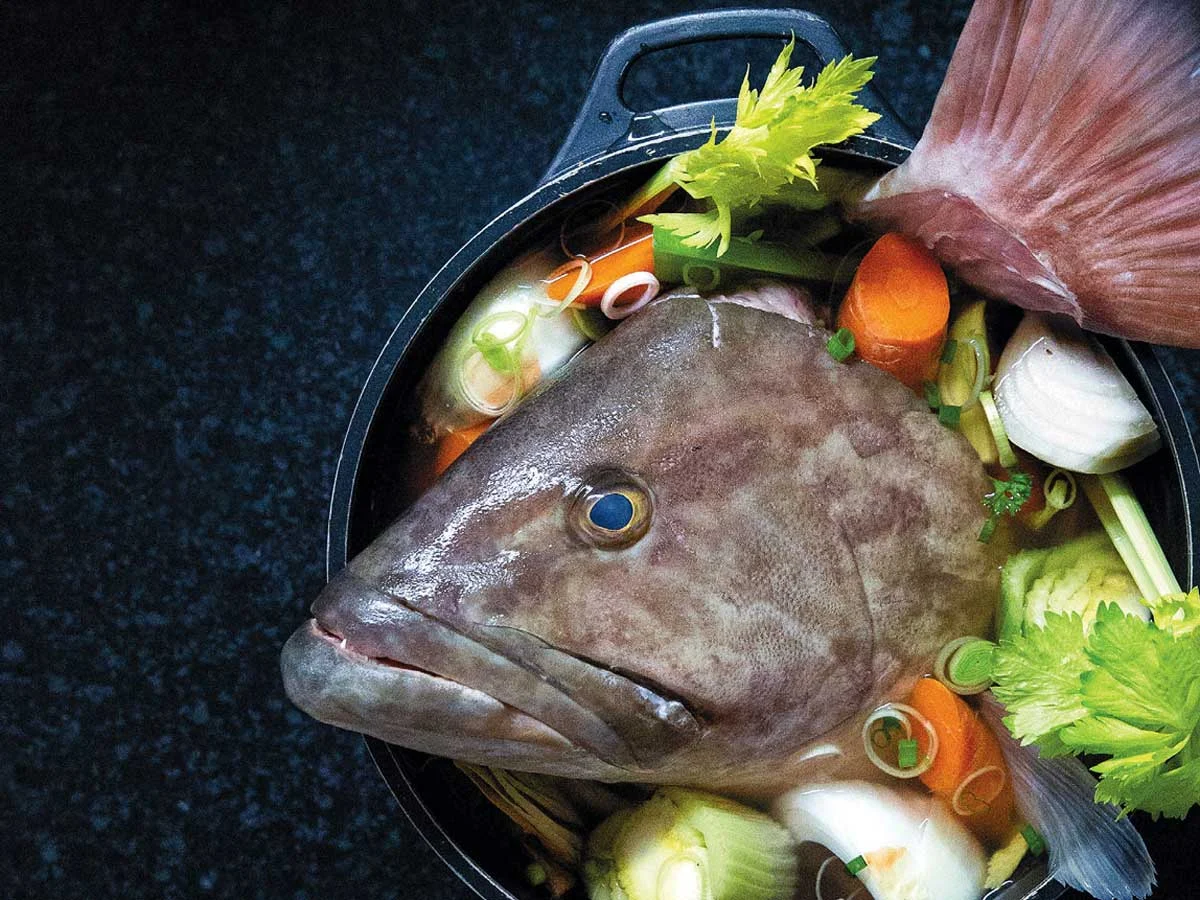
In the modern culinary landscape, the act of cooking has become increasingly detached from the origins of our ingredients. We peel, trim, and discard with abandon, often treating the ends of carrots, the stems of herbs, and the dregs of our pantry as nothing more than refuse. However, this habit carries a profound cost. Food waste is not merely an inconvenience; it is a global crisis that drains our environmental resources, undermines food security, and exacts a significant toll on personal finances.

As we face a future defined by climate instability and economic uncertainty, the movement toward "zero-waste cooking"—a philosophy that prioritizes the total utilization of every ingredient—is gaining momentum. By rethinking our approach to the kitchen, we can turn the tide on a systemic issue that starts at our own dinner tables.

The Staggering Reality: A Global Crisis of Discarded Potential
The scale of food waste is difficult to conceptualize, yet the data is undeniable. In the United States, an estimated 30% to 40% of the food supply is lost or wasted annually, amounting to more than 133 billion pounds of food. The situation is equally dire in Canada, where over 46% of food produced—approximately 46 billion pounds—is discarded before it ever reaches a stomach.

What makes these figures particularly sobering is the role played by the individual. Household food waste accounts for 40% to 50% of this total volume. Even more alarming is the estimate that 60% to 70% of the food thrown away by families remains perfectly edible. This equates to an average American household losing more than $700 per year on food that is purchased, stored, and ultimately consigned to the trash.

The implications are far-reaching. When we discard food, we are also discarding the water, land, labor, and energy required to grow, transport, and package it. Furthermore, when this organic matter ends up in landfills, it decomposes anaerobically, releasing methane—a greenhouse gas significantly more potent than carbon dioxide in the short term. By choosing to waste less, we are not just saving money; we are participating in a critical act of environmental stewardship.

The Philosophy of Zero-Waste Cooking
At its core, zero-waste cooking is not about perfection; it is about intentionality. It is a sustainable, practical approach that views the entire ingredient as a resource. From the root to the shoot, and from the peel to the pit, zero-waste cooking asks us to re-evaluate our definition of "scraps."

The journey toward a zero-waste kitchen begins with a shift in perspective. If an item is edible, the primary goal is to plan for its consumption. If that is not possible in the immediate future, the secondary goal is preservation. This mindset encourages cooks to move beyond standardized recipes and embrace a more intuitive, resourceful style of preparation that values creativity and adaptability.

Chronology of Consumption: Strategic Preparation
To minimize waste, one must manage the lifecycle of food from the moment it enters the kitchen. This chronological approach to food management is the most effective way to ensure that nothing goes to waste.

1. Planning and Sourcing
The most effective way to stop food waste is to prevent it from entering the home in excess. Meal planning acts as a filter, allowing home cooks to purchase only what they need. By auditing the refrigerator and pantry before grocery shopping, consumers can avoid the "double-buy" trap.

2. The Art of Proper Storage
Proper storage is the frontline defense against spoilage. Leafy greens, for instance, thrive in the crisper drawer, while herbs often prefer to be treated like cut flowers, stored in water. Recognizing that root vegetables and pantry staples require cool, dark environments can extend their shelf life by weeks. When produce approaches its end, the freezer becomes the ultimate tool for preservation, pausing the decay process until the item is ready to be incorporated into a stock, soup, or smoothie.

3. The Sensory Audit
One of the most persistent drivers of waste is the confusion surrounding date labeling. Terms like "sell-by," "use-by," and "best-by" are often indicators of peak quality rather than safety. Relying on our own senses—our ears, noses, and eyes—to determine if a food is still viable is a skill that has been largely lost. By learning to trust our instincts, we can prevent the premature disposal of perfectly good dairy, grains, and produce.

Seven Pillars of Kitchen Efficiency
Reducing waste requires a toolkit of strategies. Here are the seven essential habits for a low-waste kitchen:

- Comprehensive Meal Planning: Always shop with a list and a purpose.
- Roots-to-Stem Ethos: Before tossing a peel or a stalk, ask: "Is this edible?" Most vegetable trimmings are packed with fiber and flavor.
- Strategic Storage: Master the art of the airtight container and the crisper drawer.
- Sensory Evaluation: Ignore arbitrary dates and trust your own palate.
- Repurposing Scraps: Transform wilted greens into pesto, stale bread into bread pudding, and meat trimmings into stock.
- Preservation Methods: Utilize canning, pickling, fermenting, and drying to stretch the life of seasonal bounties.
- Culinary Creativity: View every leftover as an opportunity for a new dish rather than a failure of the previous one.
Repurposing: From Leftovers to Masterpieces
The history of world cuisine is, in many ways, a history of waste reduction. Many of our most beloved dishes—from Italian panzanella and pasta e fagioli to French hachis parmentier—were born out of the necessity to stretch limited resources.

Breakfast and Brunch Re-imagined
Leftover pasta or roasted vegetables are the perfect base for a frittata, which requires only eggs and a little milk to transform into a hearty meal. Similarly, a breakfast strata or savory bread pudding serves as the ideal vessel for stale bread and wilting greens. For those with a sourdough starter, the "discard"—often thrown away during maintenance—can be baked into tangy, tender biscuits.

Condiments and Stocks
The liquid from a jar of feta, often poured down the drain, is a saline, flavorful asset that can be used to tenderize chicken or boost the flavor of grains. Likewise, vegetable scraps and carcasses should be saved in a freezer bag to be boiled down into a rich, homemade stock. Once you start making your own broth, you will find it difficult to return to store-bought versions.

Creative Mains and Sweets
Even vegetable peels can be repurposed. Deep-fried and seasoned with furikake, they become a crispy, umami-rich snack. Overripe fruit finds a second life in fruit leather, popsicles, or "compost cookies," where every last crumb of cereal, pretzel, or nut is incorporated into a sweet treat. Even the peel of a banana, when properly prepared in a cake, adds a depth of moisture and density that is truly remarkable.

Official Responses and Broader Implications
Governmental and agricultural agencies, including the USDA, have increasingly focused on the "Food Loss and Waste" problem as a matter of national security and economic health. The policy push is toward systemic changes in supply chains, but the message remains clear: the home is a critical frontier.

The implications of adopting a zero-waste lifestyle are both individual and systemic. Individually, families can save thousands of dollars over the course of a year, while simultaneously consuming more nutrient-dense meals by utilizing parts of plants (like beet greens or carrot tops) that are typically discarded. Systemically, if a significant percentage of the population reduced their food waste by even 10%, it would have a measurable impact on the amount of organic waste entering municipal landfills, potentially saving millions in disposal costs and significantly lowering local methane emissions.

Conclusion: A Culinary Moral Imperative
The transition to zero-waste cooking is not merely about frugality; it is an act of respect for the food we eat and the resources required to produce it. It challenges us to be better cooks, more creative thinkers, and more responsible stewards of our environment.

By reclaiming the parts of our food we once ignored, we enrich our diets, bolster our bank accounts, and participate in a meaningful movement toward a more sustainable future. The kitchen is the most powerful room in the house; the decisions made within its four walls have the potential to ripple outward, changing the world one meal at a time. Start today: look at what is in your crisper, consider the potential of that "scrap," and discover the hidden value in your own kitchen.


 Iffa Jayyana
 Nana Muazin
