

 Nana Wu

 Dwi Wanna

 Suro Senen

 Evan Lee Salim

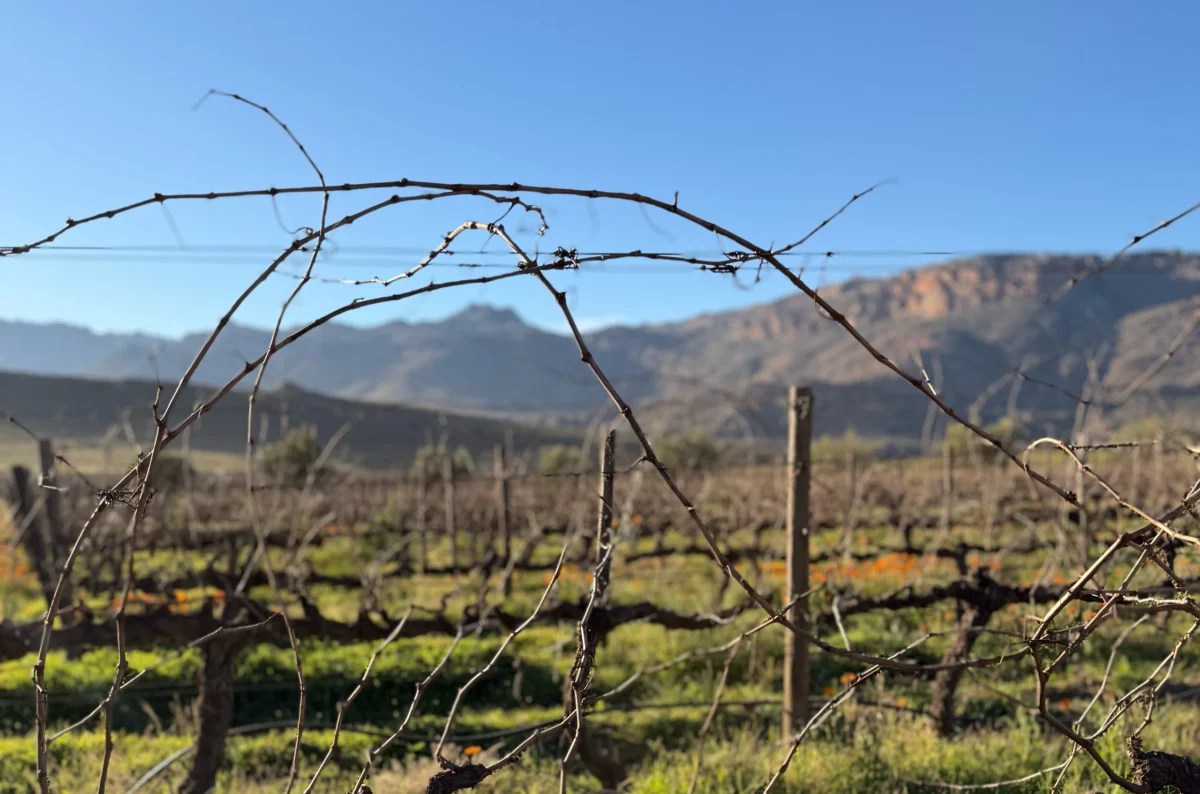
For nearly six decades, The World Atlas of Wine has served as the definitive cartographic authority on the world’s vineyards. Yet, as co-editor Jancis Robinson OBE MW notes in the recently released ninth edition, the map of the wine world is no longer static. It is shifting, expanding, and, in some cases, fundamentally defying conventional wisdom. While climate change acts as a primary catalyst—pushing viticulture toward the cooler latitudes of Scandinavia and the rugged terrains of Patagonia—a parallel, more rebellious movement is taking root in regions far removed from traditional wine geography.
From the high-altitude plateaus of the Colombian Andes to the tropical humidity of Bali, a new generation of pioneers is challenging the limits of where, and how, wine can be made. This is not merely an exercise in agriculture; it is an exploration of human ingenuity, persistence, and the relentless urge to push the boundaries of what the vine can endure.
The Drivers of Change: A Two-Fold Evolution
The expansion of global viticulture is currently bifurcated. On one hand, we see a "climate-driven migration." As temperatures rise, historically marginal regions—such as southern Sweden and the southern tip of South America—are finding themselves within a "sweet spot" of temperature and sunlight, making commercial grape growing viable for the first time in history.
On the other hand, there is the "pioneer-driven expansion." This movement is defined by winemakers who are venturing into equatorial, tropical, or high-altitude zones where the climate is not necessarily "improving" but is being actively managed through radical innovation. In these frontiers, the goal is not to ride the wave of global warming, but to overcome the inherent challenges of geography through sheer technical willpower.
Chronology of a Frontier: From Concept to First Vintage
Establishing a winery in an unconventional region follows a grueling, non-linear trajectory that often takes years of trial and error.
- Phase 1: The Visionary Stage (Years 1–3): The founder arrives, often with professional experience from established regions (e.g., Spain or France), and realizes that the local knowledge base is non-existent. They must conduct soil analysis, weather monitoring, and variety trials in total isolation.
- Phase 2: The Infrastructure Gap (Years 3–5): The realization that there is no local supply chain. Equipment, oenological products, and even basic laboratory tools must be imported, often in singular, annual shipments. Any failure in planning here results in a lost year.
- Phase 3: The Cultural Pivot (Years 5–8): The winemaker realizes that the technical challenge of growing grapes is only half the battle. They must now educate the local labor force on quality-based harvesting and cultivate a local consumer base that may not have a traditional relationship with wine.
- Phase 4: Regulatory Recognition (Year 10+): Only once a cluster of wineries has formed does the local government begin to provide the regulatory frameworks (such as direct-to-consumer sales laws) that allow the industry to become economically sustainable.
Supporting Data: The Logistics of Isolation
The economic reality for a pioneer winemaker is stark. Unlike a producer in Bordeaux or Napa Valley, who can source a barrel or a yeast strain within hours, the frontier winemaker operates under a "high-stakes scarcity" model.
| Challenge | Traditional Region | Frontier Region (e.g., Indonesia/Colombia) |
|---|---|---|
| Supply Chain | Same-day delivery | Annual import cycle |
| Lab Analysis | Outsourced to local labs | On-site, expensive, self-managed |
| Oak Barrels | Readily available | Cost-prohibitive (up to 3x market rate) |
| Labor | Skilled/Seasonal | Requires intensive quality-based training |
In the Colombian Andes, Pepe Saura of Viñedo Abarán has had to adapt his entire viticultural philosophy. Because his vines remain in a state of continuous vegetative growth—due to the region’s perpetual spring—he utilizes a pergola system. This not only controls the plant’s vigor but also shades the fruit from intense UV rays. By leveraging altitude to cool the vines at night, he manages to force a harvest every seven months, prioritizing fruit quality over the potentially disastrous triple-crop yield that the climate would otherwise encourage.
Official Perspectives: The Experts Speak
The experts behind the latest World Atlas of Wine emphasize that these new regions are not just curiosities; they represent the future of human adaptability.
"Obviously, there was no textbook for what we were doing at the time," admits Murat ‘Murre’ Sofrakis of Vingården i Klagshamn in Sweden. His experience highlights the necessity of networking. Even in a region as isolated as southern Scandinavia, success required collaboration with Danish neighbors and European mentors. However, as Sofrakis notes, "That could only be inspiration, because every location is very different."
This sentiment is echoed by those in the tropics. Giotto Castiglioni, founder of Cantine Balita’s Isola Wine in Bali, notes that the sheer lack of infrastructure forces a level of self-sufficiency rarely seen in the industry. "If Giacomo [Anselmi, the oenologist] makes a mistake and the container has already left, we have to wait until the following year," Castiglioni explains. "We have to do everything ourselves."
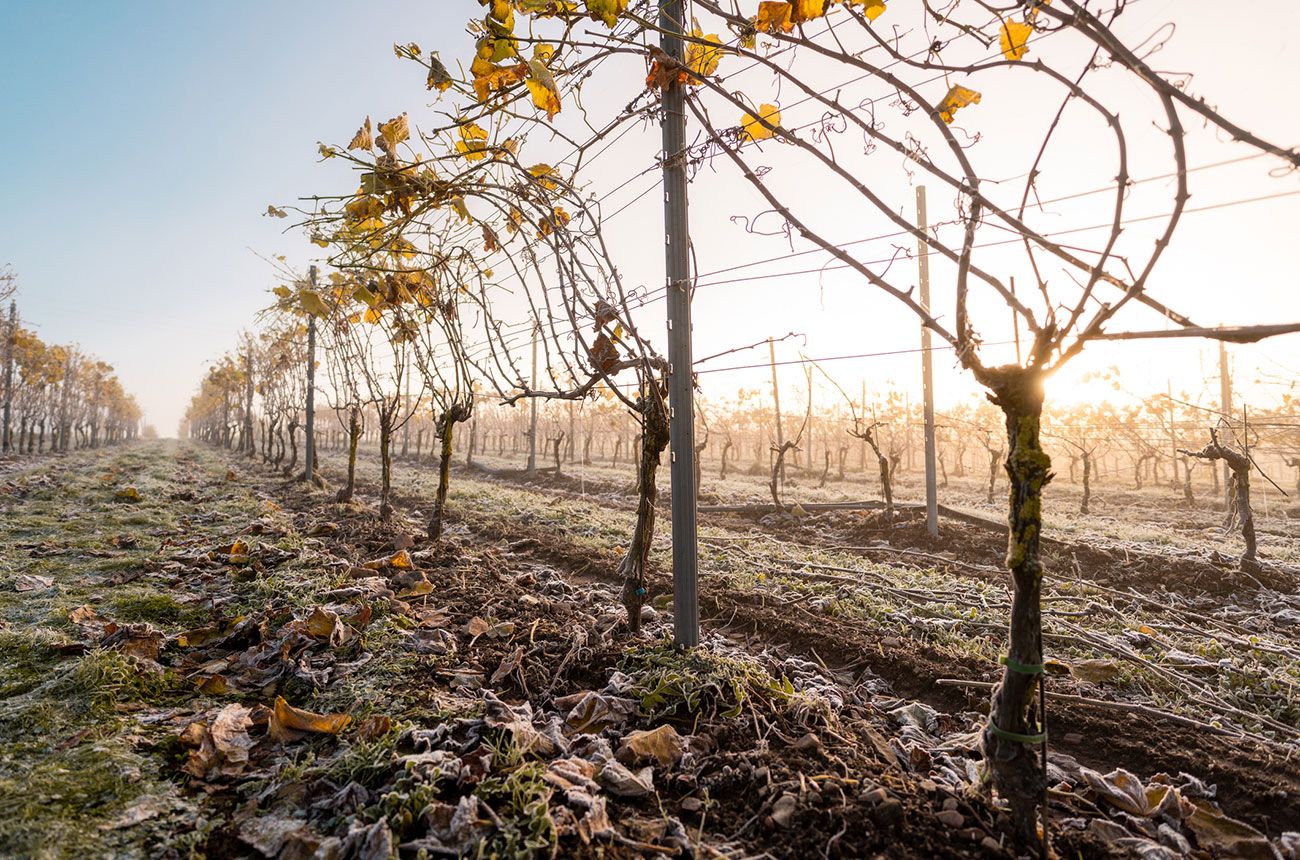
For the team at Isola, this extends to chemical analysis. They cannot outsource lab work to Australia because the transit time would render the wine samples useless. They are, in effect, building a closed-loop system where every scientific determination is made on-site, in the middle of a mountain jungle.
The Human Factor: Building a Market from Scratch
Perhaps the most underestimated hurdle is the "human factor." In regions like Colombia and Indonesia, the product (wine) often competes with a lack of cultural precedent.
"We had to make the locals who harvested the grapes understand that we wouldn’t simply pay them by the kilo, but according to quality," says oenologist Giacomo Anselmi. Transforming a commodity-based labor mindset into a craft-based one is a generational task.
Furthermore, the producers must grapple with the fact that, locally, wine is often a luxury or an unfamiliar concept. Saura admits that he sells significantly more grape juice than wine in Colombia. His solution? Creating a museum at his finca to educate visitors on wine history, effectively "growing" his own customers.
Conversely, in regions where government policy has caught up, the shift is transformative. In Sweden, the recent legal change allowing direct-to-consumer sales for wineries has been, according to Sofrakis, "a game changer." It allows producers to bypass the state monopoly system and tap into the lucrative tourism market, often leading to sell-out vintages within months of release.
Implications: The Future of Terroir
What does this mean for the global wine market?
First, it forces us to redefine the concept of terroir. If wine can be produced in the humid tropics, on high-altitude Andean slopes, and in the warming latitudes of the north, then terroir is no longer just about soil and latitude. It is increasingly about the intersection of human intervention and climate management.
Second, these frontier regions are likely to become the laboratories for future viticultural techniques. The pergola systems used in Colombia, the cold-climate vine-training methods in Sweden, and the creative use of indigenous oak barrels are all innovations that may eventually inform traditional regions as they, too, face the pressures of climate change.
Finally, there is an element of "productive madness" in these endeavors. It requires significant capital, immense personal risk, and the courage to fail in the absence of a playbook. Yet, as the new edition of the Atlas suggests, this is the true spirit of viticulture. It is an adventurous, ongoing dialogue between the vine and the land, no matter how harsh or unconventional that land may be.
As these regions continue to evolve, they serve as a reminder that the world of wine is not shrinking—it is expanding. Whether through the warming winds of the North or the determined hands of a pioneer in the Andes, the search for the perfect glass remains a powerful, driving force of human history. For the wine lover, these new frontiers offer more than just a bottle; they offer a story of defiance, discovery, and the relentless, liquid pursuit of the unknown.

 Basiran

