

 Nana Wu

 Dwi Wanna

 Suro Senen

 Evan Lee Salim

 Asep Darmawan
Welcome to VinePair’s Booze News Weekly Roundup, your essential briefing on the beverage alcohol industry. From environmental disasters shaking corporate giants to landmark legal challenges that could redefine the home-distilling landscape, this week has proven that the drinks business is as volatile as it is vibrant.
I. Main Facts: A Week of Regulatory and Corporate Turbulence
The beverage alcohol industry currently finds itself at a crossroads, balancing environmental accountability against shifting legal interpretations. This week’s headlines are dominated by a massive chemical spill involving Diageo, a brewing legal battle regarding the legality of home distilling, and a flurry of premium product launches that signal a pivot toward consumer experience-based marketing.
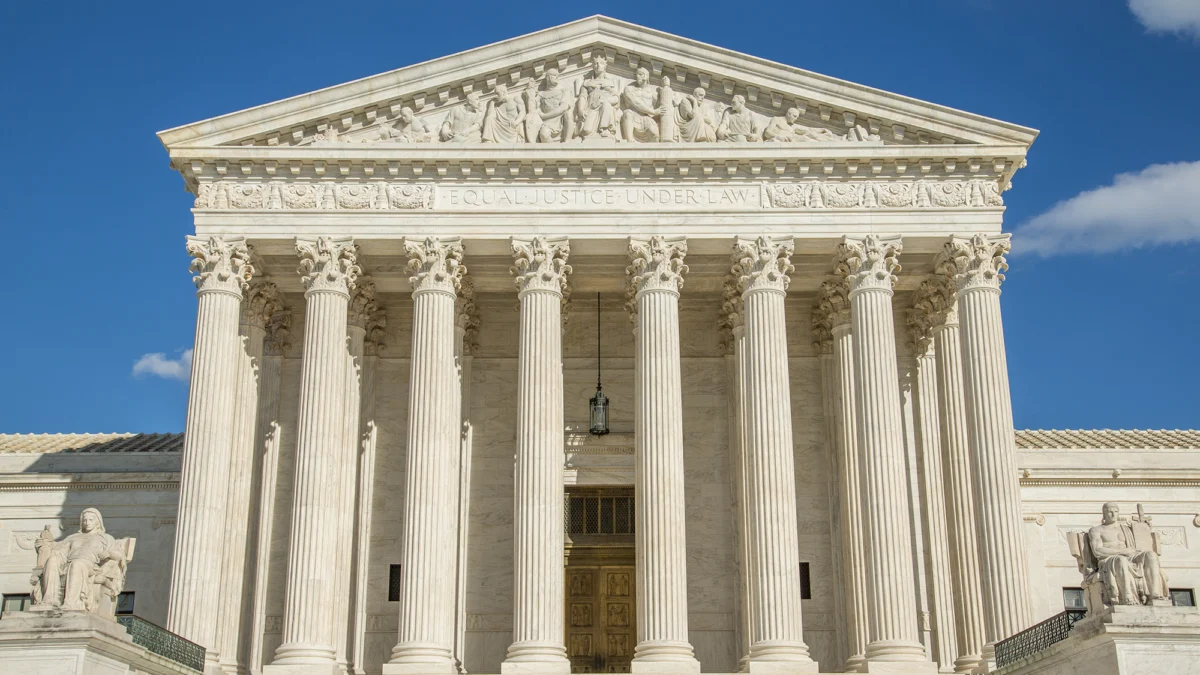
The most pressing story concerns a significant chemical spill at a Diageo facility. The incident, which resulted in the release of hazardous materials into local waterways, has triggered immediate concern among environmental regulators and local communities. Simultaneously, the U.S. Supreme Court (SCOTUS) has signaled its intent to review a case that challenges the federal prohibition on home distilling, potentially upending the current regulatory framework governing spirit production.
II. Chronology of Events: How the News Unfolded
The Diageo Spill (Early Week)
The week began with reports emerging from industrial monitoring agencies regarding a breach at a Diageo-affiliated production plant. Initial assessments suggest that a containment failure led to the discharge of toxic processing chemicals into the surrounding watershed. While Diageo’s emergency response teams were deployed within hours, the ecological impact—specifically regarding local aquatic life—is still being quantified by state environmental protection agencies.
The SCOTUS Announcement (Mid-Week)
On Wednesday, legal analysts were stunned by the Supreme Court’s docket announcement. The Court agreed to hear a petition challenging the federal statutes that prohibit the distillation of spirits for personal use without a federal permit. This issue, which has been simmering in lower courts for years, has finally reached the highest level of judicial review. If the Court rules in favor of the petitioners, it could effectively decriminalize small-scale home distilling, sparking a massive shift in how the Alcohol and Tobacco Tax and Trade Bureau (TTB) enforces manufacturing regulations.
The Product Release Wave (Thursday–Friday)
As the news cycle focused on regulatory and corporate crises, major distillers and independent breweries continued their aggressive push for market share. Thursday saw the release of three major limited-edition whiskies and a proprietary technology-led RTD (Ready-to-Drink) line, indicating that despite broader sector issues, the retail landscape remains fiercely competitive.
III. Supporting Data and Industry Context
To understand the weight of these headlines, one must look at the data governing the beverage alcohol industry.
- Environmental Liability: In the fiscal year 2023, beverage alcohol conglomerates spent approximately $1.4 billion on environmental compliance and remediation. A spill of the magnitude currently facing Diageo could lead to fines exceeding $50 million, depending on the volume of pollutants and the duration of the discharge.
- The Home Distilling Economy: Data from the TTB suggests that interest in home craft production has surged by 18% annually since 2020. While home brewing (beer/wine) is federally permitted, the prohibition on distilling remains a relic of the post-Prohibition era. Industry lobbyists argue that legalization could stimulate a $2 billion growth in home-distilling equipment and specialty grain sales.
- Market Diversification: Despite economic headwinds, the premium spirits category is projected to grow by 5.2% CAGR through 2027. This explains why, despite news of spills and lawsuits, major players continue to dump millions into product R&D.
IV. Official Responses: The Corporate and Legal Stance
Diageo’s Statement
In an official filing released Thursday, Diageo stated: "We take our environmental stewardship responsibilities with the utmost seriousness. Upon discovering the containment breach, we immediately halted operations at the affected site and initiated a full-scale containment and remediation protocol. We are working closely with environmental regulators to assess the scope of the impact and are committed to full transparency throughout this investigation."
Legal Perspective on Home Distilling
The legal team representing the petitioners in the SCOTUS case issued a brief statement: "The current federal law is a vestige of a bygone era. Our position is that the production of spirits for personal, non-commercial consumption does not fall under the purview of the Commerce Clause in the way the government claims. We look forward to presenting our arguments before the Justices, as this is a matter of personal liberty and property rights."
V. Implications: What This Means for the Future of Drinks
The Environmental Liability Crisis
The Diageo spill is more than just an operational failure; it is a reputational and financial liability that could influence future ESG (Environmental, Social, and Governance) scores for the entire sector. Large-scale manufacturers are now under increased pressure to invest in redundant safety systems. Investors should expect to see a tightening of capital allocation toward "green" infrastructure in the coming quarterly reports.
The Home Distilling Paradigm Shift
If SCOTUS rules in favor of legalizing home distilling, the industry will face a "DIY" disruption similar to the rise of homebrewing in the 1980s. While established brands may fear a loss of market share, the history of craft beer suggests that a surge in hobbyist distilling often leads to a rise in consumer sophistication. This, in turn, could drive a "halo effect," where home distillers eventually graduate to purchasing premium, artisanal products from established craft distilleries.
The Retail Landscape
The rapid succession of product releases this week confirms that the industry is leaning into "premiumization." As consumer purchasing power fluctuates due to inflationary pressures, brands are focusing on limited-edition, high-margin products that cater to the collector market. This strategy is an attempt to insulate their bottom lines from the volatility of mass-market, high-volume products.
VI. Looking Forward: Trends to Watch
As we close out this week’s roundup, three major themes emerge for the upcoming month:
- Supply Chain Resiliency: Following the Diageo incident, we anticipate an industry-wide audit of chemical handling and storage procedures. Expect increased regulatory scrutiny on production facilities located near sensitive ecological zones.
- The "Home-Craft" Boom: Regardless of the SCOTUS outcome, the discussion around distilling laws has already validated the craft movement. Retailers should prepare for a potential surge in demand for specialized grain, yeasts, and distillation kits, anticipating that consumer interest in the "science of spirits" will remain high.
- Digital Engagement in Product Launches: The latest product releases are increasingly utilizing blockchain-backed provenance tracking and digital-only "pre-sale" drops. This move toward digitizing the consumer experience is the next frontier for brand loyalty.
This story is a part of VP Pro, our free content platform and newsletter for the drinks industry, covering wine, beer, and liquor — and beyond. Sign up for VP Pro now to receive these insights directly in your inbox and stay ahead of the curve in an ever-evolving global market. Whether you are a master distiller, a retail owner, or a sector analyst, VP Pro provides the data and deep-dive reporting you need to make informed decisions in the world of beverage alcohol.
Disclaimer: The information provided in this roundup is based on industry reports and public filings. As the situation regarding the Diageo spill and the SCOTUS case evolves, we will provide ongoing coverage through our daily newsletters and digital briefings.


 Basiran

