Nana Wu

 Dwi Wanna

 Suro Senen

 Evan Lee Salim

 Nila Kartika Wati
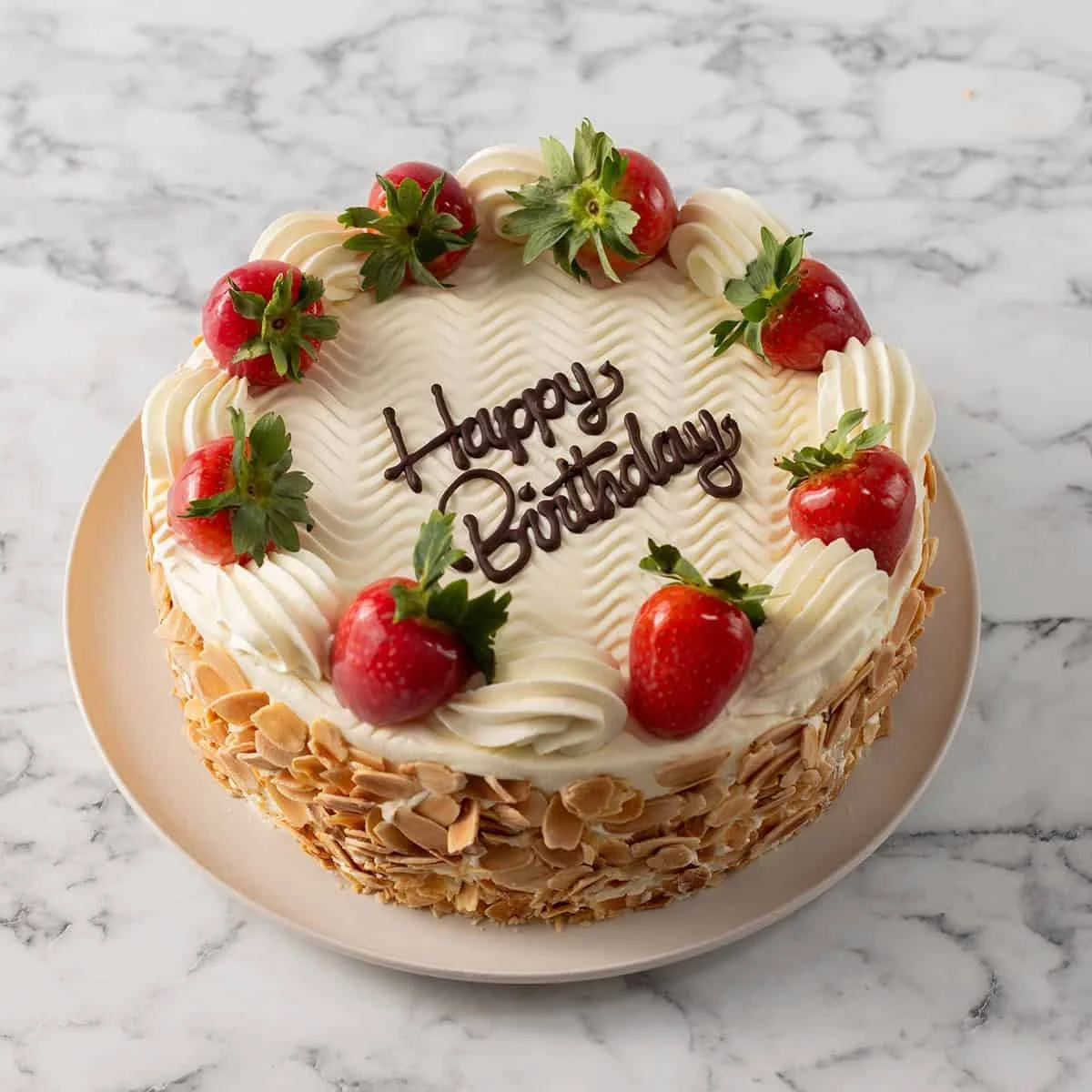
In the vibrant culinary landscape of Melbourne and Sydney, few desserts hold as much cultural weight or emotional resonance as the Continental Cake. Also known as the Italian Rum Cake, this multi-layered masterpiece—a harmonious marriage of rum-soaked chiffon sponge, rich chocolate and vanilla custard, and airy Chantilly cream—is the undisputed centerpiece of Mediterranean-Australian celebrations. For many, it is the taste of childhood, birthdays, and Sunday gatherings. However, recreating this bakery-grade experience at home has long been considered a daunting, if not impossible, task.

Recently, professional pastry chef and content creator Nick Makrides of The Scran Line set out to demystify this classic. After an exhaustive two-month testing period and 27 distinct iterations, Makrides has developed a method that arguably surpasses the store-bought versions found in local delis. This article explores the technical precision required to master the Continental Cake, the importance of ingredient science, and why this recipe has become a standard-bearer for home bakers.
The Engineering of a Masterpiece
The challenge of the Continental Cake lies in its architecture. It requires a sponge that is structurally sound enough to support heavy layers of custard, yet porous enough to absorb a rum-infused syrup without turning into a soggy, unappealing mess.
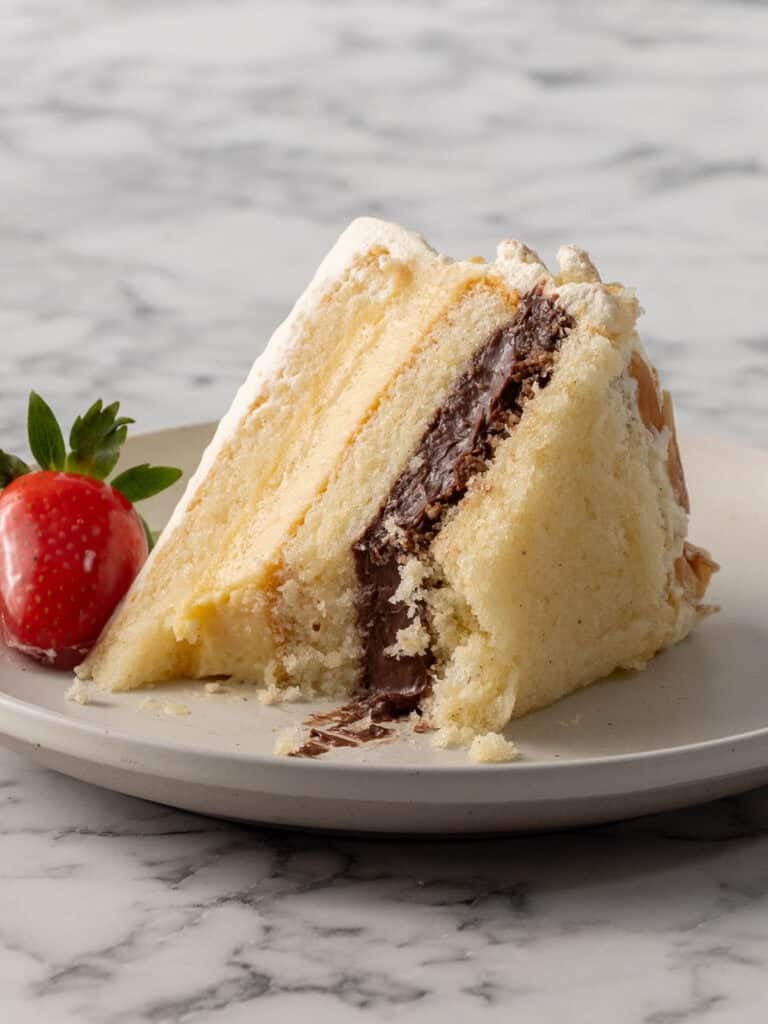
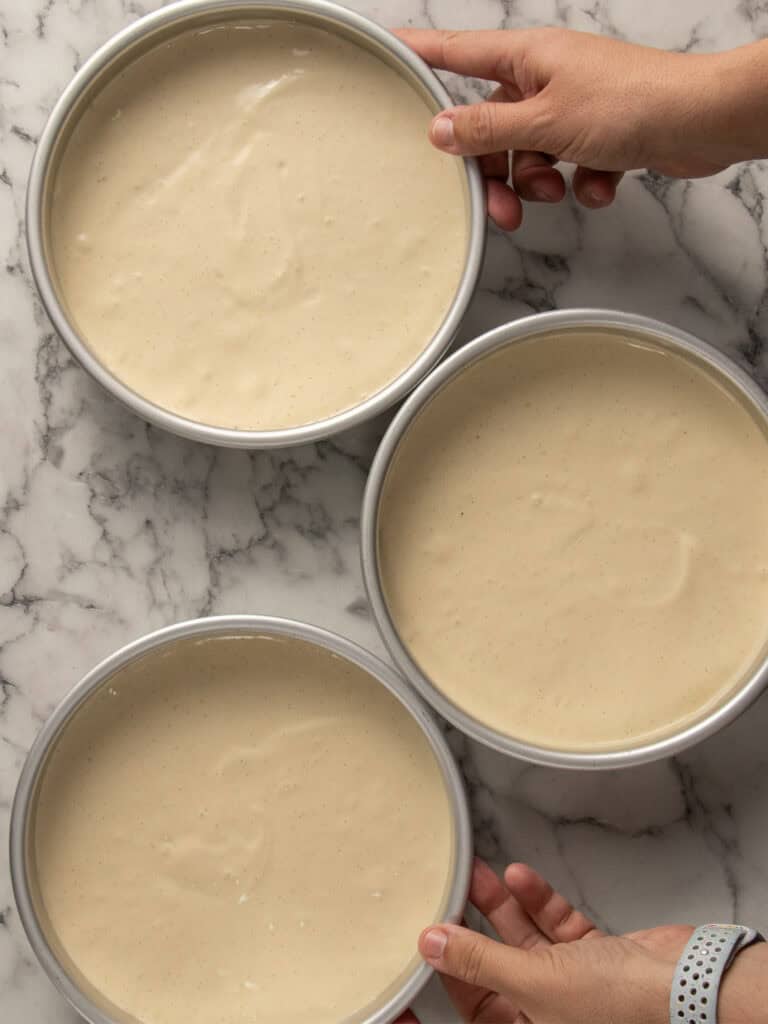
"I agonized over every single part of getting this cake right," says Makrides. "My biggest problem was the sponge. Up until test 23, I just couldn’t find a sponge soft enough to match what the bakeries were using." The solution, he discovered, was a chiffon cake. Unlike traditional sponges that rely solely on aerated eggs, the chiffon incorporates oil and a specific folding technique that creates a "meaty" yet ethereal crumb. This structure is the backbone of the recipe, providing the necessary stability to hold the moisture of the syrup while maintaining a delicate mouthfeel.
A Chronology of the 27 Tests
The development of this recipe followed a rigorous scientific workflow. Rather than treating the cake as a singular entity, the process was broken down into component parts: the sponge, the dual-flavored custards, the stabilization of the cream, and the decorative finishes.
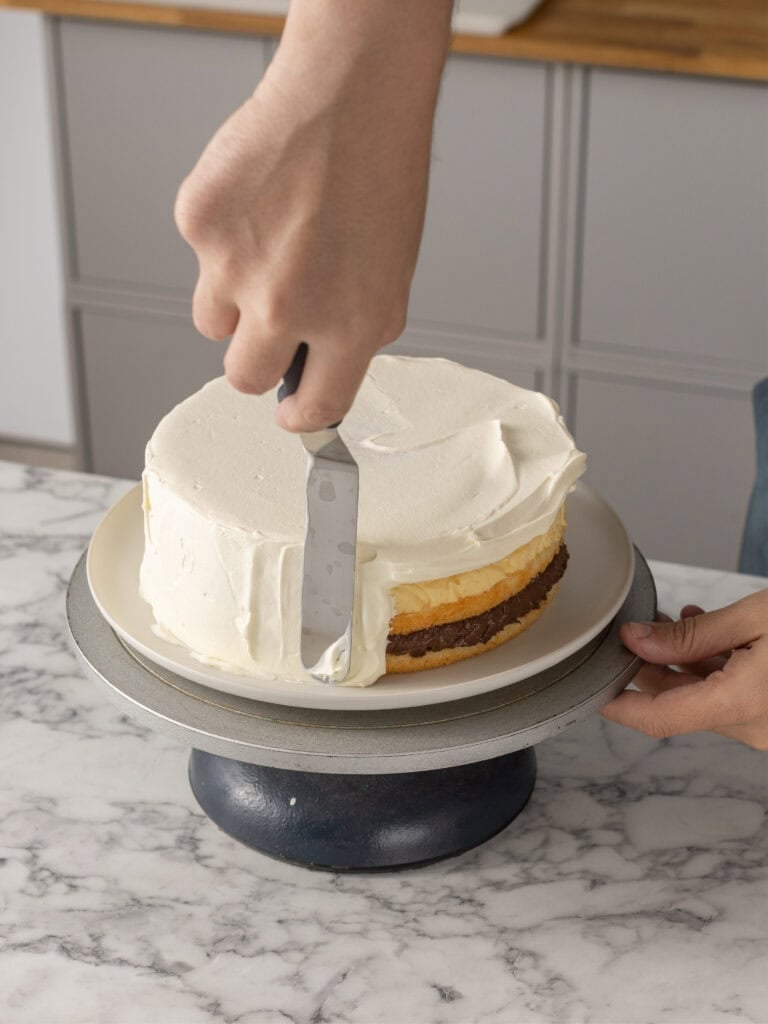
Day 1: Foundation and Prep
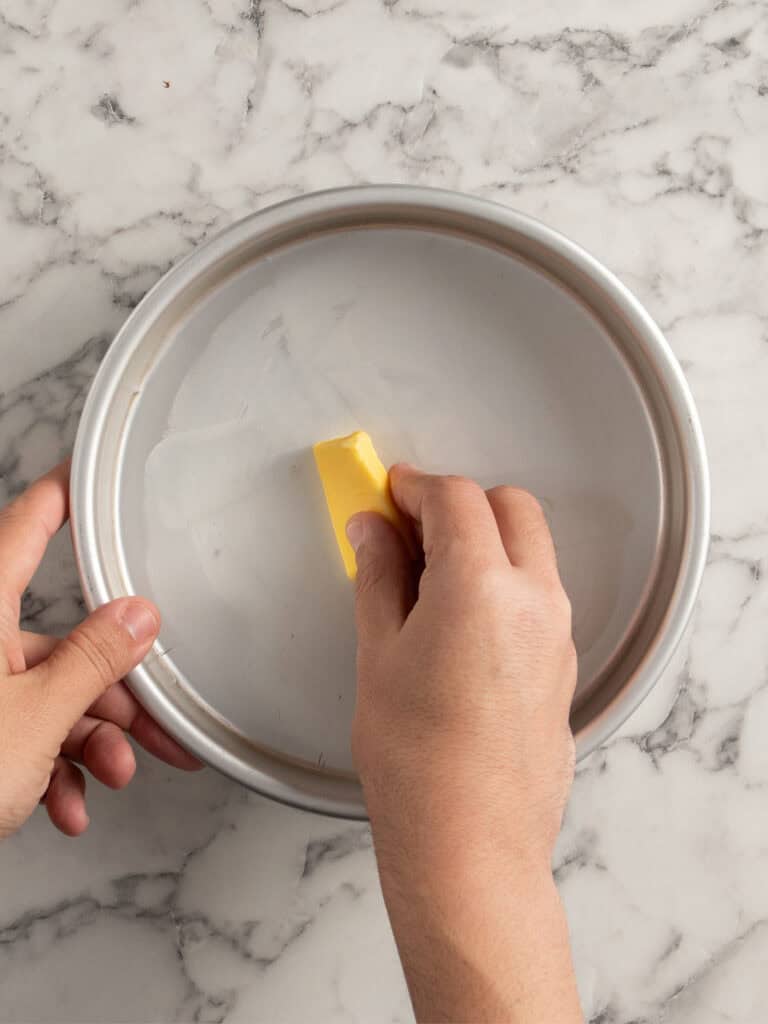
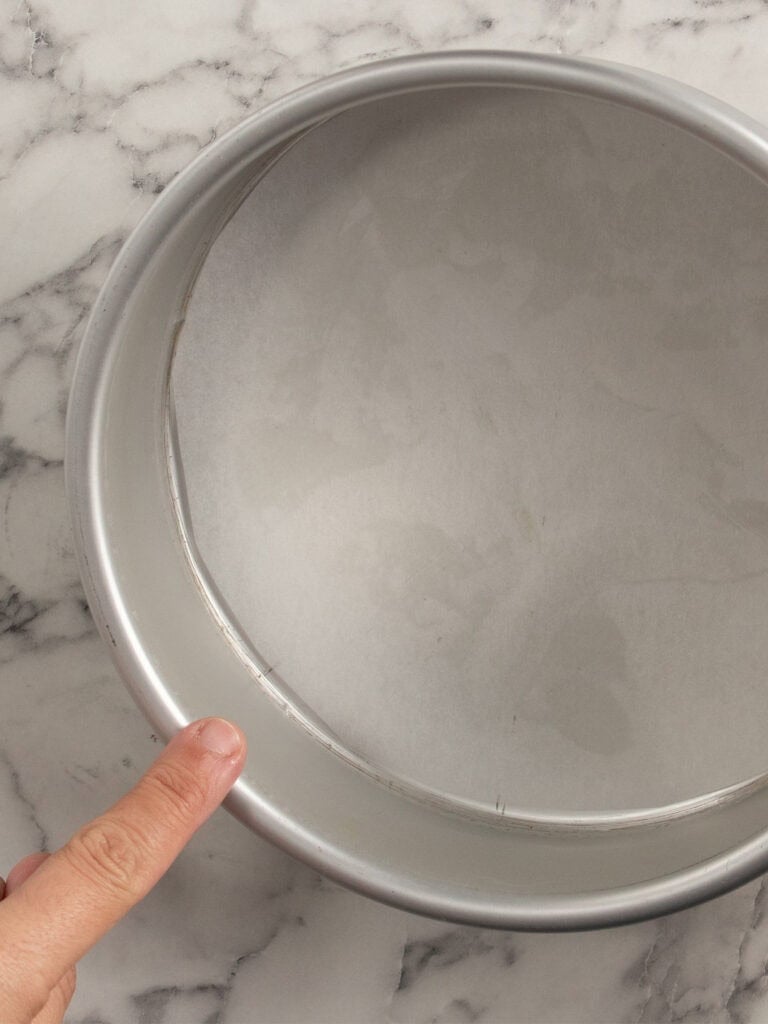
The process begins with the preparation of the cake layers. A critical finding in the testing phase was the technique for lining the cake tins. Rather than using non-stick sprays, which can cause the cake to pull away from the edges and shrink during cooling, Makrides advocates for greasing only the bottom of the tin with cold butter. This allows the batter to "grip" the sides, resulting in a uniform, round rise that is essential for a professional-looking layer cake.
Day 2: Custard and Assembly
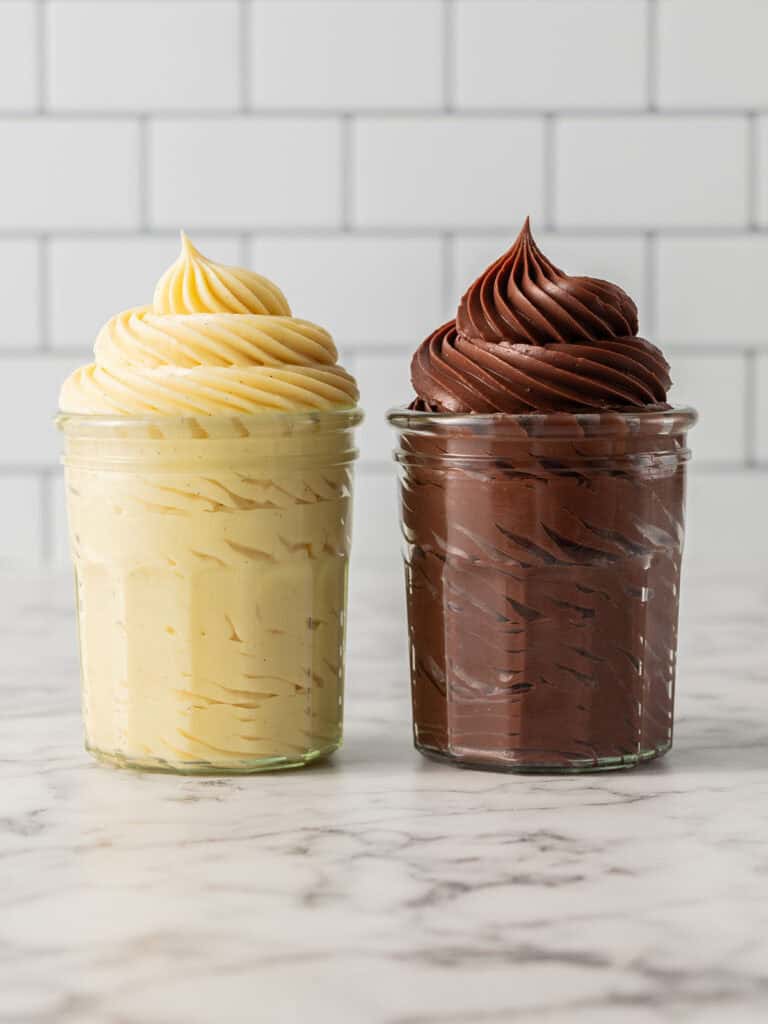
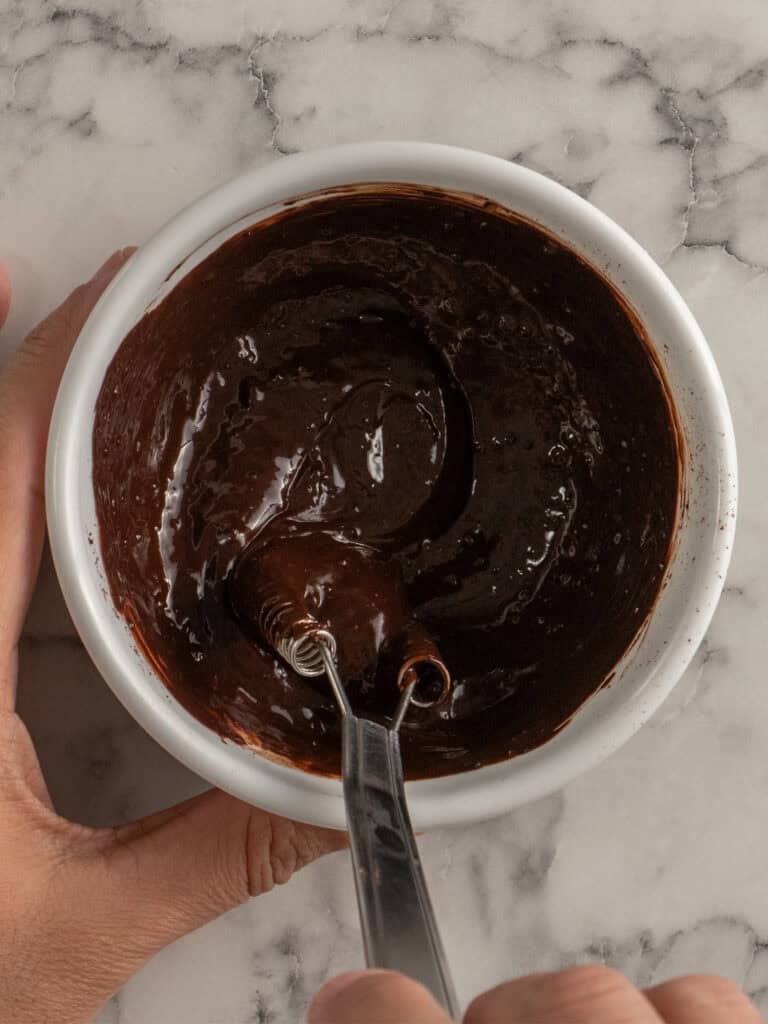
The custards are the heart of the flavor profile. To ensure a silky texture, Makrides emphasizes the use of a metal whisk—not a silicone one—in a stainless-steel pot. The goal is to avoid any lumps that might compromise the mouthfeel. By whipping the vanilla and chocolate pastry creams separately with an electric mixer just before assembly, the baker ensures a uniform consistency that acts as a structural mortar between the chiffon layers.
The Science of Stability: Why Home Baking Wins
One of the primary reasons commercial Continental Cakes often fall short is the reliance on "mock cream." To ensure cakes can sit in display cases for extended periods without melting, commercial bakeries frequently utilize hydrogenated vegetable fats. While stable, these lack the flavor and texture of real cream.
Makrides’s solution is a stabilized Chantilly cream, reinforced with mascarpone. The Italian cheese provides the necessary structural integrity to hold the cake’s shape in the refrigerator for days without losing its natural, dairy-rich texture. This is a significant improvement over commercial standards, offering both superior taste and a cleaner, more natural ingredient profile.
The Art of the Finish
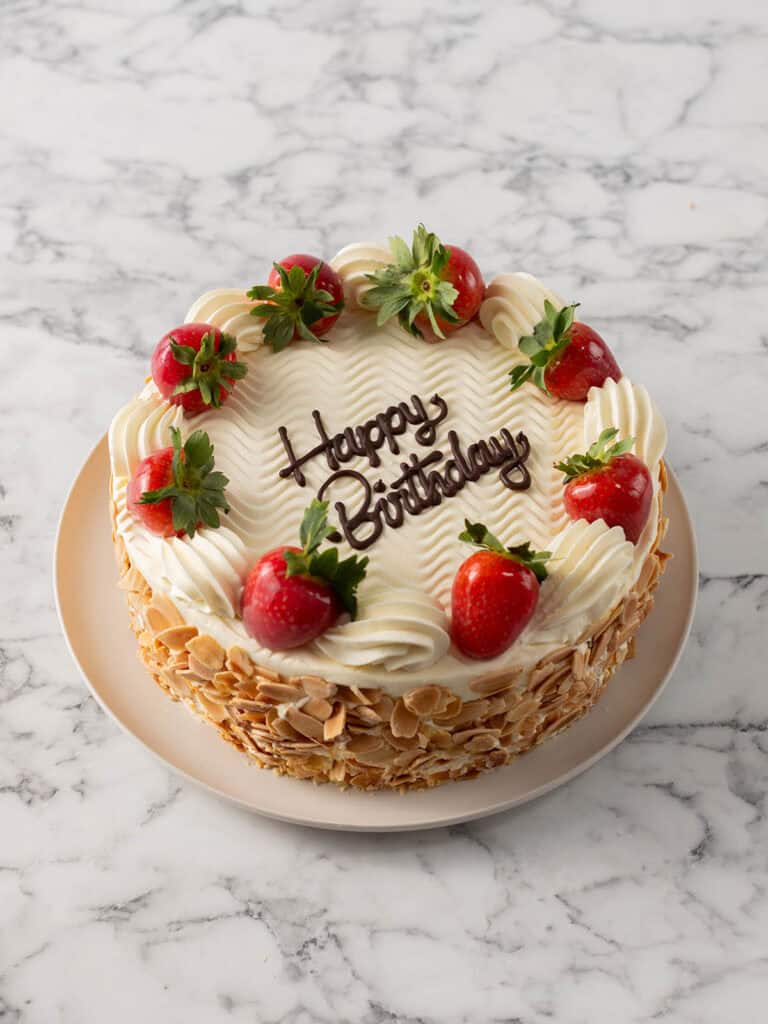
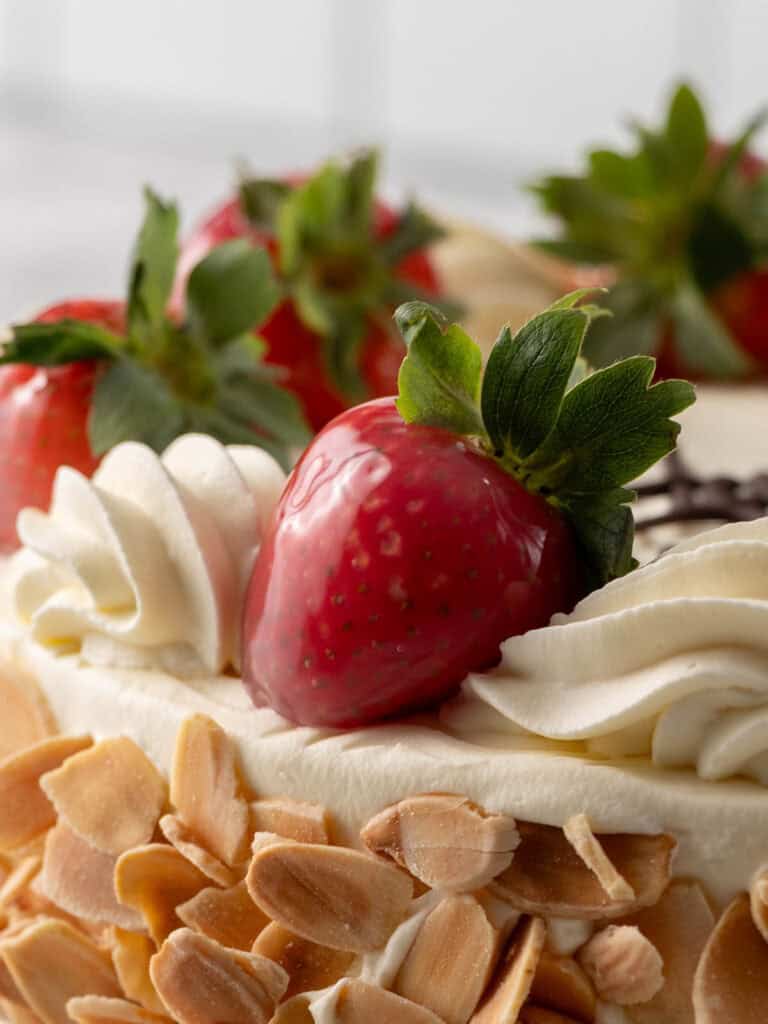
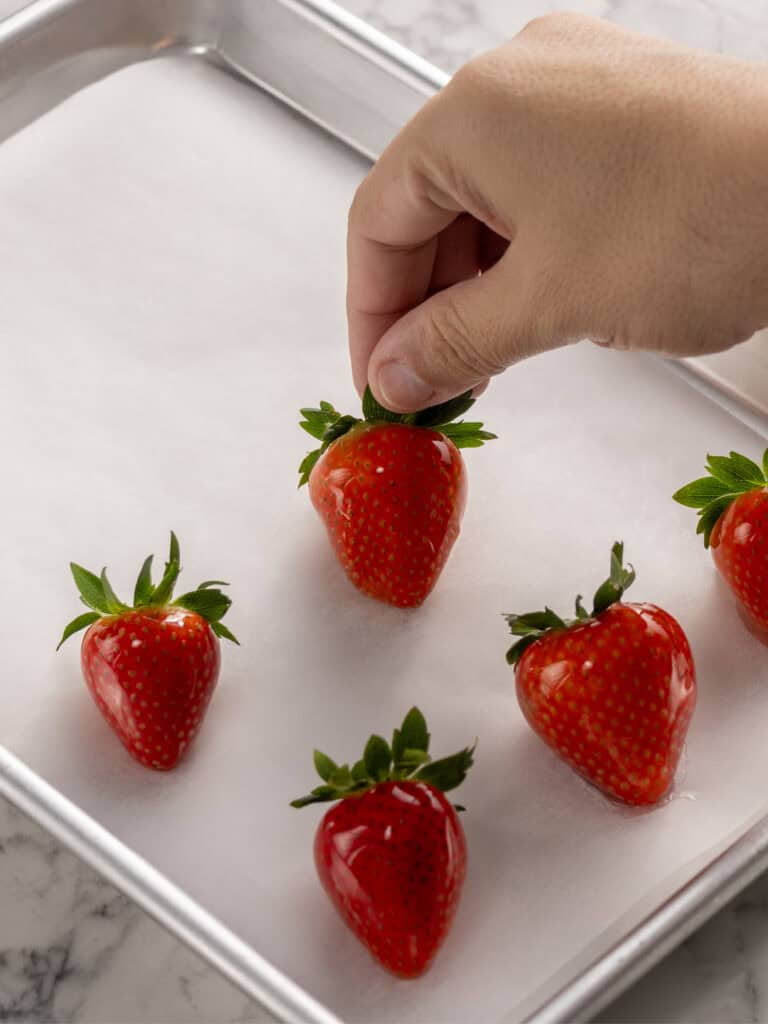
A Continental Cake is defined as much by its presentation as its flavor. The mirror-glazed strawberries and the precise piping of the cream are the hallmarks of a bakery-grade dessert.
- The Glaze: The mirror glaze on the strawberries is not just for aesthetic appeal; it serves to lock in freshness. The trick, according to the testing data, is to apply the glaze only when ready to serve. If applied too far in advance, the glaze can cloud or become lumpy.
- The Piping: To achieve the classic look, a textured cake scraper is recommended to smooth the sides, while a small round tip is used for the chocolate piping. For those who lack the confidence for freehand script, the use of a printable template placed under parchment paper is an effective, fool-proof method for creating elegant "Happy Birthday" messaging.
Culinary Implications and Cultural Resonance
The Continental Cake is more than a dessert; it is a cultural artifact in Australia’s Mediterranean communities. Its presence at a gathering signals a celebration of heritage and continuity. By providing a recipe that is accessible to the home cook, Makrides is essentially democratizing a skill that was once the exclusive domain of professional, often family-run, bakeries.
The implications for the home baking community are significant. By shifting from guesswork to a disciplined, measurement-based approach (utilizing digital kitchen scales for precision), home bakers can achieve results that are consistently high-quality. The feedback from the community—evidenced by the positive response from long-time home bakers—suggests that there is a strong appetite for "bakery-quality" recipes that do not cut corners.
Expert Tips for Success
Based on the 27-test iteration cycle, several key takeaways emerge for those attempting this project:
- Whisking Speed: When making the meringue for the chiffon, maintain a medium speed throughout. This produces smaller, more uniform air bubbles, which are essential for a light, airy crumb.
- The Slurry Technique: For the chocolate custard, the creation of a cocoa powder slurry—mixing the powder with a liquid before adding it to the custard base—is vital. It prevents the cocoa from clumping and ensures a deep, rich flavor.
- Temperature Control: Mascarpone should be used straight from the fridge and mixed thoroughly before being added to the Chantilly cream. A room-temperature mascarpone can cause the cream to become lumpy or separate.
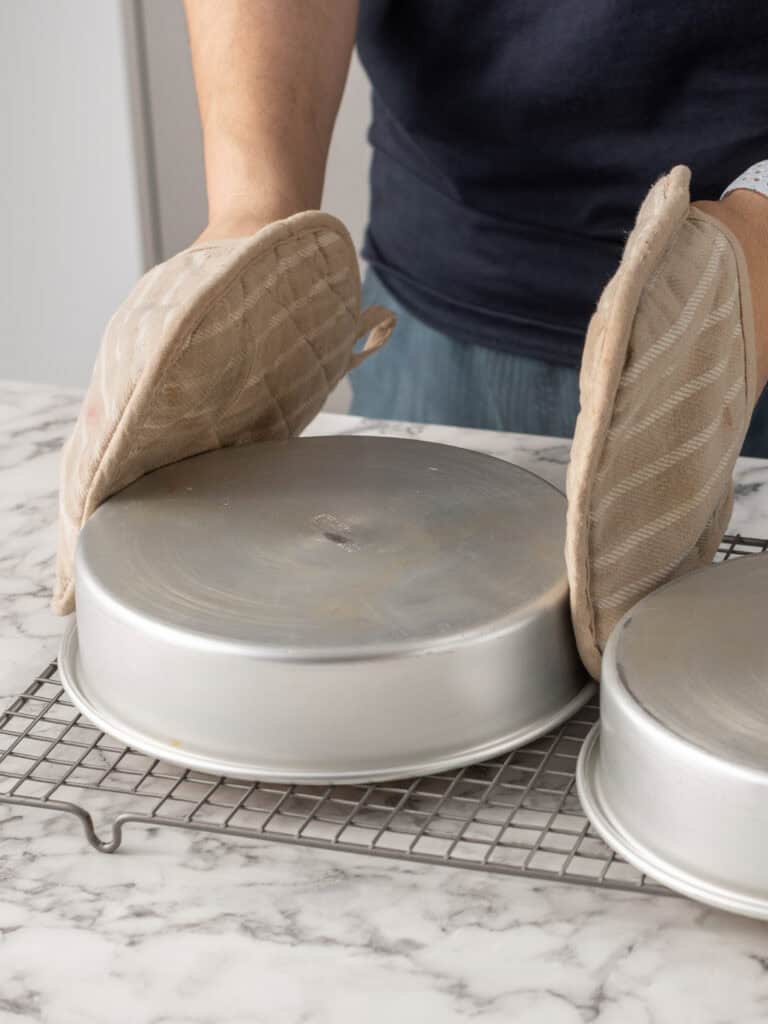
- The Cooling Process: Patience is the most important ingredient. The cake should be layered and left to set for at least four hours—ideally overnight—before any exterior decorating is attempted.
Conclusion
The pursuit of the perfect Continental Cake is a lesson in the marriage of art and science. Through trial, error, and meticulous documentation, Nick Makrides has provided a roadmap for what was once considered a culinary "holy grail." By focusing on the structural properties of the chiffon, the stabilization of the cream, and the precision of the custard-making process, any home baker can now produce a cake that holds its own against the best local bakeries.
Whether for a birthday, an anniversary, or simply an ambitious weekend project, this recipe serves as a reminder that the best results in the kitchen come from respecting the process. As the community continues to share their results, it is clear that the legacy of the Continental Cake will continue to thrive, not just in bakery windows, but on kitchen tables across the country.

 Ali Ikhwan