 Dwi Wanna
 Nana Wu
 Muslim
 Reynand Wu
 Ammar Sabilarrohman
 Nana Muazin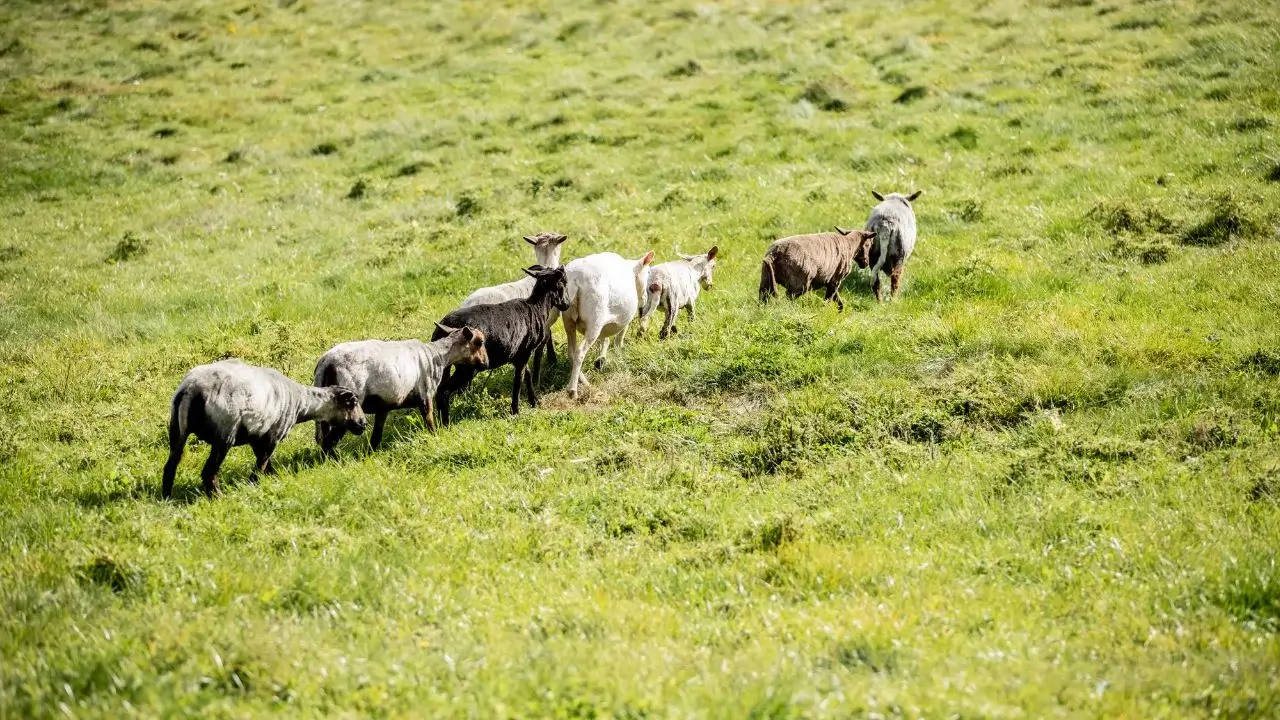
In the rolling, rugged landscape of Maine, a quiet revolution is taking root. At Casa Portal, a 100-acre farm that once struggled with the aftermath of historical logging and soil depletion, the path to regeneration is being paved by a flock of Navajo-Churro sheep. For owner and shepherd Melissa Schneider, the farm has become more than a place of production—it is a "portal," a space where the rhythm of the land is dictated not by industrial output, but by ecological partnership.
The Genesis of Casa Portal: A Shift in Pace
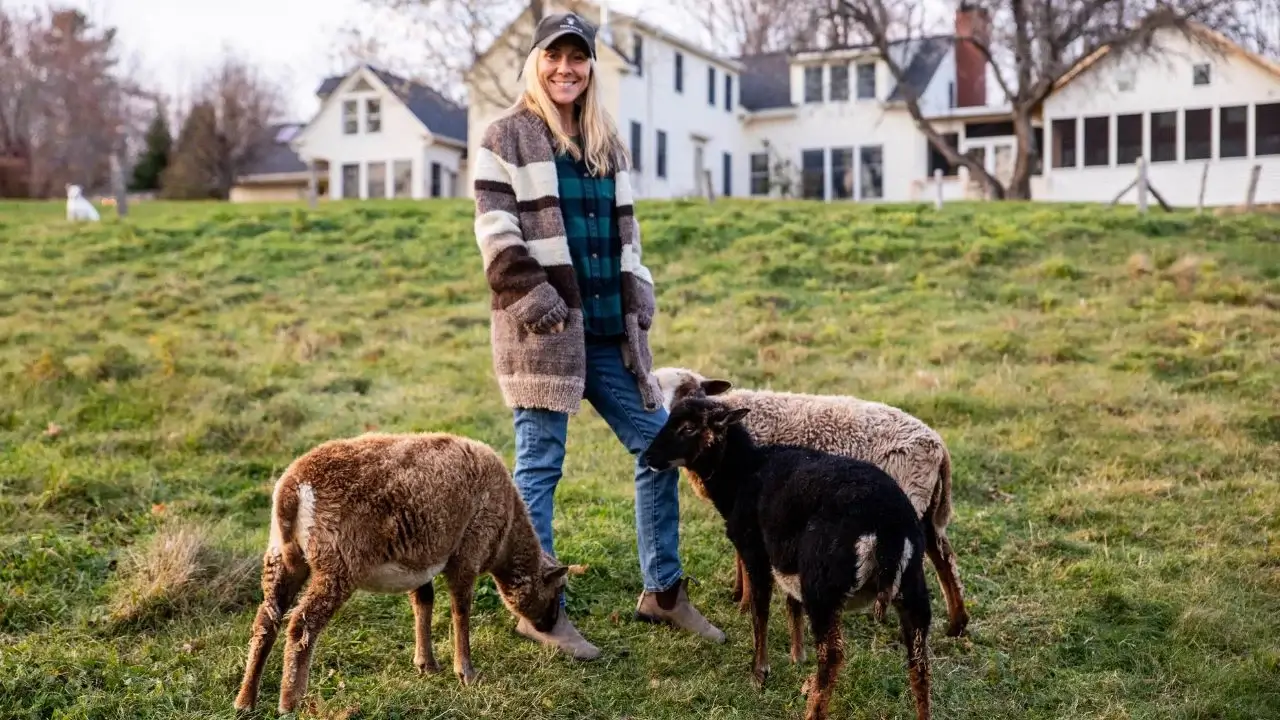
Melissa Schneider’s journey to the helm of Casa Portal did not follow a traditional agricultural trajectory. Formerly a resident of Los Angeles, Schneider traded the fast-paced, output-driven environment of city life for the tactile, slow-moving reality of Maine’s rural countryside.
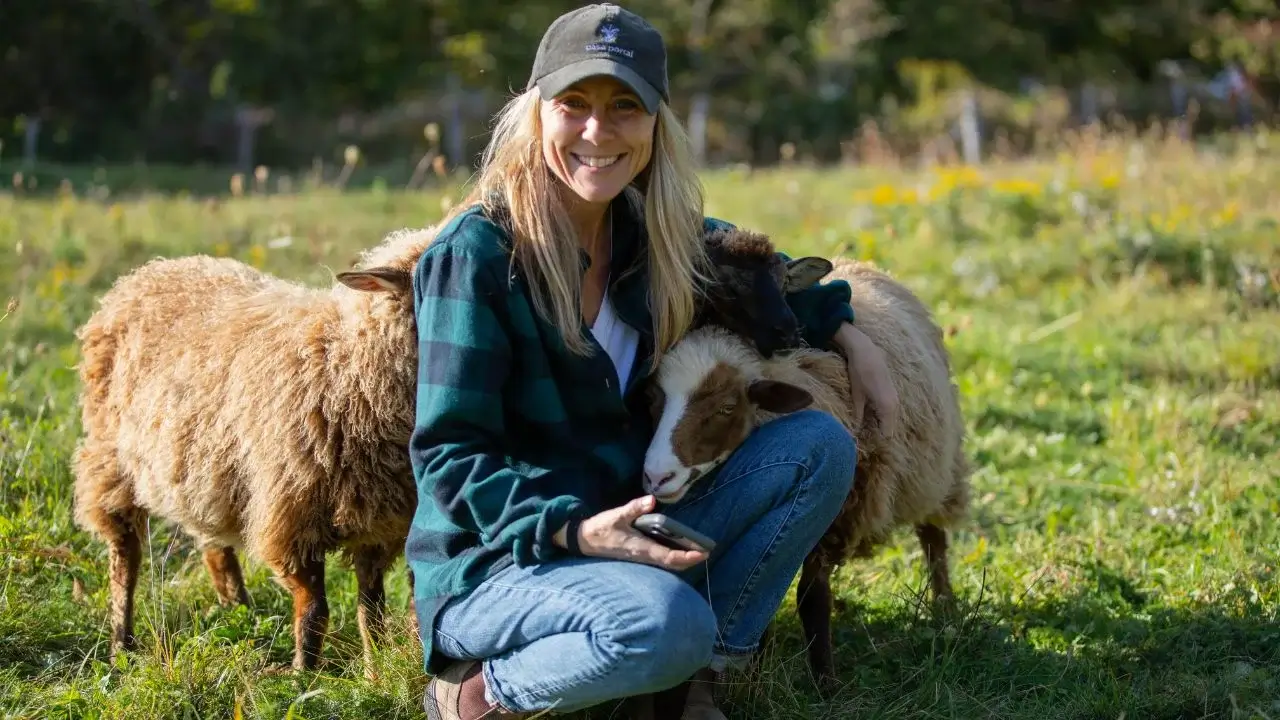
When she inherited the property—formerly known as Rolling Meadows Farm—she found a landscape that was already on a slow mend. Previous stewards had begun the difficult work of restoring soil health after decades of intensive logging. Schneider’s contribution was to step into this narrative of recovery, adopting the role of a shepherdess to a breed of sheep that possesses as much historical resilience as the land itself.
"I never set out to become a shepherd," Schneider admits. "But small-scale farming can be a quiet act of rebellion. It’s an opportunity to step into a life closer to the ground."
The Navajo-Churro: A Heritage of Survival
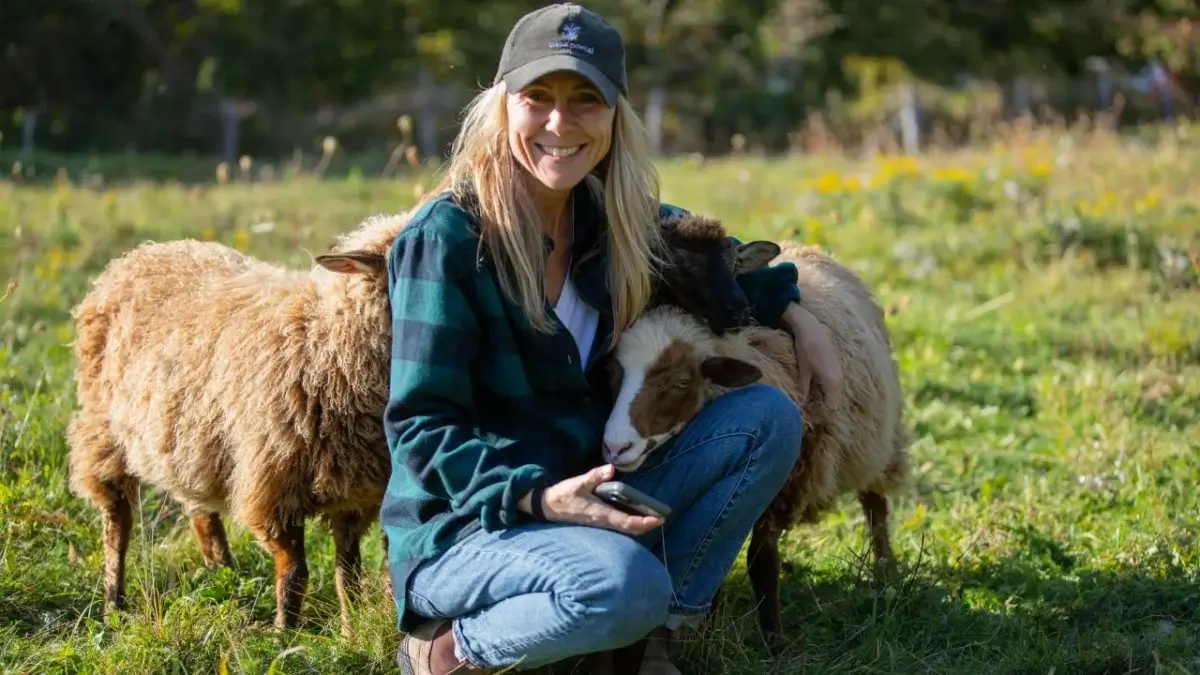
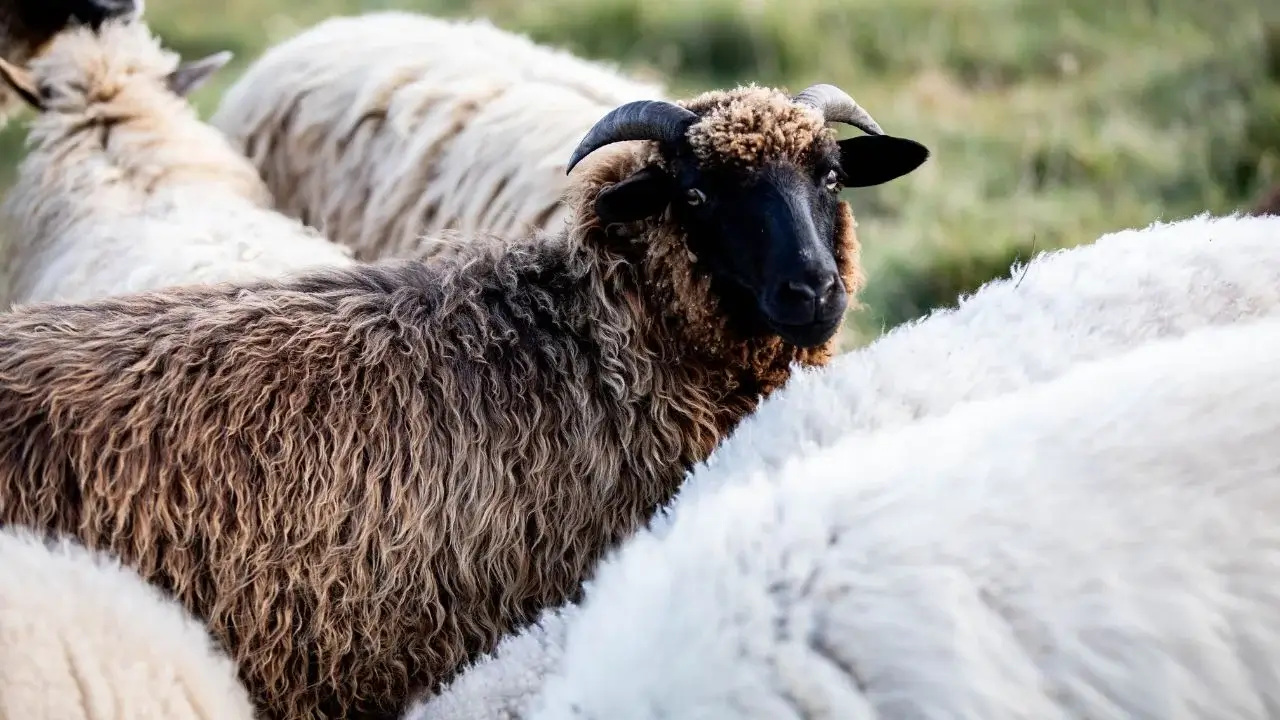
The heart of Casa Portal is its herd of Navajo-Churro sheep. This breed is not merely livestock; it is a living artifact of the American Southwest, historically stewarded by the Diné (Navajo) people. The breed’s history is fraught with tragedy, having faced near-extinction during the colonial expansion of the 19th and early 20th centuries. By the 1970s, only a few hundred remained.
The presence of these sheep in Maine is the result of a long-term, intentional preservation effort that began over two decades ago. A Navajo-Churro ram, discovered at a local Maine farmer’s market, served as the genetic anchor for the flock. Through careful, closed-herd breeding, previous shepherds and now Schneider have maintained the integrity of the breed, ensuring that its hardy, independent, and resilient traits remain intact.
Regenerative Dynamics: The Ecological Impact
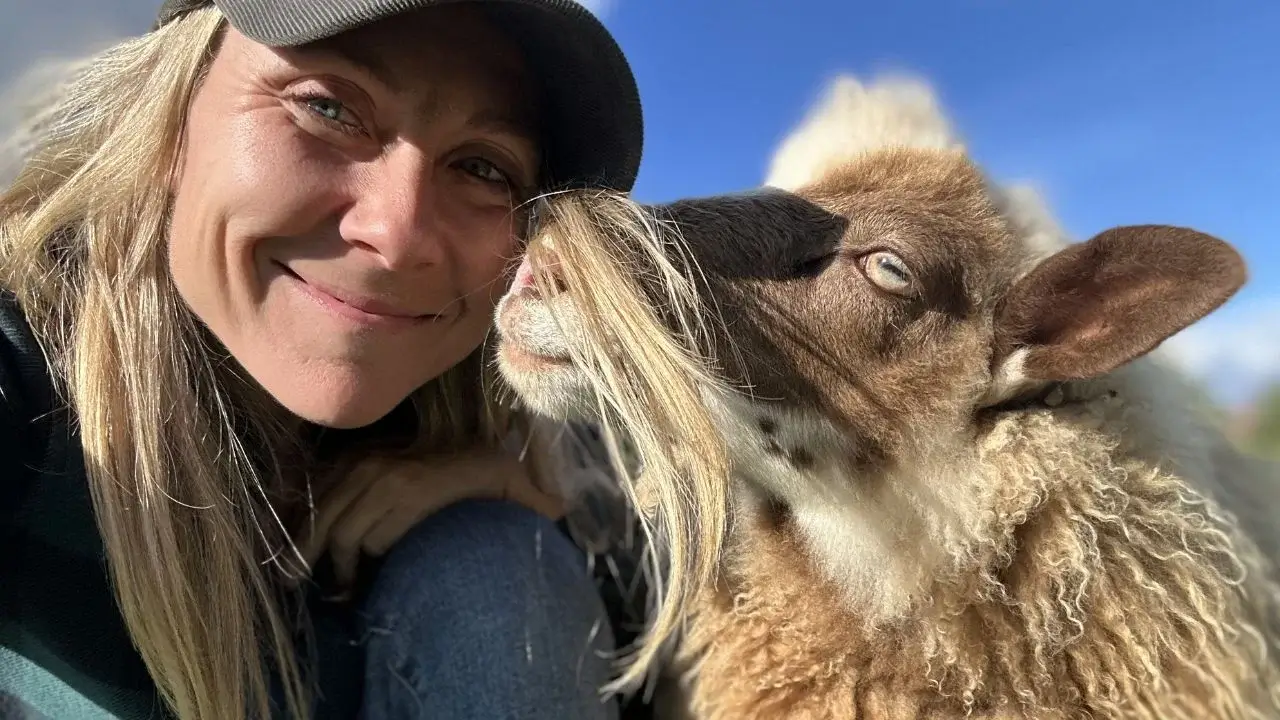
At Casa Portal, the sheep act as "landscape architects." Unlike industrial livestock management, which often views animals as units to be confined, Schneider employs a system that emphasizes freedom of movement and natural grazing patterns.
The Science of Rotational Grazing
The sheep are rotated through three primary pastures. This mimics the natural behavior of ruminants, which serves several critical ecological functions:
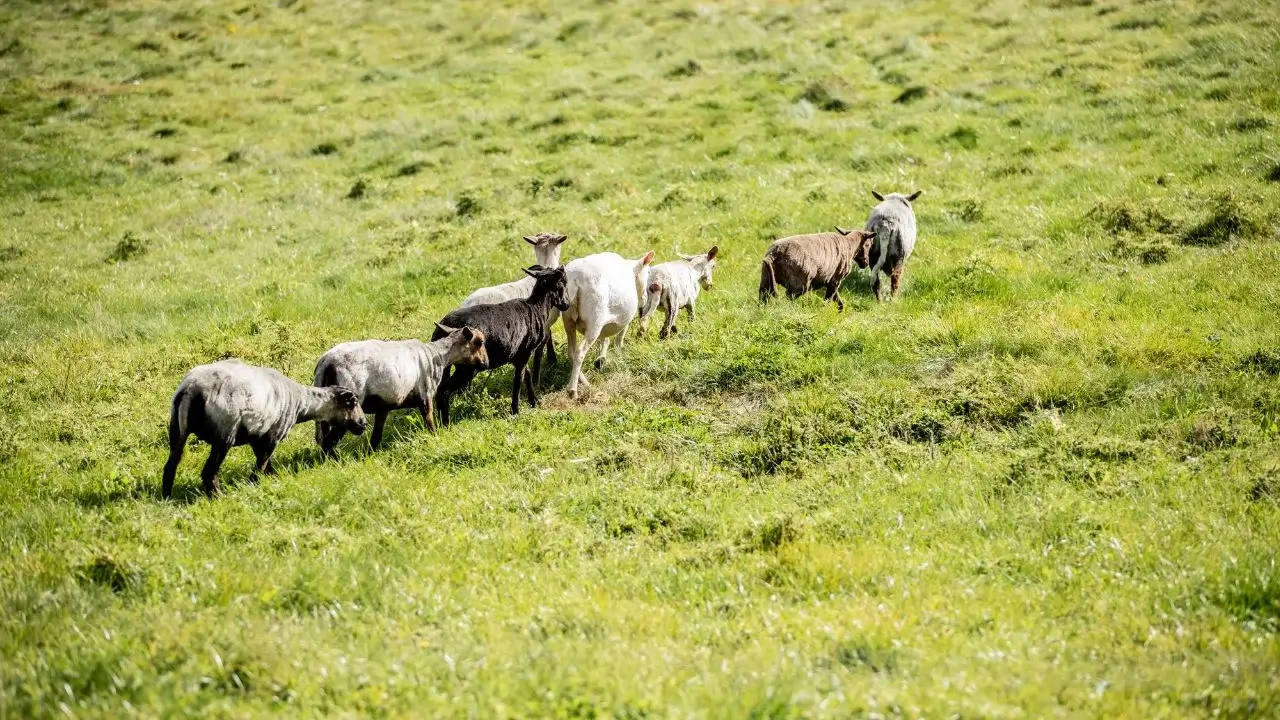
- Nutrient Cycling: As the sheep move, they naturally distribute manure, fertilizing the soil in a way that synthetic fertilizers cannot replicate.
- Seed Dispersal: The sheep’s fleece acts as a transport system, carrying native seeds across the property, which encourages botanical diversity.
- Soil Aeration: By pressing seeds into the soil and clearing brush, the sheep prepare the earth for new, healthy growth.
This approach is inherently "generative" rather than "extractive." Where extractive farming depletes the land to maximize immediate profit, regenerative farming—as practiced at Casa Portal—builds the land’s health layer by layer, year after year.
The Rise of the Female Shepherd
Schneider’s work coincides with a significant global shift in agriculture. With the United Nations designating 2026 as the "Year of the Female Farmer," the contributions of women to pastoralism are finally receiving long-overdue recognition.
Schneider views her role not as a departure from tradition, but as a continuation of it. "Shepherding is deeply relational," she notes. "It requires observation, patience, and a kind of embodied awareness. Historically, within Diné communities, the tending of these sheep was a role held by women, linking the care of the land directly to the creation of textiles. That matriarchal lineage of care is something I feel honored to continue."
She argues that the "feminine approach" to farming—which prioritizes ecosystem health over mechanical control—is essential for the future of global agriculture. As the climate becomes more volatile, the ability to read the land and respond to its subtle cues will be the most valuable skill a farmer can possess.
Bridging the Gap: Accessibility and Education
One of the most significant barriers for new farmers is the perceived difficulty of entering the industry. Schneider addresses this by emphasizing that while shepherding is hard work, it is also highly accessible if one is willing to prioritize observation over automation.
"There is no shortcut," Schneider says. "But there is a new, generous community of small-scale farmers online who are sharing their failures and successes in real-time. You don’t need to be an expert to start; you just need to be willing to pay attention."
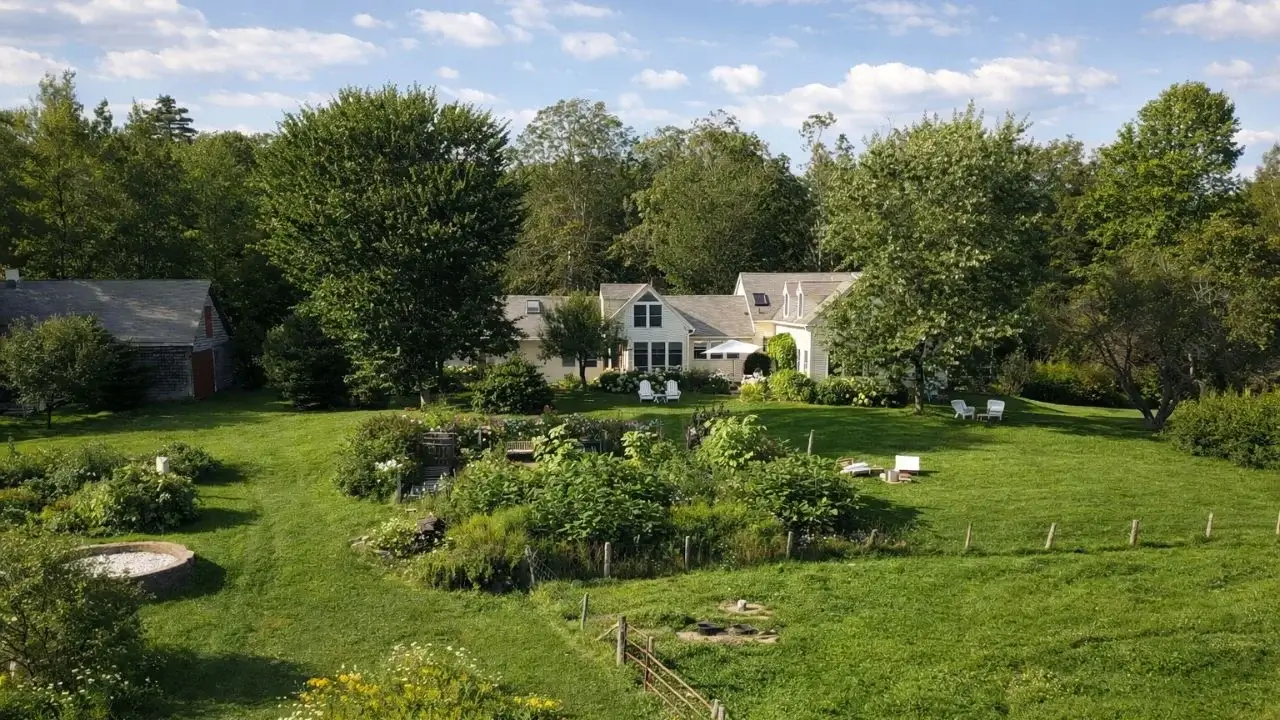
For those looking to support these efforts, Casa Portal provides a model for sustainable growth. By diversifying the farm’s offerings—from wool and textiles to educational retreats—Schneider ensures that the economic model of the farm remains as resilient as its ecological one.
Implications for the Future of Agriculture
The model established at Casa Portal serves as a case study for the broader regenerative movement. By focusing on heritage breeds that have been shaped by survival rather than industrial efficiency, small farms can create pockets of biodiversity that act as a hedge against climate change.
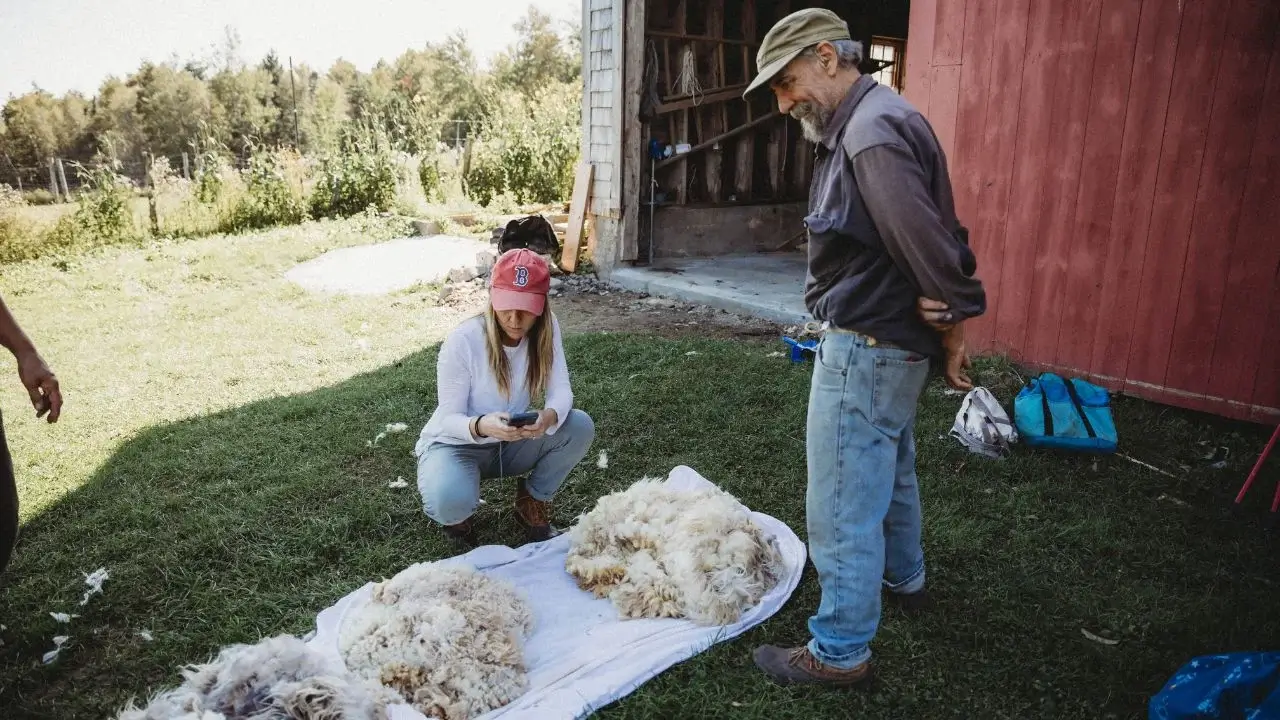
Key Implications:
- Preservation of Genetic Diversity: By maintaining pure lines of Navajo-Churro sheep, small farms act as living seed banks for animal genetics.
- Carbon Sequestration: Healthy, pasture-raised systems with diverse root structures are proven to sequester more carbon than conventional monocrop systems.
- Community Connection: Through retreats and hands-on workshops, the farm is re-educating the public on the connection between fiber, food, and the land.
Looking Ahead: A Future Built on Connection
The future of Casa Portal involves a deep commitment to "the full cycle." Schneider is currently renovating the farm’s barn into a space dedicated to fiber arts and educational workshops. This will allow visitors to engage with the entire lifecycle of the wool, from the pasture to the finished product.
"The farm is meant to be a shared experience," says Schneider. "We aren’t trying to escape the world; we are trying to re-enter a different relationship with it."
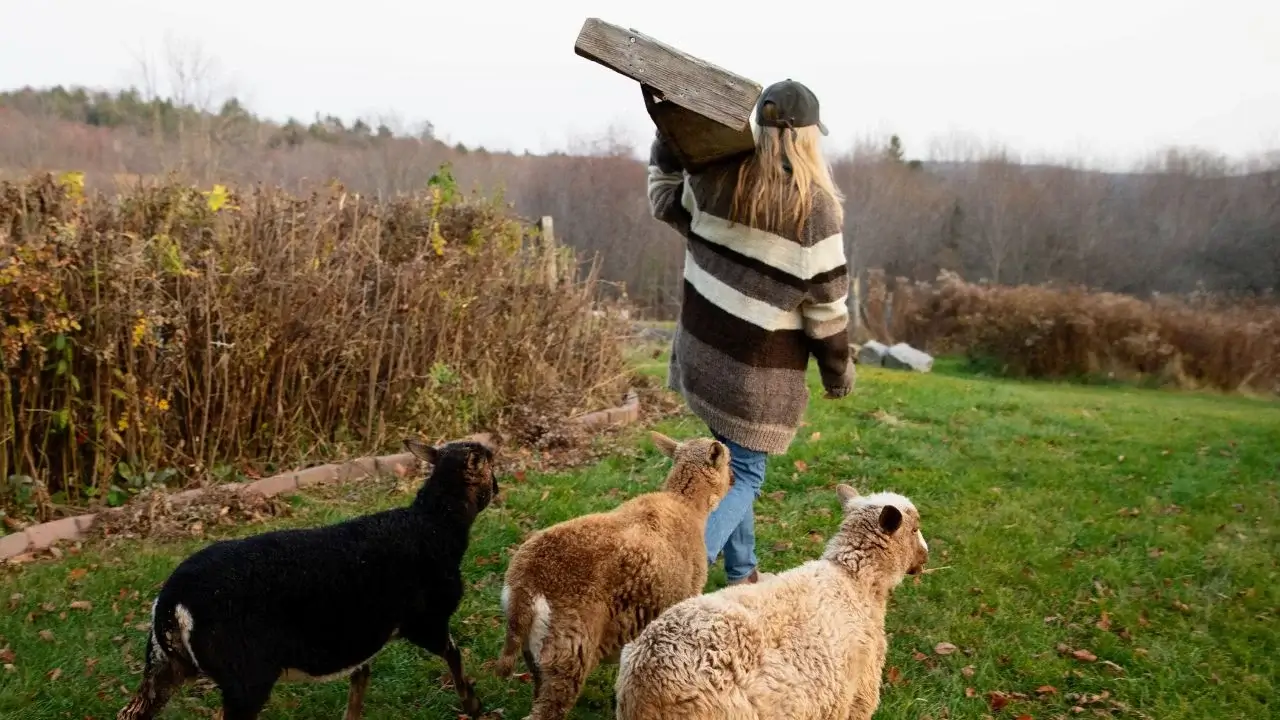
As Casa Portal continues to expand its pastures and refine its regenerative practices, it stands as a testament to the idea that the future of farming is not found in high-tech, high-input industrialization, but in the patient, observant, and relational work of the shepherd. In the quiet fields of Maine, the Navajo-Churro sheep are not just surviving; they are helping to rewrite the rules of what it means to live in harmony with the earth.
For those interested in the movement, the message is clear: whether you are a aspiring shepherd or a conscious consumer, there is a role for you in this emerging, generative economy. The portal is open; it is up to us to step through.

 Sagoh
Sagoh