

 Dwi Wanna
 Nana Wu
 Muslim
 Reynand Wu
 Ammar Sabilarrohman
For centuries, the medical community has operated under the shadow of a reactive paradigm: identify a symptom, prescribe a pharmaceutical, and manage the chronic progression of disease. However, a transformative movement is currently gaining momentum, one that bridges the gap between agricultural science and clinical practice. Regenerative healthcare—a philosophy that posits human vitality is inextricably linked to the vitality of the soil—is shifting the focus of modern medicine from symptom management to the fundamental replenishment of human health through nutrient-dense, regeneratively grown food.
The State of Modern Health: A Crisis of Quality
To understand why leading healthcare practitioners are now writing "prescriptions for produce," one must first acknowledge the current state of public health. The United States is facing a dual crisis: a surge in lifestyle-related chronic diseases and a profound degradation in the quality of the food supply.
The Diagnostic Reality
According to data from the Centers for Disease Control and Prevention (CDC), approximately 40 percent of American adults now meet the clinical criteria for obesity. This is not merely an aesthetic or singular health issue; obesity serves as a foundational risk factor for a cascade of life-threatening conditions, including type 2 diabetes, cardiovascular disease, and metabolic syndrome.
Paradoxically, this crisis is not solely a result of food abundance, but of food quality. Vulnerable populations, particularly those experiencing food insecurity, are statistically at higher risk of obesity. This "hunger-obesity paradox" is driven by the prevalence of ultra-processed foods—items engineered from corn, soy, and wheat derivatives that provide high caloric density but near-zero nutritional value. These products, which constitute over 50 percent of the average American’s daily caloric intake, represent the industrialization of the human diet.
The Cost of Ultra-Processing
The consequences of this dietary shift are quantifiable and tragic. A seminal study published in the American Journal of Preventive Medicine in April 2025 estimated that the consumption of ultra-processed foods is responsible for approximately 124,000 premature deaths in the United States annually.
Dr. Meagan Grega, a Pennsylvania-based physician board-certified in lifestyle medicine and a frequent contributor to the Rodale Institute’s Regenerative Healthcare Conference, notes that the impact is twofold. "Ultra-processed foods increase our risk of morbidity and mortality through two distinct mechanisms: the direct, adverse impact of the processed ingredients themselves, and the ‘crowding out’ effect—the loss of essential benefits from nutritious, whole foods that are displaced in the diet."
Chronology of Decline: The Nutrient Gap
The decline of human health has tracked closely with the evolution of industrial agriculture. Between 1950 and 1999, the focus of global agriculture shifted toward high-yield, commodity-driven models. An analysis of USDA nutrient data for 43 common crops—primarily vegetables—revealed a systemic decline in essential micronutrients, including protein, calcium, iron, riboflavin, and vitamin C.
While agricultural productivity in terms of volume doubled, the biological integrity of the harvest plummeted. The industry prioritized the "how much" over the "what is in it," leading to a generation of crops that look like their predecessors but carry significantly lower nutrient profiles. This is the "hidden hunger" of the modern era: a population that is caloric-rich but nutrient-starved.
Supporting Data: The Case for Organic Integrity
The shift toward regenerative healthcare is supported by a growing body of longitudinal research suggesting that how we farm directly influences how we heal.
The Organic Advantage
Research consistently demonstrates that organic farming methods—which prioritize soil health, microbial diversity, and the elimination of synthetic chemicals—yield produce with higher concentrations of vital phytonutrients. A decade-long study conducted at the University of California, Davis, provided compelling evidence: organically grown tomatoes were found to have significantly higher concentrations of flavonoids, the bioactive compounds linked to anticancer properties, compared to their conventionally grown counterparts.
The "Optimal Diet" Dividend
The potential for disease reversal is staggering when we look at lifestyle as an intervention. Drawing on the 2019 Global Burden of Disease study, Dr. Grega highlights the power of an "optimal diet." By replacing processed grains, red meats, and sugar-sweetened beverages with whole grains, legumes, fish, nuts, and fresh produce, the potential for life extension is immense. For a 20-year-old, adopting an optimal diet could translate to an additional 10.7 to 13 years of life expectancy. Even at age 60, the shift offers an estimated eight-year gain—a testament to the body’s resilience when provided with proper fuel.
Institutional Interventions: The Rodale Model
The Rodale Institute is at the forefront of translating these findings into clinical practice. Through their "Vegetable Systems Trial," researchers are actively mapping the connection between soil management and the biochemical density of food. However, the Institute’s most radical innovation is its direct integration into healthcare infrastructure.
Building the Bridge
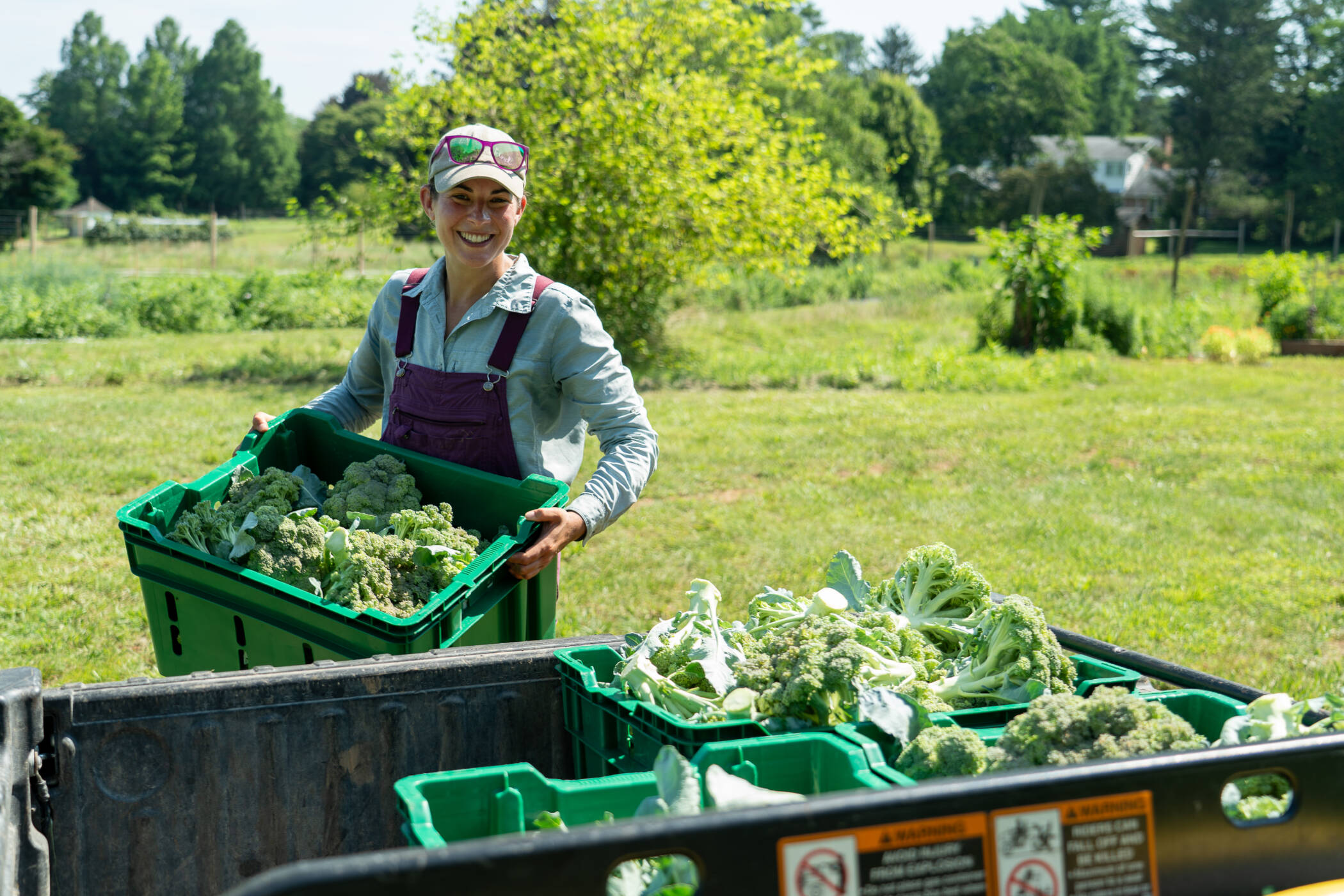
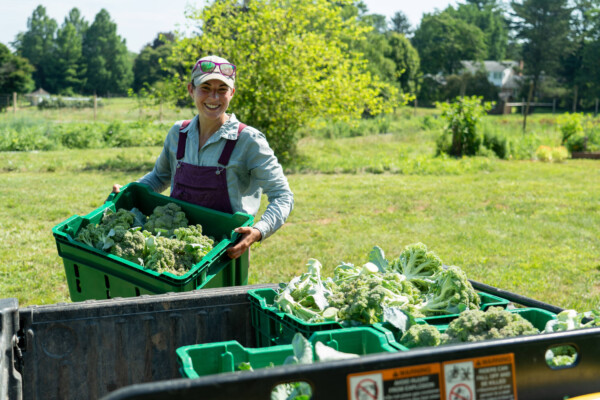
Since 2014, the St. Luke’s–Rodale Institute Organic Farm has been providing fresh, certified organic produce directly to the patients and staff of the St. Luke’s University Health Network in Easton, Pennsylvania. This model treats the hospital campus as a hub for wellness, ensuring that the food served to recovering patients is not just "sustenance" but active, nutrient-dense medicine.
The movement expanded in 2023 with the Cornwall Manor–Rodale Institute Trailside Organic Farm, which produced over 9,000 pounds of fresh food for a retirement community in its first full season. Furthermore, the 2025 launch of the Phoebe Ministries partnership at the Founders Farm in Allentown demonstrates that this model is scalable. By placing organic farms directly on or adjacent to medical and senior care facilities, institutions are shortening the supply chain to near-zero, ensuring that the most vulnerable populations have access to the highest quality nourishment.
Implications for the Future of Medicine
The implications of regenerative healthcare extend far beyond the garden gate. The core philosophy—"Let food be thy medicine"—is no longer an ancient proverb; it is a clinical roadmap.
Redefining the Role of the Practitioner
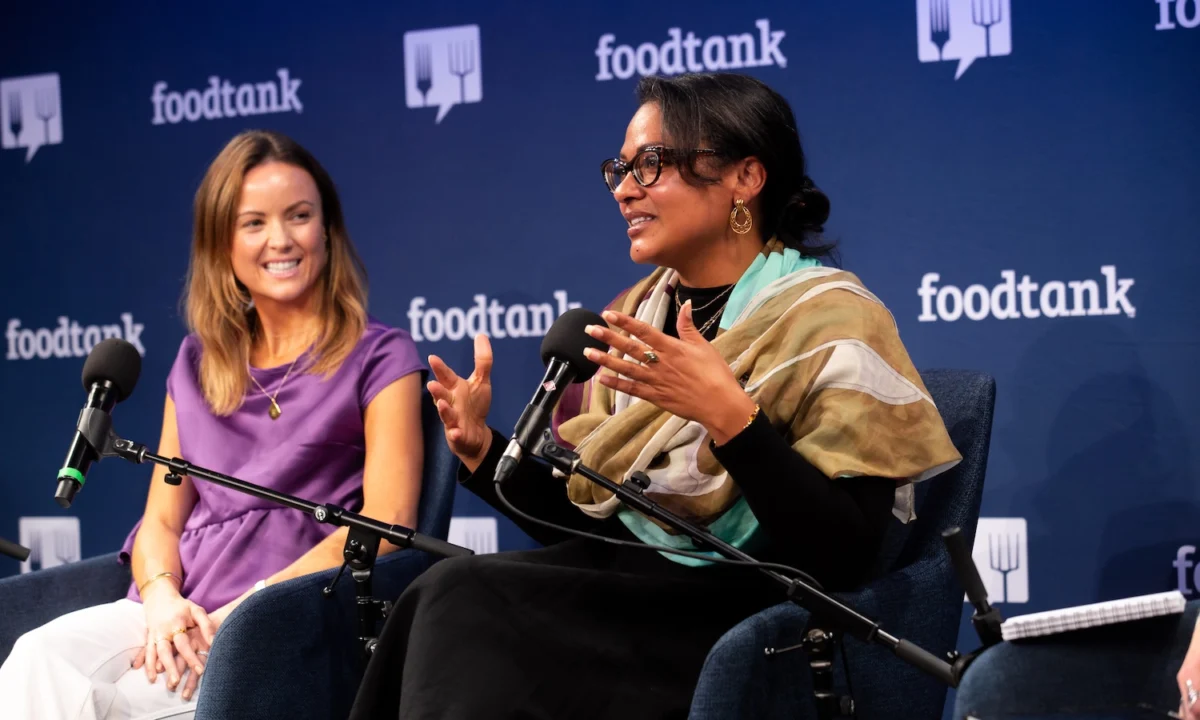
For physicians, the adoption of regenerative healthcare means expanding the scope of the prescription pad. It requires a shift toward "prescriptive agriculture," where doctors partner with farmers to treat chronic illness. The Rodale Institute’s annual Regenerative Healthcare Conference has become a vital nexus for this change, bringing together medical doctors, researchers, and land stewards to build a collaborative future.
Systemic Change
The goal is to create a closed-loop system where human health is supported by the health of the planet. When we regenerate the soil, we sequester carbon, restore water cycles, and increase biodiversity. When we eat the food from that soil, we reduce the burden of inflammation, diabetes, and cardiovascular disease on our bodies.
As noted in the 2020 report, The Power of the Plate, "Regenerative healthcare harnesses the power of nutritious food and lifestyle to suspend, reverse, and prevent disease." This is not a return to the past, but a necessary evolution of the future. By moving toward an organic, whole-foods, plant-forward diet that begins on farms working in harmony with nature, we are not just choosing better food—we are choosing to regenerate life itself.
The path forward is clear: to heal ourselves, we must first heal the ground that feeds us. The medical revolution of the 21st century will not be found in a lab-grown synthetic pill, but in the dark, living, nutrient-rich soil of a regenerative farm.

 Sagoh
Sagoh