 Laily UPN

 Suro Senen

 Muslim

 Raul Delapena Setiawan
 Layla Zulfa
 Neng Nana
By Brodie Crouch
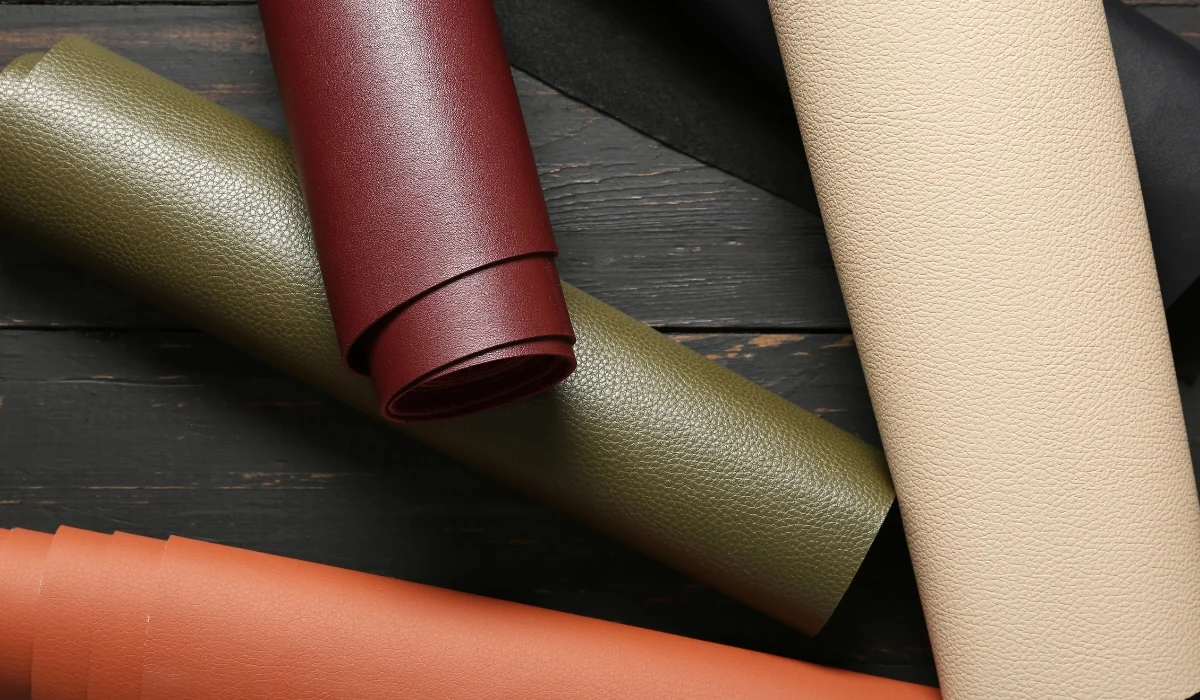
Not long ago, leather was a ubiquitous component of British life—the sturdy foundation of our footwear, the comfort of our living rooms, and the hallmark of our luxury exports. However, the rise of low-cost synthetic alternatives and the rapid globalization of textile manufacturing quietly dismantled the domestic industry. As demand plummeted, the tanneries that once defined regional economies shuttered, and the skilled labor force that fueled them dissipated. Today, we are left with a sobering reality: thousands of hides from UK cattle are treated as mere waste, destined for shredders, biodigesters, or, most tragically, landfill.
But the tide is beginning to turn. In an unlikely intersection of high-fashion ambition and agricultural conservation, a movement is afoot to reclaim British leather. From luxury houses like Mulberry to small-scale farmers in Wiltshire, a radical rethink of the supply chain is underway. Is this a nostalgic revival, or a necessary evolution toward a more resilient, sustainable future?
The Anatomy of Decline: Why the UK Lost Its Tannery Trade
The decline of the British leather industry was not an overnight catastrophe but a slow erosion. As manufacturing migrated to markets with lower labor costs and fewer environmental regulations, the infrastructure supporting domestic leather production withered.
The repercussions of this collapse extend far beyond the fashion industry. The leather trade is an essential partner to the UK’s abattoir sector—a vital, yet currently beleaguered, component of our national food security. Local abattoirs are the linchpins of a circular agricultural economy; without them, livestock must travel vast distances to slaughter, increasing stress on the animals and stripping local farmers of their ability to maintain the provenance of their meat. When we lose the ability to process hides, we lose a crucial economic incentive to maintain these local slaughterhouses. The result is a fractured food system that relies on long, opaque, and carbon-heavy supply chains.
Chronology: From Industrial Dominance to Niche Renaissance
- Mid-20th Century: The "Golden Age" of British leather, where almost every region boasted a local tannery and a robust, localized leather trade.
- 1990s–2010s: The shift to synthetic materials and "fast fashion" drives prices down. Industrial-scale tanneries in the UK struggle to compete with global, high-volume, low-cost production.
- 2020: Growing public awareness regarding the environmental impact of synthetic "vegan" leathers (often plastic-based) and the transparency of meat production begins to shift consumer sentiment.
- 2024–2025: Pioneers like British Pasture Leather (BPL) and independent farmers begin formalizing short-circuit supply chains, proving that small-scale, artisanal tanning can be commercially viable.
- 2026: High-end partnerships, most notably between BPL and Mulberry, hit the market, signaling that luxury brands are now actively investing in the traceability and ethics of British-sourced hides.
Supporting Data: The Sustainability Paradox
The debate surrounding leather is often polarized. Critics point to a 2026 study published in ACS Sustainable Chemistry and Engineering, which highlights that the global average carbon footprint for one kilogram of finished bovine leather can be twelve times higher than that of certain synthetic, vegan alternatives. These figures, however, often mask the complexity of the supply chain.
When comparing industrial, chromium-tanned leather linked to deforestation and poor animal welfare with regenerative, vegetable-tanned British leather, the metrics shift dramatically.
The Case for "Pasture-Based" Production
If we consider the full life cycle, a "waste-to-wealth" model changes the calculus. By utilizing hides that would otherwise be discarded, we are essentially reclaiming a byproduct of an existing food system. When these hides come from cattle raised on species-rich, biodiverse grasslands—which sequester carbon and support soil health—the environmental impact is transformed.
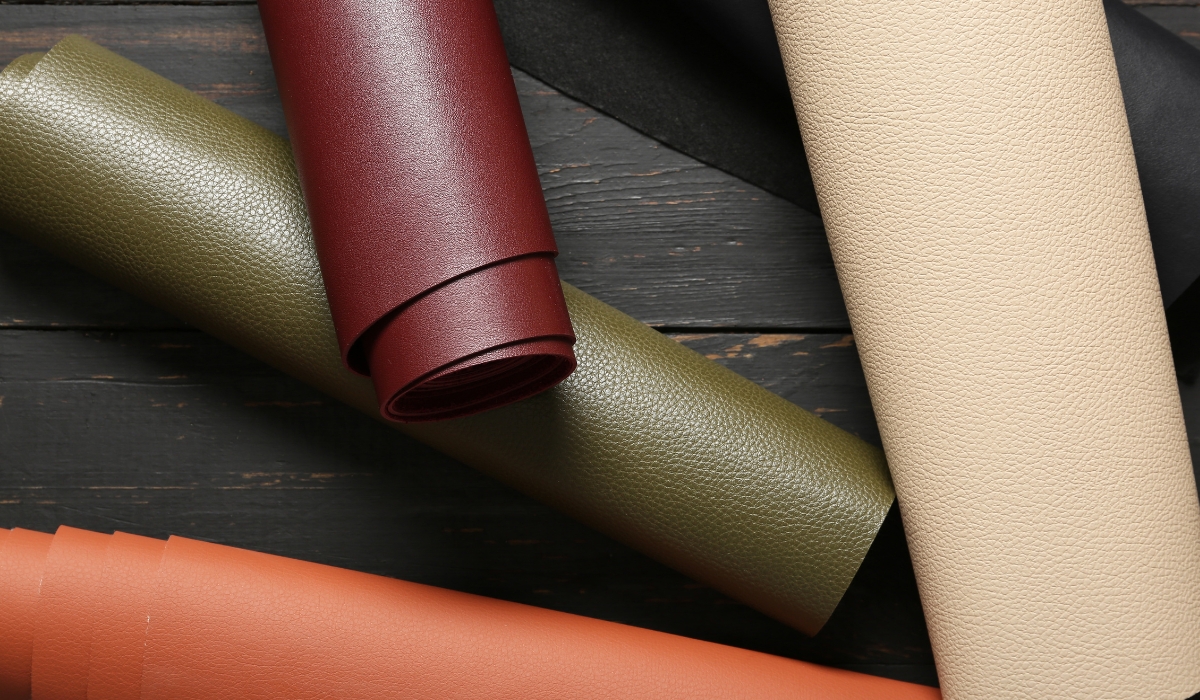
Unlike the conventional chromium-tanning process, which relies on heavy metals and toxic chemical baths, traditional vegetable tanning utilizes tannins derived from natural sources, such as tree bark. While this process takes months rather than days, it avoids the environmental devastation associated with chromium mining and wastewater pollution.
Official Responses and Industry Shifts
The industry is currently caught between two worlds: the high-volume, cost-optimized global market and the emerging "craft-first" local model.
"The goal is not to replace industrial leather overnight," explains an industry consultant specializing in supply chain transparency. "The goal is to prove that a regenerative, traceable alternative exists."
Luxury brands, facing increasing pressure from investors and consumers to justify their sustainability claims, are leaning into this narrative. Mulberry’s recent partnership is a case in point. By working with BPL, the brand is attempting to integrate a "farm-to-product" model where the animal’s welfare, the pasture quality, and the final leather product are tracked and verified. This level of granular detail was unthinkable a decade ago, but it is becoming a prerequisite for the modern, conscious consumer.
Implications: Building Resilience in the Food and Fashion System
The revival of British leather is not merely about handbags or shoes; it is about building a more resilient, localized economy. There are three key implications for the future:
1. Strengthening the Food Chain
By creating a secondary market for hides, farmers gain an additional income stream for their livestock. This additional revenue supports the economic viability of local abattoirs, which in turn keeps the local meat supply chain intact. It is a symbiotic relationship: better farm management leads to better meat and higher-quality hides.
2. The Power of Provenance
We are entering an era of "radical transparency." Using frameworks like the Global Farm Metric, consumers will soon be able to look at a leather product and understand the specific environmental outcomes of the farm where the animal was raised. This data-driven approach removes the ambiguity that has historically plagued the leather industry, allowing for a premium price point that reflects the true cost of high-welfare, low-impact production.
3. Decoupling from Toxic Practices
The shift back to traditional vegetable tanning is a massive victory for ecological health. By decoupling our leather consumption from the problematic, chemical-heavy industrial processes that dominate the global market, Britain has the opportunity to lead in a new category of "responsible luxury."
Conclusion: An Impossible Dream?
Is the revival of the British leather industry an impossible dream? Not according to the farmers and artisans currently hard at work in workshops from Somerset to Wiltshire.
The path forward requires a fundamental shift in how we perceive "waste." When we view a hide as a valuable, traceable resource rather than a disposal problem, the entire economic model changes. It requires the buying public to accept that a truly sustainable product carries a higher price tag—a cost that reflects fair wages for skilled tanners, higher welfare standards for livestock, and a lower burden on the planet.
As we look toward the future, the British leather story serves as a microcosm for a broader transition: moving away from the era of "cheap and fast" and toward a model of "valuable and permanent." Whether this movement can scale enough to satisfy global demand remains to be seen. However, as luxury houses and independent makers continue to prove, the infrastructure for a more sustainable, dignified fashion system is already here, waiting to be woven back into the fabric of the British landscape.
For those interested in exploring the potential of this sector further, initiatives like the Global Farm Metric offer the tools to verify the sustainability of our future supply chains. To support the movement firsthand, you can visit British Pasture Leather to see how tradition and innovation are meeting in the modern tannery.

 Pevita Pearce
 Nila Kartika Wati