

 Nana Wu

 Dwi Wanna

 Suro Senen

 Evan Lee Salim

 Nana Muazin
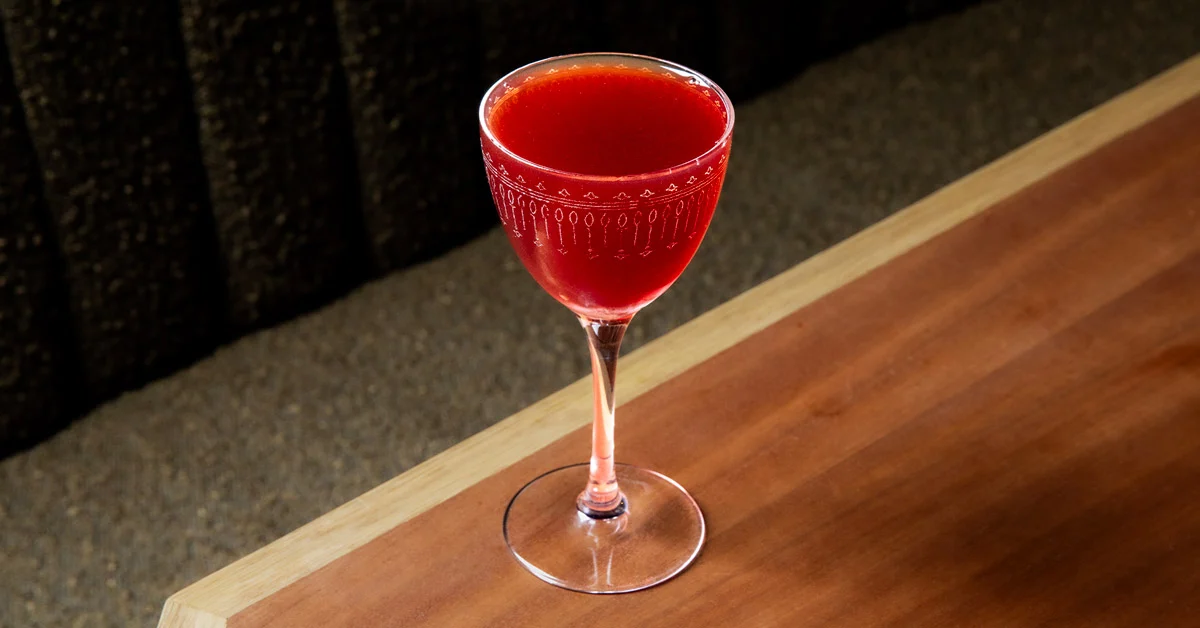
As the sweltering heat of late summer relents and the first crisp hints of autumn begin to color the air, the collective palate of the cocktail enthusiast undergoes a distinct transformation. The transition is subtle but unmistakable: high-ball glasses are swapped for heavy-bottomed tumblers, the bright citrus of summer gives way to the warming depth of barrel-aged spirits, and the demand for sophisticated, nuanced profiles hits an annual high.
In September, we observed a definitive shift in the drinking habits of our readers. The season’s spirit is defined by the woody, grounding notes of rye whiskey, the subtle sweetness of maple syrup, and an almost obsessive interest in the herbal complexity of yellow Chartreuse. From the revival of forgotten 1930s classics to the creation of avant-garde cocktails that mimic the atmospheric scent of a rainy day, September’s most popular drinks offer a roadmap for the changing seasons.
The Seasonal Transition: From Refreshment to Reflection
How do we define the arrival of fall in the world of mixology? It is a sensory experience. It is the rhythmic sound of rye whiskey meeting the mixing glass and the golden pour of maple syrup into a jigger. It is the rise of the "stiff" Martini—a category that sees a significant surge in popularity as the weather cools—and a palpable excitement among home bartenders searching for the elusive, honeyed, floral notes of yellow Chartreuse.
This month, our data reveals that drinkers are leaning into "atmospheric" cocktails. There is a growing desire for drinks that tell a story, whether that story is rooted in the history of a 1930s speakeasy or the modern, olfactory experience of a walk through a damp forest. Below, we explore the four cocktails that dominated our readers’ interest in September, examining their origins, their profiles, and why they struck such a resonant chord this month.
1. The Between the Sheets: A Forgotten Icon Reclaimed
The "Between the Sheets" is a classic rum-and-brandy sour that traces its lineage back to the 1930s. Long a staple for cocktail historians and revivalists, it had, until recently, slipped into a quiet obscurity. However, September saw a massive resurgence in interest, largely driven by the meticulous work of Ryan Gannon at Lonnie’s in Brooklyn.
The Evolution of a Classic
Gannon has spent two decades refining his spec for this drink. It is a testament to the fact that even the most well-known classics can benefit from a modern lens. By carefully selecting contemporary spirits that honor the original intent of the recipe while elevating the mouthfeel and complexity, Gannon has turned a relic of the past into a cornerstone of the modern Brooklyn bar scene. For the home bartender, the Between the Sheets serves as a masterclass in balance—proving that when you treat the foundation of a drink with respect, the result is timeless.
2. The Don Lockwood: An Ethos of Precision
If you want to understand the soul of a cocktail bar, look at their house favorites. At Dutch Kills in Queens, New York, that drink is the Don Lockwood. Richard Boccato, the proprietor, notes that the drink has been in constant rotation since the bar first opened its doors 16 years ago. It is, in his words, the quintessential "Dutch Kills" cocktail.
Anatomy of an Old-Fashioned Variation
The Don Lockwood is a sophisticated riff on the classic Old-Fashioned. It marries the robust, corn-heavy backbone of bourbon with the peaty, cerebral depth of Scotch. It is sweetened not with sugar, but with the earthier, darker profile of maple syrup, and finished with a dash of chocolate bitters.
The secret, however, lies in the delivery. Served over Dutch Kills’ signature crystal-clear block ice, the drink undergoes a controlled dilution that allows the layers of flavor to unfold slowly. It is a drink designed for slow sipping, perfectly suited to the cooling temperatures of September.
3. The Puritan: The Martini’s Herbal Counterpart
For those who prefer the sharp, crystalline structure of a Martini but crave something more evocative than a standard gin-and-vermouth pour, the Puritan has emerged as the definitive choice. This turn-of-the-century classic—a blend of gin, French vermouth, yellow Chartreuse, and orange bitters—offers a complexity that the standard Martini often lacks.
A Transcontinental Journey
Will Thompson, a veteran of Boston’s famed bar Drink, has brought the Puritan to the forefront of his menu at Sunny’s in Miami. Its popularity speaks to a broader trend: the "Martini variation" boom. While the Alaska cocktail is often cited as the Puritan’s more aggressive sibling, the Puritan maintains a delicate, understated grace. The yellow Chartreuse provides a honeyed, herbal backbone that lingers on the palate, making it a perfect transition drink for those moving from the crispness of summer into the richer, spice-forward flavors of autumn.
4. Petrichor: Capturing the Atmosphere
Perhaps the most intriguing development in recent mixology is the attempt to capture intangible sensations in a glass. Nikki Irvine, recognized as one of the Best New Bartenders of 2026, did exactly this with the "Petrichor."
From Inspiration to Validation
The cocktail was born on a walk to work following a rainstorm. Irvine sought to replicate the smell of wet earth—the literal definition of petrichor—in a drink. By combining a woodsy gin with herbal génépy and amaro, adding a touch of rosemary for savory depth, and finishing with a literal mist of absinthe, the drink succeeds in creating a liquid landscape.
For Irvine, this cocktail represented a turning point in their career, marking a moment of validation in their ability to balance disparate, challenging ingredients. It is a drink that resonates with the current consumer desire for experiential consumption—drinking not just for flavor, but for a sense of place.
Data and Trends: Why These Drinks Now?
The data collected throughout September suggests a departure from the "anything goes" attitude of summer. We are seeing a move toward higher-proof spirits and ingredients that carry historical weight.
- The Rise of Herbal Liqueurs: Searches for yellow Chartreuse and its substitutes have hit a record high. This points to a consumer base that is becoming more educated about the role of modifiers in balancing a drink.
- The "Slow Drink" Phenomenon: Drinks like the Don Lockwood, which rely on large, clear ice, indicate a preference for cocktails that are meant to be consumed over 20 to 30 minutes, prioritizing the evolution of flavor over rapid refreshment.
- Regional Influence: The concentration of interest in New York and Miami-based recipes suggests that these metropolitan hubs continue to dictate the national "cocktail mood."
Implications for the Home Bartender
What do these trends mean for the enthusiast at home? The primary takeaway is that the home bar is no longer just a place to make simple mixes; it is an extension of the professional cocktail lab.
- Prioritize Quality Modifiers: Whether it’s the specific brand of vermouth or the inclusion of high-quality bitters, the difference between a "good" drink and a "great" drink is increasingly found in the supporting cast.
- Understand the Temperature: As we move into autumn, consider the temperature of your glassware and the quality of your ice. As seen with the Don Lockwood, the physical preparation of the drink is just as important as the recipe itself.
- Embrace the Narrative: Don’t just make a drink; choose a drink that fits the mood. The success of the Petrichor proves that cocktails that tell a story—whether about the weather, a specific history, or a personal experience—are the ones that stick with us.
Looking Ahead: The October Outlook
As we close the book on September, the trajectory is clear. The cocktail world is moving toward a season of warmth, complexity, and historical appreciation. We expect to see continued interest in rye-based cocktails, a sustained fascination with herbal modifiers, and a growing number of "modern classics" that draw inspiration from the archives of the early 20th century.
Whether you are shaking up a Between the Sheets to revisit a forgotten era, or stirring a Puritan to toast the arrival of a new season, remember that the best cocktail is one that bridges the gap between the past and the present. Keep your jiggers precise, your ice cold, and your spirit adventurous. The best of the season is yet to come.

 Basiran

