

 Raul Delapena Setiawan
 Ammar Sabilarrohman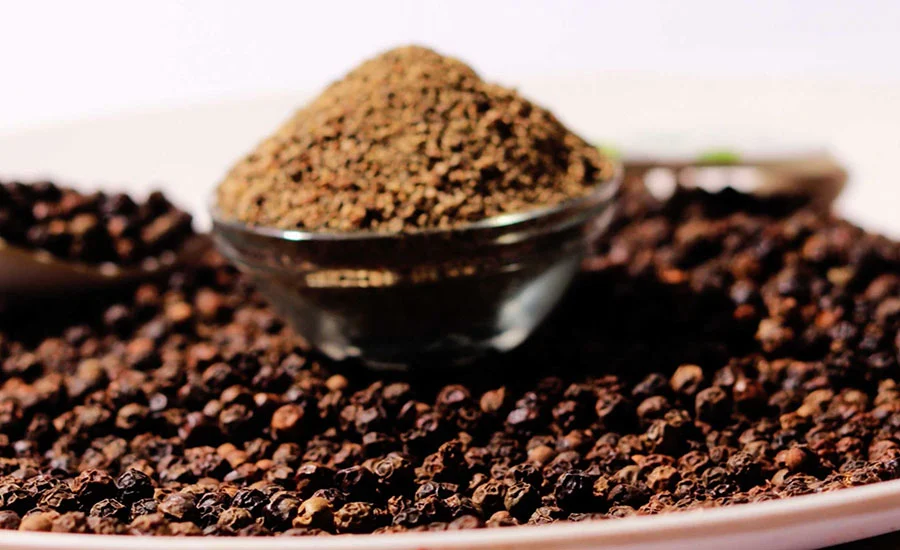
 Lina Irawan
 Suro Senen
 Ali Ikhwan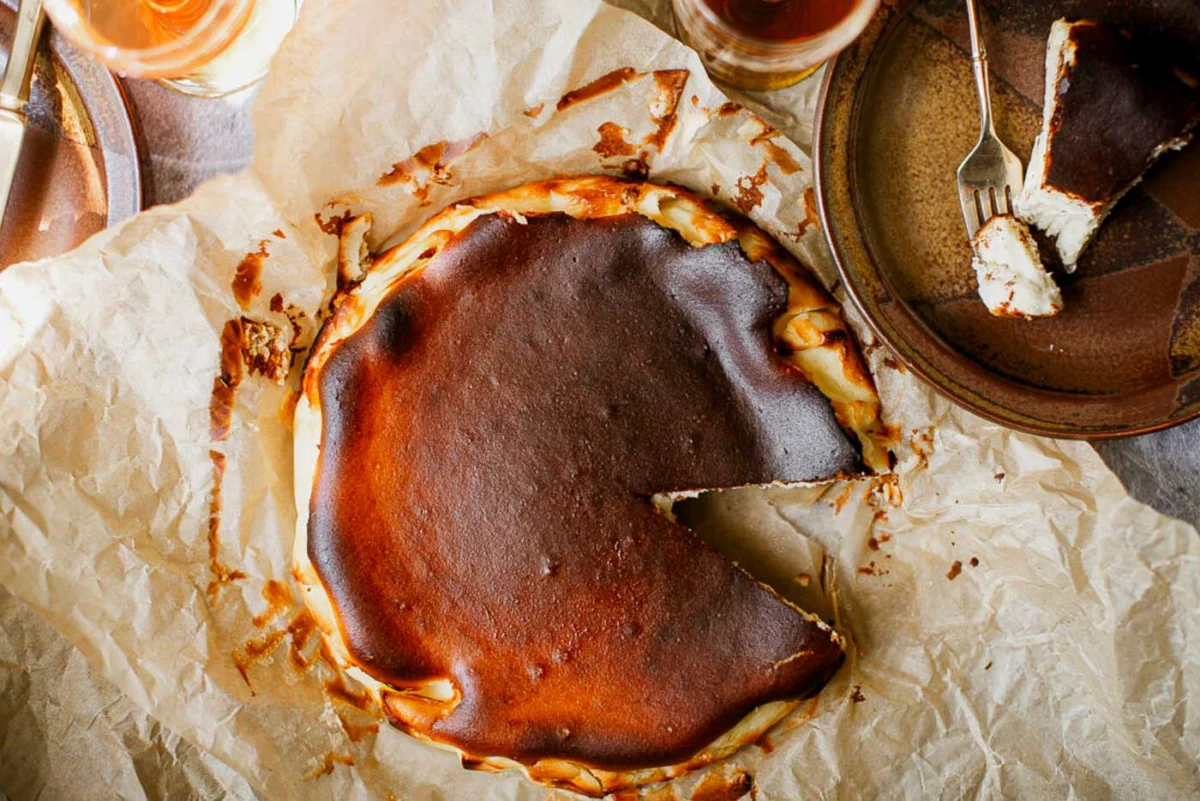
From the delicate, tangy profile of a fresh goat cheese to the robust, crystallization-rich depths of a three-year-aged cheddar, cheese is far more than a mere culinary staple—it is a cornerstone of human civilization. As we approach National Cheese Day on June 4th, it is time to peel back the wax and explore the science, the artistry, and the profound cultural significance of this ultimate comfort ingredient.

Whether you are a seasoned cheesemaker or a casual enthusiast, the Edible Communities network has curated a comprehensive collection of 135 recipes that celebrate the terroir of the land and the ingenuity of the artisan.

The Science and Soul of Cheesemaking: A Historical Context
Cheesemaking is, at its heart, an act of radical resourcefulness. Dating back thousands of years, the process was born from a fundamental human need: to extend the life of perishable milk. By manipulating moisture, acidity, and aging environments, early cultures transformed a fleeting liquid into a stable, nutrient-dense, and deeply flavorful food source.

Today, cheese serves as a sensory map of its origin. The concept of terroir—the influence of the local soil, climate, flora, and traditional craftsmanship—is perhaps more evident in cheese than in almost any other food product. A wheel of alpine-style cheese crafted in the high-altitude meadows of Vermont tells a different story than a Mediterranean-style feta or a creamy, coastal-inspired burrata. It is this connection to the land that makes cheese an enduring object of cultural appreciation.

The Renaissance of Home Production
While commercial production remains the standard for most, there is a growing movement toward home-based cheesemaking. The barriers to entry are lower than many anticipate.

Homemade Labne and Farmer’s Cheese
For those beginning their journey, the strained yogurt cheese known as Labne (or labneh) offers a masterclass in simplicity. Utilizing only plain yogurt, kosher salt, and cheesecloth, one can create a spreadable, tangy foundation for Middle Eastern-inspired mezze. Similarly, Farmer’s Cheese allows the home cook to witness the fundamental separation of curds and whey through the application of heat and mild acid, such as lemon juice or white vinegar.

The Nuance of Fresh Ricotta and Feta
Moving beyond simple separation, Homemade Ricotta—a "recooked" cheese—rewards the patient cook with a texture far superior to store-bought varieties. Starting with high-quality whole milk, the result is a creamy, sweet, and delicate curd that serves as the perfect base for everything from lasagna fillings to dessert garnishes. For those looking for more structure, a Simple Homestead Feta provides a forgiving entry point into brined cheeses, offering a salty, punchy profile that is essential for any well-stocked refrigerator.

Breakfast: Beyond the Bagel
Cheese culture extends naturally into the first meal of the day. The Georgian Khachapuri—a bread "gondola" filled with a rich blend of cheeses and a soft-cooked egg—represents the pinnacle of savory indulgence. For those preferring a lighter start, Ricotta-based pancakes or a Basic Frittata formula allow for endless customization, ensuring that whether you are using goat cheese, fontina, or sharp cheddar, the dish remains balanced and satisfying.

A Global Tour of Cheesy Breads and Pastries
The marriage of dough and cheese is a universal language. From the naturally gluten-free Brazilian Pão de Queijo—which offers a crisp, airy shell and a chewy, molten center—to the sophisticated Savory Cheese and Herb Cream Scones, these recipes prove that cheese acts as the perfect binding agent for texture.

Whether it is a Caramelized Onion and Goat Cheese Bread or an Apple & Aged-Cheddar Scone, the balance of sweet, savory, and umami flavors demonstrates why these items remain staples in local bakeries and home kitchens alike.

The Art of the Melt: Fondue, Raclette, and Beyond
To talk about cheese is to talk about the melt. The Swiss traditions of Fondue and Raclette are not merely ways to prepare food; they are social rituals. Fondue, which requires an enameled pot to ensure even heat distribution, invites communal conversation. Raclette, derived from the French racler (to scrape), turns the act of serving into a performance. These Alpine traditions remind us that cheese is a vehicle for connection, bringing people together around a shared, bubbling centerpiece.

Macaroni, Lasagna, and the Pasta Connection
Perhaps no category showcases the sheer versatility of cheese like pasta. From Seafood Mac & Cheese utilizing fresh Dungeness crab or lobster to Kimchi Mac & Cheese, the addition of cheese transforms simple carbohydrates into a complex culinary experience.

In the realm of baked pastas, the Lasagna Bolognese—with its structural layers of béchamel and cheese—remains a test of a cook’s dedication. For those seeking lighter alternatives, Ricotta Gnocchi provides a pillowy texture that highlights the mild, milky notes of fresh cheese rather than masking them under heavy sauces.

Savory Tarts and the Elegance of the Soufflé
When it comes to entertaining, cheese tarts and quiches provide an immediate sense of sophistication. A 3-Cheese Summer Quiche relies on the interplay of Gruyère and aged cheddar, while a Cheese Soufflé serves as the gold standard for technical proficiency. These dishes rely on high-quality ingredients, where the cheese provides both the flavor profile and the necessary protein structure to hold the dish together.

The Final Course: Cheese in Dessert
It is a common misconception that cheese belongs only to the savory side of the menu. In reality, the high fat content and acidity of cheeses like mascarpone, ricotta, and chèvre make them ideal partners for sugar and fruit.

- Goat Cheese Cakes: The Basque-style cheesecake, characterized by its burnt, caramelized exterior and molten center, finds a new life when goat cheese is blended with traditional cream cheese.
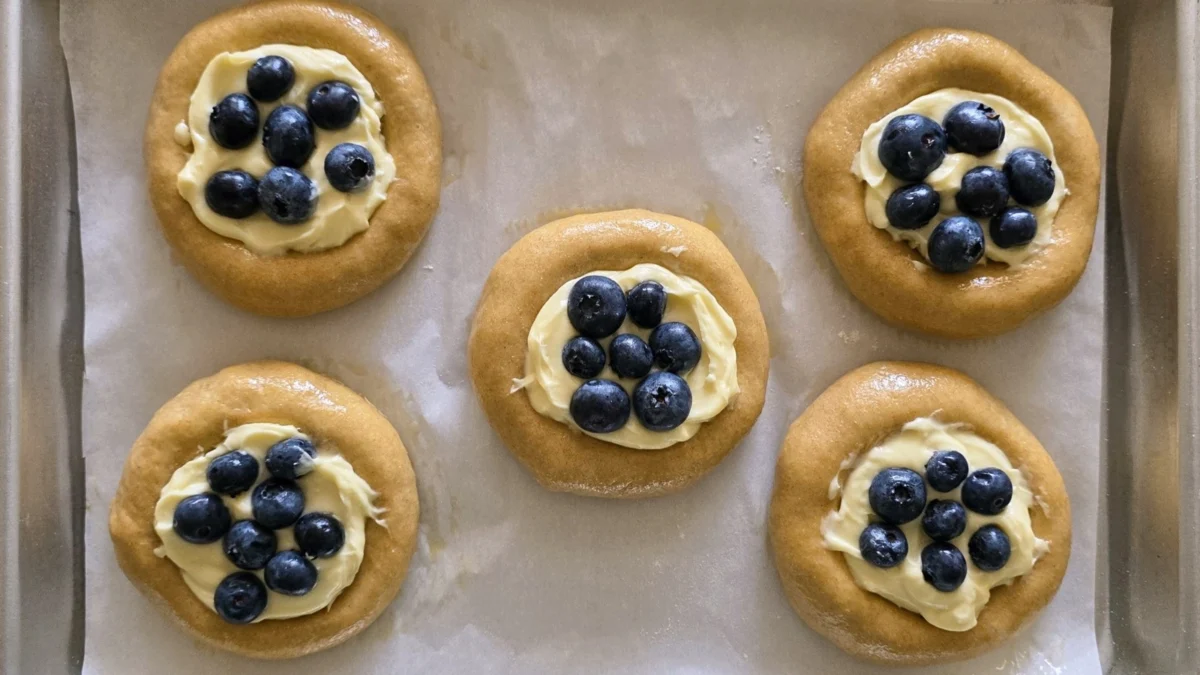
- Fruit and Cheese Tarts: A Honeyed Goat Cheese and Strawberry Tart or a Lime Cheesecake with Lychee Jam highlights the refreshing acidity of cheese when paired with seasonal fruit.
- The Unexpected: The Blue Honey Ice Cream—a sophisticated combination of Roquefort, local honey, and black pepper—challenges the palate and redefines the boundaries of dessert.
Implications of a Cheese-Centric Diet
From a nutritional perspective, the integration of artisanal cheeses into a diet offers high-quality protein, calcium, and, in the case of fermented varieties, beneficial probiotics. However, the most significant implication of this "cheese culture" is the support it provides to regional agriculture. By choosing locally produced cheeses, consumers are not only ensuring higher quality and better animal welfare standards, but they are also directly supporting the economic viability of small-scale farmers and the preservation of rural landscapes.

Conclusion: A Call to Action
As we look toward June 4th, let us view cheese not just as a pantry staple, but as an artisan product worthy of deep study. Whether you are straining your own yogurt, folding Gruyère into a soufflé, or simply assembling a thoughtful cheeseboard, you are participating in a tradition that spans centuries and continents.

This roundup of 135 recipes is more than a list of instructions; it is an ode to the cheesemakers who practice the craft, the farmers who tend the herds, and the home cooks who keep the culture alive. In every melted morsel, there is a story of place, passion, and the preservation of one of humanity’s greatest edible gifts.


 Azzam Bilal Chamdy