
 Jia Lissa

 Raul Delapena Setiawan

 Asro
 Layla Zulfa
 Sagoh
 Ammar Sabilarrohman
October 2, 2026
For the vast majority of the American public, the turkey is viewed primarily through the lens of a singular holiday tradition. Often reduced to a centerpiece on a dinner table, these birds are frequently overlooked as sentient individuals. However, behind the closed doors of industrial agricultural facilities—where millions of turkeys are treated as mere units of production—exists a world of social complexity, intelligence, and emotional depth that remains largely hidden from the consumer’s eye.
As we approach the holiday season, it is time to look beyond the mythology and examine the reality of the turkey: a fascinating, social, and highly intelligent avian species deserving of far more than they are currently afforded by our food systems.
1. The Aerial Athletes: Debunking the Myths
The popular conception of the turkey as a flightless, ungainly bird is a byproduct of selective breeding for the meat industry. In their natural, wild state, turkeys are remarkably athletic. They are capable of reaching flight speeds of up to 55 miles per hour. These birds are not confined to the ground; they possess the instinct to roost in the safety of treetops, a behavior that showcases their evolutionary adaptation for survival.
In the stark contrast of industrial "factory farms," however, these natural instincts are suppressed. The birds are bred to reach unnatural sizes so rapidly that their skeletal structures often cannot support their own weight, let alone allow for flight. This physical modification, engineered for profit, effectively robs them of their biological birthright.
2. Emotional Intelligence and Social Bonds
At sanctuaries such as Farm Sanctuary, where rescued turkeys are provided with safety and autonomy, the true nature of the species emerges. Observations from animal behaviorists and caregivers consistently demonstrate that turkeys are deeply social creatures capable of forming lasting, intricate bonds.
The Power of Friendship
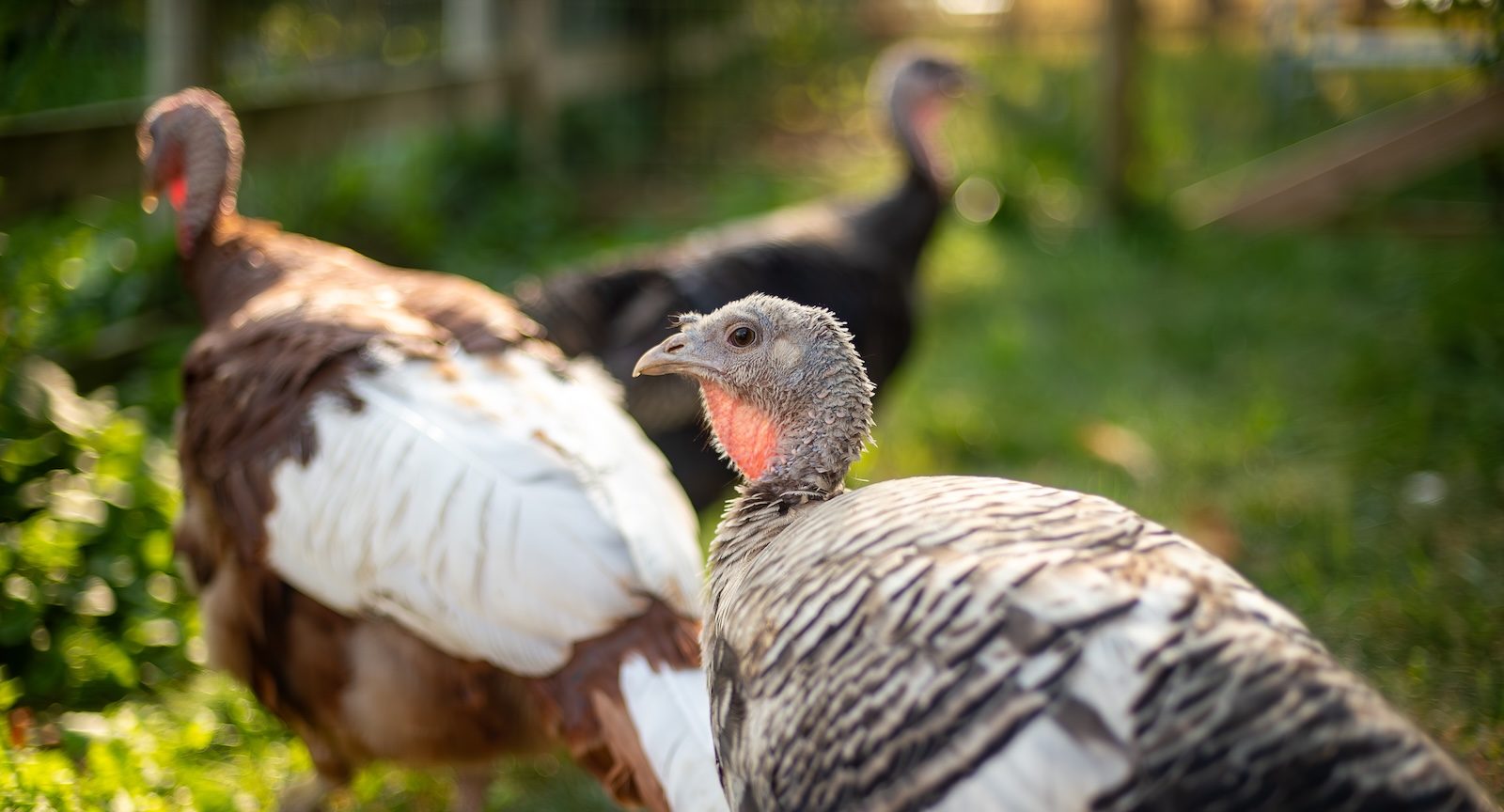
Much like humans, turkeys select specific companions—often referred to as "buddies"—with whom they share their time and trust. These relationships are not merely incidental; they are foundational to the bird’s sense of security. Whether it is a fellow turkey or a human caregiver, these birds show a clear preference for those they have bonded with, displaying affection and seeking comfort in their presence.
The Language of Connection
Communication among turkeys is highly sophisticated. They utilize a vocabulary of at least 28 distinct calls, each serving a specific purpose, from warning of predators to expressing contentment. Furthermore, their auditory intelligence is profound; they recognize the specific voices of their flock members. This recognition begins before birth, as turkey hens communicate with their chicks—known as "poults"—while they are still inside their shells. This prenatal communication establishes a maternal bond that is vital for the survival and social integration of the young birds.
3. Sensory Sophistication: The Emotional Spectrum
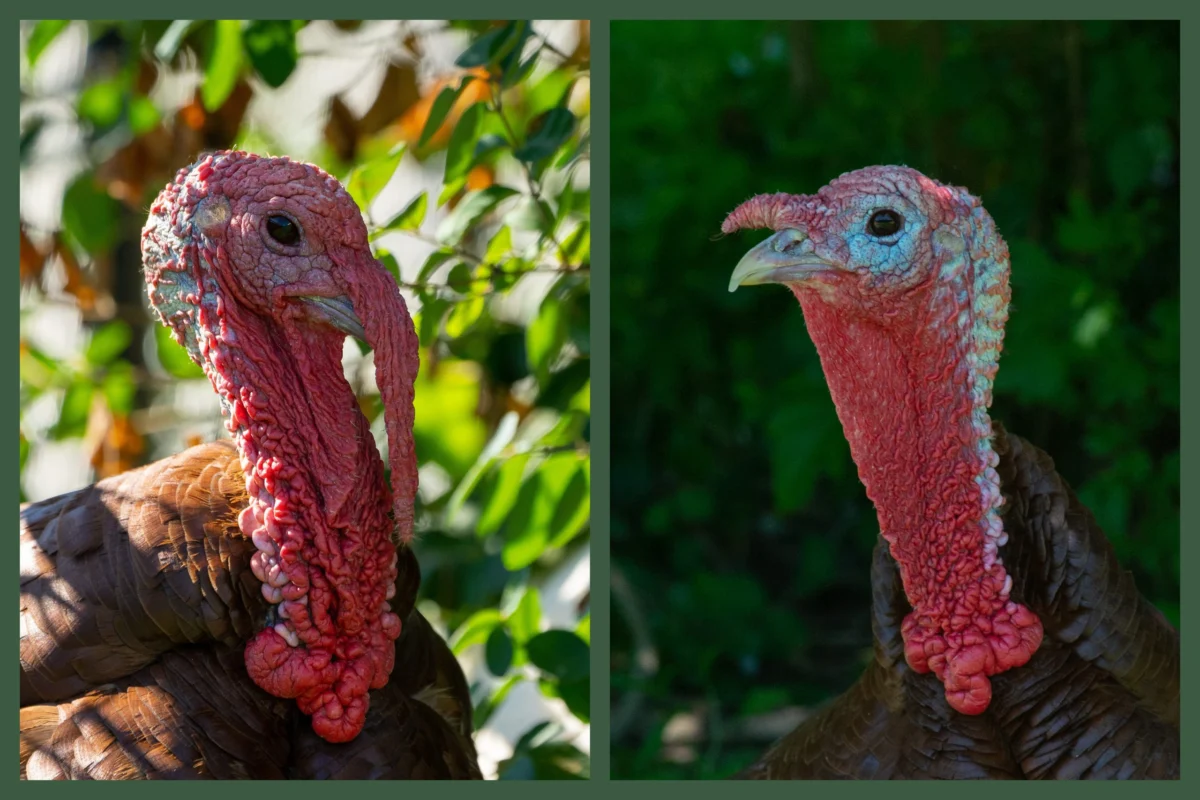
One of the most visually striking attributes of the turkey is their ability to change the color of their skin. While often mistaken for a purely aesthetic or reflexive trait, these shifts in hue are actually complex indicators of the bird’s internal emotional state.
Research published in Applied Animal Behaviour Science highlights that the skin of a turkey acts as an "emotional barometer." When a male turkey, such as the well-known resident Mateo at Farm Sanctuary, is courting a female or asserting dominance, his face may flush a vibrant, deep red. These color changes are deliberate signals to others in their social group, functioning as a silent language of mood and intent that allows for nuanced interaction within the flock.
4. Enrichment and the "Music Effect"
The intelligence of the turkey is perhaps best evidenced by their ability to find joy in enrichment activities. Caregivers at rescue organizations have noted that turkeys respond positively to sensory stimulation, including music. When exposed to melodic sounds or the soothing voices of their human caretakers, these birds demonstrate a clear relaxation response. This receptivity to external stimuli confirms that their lives are not just defined by basic survival instincts, but by an appreciation for environment and comfort.
Chronology of Institutional Neglect
The disconnect between the public’s perception of turkeys and their legal status is rooted in a long-standing regulatory gap.
- Mid-20th Century: The transition to intensive, high-density industrial farming practices begins in earnest, prioritizing feed efficiency and rapid weight gain over the animal’s welfare.
- 1958: The Humane Methods of Slaughter Act is signed into law, aiming to reduce suffering during the slaughtering process. However, poultry—which accounts for the vast majority of land animals killed for food—is pointedly excluded from these protections.
- Current Era: Over 200 million turkeys are raised and slaughtered in the United States annually. Approximately 46 million are killed specifically for the Thanksgiving holiday.
- 2026: Advocacy groups continue to push for the inclusion of turkeys under the Humane Methods of Slaughter Act, citing the overwhelming scientific evidence of their sentience and capacity to suffer.
Supporting Data and The Regulatory Void
The statistical reality of the industry is grim. The average natural lifespan of a turkey is three to four years. In the commercial meat industry, however, these birds are slaughtered between four and five months of age. Hens used for egg production are culled after roughly 25 weeks, the moment they are deemed no longer "profitable."
The most significant hurdle to improving these conditions remains the lack of federal oversight. Because the USDA excludes birds from the Humane Methods of Slaughter Act, there are no federal laws requiring that turkeys be rendered insensible to pain prior to slaughter. This lack of protection creates an environment where standard industry practices—which would be considered illegal if performed on other livestock—are the norm.

Implications for the Future: A Call to Compassion
The evidence regarding the emotional and social lives of turkeys poses a significant ethical challenge to society. If these birds are capable of forming deep friendships, communicating through complex vocalizations, and experiencing shifts in mood, then the systemic "factory" model of agriculture is fundamentally incompatible with a society that values compassion.
Transforming the Food System
The movement to protect these birds is gaining momentum. Initiatives like the annual "Adopt a Turkey" project are not merely symbolic gestures; they are vehicles for education and advocacy. By sponsoring the care of a rescued turkey, individuals help to shift the narrative, moving away from viewing the bird as a commodity and toward recognizing them as individuals with unique personalities.
Join the Movement
As we move into the 2026 holiday season, there is an opportunity to rewrite the narrative. Organizations like Farm Sanctuary are inviting the public to engage in a new kind of tradition—one that celebrates life rather than ending it.
- October 23, 2026: The official launch of the "Adopt a Turkey" project.
- November 7 & 21, 2026: "Celebration for the Turkeys" events in New York and California, respectively.
These events serve as a gathering point for those who recognize that change is possible. By choosing to support these initiatives, the public plays an active role in building a food system that is rooted in science, ethics, and compassion.
Conclusion
Turkeys are more than the symbols we have created for them. They are sentient, social, and intelligent beings that deserve to be treated with the same respect we afford our companion animals. The more we learn about their lives, the more apparent it becomes that our current treatment of these birds is a profound moral oversight. As we continue to uncover the mysteries of their internal lives, the case for a kinder, more plant-forward future becomes not just an alternative, but an imperative.

 Reynand Wu
